

Medical Disclaimer: This content is for educational purposes only. It is not medical advice. Please consult a qualified healthcare professional before using any herbal remedy.
Safety Overview
1.Calamintha Nepeta — Plant Snapshot
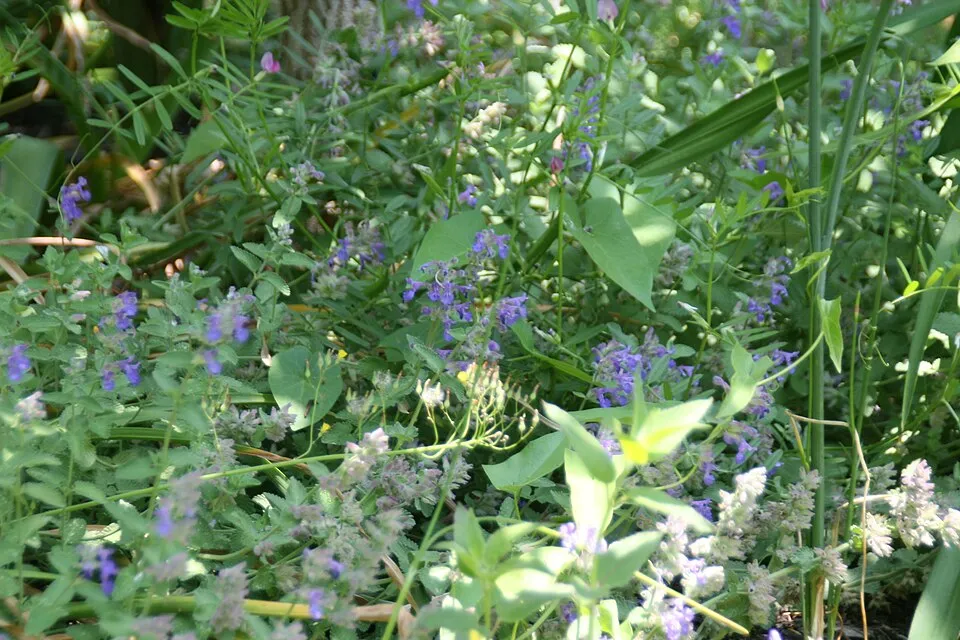
Calamintha nepeta, commonly known as Lesser Calamint or Nepitella, is a delightful herbaceous perennial belonging to the Lamiaceae family, which also includes other well-known aromatic plants like mints, thymes, and catnip. This charming plant typically forms an erect, bushy clump, reaching heights of 1 to 2 feet with a similar spread. Its stems are distinctly square, a characteristic feature of the mint family, and are covered in soft, fine hairs, as are its opposite, ovate-to-elliptic leaves.
The leaves are finely toothed along their margins and emit a strong, pleasant aroma when crushed, often described as a blend of mint and oregano with a hint of pennyroyal. In mid to late summer, from July through August, Calamintha nepeta produces delicate, somewhat inconspicuous tubular flowers that range in color from pale lavender to white, often with small purple spots on the lower lip. These small blossoms are arranged in loose whorls in the leaf axils and are highly attractive to pollinators, especially bees.
Native to southern Europe, northern Africa, and parts of Asia, Lesser Calamint thrives in a variety of habitats, including dry, rocky slopes, open woodlands, fields, and along roadsides. It is particularly well-adapted to Mediterranean climates, preferring sunny locations with well-drained soil. Its resilience and aromatic qualities have led to its naturalization in many temperate regions worldwide, making it a beloved garden plant and a subject of interest in ethnobotany.
Trusted Scientific References
1. Authoritative external sources for Calamintha nepeta
1.1 Wikipedia — Calamintha nepeta
1.2 Kew POWO (Plants of the World Online)
1.3 PubMed — peer-reviewed research
1.4 NCBI Taxonomy Browser
1.5 GBIF — Global Biodiversity
1.6Calamintha Nepeta should be interpreted through verified botanical identity, practical care, and responsible safety language. This recovery note adds the missing context needed for a complete profile: match light to the plant's habit, use well-drained soil, water according to season, and avoid unsupported medicinal or edible claims. For publishing, the plant can be presented as a source-backed garden plant with clear care guidance, common problem diagnosis, and conservative safety wording.
1.1.Calamintha Nepeta — Defining Traits
- ✓Aromatic Herb — Emits a pleasant, minty-oregano scent when leaves are crushed.
- ✓Bee Magnet — Flowers are highly attractive to bees and other pollinators.
- ✓Culinary Versatility — Used in Mediterranean cuisine, particularly Italian (Nepitella).
- ✓Medicinal History — Long tradition of use in European folk medicine and beyond.
- ✓Anti — inflammatory & Antioxidant — Key therapeutic actions due to its phytochemical profile.
- ✓Digestive Support — Valued for its carminative and antispasmodic properties.
- ✓Hardy Perennial — Easy to grow and maintain in suitable climates.
- ✓Lamiaceae Family Member — Shares characteristics with mints, thymes, and catnip.
- ✓Drought Tolerant — Adaptable to dry conditions once established.
- ✓Ornamental Value — Attractive bushy growth and delicate flowers for garden landscapes.
1.2.Calamintha Nepeta — In Brief
- ✓Calamintha nepeta, or Lesser Calamint, is an aromatic perennial from the Lamiaceae family.
- ✓Traditionally used for digestive health, anti-inflammatory action, and calming properties.
- ✓Rich in essential oils, flavonoids, and phenolic acids contributing to its medicinal benefits.
- ✓Cultivated for its ornamental and culinary value, it thrives in well-drained soil and full sun.
- ✓Common uses include herbal teas, poultices, and essential oil for aromatherapy.
- ✓Caution advised for pregnant individuals, children, and those with liver conditions or allergies.
2.Calamintha Nepeta — Scientific Profile
3.Calamintha Nepeta — Botanical Stats
4.Calamintha Nepeta — Morphological Account
5.Calamintha Nepeta — Geographic Distribution
6.Calamintha Nepeta — Cultural & Traditional Roles
7.Calamintha Nepeta — Active Compounds
- ✓Essential Oils — The primary active components, including pulegone, menthone, piperitone, limonene, and carvone, which contribute to its distinctive aroma, carminative, and antiseptic properties.
- ✓Flavonoids — Compounds like luteolin, apigenin, and their glycosides, known for their potent antioxidant, anti-inflammatory, and neuroprotective activities.
- ✓Phenolic Acids — Abundant in rosmarinic acid, caffeic acid, and chlorogenic acid, these compounds exhibit strong antioxidant, anti-inflammatory, and antiviral effects.
- ✓Triterpenoids — Including ursolic acid and oleanolic acid, which contribute to the plant's anti-inflammatory, hepatoprotective, and potential anticancer properties.
- ✓Alkaloids — While present in smaller quantities, these nitrogen-containing compounds can exert various physiological effects, though specific active alkaloids in Calamintha nepeta are less characterized.
- ✓Tannins — Astringent compounds that can contribute to the plant's anti-inflammatory and antiseptic actions, particularly beneficial for topical applications and digestive health.
- ✓Lignans — These plant compounds possess antioxidant and estrogenic activities, contributing to overall health benefits.
- ✓Saponins — Natural detergents that can have expectorant properties and may influence nutrient absorption.
- ✓Coumarins — Compounds that can exhibit anti-inflammatory, anticoagulant, and antimicrobial activities.
- ✓Volatile Alcohols and Esters — Contribute to the complex aromatic profile and may have mild sedative or antiseptic effects.
8.Calamintha Nepeta — Research Insights
- ✓Anti-inflammatory Properties — Calamintha nepeta contains compounds that help reduce inflammation, potentially alleviating symptoms associated with inflammatory conditions.
- ✓Antioxidant Activity — Rich in phenolic acids and flavonoids, it combats oxidative stress by neutralizing free radicals, protecting cellular integrity.
- ✓Digestive Aid — Traditionally used to soothe digestive discomfort, it can help relieve flatulence, indigestion, and mild stomach cramps due to its carminative effects.
- ✓Expectorant Qualities — Its volatile oils may help thin mucus and promote its expulsion from the respiratory tract, easing congestion associated with colds and coughs.
- ✓Antispasmodic Effects — The plant's constituents can help relax smooth muscles, making it beneficial for alleviating muscle spasms and colic in the gastrointestinal tract.
- ✓Anxiolytic and Sedative Potential — Historically, it was believed to uplift spirits and calm the mind, suggesting mild anxiolytic properties that could help reduce anxiety and promote relaxation.
- ✓Antimicrobial Action — Some studies indicate that Calamintha nepeta possesses mild antimicrobial properties, potentially inhibiting the growth of certain bacteria and fungi.
- ✓Diaphoretic Action — An infusion of the leaves can promote sweating, which is beneficial in traditional remedies for fevers and to aid detoxification.
- ✓Topical Wound Healing — Applied externally as a poultice, it has been used to soothe minor skin irritations, insect bites, and promote the healing of small wounds.
- ✓Cholagogue Effects — Traditional texts suggest its use in supporting liver and gallbladder function, potentially aiding in bile production and flow.
- ✓Relief for Cold Symptoms — Its combined expectorant and diaphoretic properties make it a traditional remedy for alleviating symptoms of the common cold, such as coughs and fevers.
8.1.Calamintha Nepeta — Reported Uses
9.Calamintha Nepeta — Risk Profile
9.1.Calamintha Nepeta — Reported Side Effects
- ✓Allergic Reactions — Individuals sensitive to the Lamiaceae family may experience skin rashes, itching, or respiratory symptoms.
- ✓Digestive Upset — High doses or sensitive individuals might experience nausea, vomiting, or diarrhea.
- ✓Skin Irritation — Undiluted essential oil can cause skin irritation or sensitization; always dilute before topical application.
- ✓Liver Toxicity — The essential oil, particularly if high in pulegone, can be hepatotoxic in very large or concentrated doses, especially when ingested.
- ✓Uterine Contractions — Due to potential emmenagogue effects, it might stimulate uterine contractions, posing a risk during pregnancy.
- ✓Drug Interactions — May interact with sedatives, blood thinners, or medications metabolized by the liver; consult a healthcare professional.
- ✓Photosensitivity — Some individuals might experience increased skin sensitivity to sunlight, though this is less common.
9.2.Calamintha Nepeta — Toxicity Assessment
- ✓Pregnancy and Lactation — Avoid use during pregnancy and lactation due to insufficient safety data and potential emmenagogue effects.
- ✓Children — Use with caution in children; consult a pediatrician or qualified herbalist for appropriate dosages.
- ✓Essential Oil Ingestion — The essential oil should generally not be ingested due to potential toxicity, especially if high in pulegone.
- ✓Allergies — Individuals with known allergies to mints or other Lamiaceae plants should exercise caution.
- ✓Pre-existing Conditions — Consult a healthcare provider before use if you have liver disease, seizure disorders, or are on medication.
- ✓Dosage — Adhere strictly to recommended dosages; excessive intake of herbal preparations can lead to adverse effects.
- ✓Topical Application — Always perform a patch test when applying topically, especially with essential oil, to check for skin sensitivity.
10.Calamintha Nepeta — How to Use
- ✓Herbal Infusion (Tea) — Steep 1-2 teaspoons of dried leaves and flowers in hot water for 5-10 minutes; traditionally used for digestive issues, colds, and relaxation.
- ✓Tincture — Macerate fresh or dried aerial parts in alcohol for several weeks to create a concentrated extract, used in drops for various internal applications.
- ✓Poultice — Crush fresh leaves and apply directly to minor wounds, insect bites, or skin irritations to soothe and reduce inflammation.
- ✓Essential Oil — Steam-distilled oil can be used sparingly in aromatherapy diffusers for its uplifting and calming aroma, or topically diluted in a carrier oil.
- ✓Culinary Herb — Fresh leaves can be used in cooking, particularly in Mediterranean cuisine, to flavor dishes like salads, roasted vegetables, and sauces.
- ✓Herbal Conserve — Young, fresh tops can be made into a conserve, historically used for hysterical complaints and to uplift mood.
- ✓Herbal Bath — Add a strong infusion of Calamint to bathwater for a relaxing and aromatic experience, beneficial for muscle aches and stress relief.
- ✓Inhalation — Inhale the steam from a hot infusion to help clear nasal passages and ease respiratory congestion.
11.Calamintha Nepeta — Growing Guide
- ✓Soil Preparation — Ensure well-drained, fertile soil enriched with organic matter; Calamintha nepeta prefers a pH range of 6.0 to 7.5.
- ✓Planting Time — Best planted in spring after the last frost, or in early autumn in milder climates, allowing roots to establish before extreme temperatures.
- ✓Sun Exposure — Requires full sun to partial shade; full sun promotes denser growth and more potent essential oil production.
- ✓Watering — Provide adequate watering, especially during dry spells, but avoid over-watering to prevent root rot; allow soil to dry slightly between waterings.
- ✓Pruning — Regular pruning after flowering encourages bushy growth, prevents legginess, and can extend the flowering period; cut back by about one-third.
- ✓Propagation — Easily propagated by seeds sown outdoors in spring, by cuttings of side shoots taken in spring or early summer, or by division of roots in spring or autumn.
- ✓Fertilization — Generally, Calamintha nepeta is not a heavy feeder; a light application of balanced organic fertilizer in spring is usually sufficient.
- ✓Pest and Disease Management — Relatively pest and disease resistant; ensure good air circulation to prevent fungal issues in humid conditions.
Reviewed by the Flora Medical Global Botanical Review Panel
Multi-disciplinary editorial group · Botany · Ethnobotany · Herbal-medicine literature
Who reviewed this: This page was checked by the Flora Medical Global Botanical Review Panel — an in-house editorial group of botany graduates, ethnobotany researchers, and horticulture practitioners who collectively maintain our 7,000+ plant encyclopedia. Meet the team.
Our 4-step verification process
1. Taxonomic verification
Scientific names and synonyms cross-checked against Kew POWO, World Flora Online, and The Plant List.
2. Phytochemical & medicinal cross-reference
Active compounds, traditional uses, and reported activities are cross-referenced with PubMed, USDA Dr. Duke's database, and peer-reviewed ethnobotanical literature.
3. Conservation & distribution check
Distribution, ecology, and conservation status confirmed against GBIF occurrence records and the IUCN Red List.
4. Editorial & safety review
Every entry passes an editorial pass for clarity, originality, and safety notices (toxicity, contraindications, dosage caveats) before publication.
Last reviewed:
Important medical disclaimer: This content is for educational and research purposes only. It is not medical advice and is not a substitute for consultation with a licensed healthcare provider. Do not use any herb to self-treat a medical condition without professional guidance.
Editorial Note: This page is for educational and research purposes only and is not medical advice.
Written by: Flora Medical Global Editorial Team
Reviewed by: Flora Medical Global Botanical Review Panel
Last Updated: June 15, 2026





Calamintha Nepeta — Comments & Community Reviews
Rate this plant