


Medical Disclaimer: This content is for educational purposes only. It is not medical advice. Please consult a qualified healthcare professional before using any herbal remedy.
Safety Overview
1.Calathea Freddie — Overview
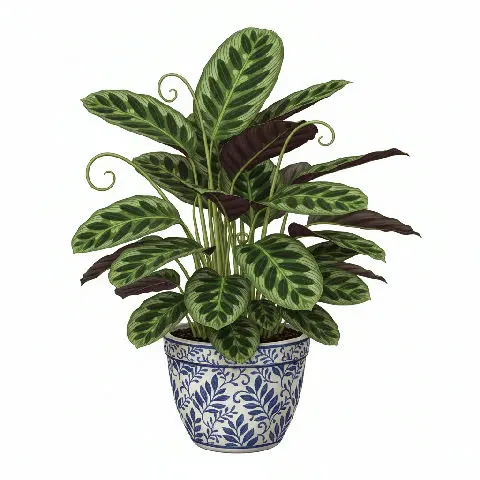
The Calathea Freddie, formally recognized as Goeppertia concinna and previously known as Calathea concinna 'Freddie', stands as a captivating ornamental houseplant celebrated for its distinctive foliage. This cultivar belongs to the Marantaceae family, commonly referred to as the 'prayer plant' family, a name derived from its fascinating nyctinastic movements—where its leaves elegantly fold upwards at dusk, reminiscent of praying hands, and gracefully unfurl with the dawn. Native to the humid, shaded understory of the tropical rainforests of Brazil, particularly within regions like the Amazon basin, Calathea Freddie thrives in environmental conditions that closely mimic its origins: consistent high humidity, stable warm temperatures, and indirect light.
The 'Freddie' epithet specifically denotes this particular cultivar, distinguishing it by its unique and intricate leaf patterns. Morphologically, it presents lance-shaped leaves, a vibrant chartreuse to silver-green, exquisitely adorned with bold, dark green, feather-like stripes that radiate from the central vein, creating a visually striking, almost painted aesthetic. The undersides of these leaves typically exhibit a paler green hue.
Unlike many of its botanical relatives, the Calathea Freddie is primarily cherished for its spectacular foliage, as its flowering indoors is infrequent and generally less showy. Historically, plants within the broader Marantaceae family have been utilized by indigenous communities in their native South American territories for various practical purposes, including the crafting of baskets and for ritualistic practices, owing to their large, flexible leaves. While specific traditional medicinal applications directly attributed to Goeppertia concinna 'Freddie' are not extensively documented in established systems such as Ayurveda, Traditional Chinese Medicine (TCM), or Unani, the wider genus Goeppertia (and formerly Calathea) is recognized for containing a diverse array of phytochemicals, including various flavonoids and terpenes, which contribute to the genus's general biological and ecological profile.
Trusted Scientific References
1. Authoritative external sources for Goeppertia concinna
1.1 Wikipedia — Goeppertia concinna
1.2 Kew POWO (Plants of the World Online)
1.3 PubMed — peer-reviewed research
1.4 NCBI Taxonomy Browser
1.5 GBIF — Global Biodiversity
1.1.Calathea Freddie — Standout Qualities
- ✓Nyctinastic Leaf Movement — Leaves fold up at night and unfurl by day.
- ✓Striking Foliage Patterns — Vibrant green leaves with dark, feather-like stripes.
- ✓Air Purifying Qualities — Contributes to cleaner indoor air.
- ✓Tropical Aesthetic — Brings a lush, exotic feel to indoor spaces.
- ✓Non — Toxic to Pets and Humans — Safe for homes with animals and children.
- ✓High Humidity Requirement — Thrives in moist, warm environments.
- ✓Indirect Light Preference — Best in shaded or filtered light conditions.
- ✓Brazilian Rainforest Origin — Adapted to humid, understory conditions.
- ✓Low Maintenance (for its type) — Relatively easy care once conditions are met.
- ✓Goeppertia Genus Member — Reflects recent botanical reclassification.
1.2.Calathea Freddie — Concise Overview
- ✓Distinctive 'prayer plant' known for striking patterned foliage.
- ✓Requires high humidity, indirect light, and consistent moisture.
- ✓Primarily ornamental, contributing to air purification and well-being.
- ✓Non-toxic to humans and pets, making it a safe indoor plant.
- ✓Native to Brazilian rainforests, sensitive to cold and direct sun.
- ✓Contains general phytochemicals like flavonoids and terpenes.
2.Calathea Freddie — Systematic Position
3.Calathea Freddie — Reference Facts
4.Calathea Freddie — Plant Morphology
5.Calathea Freddie — Geographic Distribution
6.Calathea Freddie — Cultural & Traditional Roles
7.Calathea Freddie — Bioactive Constituents
- ✓Flavonoids — Compounds like quercetin and luteolin are commonly found in the Marantaceae family, acting as potent antioxidants and possessing anti-inflammatory properties.
- ✓Terpenes — Aromatic compounds such as limonene and alpha-pinene contribute to the plant's natural scent profile and may offer some insect-repelling or antimicrobial actions, common in many tropical plants.
- ✓Phenolic Acids — Derivatives like caffeic acid and ferulic acid are present, known for their antioxidant and free-radical scavenging capabilities, supporting cellular protection.
- ✓Saponins — These glycosides are found in various plant parts, often contributing to defense mechanisms and exhibiting surfactant properties, though their specific role in Goeppertia concinna requires further study.
- ✓Alkaloids — While typically in low concentrations, some alkaloid compounds might be present, playing roles in plant defense against herbivores.
- ✓Polysaccharides — Complex carbohydrates are integral to plant structure and energy storage, and in some plants, they show immunomodulatory potential.
- ✓Carotenoids — Pigments like beta-carotene are responsible for leaf coloration and act as antioxidants, protecting plant cells from photo-oxidative damage.
- ✓Chlorophylls — Essential photosynthetic pigments (chlorophyll a and b) are abundant in the vibrant green leaves, vital for energy conversion.
8.Calathea Freddie — Research Insights
- ✓Air Purification — Calathea Freddie, like many houseplants, contributes to indoor air quality by absorbing common volatile organic compounds (VOCs) and releasing oxygen, fostering a healthier breathing environment.
- ✓Biophilic Stress Reduction — The presence of lush, vibrant foliage and the unique 'prayer' movement can induce a sense of calm and well-being, potentially reducing psychological stress and improving mood through biophilic design principles.
- ✓Humidity Enhancement — Transpiration from the leaves can slightly increase ambient humidity levels, which may offer relief in dry indoor climates and benefit respiratory comfort.
- ✓Aesthetic Well-being — Its striking patterns and dynamic leaf movements provide visual stimulation and beauty, enhancing living spaces and contributing to an improved aesthetic environment that can positively impact mental state.
- ✓Focus and Concentration Support — Engaging with plant care and observing natural processes like nyctinasty can serve as a mindful activity, indirectly aiding in concentration and breaking mental fatigue.
- ✓Natural Decor Therapy — Integrating living plants like Calathea Freddie into interior design can create a more natural, soothing atmosphere, which is known to support mental and emotional health.
- ✓Phytochemical Presence (General) — While not directly ingested, the genus Goeppertia contains flavonoids and terpenes, compounds known for their antioxidant and anti-inflammatory properties in other plant species, hinting at latent biochemical activity.
- ✓Non-Toxic Environment — As a non-toxic plant to pets and humans, it contributes to a safer living space, reducing concerns for households with children or animals.
8.1.Calathea Freddie — Reported Uses
9.Calathea Freddie — Risk Profile
9.1.Calathea Freddie — Caution Notes
- ✓Allergic Reactions — While rare, some individuals may experience mild skin irritation upon contact with plant sap; it is generally considered non-toxic.
- ✓Root Rot — Overwatering, especially in poorly draining soil, can lead to root rot, causing plant decline and potential fungal issues.
- ✓Leaf Burn — Direct sunlight exposure can cause scorching and browning of leaves, diminishing the plant's aesthetic value and health.
- ✓Pest Infestation — Susceptible to common houseplant pests like spider mites, mealybugs, and aphids, which can damage foliage and spread to other plants.
- ✓Mineral Toxicity — Sensitive to chlorine and fluoride in tap water, which can cause brown tips and edges on leaves, impacting its appearance.
- ✓Cold Damage — Exposure to temperatures below its preferred range or cold drafts can lead to chilling injury, manifesting as wilting or discoloration.
- ✓Fungal Spots — High humidity combined with poor air circulation can sometimes lead to fungal leaf spots, requiring treatment and environmental adjustment.
9.2.Calathea Freddie — Risk Assessment
- ✓Non-Toxic — Calathea Freddie is widely regarded as non-toxic to humans and pets (cats and dogs), making it a safe choice for households.
- ✓Contact Sensitivity — While generally safe, individuals with highly sensitive skin might experience mild irritation from direct sap contact.
- ✓Environmental Impact — Cultivation typically occurs indoors, posing minimal direct environmental risks; responsible sourcing is encouraged.
- ✓Handling — Use gloves if prone to skin sensitivities, though direct handling is generally benign for most individuals.
- ✓Ingestion — Accidental ingestion by children or pets is unlikely to cause serious harm due to its non-toxic nature, but should be avoided.
- ✓Watering Practice — Ensure proper drainage and avoid stagnant water to prevent pathogen growth and maintain plant health.
- ✓Air Quality — As an air-purifying plant, it contributes positively to indoor air quality without known negative emissions.
10.Calathea Freddie — Application Forms
- ✓Ornamental Display — Place Calathea Freddie in living rooms, offices, or bedrooms to enhance interior aesthetics with its striking, dynamic foliage.
- ✓Air Quality Improvement — Position in areas where air circulation is good to potentially benefit from its natural air-purifying properties, contributing to a fresher indoor environment.
- ✓Biophilic Design Element — Integrate into spaces intended for relaxation or mindfulness to harness its biophilic benefits, promoting calm and reducing stress through visual appeal.
- ✓Humidity Indicator — Use its sensitivity to low humidity (e.g., crispy leaf edges) as a natural indicator for adjusting indoor environmental conditions.
- ✓Educational Specimen — Utilize in educational settings to demonstrate plant nyctinasty (leaf movement) and the care requirements of tropical plants.
- ✓Gifting — Present as a thoughtful, non-toxic houseplant gift, suitable for plant enthusiasts and beginners alike due to its manageable care and beauty.
- ✓Group Planting — Combine with other humidity-loving plants to create a microclimate, benefiting all plants involved and creating a lush, tropical display.
11.Calathea Freddie — Growing Guide
- ✓Light — Provide medium to bright indirect light; direct sunlight can scorch its delicate leaves, while very low light may diminish its vibrant patterns.
- ✓Watering — Maintain consistently moist soil, allowing the top inch to dry slightly between waterings; avoid overwatering to prevent root rot, and use filtered or distilled water to prevent mineral buildup.
- ✓Humidity — Requires high humidity (60-80%); mist frequently, place on a pebble tray with water, or use a humidifier to mimic its native tropical environment.
- ✓Temperature — Thrives in warm, stable temperatures between 18-27°C (65-80°F); protect from cold drafts and sudden temperature fluctuations.
- ✓Soil — Use a well-draining, moisture-retentive potting mix rich in organic matter, such as a blend of peat moss, perlite, coco coir, and compost.
- ✓Fertilization — Feed monthly during the growing season (spring and summer) with a balanced liquid fertilizer diluted to half strength; reduce or cease feeding in fall and winter.
- ✓Repotting — Repot every 1-2 years or when root-bound, moving to a pot only slightly larger than the previous one, preferably in spring.
- ✓Pruning — Remove yellowing or damaged leaves at the base to encourage new growth and maintain aesthetic appeal.
Reviewed by the Flora Medical Global Botanical Review Panel
Multi-disciplinary editorial group · Botany · Ethnobotany · Herbal-medicine literature
Who reviewed this: This page was checked by the Flora Medical Global Botanical Review Panel — an in-house editorial group of botany graduates, ethnobotany researchers, and horticulture practitioners who collectively maintain our 7,000+ plant encyclopedia. Meet the team.
Our 4-step verification process
1. Taxonomic verification
Scientific names and synonyms cross-checked against Kew POWO, World Flora Online, and The Plant List.
2. Phytochemical & medicinal cross-reference
Active compounds, traditional uses, and reported activities are cross-referenced with PubMed, USDA Dr. Duke's database, and peer-reviewed ethnobotanical literature.
3. Conservation & distribution check
Distribution, ecology, and conservation status confirmed against GBIF occurrence records and the IUCN Red List.
4. Editorial & safety review
Every entry passes an editorial pass for clarity, originality, and safety notices (toxicity, contraindications, dosage caveats) before publication.
Last reviewed:
Important medical disclaimer: This content is for educational and research purposes only. It is not medical advice and is not a substitute for consultation with a licensed healthcare provider. Do not use any herb to self-treat a medical condition without professional guidance.
Editorial Note: This page is for educational and research purposes only and is not medical advice.
Written by: Flora Medical Global Editorial Team
Reviewed by: Flora Medical Global Botanical Review Panel
Last Updated: June 15, 2026





Calathea Freddie — Comments & Community Reviews
Rate this plant