


Medical Disclaimer: This content is for educational purposes only. It is not medical advice. Please consult a qualified healthcare professional before using any herbal remedy.
Safety Overview
1.Camellia Garden — At a Glance
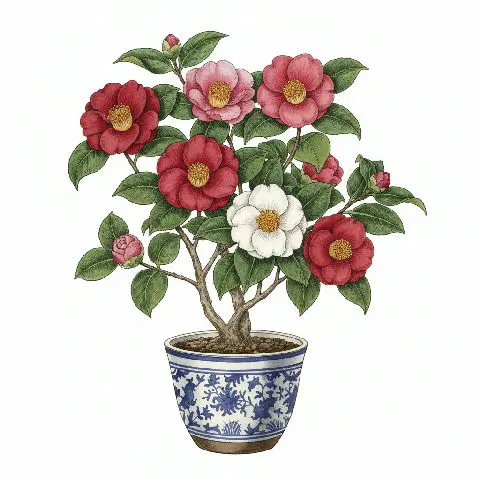
Camellia japonica, widely recognized as 'Camellia Garden' in horticultural circles, is an enduring evergreen shrub or small tree belonging to the Theaceae family. Native to the lush landscapes of East Asia, encompassing mainland China, Taiwan, Korea, and Japan, its historical roots are deeply intertwined with the cultural heritage of these regions, where its exquisite flowers have symbolized longevity, perfection, and steadfast love for centuries.
The plant's initial introduction to the Western world by Dutch traders in the 17th century was primarily as an ornamental novelty. However, its widespread cultivation and popularity truly blossomed in the 18th century, significantly aided by botanists like Robert Fortune, leading to extensive breeding efforts that have resulted in thousands of diverse cultivars varying in flower form, color, and size.
Botanically, Camellia japonica is characterized by its slow-growing habit, typically reaching heights of 1.5 to 6 meters (5 to 20 feet), though some specimens in their native habitat can soar up to 15 meters (49 feet). Its sturdy, woody stems support dense, glossy, dark green leaves that are ovate to elliptic in shape, measuring 5-11 cm long and 2.5-6 cm wide. These leaves possess finely serrated margins and a distinct leathery texture, maintaining their vibrant hue throughout the year.
The most striking feature of Camellia japonica is undoubtedly its spectacular flowers, which bloom predominantly from late autumn through early spring. These blooms, ranging from simple single-petal forms to complex fully double varieties, can measure 4-12 cm (1.6-4.7 inches) in diameter. Their colors span a magnificent spectrum including pure white, various shades of pink, and deep red, often displaying captivating variegations or blotches.
These early-season flowers serve as a crucial nectar source for pollinators when other flora remains dormant, underscoring the plant's ecological significance.
Trusted Scientific References
1. Authoritative external sources for Camellia japonica
1.1 Wikipedia — Camellia japonica
1.2 Kew POWO (Plants of the World Online)
1.3 PubMed — peer-reviewed research
1.4 NCBI Taxonomy Browser
1.5 GBIF — Global Biodiversity
1.1.Camellia Garden — Notable Characteristics
- ✓Evergreen Shrub/Small Tree — Provides year-round foliage and structure.
- ✓Spectacular Winter/Spring Blooms — Offers vibrant flowers when most other plants are dormant.
- ✓Culturally Significant — Symbolizes longevity, perfection, and love in East Asian traditions.
- ✓Rich in Antioxidants — Contains a high concentration of polyphenols and flavonoids.
- ✓Source of Omega — 3 Fatty Acids — Contributes to cardiovascular and overall health.
- ✓Adaptable Ornamental — Widely cultivated globally for its aesthetic appeal.
- ✓Potential Functional Food Ingredient — Recognized for its nutritional and bioactive profile.
- ✓Leathery, Glossy Leaves — Distinctive botanical characteristic.
- ✓Moderate Water Requirements — Prefers consistent moisture but dislikes waterlogging.
- ✓Diverse Cultivars — Thousands of varieties with varying flower forms, colors, and sizes.
1.2.Camellia Garden — Snapshot Summary
- ✓Ornamental and Medicinal Dual Value — Celebrated for its beauty and emerging health benefits.
- ✓Rich in Bioactive Compounds — Contains flavonoids, saponins, phenolic acids, and essential fatty acids.
- ✓High Nutritional Value — Notably offers carbohydrates, protein, and omega-3 fatty acids.
- ✓East Asian Origin and Cultural Significance — Deeply rooted in the traditions of China, Japan, and Korea.
- ✓Supports Antioxidant and Anti-inflammatory Pathways — Contributes to overall cellular protection.
- ✓Versatile Usage — From herbal teas and culinary garnishes to topical applications and functional ingredients.
2.Camellia Garden — Botanical Identity
3.Camellia Garden — Vital Statistics
4.Camellia Garden — Physical Description
5.Camellia Garden — Native Range & Habitat
6.Camellia Garden — Traditional Uses
7.Camellia Garden — Phytochemistry
- ✓Flavonoids — Key compounds include quercetin, kaempferol, and various catechins such as epicatechin and epigallocatechin gallate, known for their potent antioxidant and anti-inflammatory activities.
- ✓Triterpenoid Saponins — These compounds, including camelliasaponins, contribute to the plant's anti-inflammatory properties and may also possess adaptogenic effects, though they can be hemolytic in high concentrations.
- ✓Phenolic Acids — Gallic acid and ellagic acid are prominent, offering significant antioxidant capacity and contributing to the plant's astringent qualities.
- ✓Polyunsaturated Fatty Acids — Notably high levels of omega-3 fatty acids, such as alpha-linolenic acid, along with omega-6 fatty acids like linoleic acid, are present, crucial for cardiovascular health and cellular function.
- ✓Carbohydrates — The flowers are rich in various carbohydrates, including simple sugars and complex polysaccharides, providing energy and potential immunomodulatory benefits.
- ✓Proteins — A moderate content of proteins, composed of essential amino acids, contributes to the plant's overall nutritional value, supporting cellular repair and growth.
- ✓Alkaloids — While less prominent than in other Camellia species, trace amounts of alkaloids may be present, influencing various physiological responses.
- ✓Volatile Compounds — A complex mixture of terpenes and other aromatic compounds contributes to the flower's characteristic fragrance and may possess antimicrobial properties.
- ✓Sterols — Plant sterols such as beta-sitosterol are found, which are known for their potential cholesterol-lowering effects and anti-inflammatory actions.
- ✓Vitamins and Minerals — Contains trace amounts of essential vitamins (e.g., Vitamin C, Vitamin E precursors) and minerals (e.g., potassium, calcium, magnesium) vital for general health.
8.Camellia Garden — Evidence-Based Benefits
- ✓Antioxidant Properties — Camellia japonica flowers contain a rich array of polyphenols and flavonoids that actively scavenge free radicals, helping to mitigate oxidative stress and protect cellular integrity.
- ✓Anti-inflammatory Effects — Specific triterpenoids and phenolic compounds found in the plant contribute to reducing inflammation, potentially alleviating symptoms associated with inflammatory conditions.
- ✓Nutritional Enhancement — The flowers are noted for their significant nutritional value, providing carbohydrates, moderate protein, and notably high levels of polyunsaturated fatty acids, including beneficial omega-3s.
- ✓Cardiovascular Support — The presence of omega-3 fatty acids contributes to heart health by helping to regulate cholesterol levels and support healthy blood vessel function.
- ✓Skin Health Promotion — Extracts from Camellia japonica are often used topically for their moisturizing, soothing, and protective effects, helping to maintain skin elasticity and reduce irritation.
- ✓Immune System Modulation — Certain polysaccharides and other bioactive compounds may help to support and balance the immune system, enhancing the body's natural defense mechanisms.
- ✓Digestive Comfort — Traditional uses suggest a soothing effect on the digestive tract, potentially due to mucilaginous compounds that can protect the gut lining.
- ✓Anti-aging Potential — The combined antioxidant and anti-inflammatory actions help combat cellular damage associated with aging, contributing to overall cellular vitality.
- ✓Metabolic Support — The unique profile of nutrients and bioactives may play a role in supporting healthy metabolic processes, though more research is needed.
- ✓Hair Health Benefits — Compounds in Camellia japonica are sometimes incorporated into hair care products for their purported ability to strengthen hair, add shine, and soothe the scalp.
8.1.Camellia Garden — Indications & Uses
9.Camellia Garden — Cautions & Contraindications
9.1.Camellia Garden — Warnings
- ✓Allergic Reactions — Individuals sensitive to plants in the Theaceae family may experience skin irritation or respiratory issues upon contact or ingestion.
- ✓Gastrointestinal Upset — Excessive consumption of Camellia japonica preparations might lead to mild stomach discomfort, nausea, or diarrhea in sensitive individuals.
- ✓Hemolytic Potential — The saponins present in the plant, while beneficial in small doses, could theoretically cause hemolysis if consumed in very large, unpurified quantities.
- ✓Photosensitivity — Some plant compounds can increase skin sensitivity to sunlight, though this is rare with Camellia japonica.
- ✓Drug Interactions — Potential for interactions with medications, especially those affecting blood clotting or blood sugar, due to its bioactive compounds, although specific interactions are not well-documented.
9.2.Camellia Garden — Safety Profile
- ✓Pregnancy and Lactation — Due to insufficient research, Camellia japonica preparations should be avoided by pregnant or breastfeeding individuals.
- ✓Children — Use in children is not recommended without professional medical advice, as safety data is limited.
- ✓Allergy Caution — Individuals with known allergies to other Camellia species or members of the Theaceae family should exercise caution.
- ✓Dosage — Adhere to recommended dosages for prepared products; consult a qualified herbalist or healthcare provider for appropriate use.
- ✓Topical Application — Always perform a patch test on a small skin area before widespread topical use to check for adverse reactions.
- ✓Internal Use — Only use preparations from reputable sources; avoid consuming plant material directly without proper processing or guidance.
- ✓Pre-existing Conditions — Individuals with chronic health conditions, especially liver or kidney issues, should consult a doctor before using.
10.Camellia Garden — Preparations & Uses
- ✓Herbal Infusion (Tea) — Dried Camellia japonica flowers can be steeped in hot water to create a mild, health-supporting herbal tea, often consumed for its antioxidant properties.
- ✓Topical Oil Infusion — Flowers can be infused into carrier oils (e.g., jojoba, almond) to create a skin-nourishing oil, applied for moisturizing and soothing effects.
- ✓Culinary Decoration — Fresh, unsprayed petals can be used as an edible garnish for salads, desserts, and beverages, adding a delicate flavor and visual appeal.
- ✓Extracts and Tinctures — Ethanolic or hydroalcoholic extracts can be prepared from the flowers for concentrated internal or external use, leveraging their bioactive compounds.
- ✓Cosmetic Formulations — Extracts or oils are incorporated into creams, lotions, and serums for their purported benefits in skin hydration, anti-aging, and soothing sensitive skin.
- ✓Poultices and Compresses — Crushed fresh petals or dried flower powder mixed with water can be applied as a poultice to soothe minor skin irritations or inflammation.
- ✓Functional Food Ingredient — Given its nutritional profile, particularly omega-3s, the flowers can be processed into powders or extracts for enriching food products.
11.Camellia Garden — Garden Cultivation
- ✓Soil Preference — Thrives in well-draining, acidic soil (pH 5.5-6.5) rich in organic matter.
- ✓Light Requirements — Prefers partial shade, especially in hot climates, to protect from scorching sun, though some cultivars tolerate full sun.
- ✓Watering — Requires consistent moisture, particularly during dry periods and bloom time; avoid waterlogging.
- ✓Temperature and Hardiness — Generally hardy in USDA zones 7-9, tolerating mild frosts but susceptible to extreme cold.
- ✓Propagation — Commonly propagated by cuttings, grafting, or layering, with seed propagation being slower and less reliable for cultivar reproduction.
- ✓Pruning — Minimal pruning is needed, primarily to remove dead or diseased branches and to shape the plant after flowering.
- ✓Fertilization — Benefits from slow-release, acid-forming fertilizers in early spring, avoiding high-nitrogen formulas.
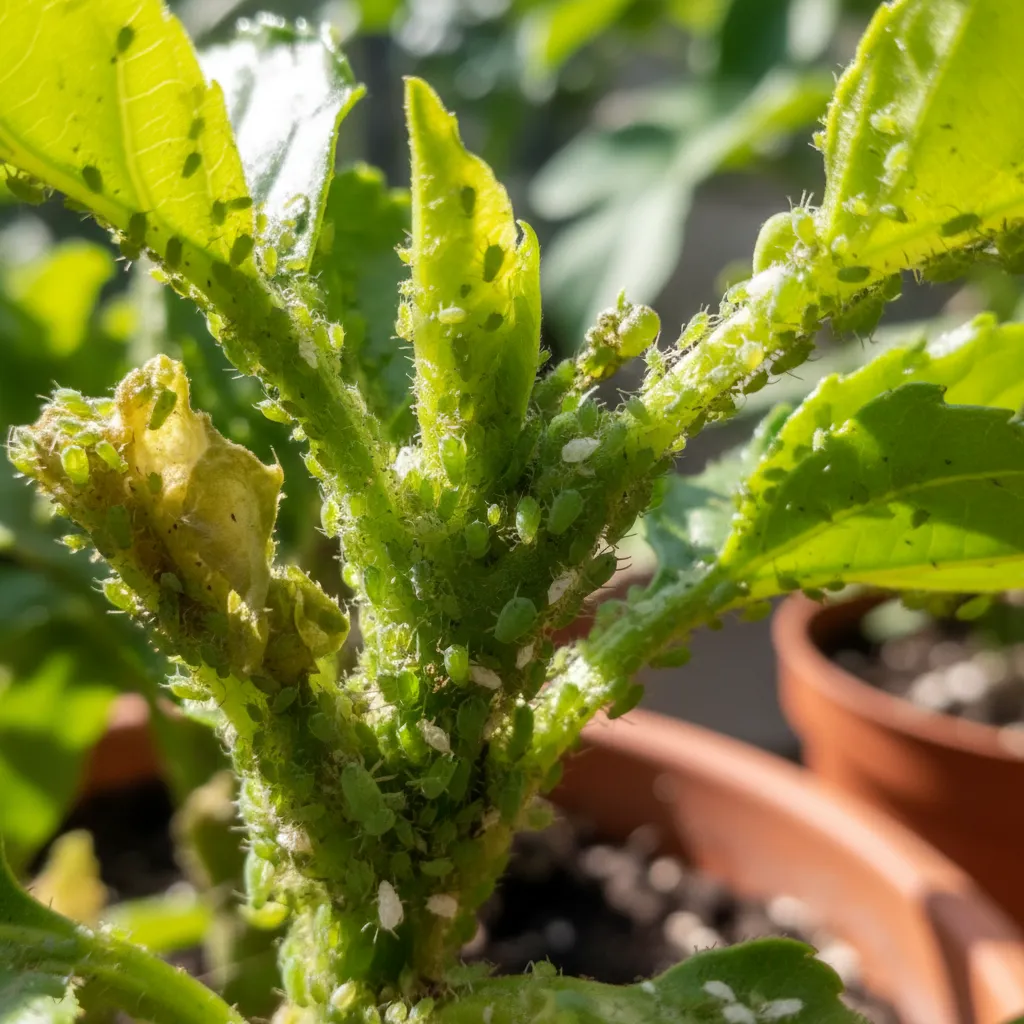
- ✓Pest and Disease Management — Generally robust, but watch for common pests like scale insects and aphids, and diseases like camellia petal blight.
Reviewed by the Flora Medical Global Botanical Review Panel
Multi-disciplinary editorial group · Botany · Ethnobotany · Herbal-medicine literature
Who reviewed this: This page was checked by the Flora Medical Global Botanical Review Panel — an in-house editorial group of botany graduates, ethnobotany researchers, and horticulture practitioners who collectively maintain our 7,000+ plant encyclopedia. Meet the team.
Our 4-step verification process
1. Taxonomic verification
Scientific names and synonyms cross-checked against Kew POWO, World Flora Online, and The Plant List.
2. Phytochemical & medicinal cross-reference
Active compounds, traditional uses, and reported activities are cross-referenced with PubMed, USDA Dr. Duke's database, and peer-reviewed ethnobotanical literature.
3. Conservation & distribution check
Distribution, ecology, and conservation status confirmed against GBIF occurrence records and the IUCN Red List.
4. Editorial & safety review
Every entry passes an editorial pass for clarity, originality, and safety notices (toxicity, contraindications, dosage caveats) before publication.
Last reviewed:
Important medical disclaimer: This content is for educational and research purposes only. It is not medical advice and is not a substitute for consultation with a licensed healthcare provider. Do not use any herb to self-treat a medical condition without professional guidance.
Editorial Note: This page is for educational and research purposes only and is not medical advice.
Written by: Flora Medical Global Editorial Team
Reviewed by: Flora Medical Global Botanical Review Panel
Last Updated: June 15, 2026





Camellia Garden — Comments & Community Reviews
Rate this plant