


Medical Disclaimer: This content is for educational purposes only. It is not medical advice. Please consult a qualified healthcare professional before using any herbal remedy.
Safety Overview
1.Camellia Sasanqua — Botanical Snapshot
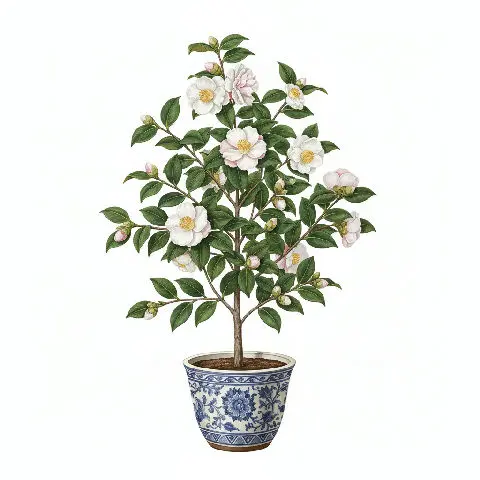
Camellia sasanqua, commonly known as Sasanqua Camellia, is an elegant evergreen shrub or small tree indigenous to the southern regions of Japan, including Shikoku, Kyushu, and Okinawa. This captivating member of the Theaceae family, which also includes the ubiquitous tea plant (Camellia sinensis), is cherished globally for its ornamental beauty and practical utility. Unlike its more widely recognized relative, Camellia japonica, C.
sasanqua exhibits a more graceful, open growth habit, typically reaching heights of 3 to 6 meters. Its foliage consists of smaller, thinner leaves that are often finely serrated, displaying a distinct glossy sheen. The plant's most striking feature is its profusion of delicate, often fragrant flowers, which grace gardens from autumn through early winter, typically October to January.
These blooms range in color from pristine white to various shades of pink and red, providing vital color when many other plants have receded.
Historically, the seeds of Camellia sasanqua have been a significant source of 'sasanqua oil' or 'tsubaki oil' in Japan. This prized oil, rich in oleic acid, has been extensively utilized for centuries in traditional Japanese cosmetics as a potent hair conditioner and skin moisturizer, as well as for culinary purposes and as lamp oil.
Botanically, it thrives in well-drained, acidic soils and prefers conditions ranging from dappled shade to full sun, provided it receives adequate moisture. Modern scientific inquiry has begun to unravel the complex phytochemistry of Camellia sasanqua, identifying a diverse array of compounds, including flavonoids, triterpenes, and polyphenols, which underpin its traditional applications and hint at a spectrum of potential pharmacological activities, particularly antioxidant and anti-inflammatory properties.
Trusted Scientific References
1. Authoritative external sources for Camellia sasanqua
1.1 Wikipedia — Camellia sasanqua
1.2 Kew POWO (Plants of the World Online)
1.3 PubMed — peer-reviewed research
1.4 NCBI Taxonomy Browser
1.5 GBIF — Global Biodiversity
1.1.Camellia Sasanqua — Notable Characteristics
- ✓Botanical Name — Camellia sasanqua.
- ✓Family — Theaceae.
- ✓Native Region — Southern Japan (Shikoku, Kyushu, Okinawa).
- ✓Bloom Season — Autumn to early winter (October-January).
- ✓Flower Colors — White, pink, and various shades of red.
- ✓Key Product — Sasanqua seed oil, also known as Japanese Tsubaki oil.
- ✓Primary Constituents — High in oleic acid, flavonoids, and polyphenols.
- ✓Main Applications — Cosmetics (skin and hair care), traditional cooking, and ornamental gardening.
- ✓Growth Habit — Evergreen shrub or small tree with a graceful, open form.
- ✓Soil Preference — Acidic, well-drained, and rich in organic matter.
1.2.Camellia Sasanqua — In Brief
- ✓Sasanqua Camellia — An elegant evergreen shrub native to Japan, celebrated for its vibrant autumn and winter blooms.
- ✓Traditional Uses — Its seed oil, known as tsubaki oil, has been historically valued for cosmetics, culinary applications, and as lamp oil.
- ✓Rich Phytochemistry — Contains a beneficial array of compounds including oleic acid, flavonoids, triterpenes, and polyphenols.
- ✓Key Benefits — Offers significant antioxidant, anti-inflammatory, and moisturizing properties, particularly for skin and hair health.
- ✓Cultivation — Thrives in well-drained, acidic soils with dappled shade, requiring consistent moisture.
- ✓Safety Profile — Seed oil is generally safe for external and culinary use; internal medicinal use of extracts warrants professional consultation.
2.Camellia Sasanqua — Nomenclature & Classification
3.Camellia Sasanqua — Fact Sheet
4.Camellia Sasanqua — Physical Description
5.Camellia Sasanqua — Origin & Spread
6.Camellia Sasanqua — Traditional Uses
7.Camellia Sasanqua — Chemical Profile
- ✓Flavonoids — Key compounds like quercetin, kaempferol, and their glycosides contribute significantly to the plant's potent antioxidant and anti-inflammatory actions.
- ✓Triterpenes — Including various saponins and ursolic acid, these compounds are recognized for their anti-inflammatory, hepatoprotective, and potential anti-cancer activities.
- ✓Polyphenols — Catechins (like epigallocatechin gallate), gallic acid, and other phenolic acids are powerful antioxidants that combat oxidative stress and cellular damage.
- ✓Fatty Acids — The seed oil is notably rich in oleic acid (a monounsaturated fatty acid), along with linoleic acid (a polyunsaturated essential fatty acid), crucial for skin health and cardiovascular support.
- ✓Tocopherols (Vitamin E) — Natural antioxidants found in the seed oil that protect against lipid peroxidation and contribute to skin health and product stability.
- ✓Saponins — Triterpenoid glycosides present in both seeds and leaves, known for their emulsifying properties and potential to reduce cholesterol absorption and exhibit anti-inflammatory effects.
- ✓Sterols — Such as beta-sitosterol, which may contribute to the oil's potential for cholesterol-lowering and anti-inflammatory benefits.
- ✓Carotenoids — Pigments like beta-carotene are present, acting as antioxidants and precursors to Vitamin A.
- ✓Volatile Compounds — Contribute to the characteristic delicate fragrance of the flowers, although less studied for direct medicinal properties.
- ✓Amino Acids — Present in the leaves and seeds, providing nutritional value and supporting cellular functions.
- ✓Minerals — Trace elements essential for various physiological processes are found in the plant tissues.
8.Camellia Sasanqua — Scientific Evidence
- ✓Antioxidant Properties — Rich in polyphenols and flavonoids, Camellia sasanqua extracts effectively scavenge free radicals, protecting cells from oxidative damage.
- ✓Anti-inflammatory Effects — Specific triterpenes and other compounds in the plant have demonstrated the ability to modulate inflammatory pathways, potentially reducing swelling and discomfort.
- ✓Skin Health Support — The seed oil, high in oleic acid, acts as an excellent emollient, deeply moisturizing the skin, enhancing its barrier function, and offering anti-aging benefits.
- ✓Hair Conditioning and Shine — Traditionally used, Camellia sasanqua oil nourishes hair follicles, improves hair texture, adds luster, and helps prevent breakage and dryness.
- ✓Cardiovascular Health — The high content of monounsaturated fatty acids, particularly oleic acid, in the seed oil may contribute to maintaining healthy cholesterol levels and supporting heart function.
- ✓Antimicrobial Activity — Certain extracts have shown inhibitory effects against various bacteria and fungi, suggesting potential for topical antiseptic applications.
- ✓Metabolic Regulation — Preliminary studies indicate that some Camellia sasanqua constituents may influence glucose and lipid metabolism, offering potential benefits for metabolic balance.
- ✓Hepatoprotective Potential — Compounds like triterpenes may help protect liver cells from damage caused by toxins or oxidative stress, supporting liver detoxification.
- ✓Anti-Obesity Effects — Research suggests certain extracts could help regulate fat accumulation and metabolism, contributing to weight management strategies.
- ✓Neuroprotective Properties — Flavonoids and other antioxidants may offer protective effects against neuronal damage, supporting cognitive health and reducing neuroinflammation.
- ✓Immune System Modulation — Components within the plant may help to balance and support immune responses, contributing to overall well-being.
- ✓Wound Healing — Traditional applications and some research suggest that topical use of the oil or extracts may aid in the minor wound healing process due to its soothing and protective qualities.
8.1.Camellia Sasanqua — Reported Uses
9.Camellia Sasanqua — Cautions & Contraindications
9.1.Camellia Sasanqua — Warnings
- ✓Allergic Reactions — Some individuals may experience skin irritation, redness, or allergic dermatitis from topical application of the oil or extracts.
- ✓Gastrointestinal Upset — Ingesting large quantities of leaf extracts might rarely cause mild nausea, stomach discomfort, or diarrhea.
- ✓Photosensitivity — While uncommon, certain plant compounds could theoretically increase skin sensitivity to sunlight in susceptible individuals.
- ✓Drug Interactions — Potential interactions with anticoagulant medications or blood sugar-lowering drugs due to the plant's constituents, requiring caution.
- ✓Contamination Risk — Products not properly sourced or processed may contain residues of pesticides, heavy metals, or other undesirable contaminants.
- ✓Pregnancy and Lactation — Insufficient safety data exists for medicinal use during pregnancy or breastfeeding; professional consultation is advised.
- ✓Children — The safety of medicinal extracts in children has not been established, and use should be avoided without expert medical guidance.
9.2.Camellia Sasanqua — Toxicity Assessment
- ✓Generally Recognized as Safe (GRAS) — Camellia sasanqua seed oil is considered safe for cosmetic and traditional culinary use.
- ✓Patch Test Recommended — Always perform a small patch test on a discreet area of skin before widespread topical application to assess for allergic reactions.
- ✓Quality Sourcing is Crucial — Ensure that all Camellia sasanqua products, especially oils and extracts, are obtained from reputable suppliers to guarantee purity and minimize contaminant risks.
- ✓Consult Healthcare Professional — Seek advice from a qualified healthcare practitioner before using Camellia sasanqua for medicinal purposes, particularly if pregnant, breastfeeding, or managing existing health conditions.
- ✓Avoid Excessive Doses — Adhere strictly to recommended dosages for any prepared extracts or supplements to prevent potential adverse effects.
- ✓External Use Predominant — While the seed oil is consumed, leaf and flower extracts are primarily intended for external or cosmetic applications rather than internal medicinal use.
- ✓Proper Storage — Store Camellia sasanqua oil and extracts in cool, dark, airtight containers to prevent oxidation, maintain stability, and prolong shelf life.
10.Camellia Sasanqua — Usage Guide
- ✓Topical Oil Application — Camellia sasanqua seed oil is directly applied to the skin as a moisturizer, facial oil, or body oil, and massaged into hair and scalp for conditioning.
- ✓Culinary Oil — Cold-pressed sasanqua oil can be used in cooking and salad dressings, similar to olive oil, owing to its high oleic acid content and mild flavor.
- ✓Herbal Infusions/Teas — While less common than Camellia sinensis, dried leaves can be steeped to create a mild, antioxidant-rich herbal tea.
- ✓Cosmetic Formulations — Extracts from the leaves, flowers, and the seed oil are incorporated into a wide range of cosmetic products, including creams, lotions, serums, and shampoos.
- ✓Aromatic Uses — Infusions of the flowers can be used in bath preparations for their soothing properties and delicate fragrance.
- ✓Traditional Lamp Oil — Historically, the seed oil served as a clean-burning fuel for traditional Japanese lamps.
- ✓Poultices and Compresses — Crushed fresh leaves or floral parts, when traditionally applied as a poultice, may help soothe minor skin irritations or bruises.
- ✓Dietary Supplements — Standardized extracts, although less commercially prevalent for C. sasanqua than for C. sinensis, could theoretically be encapsulated for internal benefits.
11.Camellia Sasanqua — How to Grow
- ✓Climate — Camellia sasanqua thrives in temperate to subtropical climates, typically hardy in USDA Zones 7-9, requiring protection from harsh freezes.
- ✓Soil — Prefers well-drained, consistently moist, and acidic soil with a pH between 5.5 and 6.5, enriched with ample organic matter.
- ✓Light — Ideal conditions include dappled shade to full sun; morning sun with afternoon shade is particularly beneficial to prevent leaf scorch in hot climates.
- ✓Watering — Requires regular and consistent watering, especially during dry spells and establishment, but avoid waterlogging which can lead to root rot.
- ✓Fertilization — Apply a slow-release, acid-forming fertilizer specifically formulated for camellias in early spring, following package instructions.
- ✓Pruning — Minimal pruning is generally needed; focus on removing dead, damaged, or crossing branches after the plant finishes flowering to maintain shape and health.
- ✓Propagation — Can be propagated from semi-hardwood cuttings taken in summer or by seed, though seed germination can be slow and variable.
- ✓Pests and Diseases — Generally robust, but monitor for common camellia pests like scale insects and aphids, and fungal issues such as petal blight in humid conditions.
Reviewed by the Flora Medical Global Botanical Review Panel
Multi-disciplinary editorial group · Botany · Ethnobotany · Herbal-medicine literature
Who reviewed this: This page was checked by the Flora Medical Global Botanical Review Panel — an in-house editorial group of botany graduates, ethnobotany researchers, and horticulture practitioners who collectively maintain our 7,000+ plant encyclopedia. Meet the team.
Our 4-step verification process
1. Taxonomic verification
Scientific names and synonyms cross-checked against Kew POWO, World Flora Online, and The Plant List.
2. Phytochemical & medicinal cross-reference
Active compounds, traditional uses, and reported activities are cross-referenced with PubMed, USDA Dr. Duke's database, and peer-reviewed ethnobotanical literature.
3. Conservation & distribution check
Distribution, ecology, and conservation status confirmed against GBIF occurrence records and the IUCN Red List.
4. Editorial & safety review
Every entry passes an editorial pass for clarity, originality, and safety notices (toxicity, contraindications, dosage caveats) before publication.
Last reviewed:
Important medical disclaimer: This content is for educational and research purposes only. It is not medical advice and is not a substitute for consultation with a licensed healthcare provider. Do not use any herb to self-treat a medical condition without professional guidance.
Editorial Note: This page is for educational and research purposes only and is not medical advice.
Written by: Flora Medical Global Editorial Team
Reviewed by: Flora Medical Global Botanical Review Panel
Last Updated: June 15, 2026





Camellia Sasanqua — Comments & Community Reviews
Rate this plant