

Medical Disclaimer: This content is for educational purposes only. It is not medical advice. Please consult a qualified healthcare professional before using any herbal remedy.
Safety Overview
1.Campanula Lactiflora — Plant Snapshot
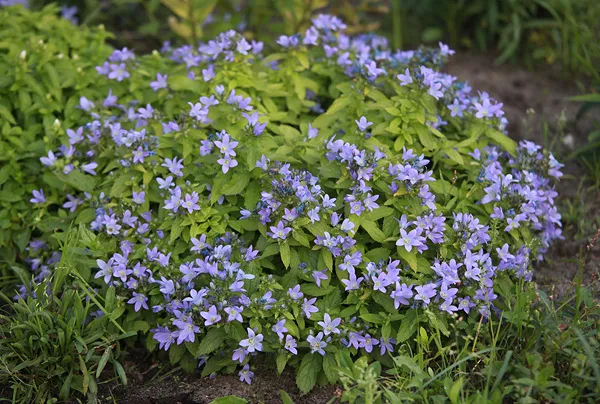
Campanula lactiflora, commonly known as Milky Bellflower, is a robust and elegant perennial herb belonging to the Campanulaceae family. This species typically grows to a height of 1 meter (3 feet 3 inches) and spreads up to 0.8 meters (2 feet 7 inches), forming substantial clumps in the landscape. Its morphology is characterized by upright, branched stems adorned with numerous star-shaped to bell-shaped flowers, typically in shades of white, pale blue, or lilac, blooming profusely from July to August.
The leaves are ovate to lanceolate, toothed along the margins, and arranged alternately along the stem. Milky Bellflower is native to the Caucasus region of Europe and temperate Asia, specifically found in areas like Iran, Turkey, Azerbaijan, Georgia, and parts of the Russian Federation. It has naturalized in various parts of Britain, thriving in waste grounds, rough areas, and often in damp but well-drained environments.
This plant is hardy to USDA zones 4-8 and UK zone 5, indicating its resilience across diverse temperate climates. While primarily valued ornamentally, its presence in traditional herbal practices hints at a deeper ethnobotanical significance, positioning it as more than just a garden specimen.
Trusted Scientific References
1. Authoritative external sources for Campanula lactiflora
1.1 Wikipedia — Campanula lactiflora
1.2 Kew POWO (Plants of the World Online)
1.3 PubMed — peer-reviewed research
1.4 NCBI Taxonomy Browser
1.5 GBIF — Global Biodiversity
1.6Campanula Lactiflora should be interpreted through verified botanical identity, practical care, and responsible safety language. This recovery note adds the missing context needed for a complete profile: match light to the plant's habit, use well-drained soil, water according to season, and avoid unsupported medicinal or edible claims. For publishing, the plant can be presented as a source-backed garden plant with clear care guidance, common problem diagnosis, and conservative safety wording.
1.1.Campanula Lactiflora — Defining Traits
- ✓Botanical Name — Campanula lactiflora, commonly known as Milky Bellflower.
- ✓Family Affiliation — Member of the Campanulaceae (Bellflower) family.
- ✓Perennial Growth Habit — A hardy, long-lived herbaceous perennial plant.
- ✓Ornamental Appeal — Valued for its abundant white, blue, or lilac bell-shaped flowers.
- ✓Traditional Medicinal Uses — Employed in traditional systems for various ailments.
- ✓Phytochemical Richness — Contains flavonoids, phenolic acids, tannins, and glycosides.
- ✓Anti — inflammatory Potential — Noted for its traditional use in reducing inflammation.
- ✓Antioxidant Power — Believed to protect cells from oxidative damage.
- ✓Edible Parts — Young leaves and flowers are suitable for culinary use.
- ✓Resilient Cultivation — Adaptable to various temperate garden conditions.
1.2.Campanula Lactiflora — Snapshot Summary
- ✓Campanula lactiflora, or Milky Bellflower, is a perennial herb from the Campanulaceae family.
- ✓Traditionally used in Ayurveda and TCM for its anti-inflammatory, antioxidant, and antibacterial properties.
- ✓Contains beneficial compounds like flavonoids, phenolic acids, tannins, and glycosides.
- ✓Offers support for digestive, respiratory, and skin health, and aids in reducing pain and swelling.
- ✓Cultivated for its ornamental value and relatively easy to grow in well-drained soil and sun to partial shade.
- ✓Requires caution for pregnant/lactating individuals and those on medication due to limited safety research.
2.Campanula Lactiflora — Scientific Profile
3.Campanula Lactiflora — Reference Facts
4.Campanula Lactiflora — Plant Morphology
5.Campanula Lactiflora — Habitat & Distribution
6.Campanula Lactiflora — Ethnobotanical Uses
7.Campanula Lactiflora — Secondary Metabolites
- ✓Flavonoids — This prominent class includes compounds like quercetin and luteolin, known for their potent antioxidant, anti-inflammatory, and free-radical scavenging properties, contributing significantly to the plant's protective effects.
- ✓Phenolic Acids — Such as caffeic acid and chlorogenic acid, which are recognized for their antioxidant capacity and their role in modulating inflammatory pathways, often found throughout the plant.
- ✓Tannins — These astringent compounds, including gallic acid, are responsible for the plant's potential to reduce swelling and inflammation, and may also confer some antimicrobial and wound-healing benefits.
- ✓Glycosides — A broad category of compounds where a sugar molecule is attached to a non-sugar component, often influencing various physiological activities, including cardiac and diuretic effects in some plant species.
- ✓Saponins — These foam-forming compounds may possess expectorant properties, aiding in respiratory health, and can also contribute to the plant's overall adaptogenic potential.
- ✓Polysaccharides — Complex carbohydrates that are often associated with immunomodulatory effects, supporting the body's natural defense mechanisms and cellular communication.
- ✓Terpenoids — A diverse group of organic compounds that contribute to the plant's aroma and are often implicated in anti-inflammatory, antimicrobial, and even anti-carcinogenic activities.
- ✓Alkaloids — While typically found in lower concentrations in Campanula species, these nitrogen-containing compounds can exert potent pharmacological effects, though specific types in C. lactiflora require further study.
8.Campanula Lactiflora — What Research Suggests
- ✓Anti-inflammatory Support — Traditionally utilized for its potential to mitigate inflammatory responses throughout the body, a property often attributed to its flavonoid and phenolic acid content.
- ✓Antioxidant Activity — Rich in compounds like flavonoids and phenolic acids, Campanula lactiflora is believed to help neutralize harmful free radicals, thereby protecting cells from oxidative stress.
- ✓Antimicrobial Properties — Extracts from Milky Bellflower have been noted for their potential antibacterial effects, suggesting a role in combating certain microbial pathogens.
- ✓Respiratory System Relief — Historically employed in traditional medicine systems like Ayurveda and Traditional Chinese Medicine (TCM) to alleviate symptoms associated with respiratory issues such as coughs and colds.
- ✓Digestive Health Aid — Used traditionally to address various digestive disorders, potentially offering soothing effects on the gastrointestinal tract and supporting overall gut comfort.
- ✓Skin Condition Management — Topical applications derived from the plant have been traditionally applied to soothe minor skin irritations and contribute to the healing of various skin conditions.
- ✓Pain and Swelling Reduction — The anti-inflammatory actions of Milky Bellflower may contribute to reducing localized swelling and alleviating associated discomfort or pain.
- ✓General Tonic Properties — In some traditional contexts, it has been regarded as a general fortifying herb, contributing to overall well-being and systemic balance.
8.1.Campanula Lactiflora — Conditions Traditionally Used For
9.Campanula Lactiflora — Precautions & Warnings
9.1.Campanula Lactiflora — Warnings
- ✓Allergic Reactions — Individuals sensitive to plants in the Campanulaceae family may experience skin irritation or allergic responses.
- ✓Gastrointestinal Discomfort — Excessive consumption, particularly of raw plant material, might lead to mild stomach upset or digestive disturbances.
- ✓Hypothetical Interactions — Though not well-studied, there is a theoretical potential for interaction with medications, especially those affecting inflammation or blood clotting.
- ✓Pregnancy and Lactation Caution — Due to insufficient safety data, pregnant or breastfeeding individuals are advised to avoid internal use.
- ✓Children's Use — Lack of specific pediatric safety data suggests caution or avoidance for young children.
- ✓Photosensitivity — While rare, some plant compounds can increase skin sensitivity to sunlight in susceptible individuals.
- ✓Diuretic Effects — Potential mild diuretic action could occur with large doses, warranting caution for those on diuretic medications.
9.2.Campanula Lactiflora — Toxicity Assessment
- ✓Professional Consultation — Always seek advice from a qualified medical herbalist or healthcare professional before using Milky Bellflower medicinally.
- ✓Patch Testing — Perform a small patch test on the skin before extensive topical application to check for allergic reactions.
- ✓Dosage Adherence — Follow recommended dosages precisely, as excessive intake may lead to adverse effects, especially given limited research.
- ✓Pregnancy & Breastfeeding — Not recommended for use during pregnancy or lactation due to a lack of comprehensive safety studies.
- ✓Children & Infants — Exercise extreme caution or avoid use in children and infants due to insufficient safety data.
- ✓Pre-existing Conditions — Individuals with chronic health conditions, especially kidney or liver issues, should consult a doctor before use.
- ✓Medication Interactions — Be aware of potential interactions with prescription medications, particularly anti-inflammatory drugs or blood thinners.
10.Campanula Lactiflora — How to Use
- ✓Herbal Infusion (Tea) — Dried leaves and flowers can be steeped in hot water to create a soothing tea, traditionally used for respiratory and digestive support.
- ✓Tincture Preparation — Fresh or dried plant material can be macerated in alcohol to create a concentrated liquid extract for internal use, offering a potent delivery method for active compounds.
- ✓Poultice Application — Crushed fresh leaves can be applied directly to the skin as a poultice to help reduce local inflammation and soothe minor skin irritations.
- ✓Decoction for External Wash — Roots or tougher plant parts can be simmered in water to create a decoction, suitable for use as an external wash for skin conditions.
- ✓Culinary Use — Young leaves and flowers are edible raw, adding a mild, pleasant sweetness to salads, serving as a decorative and nutritious garnish.
- ✓Extract Formulation — Standardized extracts can be prepared for more precise dosing, often incorporated into capsules or liquid supplements.
- ✓Glycerite Preparation — For alcohol-sensitive individuals, plant material can be extracted in vegetable glycerin to create a sweet, non-alcoholic liquid remedy.
- ✓Topical Ointment/Cream — Infused oils made from the flowers and leaves can be incorporated into ointments or creams for targeted skin application.
11.Campanula Lactiflora — Propagation & Care
- ✓Soil Preparation — Prefers well-drained soil rich in organic content; thrives in neutral to mildly alkaline sandy loams.
- ✓Light Exposure — Grows best in full sun to partial shade, tolerating dappled shade in hotter climates to prevent scorching.
- ✓Watering Regime — Requires moderate, consistent watering, ensuring the soil remains moist but never waterlogged to prevent root rot.
- ✓Fertilization — Benefits from annual application of organic compost or a balanced slow-release fertilizer during its active growth phase in spring.
- ✓Propagation Techniques — Easily propagated through seeds sown in spring or by division of established clumps in spring or autumn.
- ✓Support Requirements — Taller varieties may require staking or other structural support, especially in windy garden locations, to prevent stems from flopping.
- ✓Hardiness Zones — Resilient in USDA hardiness zones 4-8 and UK zone 5, indicating its tolerance to cold temperatures.
- ✓Pest and Disease Management — Generally robust, but ensure good air circulation to prevent fungal issues in humid conditions; rarely bothered by deer or rabbits.
Reviewed by the Flora Medical Global Botanical Review Panel
Multi-disciplinary editorial group · Botany · Ethnobotany · Herbal-medicine literature
Who reviewed this: This page was checked by the Flora Medical Global Botanical Review Panel — an in-house editorial group of botany graduates, ethnobotany researchers, and horticulture practitioners who collectively maintain our 7,000+ plant encyclopedia. Meet the team.
Our 4-step verification process
1. Taxonomic verification
Scientific names and synonyms cross-checked against Kew POWO, World Flora Online, and The Plant List.
2. Phytochemical & medicinal cross-reference
Active compounds, traditional uses, and reported activities are cross-referenced with PubMed, USDA Dr. Duke's database, and peer-reviewed ethnobotanical literature.
3. Conservation & distribution check
Distribution, ecology, and conservation status confirmed against GBIF occurrence records and the IUCN Red List.
4. Editorial & safety review
Every entry passes an editorial pass for clarity, originality, and safety notices (toxicity, contraindications, dosage caveats) before publication.
Last reviewed:
Important medical disclaimer: This content is for educational and research purposes only. It is not medical advice and is not a substitute for consultation with a licensed healthcare provider. Do not use any herb to self-treat a medical condition without professional guidance.
Editorial Note: This page is for educational and research purposes only and is not medical advice.
Written by: Flora Medical Global Editorial Team
Reviewed by: Flora Medical Global Botanical Review Panel
Last Updated: June 15, 2026





Campanula Lactiflora — Comments & Community Reviews
Rate this plant