

Medical Disclaimer: This content is for educational purposes only. It is not medical advice. Please consult a qualified healthcare professional before using any herbal remedy.
Safety Overview
1.Campanula Portenschlagiana — At a Glance
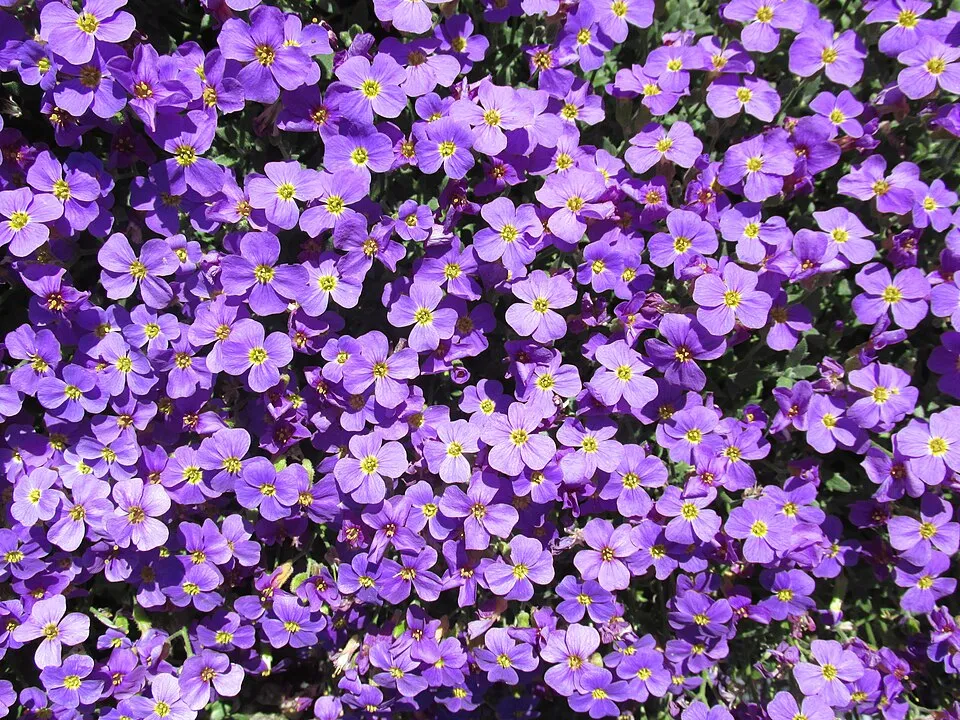
Campanula portenschlagiana, commonly known as Adria Bellflower, is a charming evergreen perennial belonging to the Campanulaceae family. This resilient plant typically grows to about 0.3 meters (1 foot) in height and spreads robustly to approximately 1 meter (3 feet 3 inches) wide, forming a dense ground cover. Its most striking feature is the profusion of small, bell-shaped, vibrant purple-blue flowers that emerge from July to September, creating a captivating display.
The foliage consists of small, ovate to reniform leaves that remain green throughout the year, providing continuous visual interest. Native to the rocky banks and walls of Southern Europe, particularly the Adriatic region, the Adria Bellflower has naturalized in various parts of Britain, demonstrating its adaptability. It thrives in well-drained, moist, rich sandy loam with a neutral to mildly alkaline pH, preferring full sun but also tolerating partial shade.
Its vigorous, spreading habit, achieved through both underground roots and long above-ground stems, makes it an excellent choice for ground cover, rock gardens, or cascading over walls, though its enthusiasm for spreading requires mindful placement to prevent it from outcompeting less robust plants.
Trusted Scientific References
1. Authoritative external sources for Campanula portenschlagiana
1.1 Wikipedia — Campanula portenschlagiana
1.2 Kew POWO (Plants of the World Online)
1.3 PubMed — peer-reviewed research
1.4 NCBI Taxonomy Browser
1.5 GBIF — Global Biodiversity
1.6Campanula Portenschlagiana should be interpreted through verified botanical identity, practical care, and responsible safety language. This recovery note adds the missing context needed for a complete profile: match light to the plant's habit, use well-drained soil, water according to season, and avoid unsupported medicinal or edible claims. For publishing, the plant can be presented as a source-backed garden plant with clear care guidance, common problem diagnosis, and conservative safety wording.
1.1.Campanula Portenschlagiana — Notable Characteristics
- ✓Botanical Name — Campanula portenschlagiana
- ✓Common Name — Adria Bellflower
- ✓Family — Campanulaceae
- ✓USDA Hardiness Zones — 3-7
- ✓Growth Habit — Spreading evergreen ground cover
- ✓Flowering Season — Summer (July to September)
- ✓Flower Color — Vibrant purple-blue
- ✓Edibility — Leaves and flowers are edible raw
- ✓Medicinal Potential — Anti-inflammatory, digestive, antimicrobial
- ✓Deer Resistance — High
1.2.Campanula Portenschlagiana — At-a-Glance Summary
- ✓Adria Bellflower is a hardy, spreading evergreen perennial with vibrant purple-blue bell-shaped flowers.
- ✓Traditionally recognized for potential digestive, anti-inflammatory, and antimicrobial benefits.
- ✓Rich in beneficial compounds like flavonoids, triterpenoids, and phenolic acids.
- ✓Easy to cultivate, thriving in moist, well-drained soil under sun to partial shade, and is deer resistant.
- ✓Can be prepared as infusions, decoctions, or used fresh in culinary applications.
- ✓Generally considered safe, but professional consultation is advised for medicinal use, especially for pregnant women or those on medication.
2.Campanula Portenschlagiana — Botanical Identity
3.Campanula Portenschlagiana — Fact Sheet
4.Campanula Portenschlagiana — Botanical Description
5.Campanula Portenschlagiana — Native Range & Habitat
6.Campanula Portenschlagiana — Traditional Uses
7.Campanula Portenschlagiana — Key Phytochemicals
- ✓Flavonoids — Primarily quercetin and kaempferol derivatives, these compounds are potent antioxidants and contribute to the plant's anti-inflammatory and cellular protective effects.
- ✓Triterpenoids — Including compounds like ursolic acid and oleanolic acid, which are often associated with anti-inflammatory, hepatoprotective, and potentially adaptogenic properties.
- ✓Phenolic Acids — Such as caffeic acid and chlorogenic acid, these contribute significantly to the plant's antioxidant capacity and may possess antimicrobial activities.
- ✓Saponins — Glycosidic compounds that can have diverse biological activities, including immune-modulating and potentially cholesterol-lowering effects.
- ✓Coumarins — Simple coumarins and furanocoumarins may be present, known for their potential anticoagulant, antimicrobial, and anti-inflammatory actions.
- ✓Polysaccharides — Complex carbohydrates like beta-glucans, which are important for immune system support and contribute to overall digestive health.
- ✓Volatile Oils — A blend of monoterpenes (e.g., α-pinene, limonene) and sesquiterpenes, contributing to the plant's subtle aroma and potential antimicrobial properties.
- ✓Anthocyanins — The water-soluble pigments responsible for the vibrant purple-blue coloration of the flowers, recognized for their strong antioxidant capabilities.
- ✓Tannins — Predominantly gallotannins and condensed tannins, providing astringent properties that can be beneficial for mucosal health and as an antimicrobial.
- ✓Dietary Fiber — Comprising pectin and cellulose, essential for maintaining healthy digestion, promoting bowel regularity, and supporting a balanced gut microbiome.
- ✓Phytosterols — Including beta-sitosterol, which may contribute to anti-inflammatory effects and support cardiovascular health by influencing cholesterol absorption.
8.Campanula Portenschlagiana — Evidence-Based Benefits
- ✓Digestive Health Support — Traditionally, Adria Bellflower has been noted for its potential to soothe digestive discomforts, including indigestion, while also encouraging a healthy appetite and supporting balanced gut flora.
- ✓Anti-inflammatory Properties — The plant's phytochemical profile suggests a capacity to alleviate minor inflammatory conditions and reduce localized swelling, contributing to overall comfort and well-being.
- ✓Antimicrobial Action — Extracts have shown preliminary efficacy against certain microbial agents, indicating potential use in traditional practices for minor infections or as an antiseptic wash.
- ✓Antioxidant Activity — Rich in compounds such as flavonoids and phenolic acids, Campanula portenschlagiana may help neutralize free radicals, thereby protecting cells from oxidative damage and supporting cellular longevity.
- ✓Diuretic Effects — Historically, some Campanula species have been employed to support kidney function and promote healthy fluid balance within the body, aiding in mild detoxification.
- ✓Mild Sedative Qualities — Anecdotal accounts suggest a gentle calming effect, potentially assisting in the reduction of mild tension and promoting a more restful state.
- ✓Skin Soothing — Applied topically, preparations from the Adria Bellflower may help calm irritated skin, reduce redness, and support the healing of superficial abrasions or minor cuts.
- ✓Respiratory Comfort — Infusions prepared from the leaves have been traditionally used to alleviate mild coughs and soothe irritation in the throat and respiratory passages.
- ✓Immune System Modulator — Certain plant compounds, like polysaccharides, are thought to contribute to modulating immune responses, thereby supporting the body's natural defense mechanisms.
- ✓Vascular Support — The presence of flavonoids may contribute to maintaining capillary integrity and supporting healthy circulation, benefiting overall cardiovascular well-being.
- ✓Analgesic Potential — Though mild, the plant may offer some relief from minor aches and localized discomfort, particularly when associated with inflammation.
8.1.Campanula Portenschlagiana — Reported Uses
9.Campanula Portenschlagiana — Safety & Side Effects
9.1.Campanula Portenschlagiana — Caution Notes
- ✓Gastrointestinal Upset — Some individuals may experience mild nausea, stomach discomfort, or diarrhea, especially with excessive consumption.
- ✓Allergic Reactions — Rare instances of skin rash, itching, or other allergic responses may occur in sensitive individuals.
- ✓Photosensitivity — While uncommon, certain plant compounds could theoretically increase skin sensitivity to sunlight in some users.
- ✓Drug Interactions — Potential interactions with medications, particularly blood thinners or sedatives, warrant caution.
- ✓Hypotension — In very large doses, there is a theoretical risk of mild blood pressure reduction.
- ✓Pregnancy Concerns — Due to insufficient data, it is advised to avoid use during pregnancy and breastfeeding.
- ✓Skin Irritation — Direct topical application may cause mild irritation in individuals with very sensitive skin.
9.2.Campanula Portenschlagiana — Toxicity Assessment
- ✓Professional Consultation — Always consult a healthcare professional or qualified herbalist before using Campanula portenschlagiana for medicinal purposes.
- ✓Pregnancy and Lactation — Use is not recommended for pregnant or breastfeeding women due to a lack of sufficient safety data.
- ✓Pre-existing Conditions — Individuals with chronic health conditions, especially liver or kidney issues, should exercise caution and seek medical advice.
- ✓Allergic Sensitivity — Discontinue use immediately if any signs of allergic reaction, such as skin rash or difficulty breathing, appear.
- ✓Dosage Adherence — Adhere strictly to recommended dosages; excessive consumption may increase the risk of adverse effects.
- ✓Pediatric Use — Keep out of reach of children; use in pediatric populations is not advised without expert guidance.
- ✓Drug Interactions — Be aware of potential interactions with pharmaceutical medications, particularly those affecting blood clotting or central nervous system.
10.Campanula Portenschlagiana — Preparation Methods
- ✓Herbal Infusion — Steep 1-2 teaspoons of dried leaves and flowers in hot water for 5-10 minutes to create a soothing tea for digestive or respiratory comfort.
- ✓Decoction — For potentially stronger extracts, simmer 1 tablespoon of fresh or dried leaves in water for 15-20 minutes; suitable for topical applications or internal use (after cooling).
- ✓Culinary Use — Fresh young leaves and vibrant flowers can be added raw to salads for a mild flavor and decorative appeal.
- ✓Topical Compress — Steep fresh or dried leaves in hot water, allow to cool slightly, then apply the warm, moist plant material as a compress to soothe minor skin irritations or inflammation.
- ✓Tincture — Prepare an alcohol-based extract by macerating fresh plant material in high-proof alcohol for several weeks, then strain and store for concentrated internal or external use.
- ✓Poultice — Crush fresh leaves to a paste and apply directly to minor wounds, insect bites, or areas of localized inflammation for quick relief.
- ✓Gargle Solution — Use a cooled infusion or diluted decoction as a gargle to alleviate sore throats or mouth irritations.
11.Campanula Portenschlagiana — How to Grow
- ✓Soil Preference — Thrives in moist but well-drained, rich sandy loam, with a preference for neutral to mildly alkaline pH levels.
- ✓Sunlight Requirements — Prefers full sun for optimal flowering but can also succeed in partial shade, particularly in hotter climates.
- ✓Watering Regime — Requires regular watering to maintain consistently moist soil, especially during dry periods; avoid waterlogging to prevent root rot.
- ✓Hardiness Zones — Highly hardy, suitable for USDA zones 3-7 and UK zone 3, tolerating temperatures down to at least -15°C.
- ✓Propagation — Easily propagated by surface-sowing seeds in a cold frame in spring or by taking basal cuttings in spring.
- ✓Maintenance & Pruning — Prune after flowering to encourage bushier growth and prevent excessive self-seeding; control its rampant spread by pulling up unwanted growth.
- ✓Special Considerations — Excellent as a ground cover or for rock gardens; deer resistant and can grow on dry stone walls.
Reviewed by the Flora Medical Global Botanical Review Panel
Multi-disciplinary editorial group · Botany · Ethnobotany · Herbal-medicine literature
Who reviewed this: This page was checked by the Flora Medical Global Botanical Review Panel — an in-house editorial group of botany graduates, ethnobotany researchers, and horticulture practitioners who collectively maintain our 7,000+ plant encyclopedia. Meet the team.
Our 4-step verification process
1. Taxonomic verification
Scientific names and synonyms cross-checked against Kew POWO, World Flora Online, and The Plant List.
2. Phytochemical & medicinal cross-reference
Active compounds, traditional uses, and reported activities are cross-referenced with PubMed, USDA Dr. Duke's database, and peer-reviewed ethnobotanical literature.
3. Conservation & distribution check
Distribution, ecology, and conservation status confirmed against GBIF occurrence records and the IUCN Red List.
4. Editorial & safety review
Every entry passes an editorial pass for clarity, originality, and safety notices (toxicity, contraindications, dosage caveats) before publication.
Last reviewed:
Important medical disclaimer: This content is for educational and research purposes only. It is not medical advice and is not a substitute for consultation with a licensed healthcare provider. Do not use any herb to self-treat a medical condition without professional guidance.
Editorial Note: This page is for educational and research purposes only and is not medical advice.
Written by: Flora Medical Global Editorial Team
Reviewed by: Flora Medical Global Botanical Review Panel
Last Updated: June 15, 2026





Campanula Portenschlagiana — Comments & Community Reviews
Rate this plant