

Medical Disclaimer: This content is for educational purposes only. It is not medical advice. Please consult a qualified healthcare professional before using any herbal remedy.
Safety Overview
1.Canchalagua — Essential Profile
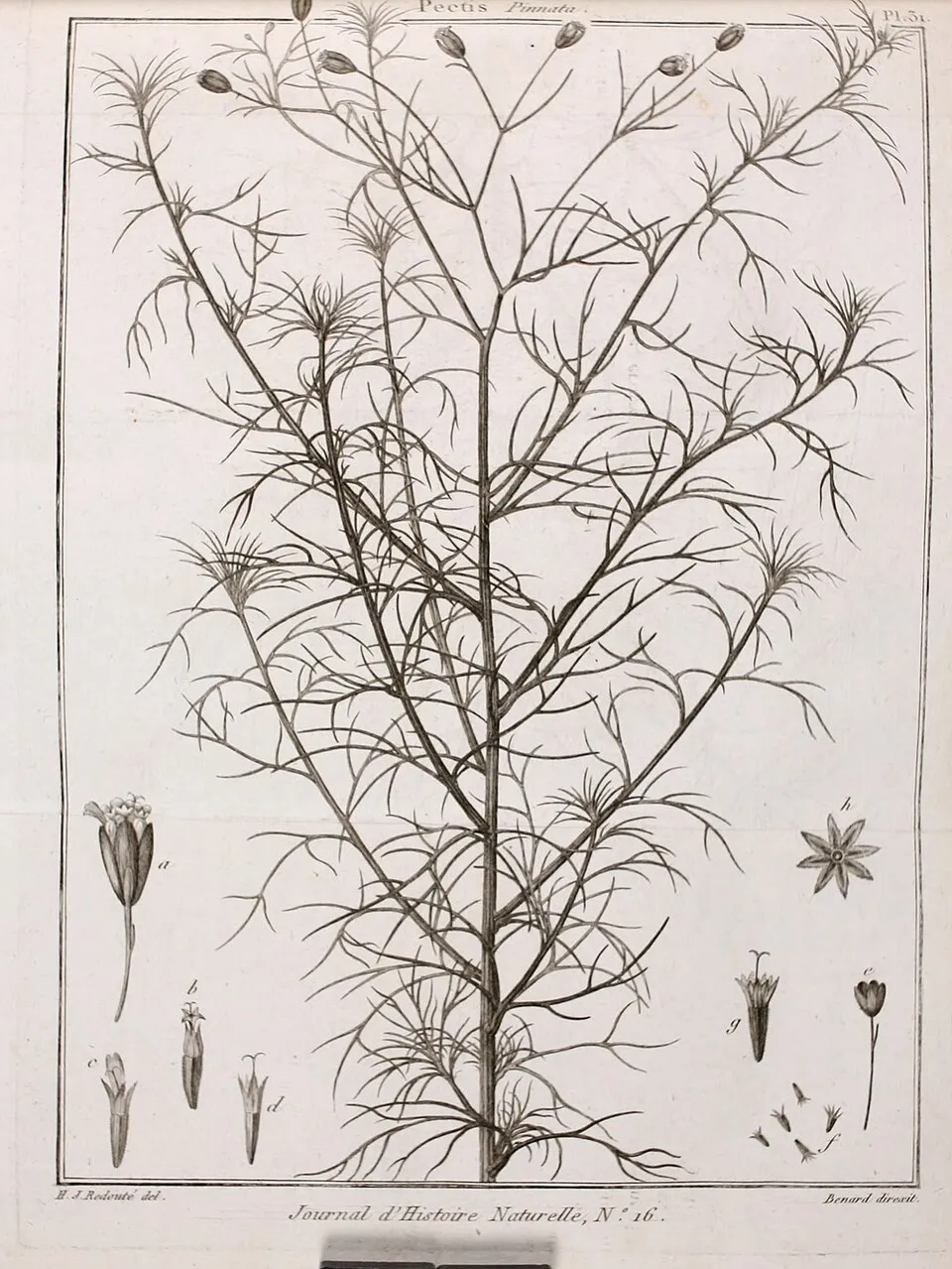
Canchalagua, scientifically designated Schkuhria pinnata, is an intriguing annual herbaceous plant belonging to the expansive Asteraceae family, a diverse group that also encompasses familiar species like daisies and sunflowers. This resilient and slender species typically attains a height ranging from a modest 10 to 70 centimeters. It is characterized by numerous airy, erect stems which exhibit a tendency to become more lignified, or woody, as the plant progresses through its life cycle.
Its foliage is composed of small, delicately pinnately divided leaves, contributing to a distinctively feathery or wispy visual texture. The plant's reproductive effort culminates in the production of tiny, yet abundant, bright yellow, daisy-like flower heads, which serve as a key morphological identifier.
Indigenous to the rugged Andean regions of South America, Canchalagua thrives particularly well within the inter-Andean valleys of Peru, Bolivia, and Chile. Its preferred habitats are diverse, spanning from high-altitude grasslands, often found between 2000 to 3000 meters above sea level, to disturbed agricultural lands, sun-drenched roadsides, and arid mountainous zones. This adaptability underscores its common classification as a 'weedy' species.
Beyond its native range, Schkuhria pinnata has successfully naturalized in various other global locales, including other Latin American countries, Mexico, extensive parts of Africa, and even specific areas within southern Arizona and Texas in the United States, where it has escaped cultivation and established itself as an annual weed, demonstrating its remarkable ecological plasticity. Taxonomically, it holds several synonyms, reflecting its widespread distribution and the historical efforts in its botanical classification.
Trusted Scientific References
1. Authoritative external sources for Schkuhria pinnata
1.1 Wikipedia — Schkuhria pinnata
1.2 Kew POWO (Plants of the World Online)
1.3 PubMed — peer-reviewed research
1.4 NCBI Taxonomy Browser
1.5 GBIF — Global Biodiversity
1.1.Canchalagua — Highlights
- ✓Andean Native Herb — Indigenous to high-altitude regions of South America.
- ✓Asteraceae Family Member — Related to daisies and sunflowers, known for tiny yellow flower heads.
- ✓Potent Blood Cleanser — Revered in traditional medicine as a depurative.
- ✓Anti — inflammatory Action — Contains compounds like costunolide.
- ✓Antimicrobial Properties — Active against fungi, yeasts, and some bacteria.
- ✓Digestive and Diuretic — Supports gut health and urinary function.
- ✓Antioxidant Rich — High in polyphenols, protecting against oxidative stress.
- ✓Skin Health Ally — Widely used for acne, eczema, and other dermatological issues.
- ✓Versatile Usage — Prepared as teas, capsules, and topical applications.
- ✓Weedy and Resilient — Adaptable to various disturbed habitats and altitudes.
1.2.Canchalagua — Snapshot Summary
- ✓Canchalagua (Schkuhria pinnata) is an Andean herb known for potent 'blood cleansing' properties.
- ✓Traditionally used for skin conditions like acne, eczema, and dermatitis.
- ✓Exhibits anti-inflammatory, antimicrobial, and antioxidant activities.
- ✓Supports digestive, urinary, and liver health, validated by research.
- ✓Contains active compounds such as sesquiterpene lactones and flavonoids.
- ✓Available as infusions, capsules, and topical applications.
2.Canchalagua — Scientific Identity
3.Canchalagua — Vital Statistics
4.Canchalagua — Botanical Description
5.Canchalagua — Origin & Spread
6.Canchalagua — Folk Medicine Applications
7.Canchalagua — Chemical Profile
- ✓Sesquiterpene Lactones — Key compounds like costunolide and zaluzanin C are responsible for significant anti-inflammatory, antispasmodic, and potentially anticancer activities by modulating cellular pathways.
- ✓Flavonoids — A diverse group of polyphenols including pectolinarigenin, contributing to antioxidant, anti-inflammatory, and antispasmodic effects.
- ✓Sulfur Compounds — Such as thiarubrine A and dithiin, known for their antimicrobial, particularly antifungal and antiparasitic, properties.
- ✓Germacranolides — A class of sesquiterpene lactones, including schkuhripinnatolides, contributing to the plant's diverse biological activities.
- ✓Heliangolides — Another type of sesquiterpene lactone, like chromolaenide and chromolaenolide, also implicated in anti-inflammatory responses.
- ✓Thiophenes — Compounds such as tridecapentayne, often associated with antimicrobial and insecticidal actions.
- ✓Polyphenols (General) — A broad category providing robust antioxidant, anti-inflammatory, and antimicrobial benefits, crucial for cellular protection and immune modulation.
- ✓Nerols — Terpenoid compounds that can contribute to the plant's aromatic profile and potentially possess mild antimicrobial or insect-repellent properties.
8.Canchalagua — Pharmacological Findings
- ✓Blood Cleansing (Depurative) — Traditionally revered for its ability to purify the bloodstream, aiding in the removal of toxins and metabolic waste products that can contribute to various systemic issues.
- ✓Anti-inflammatory Action — Contains compounds like costunolide and pectolinarigenin, which have demonstrated the ability to inhibit inflammatory pathways, potentially alleviating conditions such as dermatitis and rheumatism.
- ✓Antimicrobial Properties — Research indicates activity against certain fungi, yeasts (e.g., Candida), molds, and various bacterial strains, supporting its traditional use for infections.
- ✓Digestive Aid — Employed to ease nausea, soothe stomachaches, and reduce intestinal gas, promoting overall gastrointestinal comfort and function.
- ✓Diuretic Effect — Helps increase urine production, which supports kidney and urinary tract health, assisting in the elimination of excess fluids and toxins.
- ✓Antiparasitic Activity — Studies have shown efficacy against malaria parasites and other intestinal parasites, validating its traditional use in endemic regions.
- ✓Antioxidant Support — Rich in polyphenols, Canchalagua exhibits strong antioxidant actions, protecting cells from oxidative stress and free radical damage.
- ✓Wound Healing (Vulnerary) — Applied topically and taken internally to support the healing of skin lesions and improve capillary circulation to the skin.
- ✓Hypoglycemic Potential — Some active chemicals, such as costunolide, have been documented in studies to help lower blood sugar levels.
- ✓Antispasmodic Relief — Traditionally used to alleviate spasms, a property attributed in part to compounds like pectolinarigenin, which can relax smooth muscles.
- ✓Hepatoprotective Benefits — Shown in animal research to protect liver cells, likely due to its antioxidant and detoxifying properties.
- ✓Skin Condition Support — Valued for treating acne, eczema, and dermatitis, both internally by cleansing the blood and externally through topical application.
8.1.Canchalagua — Health Applications
9.Canchalagua — Cautions & Contraindications
9.1.Canchalagua — Side Effects & Warnings
- ✓Allergic Reactions — Individuals sensitive to the Asteraceae family may experience allergic reactions, including skin rashes or respiratory symptoms.
- ✓Gastrointestinal Upset — High doses may potentially lead to mild stomach discomfort, nausea, or diarrhea in some sensitive individuals.
- ✓Hypoglycemic Effect — Due to its blood sugar-lowering potential, individuals with diabetes should monitor glucose levels closely to avoid hypoglycemia.
- ✓Hypotensive Effect — While not extensively documented, some 'blood cleansing' herbs can influence blood pressure, warranting caution in those with hypotension.
- ✓Diuretic Interactions — Concurrent use with diuretic medications may amplify effects, potentially leading to electrolyte imbalances or dehydration.
- ✓Skin Sensitivity — Topical application may cause irritation in individuals with very sensitive skin, necessitating a patch test.
9.2.Canchalagua — Clinical Safety Notes
- ✓Pregnancy and Lactation — Due to insufficient safety data, Canchalagua should be avoided during pregnancy and breastfeeding.
- ✓Diabetes Management — Individuals with diabetes or those on blood sugar-lowering medications should use with caution and under medical supervision due to its hypoglycemic potential.
- ✓Anticoagulant Medications — As a 'blood cleanser' it may theoretically interact with blood-thinning medications; consult a healthcare professional.
- ✓Allergic History — Contraindicated for individuals with known allergies to plants in the Asteraceae family (e.g., ragweed, chamomile, marigolds).
- ✓Kidney or Liver Disease — While traditionally used for these organs, individuals with pre-existing severe kidney or liver conditions should consult a doctor before use.
- ✓Children and Infants — Not recommended for use in children or infants due to a lack of specific safety studies.
- ✓Professional Consultation — Always consult a qualified healthcare practitioner before starting any new herbal regimen, especially if on other medications or with underlying health conditions.
10.Canchalagua — Preparations & Uses
- ✓Herbal Infusion (Tea) — Prepare by steeping dried or fresh aerial parts in hot water, typically consumed three times daily for systemic benefits like blood cleansing and digestion.
- ✓Decoction — For tougher, dried plant material, a decoction involves simmering the herb in water for a longer period to extract active compounds, often used for internal remedies.
- ✓Encapsulated Powder — Dried and powdered plant material can be encapsulated, with a common dosage being 1-2 grams taken twice daily for convenient internal use.
- ✓Topical Application (Compress/Wash) — Infusions or decoctions can be cooled and applied externally as a wash or compress for skin conditions such as acne, eczema, and wounds.
- ✓Poultice — Fresh, crushed plant material can be applied directly to the skin as a poultice for localized inflammation, rashes, or minor injuries.
- ✓Fumigation/Insect Repellent — Dried and powdered Canchalagua is traditionally used to repel or kill fleas and lice in homes.
- ✓Digestive Aid Tea — A soothing tea specifically prepared to ease nausea, stomachaches, and promote overall digestive function.
- ✓Capillary Tonic — Used topically to enhance capillary circulation to the skin, benefiting conditions like blackheads and pimples.
11.Canchalagua — Cultivation & Care
- ✓Climate Preference — Thrives in dry, mountainous regions, often between 2000 to 3000 meters elevation, indicating a preference for cooler, arid conditions.
- ✓Soil Requirements — Highly adaptable, growing well in disturbed agricultural lands, roadsides, and arid zones, suggesting tolerance to poor or rocky soils.
- ✓Light Exposure — Requires full sun exposure to flourish, consistent with its native high-altitude and open habitat.
- ✓Water Needs — Drought-tolerant once established, reflecting its natural occurrence in drier environments; minimal supplemental irrigation is typically sufficient.
- ✓Propagation — Primarily propagated by seeds, as an annual plant, it readily self-seeds in favorable conditions.
- ✓Growth Cycle — An annual herb, completing its life cycle within one growing season, typically reaching maturity and flowering quickly.
- ✓Pest and Disease Resistance — Its 'weedy' nature and chemical constituents likely contribute to a degree of natural resistance to common pests and diseases.
Reviewed by the Flora Medical Global Botanical Review Panel
Multi-disciplinary editorial group · Botany · Ethnobotany · Herbal-medicine literature
Who reviewed this: This page was checked by the Flora Medical Global Botanical Review Panel — an in-house editorial group of botany graduates, ethnobotany researchers, and horticulture practitioners who collectively maintain our 7,000+ plant encyclopedia. Meet the team.
Our 4-step verification process
1. Taxonomic verification
Scientific names and synonyms cross-checked against Kew POWO, World Flora Online, and The Plant List.
2. Phytochemical & medicinal cross-reference
Active compounds, traditional uses, and reported activities are cross-referenced with PubMed, USDA Dr. Duke's database, and peer-reviewed ethnobotanical literature.
3. Conservation & distribution check
Distribution, ecology, and conservation status confirmed against GBIF occurrence records and the IUCN Red List.
4. Editorial & safety review
Every entry passes an editorial pass for clarity, originality, and safety notices (toxicity, contraindications, dosage caveats) before publication.
Last reviewed:
Important medical disclaimer: This content is for educational and research purposes only. It is not medical advice and is not a substitute for consultation with a licensed healthcare provider. Do not use any herb to self-treat a medical condition without professional guidance.
Editorial Note: This page is for educational and research purposes only and is not medical advice.
Written by: Flora Medical Global Editorial Team
Reviewed by: Flora Medical Global Botanical Review Panel
Last Updated: June 15, 2026
Canchalagua — Comments & Community Reviews
Rate this plant