


Medical Disclaimer: This content is for educational purposes only. It is not medical advice. Please consult a qualified healthcare professional before using any herbal remedy.
Safety Overview
1.Cantaloupe — At a Glance
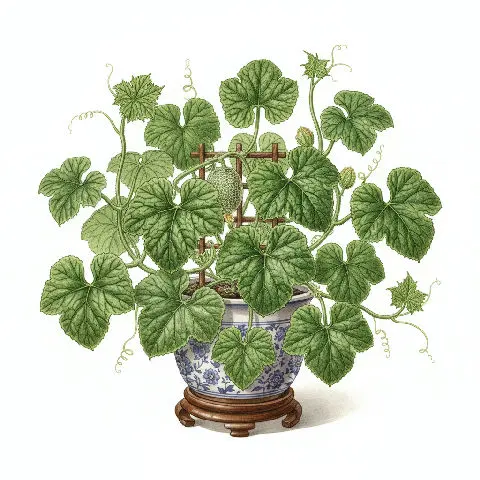
Cucumis melo, universally recognized as cantaloupe or muskmelon in American commerce, is a highly cultivated annual species within the diverse Cucurbitaceae family. This tender plant typically exhibits a sprawling, vine-like growth habit, with robust stems extending several meters, equipped with tendrils for climbing. Its leaves are broadly lobed, often featuring a rough, hirsute texture, and are arranged alternately along the stem. Cantaloupe plants are monoecious, producing separate male and female flowers on the same plant.
These fragrant, bright yellow blossoms attract a variety of pollinators, predominantly bees, crucial for fruit set. The fruit itself is renowned for its succulent, sweet, orange flesh, encased in a rind that can be smooth, distinctly netted, or ribbed depending on the specific cultivar. Optimal growth occurs in warm, frost-free climates with ample sunlight and prefers well-drained, fertile soil, ideally with a pH between 6.0 and 6.8. Harvested primarily in the summer and fall, a ripe cantaloupe is characterized by a distinct sweet aroma and a 'full slip' from the vine, indicating readiness.
Major cultivation regions include the United States (notably California, Arizona, Texas), Mediterranean countries, and various parts of Asia, where it contributes significantly to both agricultural economies and local food systems. Beyond its economic value, Cucumis melo also plays an agroecological role, with its extensive root system aiding in soil health and erosion control.
Trusted Scientific References
1. Authoritative external sources for Cucumis melo
1.1 Wikipedia — Cucumis melo
1.2 Kew POWO (Plants of the World Online)
1.3 PubMed — peer-reviewed research
1.4 NCBI Taxonomy Browser
1.5 GBIF — Global Biodiversity
1.6Cantaloupe should be interpreted through verified botanical identity, practical care, and responsible safety language. This recovery note adds the missing context needed for a complete profile: match light to the plant's habit, use well-drained soil, water according to season, and avoid unsupported medicinal or edible claims. For publishing, the plant can be presented as a source-backed garden plant with clear care guidance, common problem diagnosis, and conservative safety wording.
1.1.Cantaloupe — Highlights
- ✓Botanical Name — Cucumis melo.
- ✓Family — Cucurbitaceae.
- ✓Common Names — Cantaloupe, Muskmelon (US).
- ✓Edible Part — Sweet, aromatic, orange fruit flesh.
- ✓Primary Nutrients — Vitamins A (beta-carotene), C, and Potassium.
- ✓Growth Habit — Sprawling annual vine with tendrils.
- ✓Ripening Indicator — Distinct aroma and 'full slip' from the vine.
- ✓Culinary Uses — Fresh, salads, smoothies, desserts, savory dishes.
- ✓Health Benefits — Hydration, vision, immunity, digestion, heart health.
- ✓Cultivation — Requires warm climate, full sun, and well-drained soil.
1.2.Cantaloupe — In Brief
- ✓Hydrating and Nutrient-Rich — High water content, packed with essential Vitamins A (from beta-carotene) and C.
- ✓Antioxidant Powerhouse — Abundant in carotenoids and Vitamin C, offering robust cellular protection.
- ✓Digestive and Heart Health — Fiber promotes gut regularity, while potassium supports cardiovascular function.
- ✓Versatile Culinary Fruit — Ideal for fresh consumption, smoothies, salads, and creative desserts.
- ✓Essential Hygiene — Always thoroughly wash the rind before cutting to prevent microbial transfer.
- ✓Moderate Consumption Advised — Especially for individuals managing blood sugar or kidney conditions.
2.Cantaloupe — Scientific Identity
3.Cantaloupe — Vital Statistics
4.Cantaloupe — Physical Description
5.Cantaloupe — Ecological Habitat
6.Cantaloupe — Traditional Uses
7.Cantaloupe — Key Phytochemicals
- ✓Carotenoids — Predominantly beta-carotene (responsible for the orange color), along with smaller amounts of lutein and zeaxanthin, acting as powerful antioxidants and precursors to Vitamin A.
- ✓Vitamins — High concentrations of Vitamin C (ascorbic acid) for immune function and collagen synthesis, Vitamin A (derived from beta-carotene) for vision, and B vitamins like Folate (B9) for cell division.
- ✓Minerals — Rich in Potassium, essential for electrolyte balance and blood pressure regulation, and good sources of Magnesium, Calcium, Iron, and Zinc, supporting various metabolic functions.
- ✓Dietary Fiber — Contains both soluble and insoluble fibers, primarily pectin and cellulose, which are crucial for digestive health, promoting satiety, and regulating blood sugar levels.
- ✓Sugars — Natural simple sugars such as fructose, glucose, and sucrose contribute to the fruit's characteristic sweetness and provide readily available energy.
- ✓Phenolic Compounds — Includes various flavonoids and phenolic acids, which contribute to the fruit's antioxidant capacity and offer protective effects against oxidative stress.
- ✓Volatile Organic Compounds — A complex mixture of esters, aldehydes, and alcohols, such as ethyl acetate and methyl acetate, which are responsible for cantaloupe's distinct aromatic profile and flavor.
- ✓Water — Comprises approximately 90% of the fruit's weight, making it an exceptional source for hydration and contributing to its refreshing quality.
- ✓Amino Acids — Contains small but significant quantities of various amino acids, the building blocks of proteins, supporting general physiological processes.
8.Cantaloupe — Evidence-Based Benefits
- ✓Hydration Support — Cantaloupe’s exceptionally high water content, approximately 90%, makes it an excellent choice for maintaining optimal fluid balance and preventing dehydration, especially during warm weather or after physical activity.
- ✓Vision Health Enhancement — Rich in beta-carotene, a potent carotenoid and precursor to Vitamin A, cantaloupe is crucial for maintaining good eyesight, supporting retinal function, and protecting against age-related macular degeneration.
- ✓Skin Radiance Promotion — Abundant Vitamin C content in cantaloupe is vital for collagen synthesis, contributing to skin elasticity and a youthful appearance, while also protecting skin cells from oxidative damage caused by environmental factors.
- ✓Cardiovascular System Support — The significant potassium levels found in cantaloupe help regulate blood pressure by counteracting the effects of sodium, thus promoting healthy heart function and reducing the risk of cardiovascular diseases.
- ✓Digestive Regularity — With a good amount of dietary fiber, cantaloupe aids in promoting healthy bowel movements, preventing constipation, and supporting overall gut health by adding bulk to stool and facilitating its passage.
- ✓Immune System Fortification — The synergistic action of Vitamin C and other antioxidants in cantaloupe helps bolster the body’s immune defenses, protecting against common infections and enhancing the body’s ability to heal.
- ✓Antioxidant Defense — Beyond beta-carotene and Vitamin C, cantaloupe contains other carotenoids and phenolic compounds that collectively act as powerful antioxidants, neutralizing free radicals and reducing cellular damage.
- ✓Anti-inflammatory Potential — Certain phytonutrients present in Cucumis melo may possess mild anti-inflammatory properties, potentially contributing to the reduction of systemic inflammation throughout the body.
- ✓Weight Management Aid — Being low in calories and high in water and fiber, cantaloupe offers a feeling of fullness and satiety, which can be beneficial for individuals looking to manage their weight without compromising on nutrient intake.
- ✓Bone Health Contribution — Cantaloupe provides essential minerals like Vitamin K, magnesium, and potassium, which play supportive roles in maintaining bone density and overall skeletal health.
8.1.Cantaloupe — Indications & Uses
9.Cantaloupe — Safety Considerations
9.1.Cantaloupe — Side Effects & Warnings
- ✓Allergic Reactions — While rare, some individuals may experience oral allergy syndrome symptoms, such as itching or tingling in the mouth, especially if sensitive to ragweed pollen.
- ✓Digestive Discomfort — Excessive consumption, particularly due to its high fiber and natural sugar content, may lead to bloating, gas, or mild diarrhea in sensitive individuals.
- ✓Foodborne Illness Risk — The netted rind can harbor bacteria like Salmonella or Listeria; improper washing before cutting can transfer these to the edible flesh.
- ✓Blood Sugar Impact — Due to its natural sugar content, individuals with diabetes should consume cantaloupe in moderation and monitor their blood glucose levels.
- ✓Potassium Overload — Those with pre-existing kidney conditions or who are on medications that affect potassium levels should consult a healthcare provider to avoid hyperkalemia.
- ✓Pesticide Residues — Non-organic cantaloupes may contain pesticide residues on their rind, necessitating thorough washing before consumption.
9.2.Cantaloupe — Toxicity Assessment
- ✓Generally Recognized as Safe (GRAS) — Cantaloupe is widely considered safe for consumption as a common food item for the general population.
- ✓Pregnancy and Lactation — Safe for consumption in typical dietary amounts during pregnancy and breastfeeding, providing valuable nutrients.
- ✓Pediatric Use — Suitable for children, though moderation is advised due to natural sugar content; introduce gradually to infants.
- ✓Washing Protocol — Always thoroughly wash the entire rind of the cantaloupe with running water and a brush before cutting to remove surface contaminants.
- ✓Storage Guidelines — Refrigerate cut cantaloupe promptly in an airtight container for up to 3-5 days to inhibit bacterial growth and maintain freshness.
- ✓Diabetic Considerations — Individuals managing diabetes should consume cantaloupe in controlled portions due to its glycemic impact; consult a healthcare professional for personalized advice.
- ✓Renal Impairment Caution — Patients with compromised kidney function should monitor their intake of high-potassium foods like cantaloupe and seek medical guidance.
10.Cantaloupe — Preparations & Uses
- ✓Fresh Consumption — Enjoyed raw, sliced, diced, or balled as a refreshing snack, breakfast item, or dessert component.
- ✓Smoothies and Juices — Blended with other fruits, vegetables, or liquids to create nutritious and hydrating beverages.
- ✓Fruit Salads — A popular ingredient in mixed fruit salads, contributing sweetness, color, and a juicy texture.
- ✓Savory Pairings — Often served with prosciutto, feta cheese, or in green salads for a delightful sweet and savory contrast.
- ✓Desserts and Sorbets — Incorporated into sorbets, ice creams, yogurts, tarts, and other sweet culinary creations.
- ✓Culinary Sauces and Salsas — Can be pureed into light sauces for grilled meats or fish, or diced into fresh salsas.
- ✓Dried Snacks — Sliced thinly and dehydrated to create chewy, naturally sweet fruit snacks that are easy to store.
- ✓Topical Applications — The pureed pulp can be used in homemade facial masks for its hydrating and vitamin-rich properties, promoting skin health.
11.Cantaloupe — How to Grow
- ✓Climate Preference — Requires warm, sunny conditions with a long, frost-free growing season for optimal fruit development and sweetness.
- ✓Soil Requirements — Thrives in well-drained, fertile sandy loam or loam soils with a pH range of 6.0 to 6.8, enriched with organic matter.
- ✓Planting Techniques — Seeds are typically direct-sown after the last frost date when soil temperatures reach at least 18°C (65°F), or seedlings can be transplanted.
- ✓Watering Regimen — Consistent and deep watering is crucial, especially during flowering and fruit set; avoid overhead watering to prevent fungal diseases.
- ✓Fertilization Schedule — Apply a balanced fertilizer at planting, followed by phosphorus and potassium-rich feeds as fruits begin to develop to enhance yield and flavor.
- ✓Support and Spacing — Allow ample space for vines to sprawl, or use trellises to support the fruit, which can improve air circulation and reduce disease.
- ✓Pest and Disease Management — Regularly monitor for common cucurbit pests like aphids and squash bugs, and implement preventative measures against powdery mildew and other fungal issues.
- ✓Harvesting Indicators — Harvest when the fruit 'slips' easily from the vine with a gentle tug, develops a sweet aroma, and the netting on the rind becomes pronounced.
Reviewed by the Flora Medical Global Botanical Review Panel
Multi-disciplinary editorial group · Botany · Ethnobotany · Herbal-medicine literature
Who reviewed this: This page was checked by the Flora Medical Global Botanical Review Panel — an in-house editorial group of botany graduates, ethnobotany researchers, and horticulture practitioners who collectively maintain our 7,000+ plant encyclopedia. Meet the team.
Our 4-step verification process
1. Taxonomic verification
Scientific names and synonyms cross-checked against Kew POWO, World Flora Online, and The Plant List.
2. Phytochemical & medicinal cross-reference
Active compounds, traditional uses, and reported activities are cross-referenced with PubMed, USDA Dr. Duke's database, and peer-reviewed ethnobotanical literature.
3. Conservation & distribution check
Distribution, ecology, and conservation status confirmed against GBIF occurrence records and the IUCN Red List.
4. Editorial & safety review
Every entry passes an editorial pass for clarity, originality, and safety notices (toxicity, contraindications, dosage caveats) before publication.
Last reviewed:
Important medical disclaimer: This content is for educational and research purposes only. It is not medical advice and is not a substitute for consultation with a licensed healthcare provider. Do not use any herb to self-treat a medical condition without professional guidance.
Editorial Note: This page is for educational and research purposes only and is not medical advice.
Written by: Flora Medical Global Editorial Team
Reviewed by: Flora Medical Global Botanical Review Panel
Last Updated: June 15, 2026





Cantaloupe — Comments & Community Reviews
Rate this plant