
Medical Disclaimer: This content is for educational purposes only. It is not medical advice. Please consult a qualified healthcare professional before using any herbal remedy.
Safety Overview
1.Cape Aloe — Essential Profile
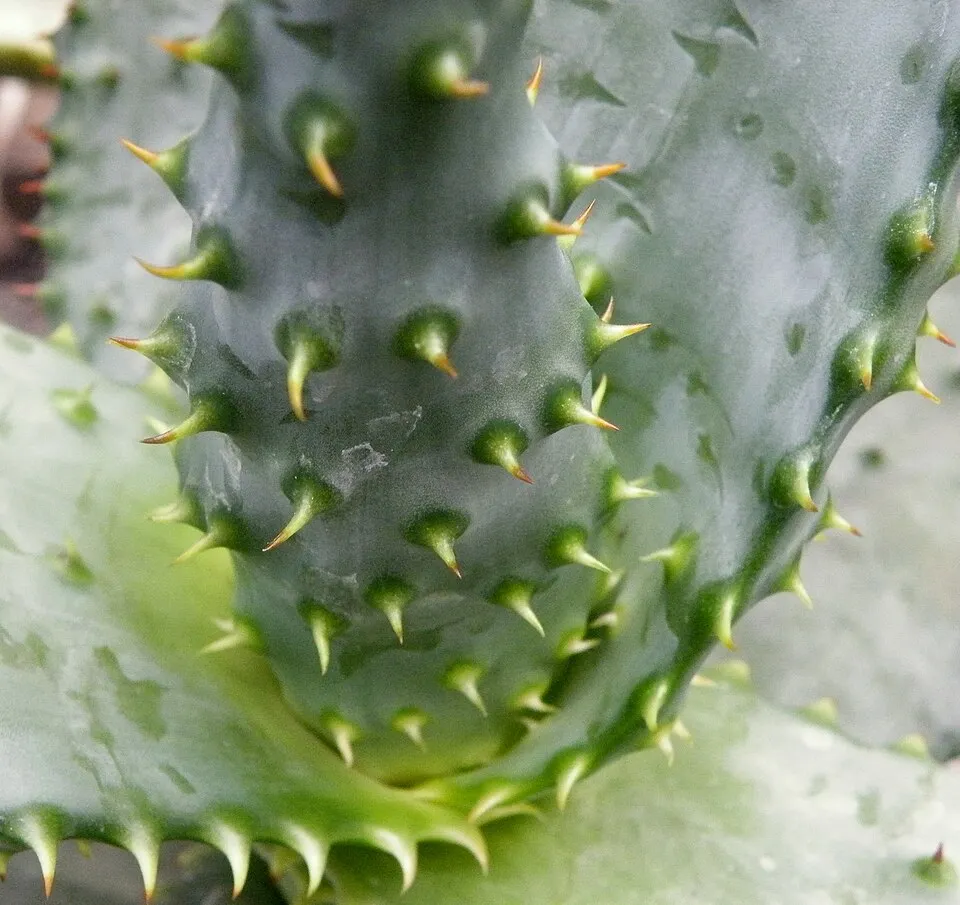
Cape Aloe, scientifically known as Aloe ferox, is a majestic arborescent succulent species belonging to the Asphodelaceae family, a classification that highlights its close botanical kinship with other prominent aloes like Aloe vera. This resilient plant is indigenous to the arid and semi-arid landscapes of the Cape coastal region of South Africa, particularly flourishing in the Eastern and Western Cape provinces, where it stands as a striking feature of its native habitat.
It is commonly referred to as bitter aloe or Cape aloe, with local names like 'khala' and 'umhlaba' further reflecting its deep cultural embeddedness within indigenous communities.
Morphologically, Aloe ferox is typically a single-stemmed plant that can attain an impressive height of up to 5 meters, though commonly observed between 1.5 to 3 meters. Its robust stem is often cloaked by persistent dried leaf bases, imparting a rugged, grayish-brown texture. The plant forms a magnificent, dense rosette of thick, fleshy, lanceolate leaves, which can measure between 45 to 90 centimeters in length and 5 to 15 centimeters in width.
These leaves exhibit a rich, dull green to bluish-green hue, frequently developing a reddish tint under stress or intense sunlight. A distinctive characteristic, lending to its specific epithet 'ferox' (meaning 'ferocious'), is the presence of prominent, sharp, reddish-brown spines adorning both the margins and, uniquely, the upper and lower surfaces of the leaves, creating a formidable yet beautiful appearance. These spines are a key identifier, differentiating it from many other aloe species.
The inflorescence of Cape Aloe is equally spectacular, emerging as a tall, unbranched or multi-branched candelabra-like structure, often exceeding 1 meter in height above the leaf rosette. It bears numerous tightly compacted, conical racemes of vibrant, tubular flowers, predominantly ranging from fiery orange to brilliant red, though yellow or rarely white variants can also be observed. Blooming typically occurs during the winter months, from May to August.
Trusted Scientific References
1. Authoritative external sources for Aloe ferox
1.1 Wikipedia — Aloe ferox
1.2 Kew POWO (Plants of the World Online)
1.3 PubMed — peer-reviewed research
1.4 NCBI Taxonomy Browser
1.5 GBIF — Global Biodiversity
1.1.Cape Aloe — Notable Characteristics
- ✓Arborescent Growth Habit — A tall, single-stemmed succulent, often reaching 1.5 to 5 meters in height.
- ✓Distinctive Spiny Leaves — Fleshy, lanceolate leaves with prominent, sharp reddish-brown spines on margins and both surfaces, giving it a 'ferocious' appearance.
- ✓Vibrant Inflorescence — Produces a spectacular, tall, candelabra-like flower stalk bearing numerous dense racemes of fiery orange to red tubular flowers.
- ✓Native to South Africa — Indigenous to the Cape coastal region, thriving in its arid and semi-arid landscapes.
- ✓Bitter Yellow Sap (Exudate) — Contains potent anthraquinones like aloin, responsible for its strong purgative properties.
- ✓Clear Mucilaginous Gel — The inner leaf pulp provides a soothing, hydrating gel used topically for skin ailments.
- ✓Significant Commercial Value — One of South Africa's main wild-harvested commercially traded medicinal plants, exported since the 18th century.
- ✓Traditional Medicinal Legacy — Used for centuries in South African traditional medicine for digestive issues, skin conditions, and various ailments.
- ✓Drought — Tolerant Succulent — Highly adapted to survive in dry conditions, storing water in its thick leaves.
- ✓Rich Phytochemical Profile — Abundant in bioactive compounds including aloin, chromones, and phenolic antioxidants.
1.2.Cape Aloe — In Brief
- ✓Indigenous South African succulent — Known as Cape Aloe or Bitter Aloe, thriving in arid regions.
- ✓Dual medicinal products — Yields potent bitter sap (aloe bitters) and a clear, soothing gel.
- ✓Primary traditional uses — Sap for strong laxative effects, gel for wound healing and skin conditions.
- ✓Rich phytochemistry — Contains aloin, anthraquinones, chromones, and phenolic compounds.
- ✓Commercial significance — Valued in pharmaceutical, cosmetic, and health industries globally.
- ✓Caution advised — Potent effects necessitate careful dosing and awareness of contraindications.
2.Cape Aloe — Botanical Identity
3.Cape Aloe — Vital Statistics
4.Cape Aloe — Botanical Description
5.Cape Aloe — Native Range & Habitat
6.Cape Aloe — Traditional Uses
7.Cape Aloe — Chemical Profile
- ✓Anthraquinones — Key compounds include Aloin A (barbaloin) and Aloin B (isobarbaloin), responsible for the plant's potent laxative effects. Other anthraquinones like aloe-emodin and chrysophanol are present in trace amounts and contribute to laxative and antimicrobial activities.
- ✓Anthrone C-glycosides — This category primarily includes Aloin, which is the major active constituent in the bitter sap, known for its purgative, antimicrobial, and antiviral properties.
- ✓Chromones — Compounds such as aloeresin A, aloeresin B, and aloesone are found, contributing to the plant's anti-inflammatory and antioxidant activities.
- ✓Phenolic Compounds — A diverse group of phenolic compounds provides significant antioxidant capacity, protecting cells from oxidative damage.
- ✓Polysaccharides — The clear leaf gel contains complex carbohydrates, similar to those in Aloe vera, which are responsible for its hydrating, soothing, and potentially immunomodulatory properties.
- ✓Resins — Contribute to the characteristic bitter taste of the leaf sap and may have minor medicinal actions.
- ✓Glycoproteins — Found in the gel, these compounds are believed to have anti-inflammatory effects.
- ✓Vitamins — Contains various vitamins, including Vitamin A (beta-carotene), C, E, and B-vitamins, which are essential for overall health and skin integrity.
- ✓Minerals — Rich in essential minerals such as calcium, magnesium, zinc, and selenium, vital for numerous bodily functions and skin health.
- ✓Amino Acids — Provides a range of essential and non-essential amino acids, the building blocks for proteins.
8.Cape Aloe — Evidence-Based Benefits
- ✓Potent Laxative Action — The bitter yellow sap, rich in anthraquinones like aloin, stimulates gut motility and reduces water reabsorption in the intestines, providing a strong purgative effect for constipation relief.
- ✓Wound Healing Support — The clear leaf gel possesses anti-inflammatory and hydrating properties that promote skin regeneration, making it traditionally effective for minor cuts, burns, insect bites, and dermal wounds.
- ✓Anti-inflammatory Effects — Both the gel and sap contain compounds that help reduce inflammation, traditionally applied topically for conditions like eczema, conjunctivitis, and sunburn, and internally for arthritic symptoms.
- ✓Antimicrobial Activity — Studies indicate that Aloe ferox extracts and isolated compounds like aloin exhibit activity against various pathogens, including Candida albicans, Gardnerella vaginalis, Shigella sonnei, and Neisseria gonorrhoeae.
- ✓Antiviral Potential — Aloin, a key compound, has demonstrated antiviral activity against Herpes Simplex Virus type 1 (HSV-1) in in vitro studies, potentially delaying viral infection.
- ✓Antioxidant Properties — The presence of chromones, anthraquinones, and other phenolic compounds contributes to the plant's antioxidant capacity, helping to neutralize free radicals and protect cellular health.
- ✓Skin Health Enhancement — The gel is widely used in cosmetic applications for its ability to moisturize, soothe, and repair the skin, improving overall complexion and aiding in the recovery from various skin irritations.
- ✓Traditional Anti-Arthritic Use — In South African traditional medicine, the dried sap (aloe bitters) is consumed to alleviate symptoms associated with arthritis.
- ✓Support for Sexually Transmitted Diseases (STDs) — Traditionally, decoctions of the fleshy leaves have been used in South Africa to treat STDs such as gonorrhea and syphilis, supported by its antimicrobial actions.
- ✓Hypertension Management — Some traditional practices incorporate Aloe ferox for its potential role in managing hypertension, though more scientific validation is needed.
- ✓Stress Reduction — Historically, Aloe ferox has been utilized in traditional medicine for its perceived benefits in alleviating stress.
8.1.Cape Aloe — Reported Uses
9.Cape Aloe — Safety Considerations
9.1.Cape Aloe — Reported Side Effects
- ✓Gastrointestinal Distress — High doses or prolonged use of the bitter sap can cause severe abdominal cramping, diarrhea, and nausea.
- ✓Electrolyte Imbalance — Chronic use of stimulant laxatives like Cape Aloe can lead to significant potassium loss, potentially affecting heart function and muscle strength.
- ✓Dehydration — Excessive fluid loss due to diarrhea can result in dehydration, especially in vulnerable individuals.
- ✓Kidney Damage — Long-term, high-dose internal use may be associated with kidney dysfunction or damage.
- ✓Allergic Reactions — Topical application can cause skin irritation, redness, or itching in sensitive individuals; internal use may trigger systemic allergic responses.
- ✓Drug Interactions — Can interact with diuretics, corticosteroids, and heart medications (e.g., digoxin) due to electrolyte depletion, potentially increasing their effects or side effects.
- ✓Laxative Dependence — Prolonged use can lead to dependency, where the bowel becomes reliant on the stimulant for function.
9.2.Cape Aloe — Clinical Safety Notes
- ✓Pregnancy and Breastfeeding — Contraindicated during pregnancy due to potential uterine stimulation and during breastfeeding as active compounds can pass into breast milk.
- ✓Children — Internal use is generally not recommended for children due to the potent laxative effect and risk of electrolyte imbalance.
- ✓Pre-existing Medical Conditions — Avoid internal use in individuals with Crohn's disease, ulcerative colitis, appendicitis, intestinal obstruction, kidney disease, or heart conditions.
- ✓Dosage Adherence — Strict adherence to recommended dosages for internal preparations is critical to prevent adverse effects.
- ✓Duration of Use — Internal use, especially for its laxative effect, should be short-term (no more than 7-10 days) to avoid dependency and electrolyte disturbances.
- ✓Professional Consultation — Always consult a healthcare professional before using Cape Aloe internally, especially if taking other medications or having underlying health issues.
- ✓Topical Patch Test — For topical application, perform a patch test on a small skin area first to check for sensitivity or allergic reactions.
10.Cape Aloe — Preparations & Uses
- ✓Aloe Bitters (Dried Sap) — The dark yellow sap is collected, dried into a crystalline substance, and traditionally used as a potent laxative or for alleviating arthritis symptoms.
- ✓Topical Gel Application — The clear, mucilaginous gel from the inner leaf is applied directly to the skin for wound healing, soothing burns, insect bites, eczema, and other skin irritations.
- ✓Decoctions — Fleshy leaves are sometimes boiled to create decoctions for internal consumption, traditionally used for conditions like STDs.
- ✓Commercial Preparations — Found in a wide range of commercial products including skin creams, lotions, shampoos, and dietary supplements.
- ✓Oral Supplements — Processed forms such as capsules or tablets containing dried leaf extract are available for internal use, primarily for digestive health.
- ✓Traditional Xhosa Medicine — Used by the Xhosa people for treating dermal wounds, believed to stimulate wound closure and provide antimicrobial action.
11.Cape Aloe — Cultivation & Care
- ✓Climate Preference — Thrives in arid and semi-arid climates, intolerant of frost.
- ✓Sunlight Requirements — Prefers full sun exposure to develop robust growth and vibrant flowering.
- ✓Soil Conditions — Requires well-drained, sandy, or gritty soil with low organic matter to prevent root rot.
- ✓Watering Regimen — As a succulent, it is highly drought-tolerant; water infrequently and deeply, allowing the soil to dry completely between waterings.
- ✓Propagation Techniques — Can be propagated from seeds, which germinate best in warm conditions, or more commonly from offsets (pups) that emerge at the base of the mature plant.
- ✓Container Growing — Suitable for container cultivation in regions with cold winters, allowing it to be moved indoors.
- ✓Pest and Disease Management — Generally robust, but susceptible to root rot if overwatered; watch for common succulent pests like mealybugs.
- ✓Harvesting Practices — Leaves are tapped for their bitter sap (exudate) by cutting the base, or the inner gel is extracted by filleting the leaves.
Reviewed by the Flora Medical Global Botanical Review Panel
Multi-disciplinary editorial group · Botany · Ethnobotany · Herbal-medicine literature
Who reviewed this: This page was checked by the Flora Medical Global Botanical Review Panel — an in-house editorial group of botany graduates, ethnobotany researchers, and horticulture practitioners who collectively maintain our 7,000+ plant encyclopedia. Meet the team.
Our 4-step verification process
1. Taxonomic verification
Scientific names and synonyms cross-checked against Kew POWO, World Flora Online, and The Plant List.
2. Phytochemical & medicinal cross-reference
Active compounds, traditional uses, and reported activities are cross-referenced with PubMed, USDA Dr. Duke's database, and peer-reviewed ethnobotanical literature.
3. Conservation & distribution check
Distribution, ecology, and conservation status confirmed against GBIF occurrence records and the IUCN Red List.
4. Editorial & safety review
Every entry passes an editorial pass for clarity, originality, and safety notices (toxicity, contraindications, dosage caveats) before publication.
Last reviewed:
Important medical disclaimer: This content is for educational and research purposes only. It is not medical advice and is not a substitute for consultation with a licensed healthcare provider. Do not use any herb to self-treat a medical condition without professional guidance.
Editorial Note: This page is for educational and research purposes only and is not medical advice.
Written by: Flora Medical Global Editorial Team
Reviewed by: Flora Medical Global Botanical Review Panel
Last Updated: June 15, 2026




Cape Aloe — Comments & Community Reviews
Rate this plant