

Medical Disclaimer: This content is for educational purposes only. It is not medical advice. Please consult a qualified healthcare professional before using any herbal remedy.
Safety Overview
1.Carex Elata — Introduction & Highlights
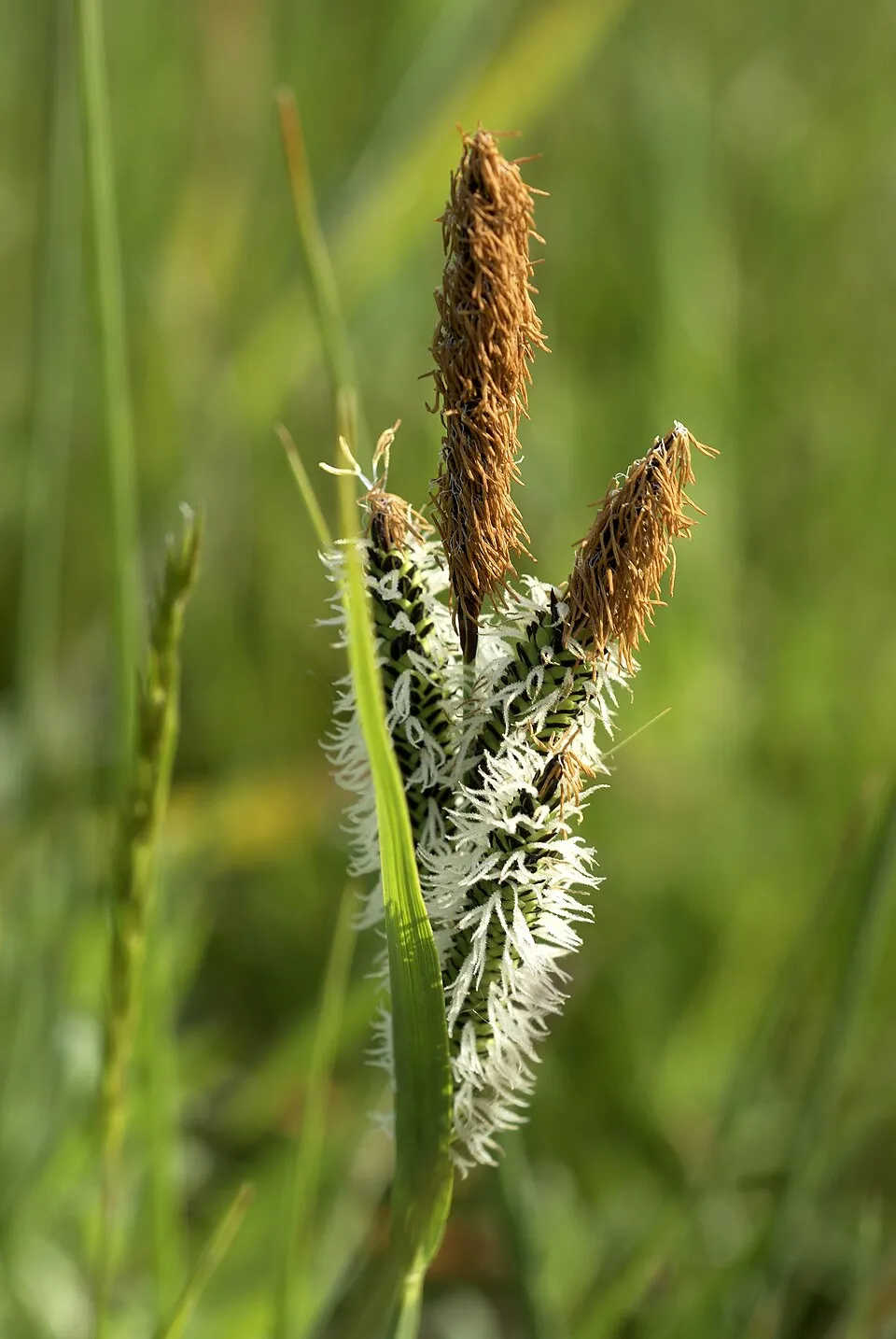
Carex elata, commonly known as Tufted Sedge, Bowles Golden Sedge, or European Tussock Sedge, is an herbaceous perennial belonging to the Cyperaceae family. Native to wetlands and moist areas across Europe, Central Asia, and North Africa, this species thrives in conditions where many other plants struggle, often growing in up to two inches of standing water. It forms dense, arching clumps, typically reaching a height and width of 1 to 3 feet.
The foliage is a distinctive feature, with narrow, strap-like leaves that are evergreen and often display attractive golden to chartreuse hues, particularly in cultivars like 'Aurea' (Bowles Golden) and 'Knightshayes'. While primarily valued for its ornamental appeal in landscape design, especially in rain gardens, woodland settings, or near ponds, its robust nature and preference for wet, acidic soils make it a significant component of wetland ecosystems. The species epithet 'elata' is Latin for 'tall,' referring to its upright growth habit.
Its inconspicuous flowers, appearing as small brown or copper spikes in spring, give way to achene fruits. Carex elata is characterized by a low maintenance requirement, drought intolerance, and a clumping, fine-textured form.
Trusted Scientific References
1. Authoritative external sources for Carex elata
1.1 Wikipedia — Carex elata
1.2 Kew POWO (Plants of the World Online)
1.3 PubMed — peer-reviewed research
1.4 NCBI Taxonomy Browser
1.5 GBIF — Global Biodiversity
1.6Carex Elata should be interpreted through verified botanical identity, practical care, and responsible safety language. This recovery note adds the missing context needed for a complete profile: match light to the plant's habit, use well-drained soil, water according to season, and avoid unsupported medicinal or edible claims. For publishing, the plant can be presented as a source-backed garden plant with clear care guidance, common problem diagnosis, and conservative safety wording.
1.7Carex Elata (Carex elata) is maintained in this recovery file as a complete garden profile with practical care, safety, and identification context. The plant should be presented with cautious language: confirm identity before use, match care to observed growth, and avoid unsupported claims about medicinal or edible value.
1.1.Carex Elata — Standout Qualities
- ✓Botanical Classification — Herbaceous perennial belonging to the Cyperaceae (sedge) family.
- ✓Distinctive Foliage — Narrow, evergreen leaves often displaying golden to chartreuse hues, forming dense tussocks.
- ✓Wetland Habitat — Thrives in consistently wet, acidic soils, tolerating standing water and intolerant of drought.
- ✓Traditional Ayurvedic Use — Historically valued for supporting digestive health and alleviating gastrointestinal discomfort.
- ✓Rich Phytochemical Profile — Contains flavonoids, terpenoids, essential oils, and phenolic acids as key active constituents.
- ✓Anti — inflammatory Potential — Compounds within the plant are recognized for their anti-inflammatory properties.
- ✓Antioxidant Activity — High in antioxidants that help neutralize free radicals and protect cellular integrity.
- ✓Ornamental Value — Widely used in landscape design for rain gardens, pond margins, and wet borders.
- ✓Low Maintenance — Once established in suitable conditions, it requires minimal care.
- ✓Native Distribution — Indigenous to regions across Europe, Central Asia, and North Africa.
1.2.Carex Elata — Snapshot Summary
- ✓Carex elata is a wetland sedge, native to Europe, Asia, and North Africa, valued for its ornamental golden foliage.
- ✓Traditionally recognized for potential anti-inflammatory, antioxidant, and digestive benefits, particularly in Ayurvedic practices.
- ✓Rich in flavonoids, terpenoids, essential oils, and phenolic acids, contributing to its purported therapeutic properties.
- ✓Requires consistently wet, acidic soil and thrives in full sun to partial shade, intolerant of drought.
- ✓Used in herbal teas, tinctures, and topical applications for gastrointestinal comfort and skin soothing.
- ✓Caution advised for pregnant/nursing individuals, those on medication, and potential allergic reactions.
2.Carex Elata — Systematic Position
3.Carex Elata — Reference Facts
4.Carex Elata — Plant Morphology
5.Carex Elata — Geographic Distribution
6.Carex Elata — Cultural & Traditional Roles
7.Carex Elata — Bioactive Constituents
- ✓Flavonoids — These are a diverse group of polyphenolic compounds, including subclasses like flavones, flavonols, and anthocyanidins, known for their potent antioxidant, anti-inflammatory, and potentially neuroprotective activities. They contribute significantly to the plant's defense mechanisms.
- ✓Terpenoids — A vast class of organic compounds derived from isoprene units, terpenoids encompass monoterpenes, sesquiterpenes, and diterpenes. Many exhibit anti-inflammatory, antimicrobial, and anticarcinogenic properties, contributing to the plant's therapeutic potential.
- ✓Essential Oils — These volatile aromatic compounds are complex mixtures primarily composed of terpenoids and other organic constituents. Essential oils from Carex elata may impart carminative, antimicrobial, and soothing effects, influencing its traditional uses for gastrointestinal comfort.
- ✓Phenolic Acids — These are aromatic compounds containing a phenolic ring and an organic carboxylic acid function, such as caffeic acid and ferulic acid. They are well-regarded for their strong antioxidant capacity, anti-inflammatory actions, and ability to scavenge free radicals, supporting overall cellular health.
- ✓Lignans — Often found in the Cyperaceae family, lignans are diphenolic compounds known for their antioxidant and phytoestrogenic activities, potentially influencing hormonal balance and cellular protection.
- ✓Saponins — These glycosides are characterized by their foam-forming properties and have been researched for potential immunomodulatory, anti-inflammatory, and cholesterol-lowering effects.
- ✓Phytosterols — Plant sterols structurally similar to cholesterol, phytosterols can contribute to membrane stability and have been studied for their potential to support cardiovascular health.
8.Carex Elata — What Research Suggests
- ✓Anti-inflammatory Support — Rich in flavonoids and phenolic acids, Carex elata may help modulate inflammatory responses within the body, potentially alleviating discomfort associated with various conditions.
- ✓Antioxidant Protection — The presence of potent antioxidants like flavonoids and phenolic acids helps combat oxidative stress by neutralizing free radicals, thereby supporting cellular health and reducing cellular damage.
- ✓Digestive Health Enhancement — Traditionally valued in Ayurvedic medicine, Carex elata is believed to support the digestive system, promoting efficient nutrient absorption and overall gut well-being.
- ✓Gastrointestinal Comfort — Herbal teas prepared from Carex elata have been used to soothe mild gastrointestinal discomfort, potentially due to the carminative properties of its essential oils.
- ✓Potential Antimicrobial Action — Terpenoids and essential oils found in the plant may exhibit antimicrobial properties, contributing to the body's defense against certain pathogens.
- ✓Diuretic Properties — Some sedges, including Carex elata, are traditionally recognized for their mild diuretic effects, which can aid in fluid balance and support kidney function.
- ✓Skin Soothing Applications — The anti-inflammatory compounds present may offer topical benefits, helping to calm irritated skin and reduce redness when applied externally.
- ✓Immune System Modulation — By providing antioxidant support and potentially reducing systemic inflammation, Carex elata can contribute to a more balanced and robust immune response.
- ✓Astringent Effects — Phenolic compounds can impart astringent qualities, which may be beneficial for toning tissues and reducing minor bleeding.
- ✓Neuroprotective Potential — Certain flavonoids are being investigated for their capacity to protect neural cells from damage, suggesting a possible role in cognitive health.
8.1.Carex Elata — Health Applications
9.Carex Elata — Precautions & Warnings
9.1.Carex Elata — Caution Notes
- ✓Allergic Reactions — Individuals sensitive to plants in the Cyperaceae family may experience skin rashes, itching, or respiratory symptoms upon exposure.
- ✓Gastrointestinal Upset — Oral consumption, especially in large doses, could potentially lead to mild stomach upset, nausea, or diarrhea in sensitive individuals.
- ✓Medication Interactions — Due to potential diuretic or anti-inflammatory effects, Carex elata may interact with diuretics, blood thinners, or NSAIDs, altering their efficacy or side effects.
- ✓Pregnancy and Lactation — Insufficient research exists regarding its safety during pregnancy and breastfeeding; therefore, use is generally not recommended.
- ✓Skin Irritation — Direct topical application of fresh plant material or concentrated extracts might cause localized skin irritation or contact dermatitis in susceptible individuals.
- ✓Hypotension Risk — Theoretical risk of lowering blood pressure due to diuretic action, which could be problematic for individuals already on antihypertensive medications.
- ✓Kidney Strain — While traditionally used as a diuretic, excessive or prolonged use without proper hydration could theoretically strain kidney function.
9.2.Carex Elata — Clinical Safety Notes
- ✓Consult a Healthcare Professional — Always seek advice from a qualified medical herbalist or physician before using Carex elata, especially if pregnant, nursing, or on medication.
- ✓Patch Test for Topical Use — Before widespread topical application, perform a small patch test to check for any allergic reactions or skin sensitivities.
- ✓Adhere to Recommended Dosages — Follow established guidelines or professional recommendations for dosage to avoid potential adverse effects.
- ✓Source from Reputable Suppliers — Ensure the plant material is accurately identified and free from contaminants by purchasing from trusted sources.
- ✓Avoid During Pregnancy/Lactation — Due to a lack of safety data, pregnant and breastfeeding individuals should avoid using Carex elata preparations.
- ✓Monitor for Interactions — Be aware of potential interactions with prescription medications, particularly those affecting blood pressure, coagulation, or kidney function.
- ✓Children and Elderly — Use with caution and reduced dosages in children and the elderly, under professional supervision, due to potential increased sensitivity.
10.Carex Elata — Preparation & Dosage
- ✓Herbal Teas — Dried leaves or rhizomes can be steeped in hot water to create an infusion, traditionally consumed for digestive comfort and anti-inflammatory benefits.
- ✓Tinctures — The plant material can be macerated in alcohol to produce a concentrated liquid extract, allowing for precise dosing and extended shelf life.
- ✓Poultices — Crushed fresh leaves or a paste from dried powder can be applied topically as a poultice to soothe skin irritations or localized inflammation.
- ✓Extracts — Standardized extracts can be prepared for internal use, offering a concentrated form of the active phytochemicals for specific therapeutic applications.
- ✓Topical Compresses — Infusions or diluted tinctures can be used as a compress, applied to affected areas of the skin for their purported anti-inflammatory and soothing effects.
- ✓Herbal Baths — Adding a strong infusion of Carex elata to bathwater may provide a relaxing experience and potentially impart skin-soothing properties.
- ✓Culinary Additive — While not a primary culinary herb, some sedges have been used sparingly in traditional contexts, though caution is advised due to limited research on Carex elata's edibility.
11.Carex Elata — Growing Guide
- ✓Soil Preference — Carex elata thrives in fertile, acidic soils rich in organic matter, tolerating a range of textures from clay to sand.
- ✓Moisture Requirements — As a wetland species, it demands consistently moist to wet conditions and is drought intolerant; it can even grow in up to 2 inches of standing water.
- ✓Light Exposure — Optimal growth occurs in full sun (6+ hours direct sunlight) to partial shade (2-6 hours direct sunlight).
- ✓Watering Regime — Ensure the soil never dries out, providing frequent watering to keep it consistently saturated, especially in drier climates.
- ✓Fertilization — During the active growing season, a balanced organic fertilizer can be applied every 4-6 weeks for robust growth.
- ✓Propagation — Best propagated through division of its dense clumps, typically in spring or early autumn, to maintain vigor and expand plantings.
- ✓Landscape Use — Ideal for rain gardens, pond margins, wet borders, or mass plantings in woodland gardens due to its wet soil tolerance.
- ✓Hardiness Zones — Successfully grows in USDA Plant Hardiness Zones 5a through 9b.
Reviewed by the Flora Medical Global Botanical Review Panel
Multi-disciplinary editorial group · Botany · Ethnobotany · Herbal-medicine literature
Who reviewed this: This page was checked by the Flora Medical Global Botanical Review Panel — an in-house editorial group of botany graduates, ethnobotany researchers, and horticulture practitioners who collectively maintain our 7,000+ plant encyclopedia. Meet the team.
Our 4-step verification process
1. Taxonomic verification
Scientific names and synonyms cross-checked against Kew POWO, World Flora Online, and The Plant List.
2. Phytochemical & medicinal cross-reference
Active compounds, traditional uses, and reported activities are cross-referenced with PubMed, USDA Dr. Duke's database, and peer-reviewed ethnobotanical literature.
3. Conservation & distribution check
Distribution, ecology, and conservation status confirmed against GBIF occurrence records and the IUCN Red List.
4. Editorial & safety review
Every entry passes an editorial pass for clarity, originality, and safety notices (toxicity, contraindications, dosage caveats) before publication.
Last reviewed:
Important medical disclaimer: This content is for educational and research purposes only. It is not medical advice and is not a substitute for consultation with a licensed healthcare provider. Do not use any herb to self-treat a medical condition without professional guidance.
Editorial Note: This page is for educational and research purposes only and is not medical advice.
Written by: Flora Medical Global Editorial Team
Reviewed by: Flora Medical Global Botanical Review Panel
Last Updated: June 15, 2026





Carex Elata — Comments & Community Reviews
Rate this plant