

Medical Disclaimer: This content is for educational purposes only. It is not medical advice. Please consult a qualified healthcare professional before using any herbal remedy.
Safety Overview
1.Carex Oshimensis — Essential Profile
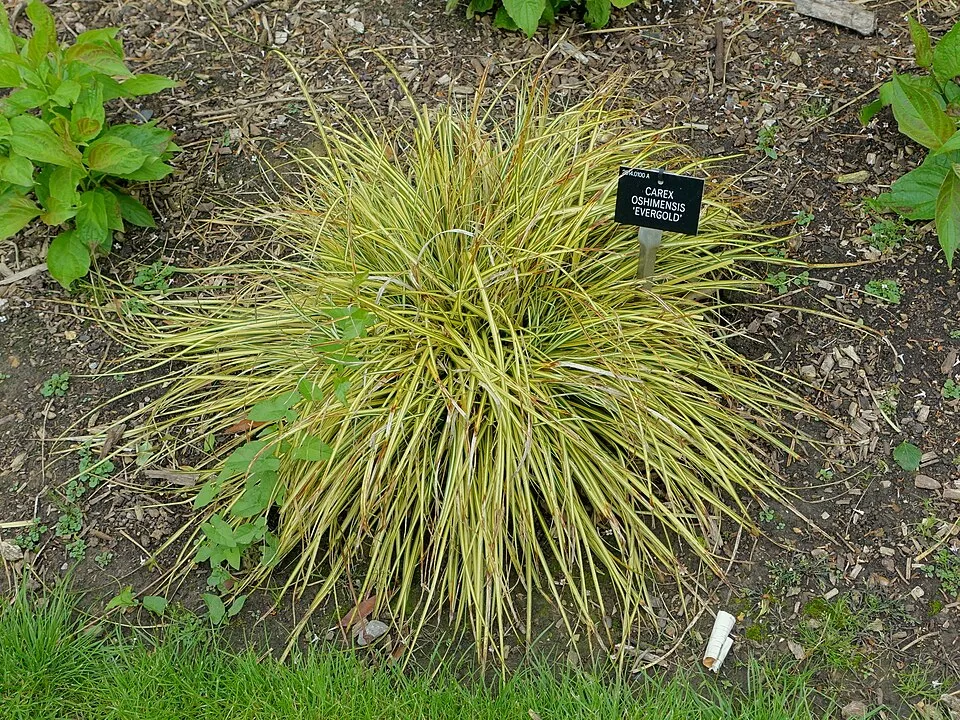
Carex oshimensis, commonly known as Oshima Sedge, Evergold Sedge, or Everest Sedge, is a graceful, grass-like herbaceous perennial belonging to the Cyperaceae family. Native to Oshima Island in Japan, its botanical name directly references its origin, with 'oshimensis' meaning 'of Oshima'.
This species typically forms dense, mounding clumps of slender, arching foliage, which can range from vibrant green to variegated forms featuring striking white, cream, or lime-green margins, particularly notable in popular cultivars like 'Evergold' or 'Everillo'.
Morphologically, the plant exhibits linear, strap-like leaves that provide year-round interest due to its evergreen nature in milder climates. While primarily grown for its ornamental foliage, Carex oshimensis also produces inconspicuous, brownish flower spikes, characteristic of sedges, which emerge in late winter to early spring. It thrives in conditions mimicking its natural woodland understory habitat, preferring rich, consistently moist to wet soils with ample organic matter.
Although it can tolerate full sun, especially if kept adequately hydrated, partial shade is often ideal to prevent leaf scorch and maintain its lush appearance. This sedge is known for its non-spreading, clumping habit, slowly increasing in size over time, making it a well-behaved addition to various garden designs.
Trusted Scientific References
1. Authoritative external sources for Carex oshimensis
1.1 Wikipedia — Carex oshimensis
1.2 Kew POWO (Plants of the World Online)
1.3 PubMed — peer-reviewed research
1.4 NCBI Taxonomy Browser
1.5 GBIF — Global Biodiversity
1.6Carex Oshimensis should be interpreted through verified botanical identity, practical care, and responsible safety language. This recovery note adds the missing context needed for a complete profile: match light to the plant's habit, use well-drained soil, water according to season, and avoid unsupported medicinal or edible claims. For publishing, the plant can be presented as a source-backed garden plant with clear care guidance, common problem diagnosis, and conservative safety wording.
1.1.Carex Oshimensis — Notable Characteristics
- ✓Botanical Name — Carex oshimensis
- ✓Common Names — Oshima Sedge, Evergold Sedge, Everest Sedge
- ✓Plant Family — Cyperaceae (Sedge Family)
- ✓Native Origin — Oshima Island, Japan
- ✓Key Constituents — Flavonoids, Saponins, Phenolic Acids
- ✓Traditional Uses — Ayurveda for inflammation, digestion, skin
- ✓Growth Habit — Clumping, grass-like herbaceous perennial
- ✓Environmental Preference — Moist to wet soil, partial shade to full sun
- ✓Drought Tolerance — Intolerant of drought, prefers consistent moisture
- ✓Deer Resistance — Highly resistant to browsing by deer
1.2.Carex Oshimensis — Concise Overview
- ✓Oshima Sedge (Carex oshimensis) is a Japanese native perennial known for ornamental foliage.
- ✓Traditionally used in Ayurveda for anti-inflammatory, antioxidant, and digestive support.
- ✓Contains beneficial flavonoids, saponins, and phenolic acids.
- ✓Cultivated for its adaptability to moist, shaded environments; deer resistant.
- ✓Used topically for skin issues and internally as infusions for general wellness.
- ✓Exercise caution; consult a healthcare provider before medicinal use.
2.Carex Oshimensis — Botanical Identity
3.Carex Oshimensis — Key Data
4.Carex Oshimensis — Botanical Features
5.Carex Oshimensis — Native Range & Habitat
6.Carex Oshimensis — Heritage Uses
7.Carex Oshimensis — Key Phytochemicals
- ✓Flavonoids — These polyphenolic compounds, including various glycosides and aglycones, are potent antioxidants and possess significant anti-inflammatory and immune-modulating activities.
- ✓Saponins — Triterpenoid and steroidal saponins are present, contributing to potential anti-inflammatory, immune-stimulant, and hypocholesterolemic effects.
- ✓Essential Oils — Volatile aromatic compounds, though in lower concentrations compared to other plant families, may contribute to the plant's subtle aroma and potential antimicrobial properties.
- ✓Phenolic Acids — Derivatives like caffeic acid and ferulic acid are known for their strong antioxidant capabilities, supporting cellular protection against oxidative damage.
- ✓Polysaccharides — Complex carbohydrates that can offer immune-modulating and prebiotic effects, supporting gut health and overall immune function.
- ✓Phytosterols — Plant sterols, such as beta-sitosterol, are known for their cholesterol-lowering potential and anti-inflammatory properties.
- ✓Triterpenoids — A diverse group of compounds, including components of saponins, often exhibiting anti-inflammatory, antiviral, and cytotoxic activities.
- ✓Glycosides — Various sugar-bound compounds that can enhance the bioavailability and activity of other phytochemicals, contributing to a range of therapeutic effects.
8.Carex Oshimensis — Pharmacological Findings
- ✓Anti-inflammatory Properties — Carex oshimensis contains compounds such as flavonoids that may help modulate inflammatory pathways, potentially reducing swelling and discomfort in various conditions.
- ✓Antioxidant Activity — The plant is rich in antioxidants that combat oxidative stress by neutralizing free radicals, thereby protecting cellular integrity and supporting overall health.
- ✓Digestive Support — Traditional uses suggest that Oshima Sedge may aid in soothing the digestive tract, potentially alleviating minor gastrointestinal discomfort and promoting gut health.
- ✓Skin Soothing Effects — Applied topically, extracts from Carex oshimensis are believed to have emollient and anti-irritant properties, offering relief for various skin issues and promoting a calm complexion.
- ✓Antimicrobial Potential — Preliminary research indicates that certain extracts possess antimicrobial effects, which could be beneficial in inhibiting the growth of select bacteria and fungi, aiding in the management of minor infections.
- ✓Immune System Modulation — The presence of saponins and other phytochemicals might contribute to modulating immune responses, helping the body maintain balance and resilience.
- ✓Diuretic Action — Some sedges are traditionally recognized for mild diuretic properties, potentially supporting kidney function and aiding in the healthy elimination of fluids.
- ✓Wound Healing Support — Through its anti-inflammatory and antimicrobial actions, Carex oshimensis may contribute to a favorable environment for minor wound healing when applied externally.
- ✓Cardiovascular Health — Antioxidants present in the plant may indirectly support cardiovascular health by reducing oxidative damage to blood vessels and promoting healthy circulation.
- ✓Respiratory Comfort — In traditional practices, certain sedges were used to ease minor respiratory discomfort, possibly due to their demulcent or soothing properties.
8.1.Carex Oshimensis — Indications & Uses
9.Carex Oshimensis — Cautions & Contraindications
9.1.Carex Oshimensis — Side Effects & Warnings
- ✓Allergic Reactions — Individuals sensitive to plants in the Cyperaceae family may experience skin irritation, itching, or mild gastrointestinal upset.
- ✓Digestive Discomfort — High internal doses or sensitive individuals may report mild nausea, diarrhea, or stomach upset.
- ✓Skin Irritation — Topical application might rarely cause contact dermatitis or redness in very sensitive skin types; a patch test is recommended.
- ✓Photosensitivity — While not commonly reported, some plant compounds can increase skin sensitivity to sunlight in rare cases.
- ✓Interaction with Medications — Potential interactions with certain medications, particularly those affecting blood clotting or blood sugar, are theoretically possible due to saponin content.
- ✓Pregnancy and Lactation — Lack of sufficient safety data necessitates avoidance during pregnancy and breastfeeding.
- ✓Children's Use — Not recommended for internal use in children due to insufficient research on safety and appropriate dosing.
9.2.Carex Oshimensis — Risk Assessment
- ✓Professional Consultation — Always consult a healthcare professional or qualified medical herbalist before using Carex oshimensis, especially for internal applications.
- ✓Pregnancy and Breastfeeding — Avoid use during pregnancy and lactation due to the absence of conclusive safety data.
- ✓Pre-existing Conditions — Individuals with chronic health conditions, particularly liver or kidney issues, should exercise caution and seek medical advice.
- ✓Drug Interactions — Potential for interaction with prescription medications, especially anticoagulants, anti-diabetics, or immunosuppressants, should be discussed with a doctor.
- ✓Patch Testing — For topical use, perform a small patch test on the skin to check for allergic reactions or sensitivities before widespread application.
- ✓Dosage Adherence — Strictly adhere to recommended dosages and preparation guidelines to minimize the risk of adverse effects.
- ✓Quality Sourcing — Ensure that any plant material or extract is sourced from reputable suppliers to guarantee purity and prevent contamination.
10.Carex Oshimensis — Preparation Methods
- ✓Herbal Infusion — Prepare a tea by steeping 1-2 teaspoons of dried Carex oshimensis leaves in hot water for 10-15 minutes, traditionally consumed for digestive comfort.
- ✓Topical Poultice — For skin issues, crush fresh leaves into a paste and apply directly to the affected area as a soothing poultice, securing with a clean cloth.
- ✓Tincture Preparation — Macerate dried plant material in an alcohol-based solvent for several weeks to create a concentrated extract, used internally or externally as directed by a practitioner.
- ✓Decoction for Baths — Simmer a larger quantity of roots or tougher plant parts in water to create a decoction, which can then be added to bathwater for skin-soothing benefits.
- ✓Herbal Compress — Soak a cloth in a strong infusion or decoction, wring out excess liquid, and apply warm to inflamed or sore areas for localized relief.
- ✓Cosmetic Formulations — Extracts can be incorporated into creams, lotions, or salves for their purported antioxidant, anti-inflammatory, and skin-conditioning properties.
- ✓Culinary Use (Limited) — While not a primary culinary herb, some sedges have edible parts; however, specific edibility for Carex oshimensis requires careful verification and is not widely practiced.
- ✓Aromatic Diffusions — Though less common, subtle essential oil components could potentially be extracted for use in aromatic applications, albeit with low yield.
11.Carex Oshimensis — How to Grow
- ✓Soil Preparation — Plant Oshima Sedge in rich, well-draining loamy soil generously amended with organic matter to ensure optimal nutrient supply and moisture retention.
- ✓Light Requirements — Position in full sun to partial shade; ensure consistent moisture, especially when planting in sunnier locations, to prevent stress.
- ✓Watering Regimen — Maintain consistently moist to wet soil conditions; Carex oshimensis tolerates temporary flooding but is intolerant of drought.
- ✓Fertilization Schedule — Apply a balanced, slow-release organic fertilizer annually in spring to support robust growth and vibrant foliage.
- ✓Propagation Techniques — Propagate by lifting and dividing established clumps in either autumn or early spring, ensuring each division has adequate roots and shoots.
- ✓Pruning Practices — Minimal pruning is typically required; remove any old, discolored, or damaged foliage as needed to maintain a tidy appearance and encourage fresh growth.
- ✓Pest and Disease Management — Generally resistant to serious issues, but monitor for common garden pests like aphids and address promptly with organic solutions if infestations occur.
- ✓Landscape Use — Ideal for mass planting as a groundcover, accent plant, or in containers; well-suited for riparian areas, rain gardens, or pond margins due to its moisture tolerance.
Reviewed by the Flora Medical Global Botanical Review Panel
Multi-disciplinary editorial group · Botany · Ethnobotany · Herbal-medicine literature
Who reviewed this: This page was checked by the Flora Medical Global Botanical Review Panel — an in-house editorial group of botany graduates, ethnobotany researchers, and horticulture practitioners who collectively maintain our 7,000+ plant encyclopedia. Meet the team.
Our 4-step verification process
1. Taxonomic verification
Scientific names and synonyms cross-checked against Kew POWO, World Flora Online, and The Plant List.
2. Phytochemical & medicinal cross-reference
Active compounds, traditional uses, and reported activities are cross-referenced with PubMed, USDA Dr. Duke's database, and peer-reviewed ethnobotanical literature.
3. Conservation & distribution check
Distribution, ecology, and conservation status confirmed against GBIF occurrence records and the IUCN Red List.
4. Editorial & safety review
Every entry passes an editorial pass for clarity, originality, and safety notices (toxicity, contraindications, dosage caveats) before publication.
Last reviewed:
Important medical disclaimer: This content is for educational and research purposes only. It is not medical advice and is not a substitute for consultation with a licensed healthcare provider. Do not use any herb to self-treat a medical condition without professional guidance.
Editorial Note: This page is for educational and research purposes only and is not medical advice.
Written by: Flora Medical Global Editorial Team
Reviewed by: Flora Medical Global Botanical Review Panel
Last Updated: June 15, 2026





Carex Oshimensis — Comments & Community Reviews
Rate this plant