

Medical Disclaimer: This content is for educational purposes only. It is not medical advice. Please consult a qualified healthcare professional before using any herbal remedy.
Safety Overview
1.Carob — Essential Profile
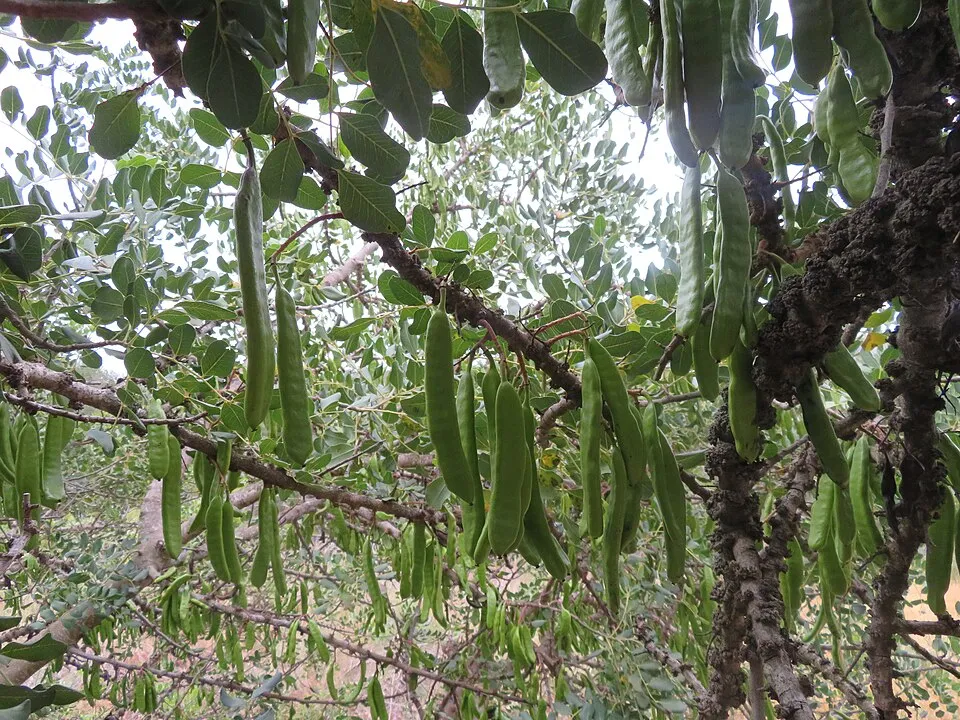
Carob, scientifically known as Ceratonia siliqua, is a majestic evergreen tree belonging to the Fabaceae family, renowned for its resilient nature and significant cultural heritage across the Mediterranean basin. This robust tree typically attains heights of up to 15 meters (49 feet), occasionally exceeding this with age, developing a substantial trunk that can measure over 1 meter (3.3 feet) in diameter. The bark is characteristically thick, displaying a deeply fissured, grayish-brown texture that underscores its ancient and enduring presence in the landscape. Originating from the Middle East, its cultivation has spread globally, now populating many parts of the world including North and South America, Africa, and Australia, thriving in arid and semi-arid climates. The foliage of the carob tree is dense and aesthetically pleasing, featuring alternate, pinnate leaves that are approximately 10-20 centimeters (4-8 inches) long.
Each leaf is composed of 8-12 ovate leaflets, distinctively glossy green and leathery, measuring about 3-6 centimeters (1.2-2.4 inches) in length. The venation on these leaflets is typically reticulate, contributing to their robust appearance. Carob trees are dioecious, meaning male and female flowers are borne on separate trees, although some hermaphroditic varieties exist. Small, inconspicuous reddish-brown flowers emerge in dense, axillary racemes during late summer to early autumn, emitting a characteristic scent that attracts a diverse array of pollinators, including various insect species. Following successful pollination, the female trees produce the highly distinctive pod-like fruits from which the carob derives much of its value.
These pods are initially green, gradually maturing to a dark brown, hard, and leathery texture. They are impressively long and flat, often reaching up to 30 centimeters (12 inches) in length, and contain several hard, glossy, ovoid seeds embedded within a sweet, fibrous pulp. The seeds are remarkably uniform in weight, historically leading to their use as a unit of measurement for precious metals and gemstones, known as the 'carat' (from the Greek 'keration', meaning small horn, referring to the carob pod). This botanical marvel offers both ecological resilience and significant nutritional and medicinal value. Trusted Scientific References Authoritative external sources for Ceratonia siliqua : Wikipedia — Ceratonia siliqua Kew POWO (Plants of the World Online) PubMed — peer-reviewed research NCBI Tax ...[CURRENT TEXT EXISTS: 2540 chars]
1.1.Carob — Notable Characteristics
- ✓Drought — Tolerant Evergreen — A robust tree thriving in arid Mediterranean climates with minimal water.
- ✓Edible Sweet Pods — Produces long, dark brown pods with a naturally sweet, fibrous pulp.
- ✓High in Dietary Fiber — Excellent source of both soluble and insoluble fiber, beneficial for digestion and satiety.
- ✓Source of Locust Bean Gum — Seeds are processed to extract this valuable food thickener and stabilizer (E410).
- ✓Rich in Antioxidants — Contains abundant polyphenols and flavonoids that combat oxidative stress.
- ✓Caffeine and Theobromine — Free — A popular healthy alternative to cocoa and chocolate.
- ✓Historically Significant — Carob seeds were the original 'carat' unit for measuring precious metals.
- ✓Versatile Culinary Ingredient — Used as powder, syrup, or whole pods in various food applications.
- ✓Medicinal Applications — Traditional uses for diarrhea, blood sugar management, and digestive health.
- ✓Low in Fat and Sodium — A nutritious addition to a balanced diet.
1.2.Carob — Snapshot Summary
- ✓Carob (Ceratonia siliqua) is a resilient evergreen tree native to the Mediterranean, known for its sweet, fibrous pods.
- ✓Rich in dietary fiber, polyphenols, and natural sugars, offering significant nutritional value.
- ✓Traditionally used for digestive issues like diarrhea, and for its potential in managing diabetes and hypertension.
- ✓Functions as a popular caffeine-free, low-fat chocolate alternative, and its seeds yield locust bean gum.
- ✓Exhibits strong antioxidant, anti-inflammatory, and gut-regulating properties due to its rich phytochemical profile.
- ✓Generally considered safe for consumption, but moderation is recommended for optimal health benefits.
2.Carob — Nomenclature & Classification
3.Carob — Key Data
4.Carob — Botanical Description
5.Carob — Ecological Habitat
6.Carob — Traditional Uses
7.Carob — Key Phytochemicals
- ✓Polyphenols — Rich in various phenolic acids such as gallic acid, coumaric acid, and ferulic acid, along with hydrolyzable and condensed tannins, which are potent antioxidants and contribute to astringent properties.
- ✓Flavonoids — Contains significant amounts of flavonoids like quercetin, kaempferol, and myricetin, known for their strong antioxidant, anti-inflammatory, and cardioprotective activities.
- ✓Dietary Fiber — Comprises both soluble fiber (pectin, hemicellulose) and insoluble fiber (cellulose, lignin), which are crucial for digestive health, blood sugar regulation, and cholesterol management.
- ✓Sugars — The pod pulp is naturally sweet due to a high concentration of simple sugars, primarily sucrose, glucose, and fructose, providing a natural energy source.
- ✓Proteins — Carob seeds are a source of protein, especially in the form of locust bean gum (galactomannan), which is a complex polysaccharide with protein traces, used as a thickener.
- ✓Minerals — Contains essential minerals including calcium, potassium, magnesium, iron, phosphorus, and zinc, vital for various physiological functions.
- ✓Vitamins — Provides small amounts of B vitamins, particularly B2 (riboflavin), B3 (niacin), and B6 (pyridoxine), which are important for metabolism and nerve function.
- ✓D-pinitol — A cyclitol derivative found in carob leaves, recognized for its insulin-mimetic properties and potential role in glucose metabolism.
- ✓Lipids — Present in small quantities, primarily in the seeds, contributing to the overall nutritional profile.
8.Carob — Evidence-Based Benefits
- ✓Antidiarrheal Properties — Carob pods, particularly the pulp, are rich in tannins and dietary fiber, which bind to toxins and excessive water in the gut, thereby reducing stool frequency and improving consistency, making it effective for mild to moderate diarrhea.
- ✓Blood Sugar Regulation — The high fiber content, especially soluble fiber, helps slow down glucose absorption, which can contribute to better glycemic control and is beneficial for managing type 2 diabetes.
- ✓Antioxidant Activity — Carob is abundant in polyphenols, including gallic acid and flavonoids like quercetin, which scavenge free radicals and protect cells from oxidative damage, supporting overall cellular health.
- ✓Anti-inflammatory Effects — Specific phytochemicals in Carob, such as certain phenolic compounds, exhibit anti-inflammatory actions that may help reduce systemic inflammation and alleviate symptoms of inflammatory conditions.
- ✓Digestive Health Support — Its rich dietary fiber content promotes regular bowel movements, prevents constipation, and supports a healthy gut microbiome, contributing to overall gastrointestinal wellness.
- ✓Cholesterol Management — Soluble fibers like pectin found in carob can bind to dietary cholesterol in the gut, helping to reduce its absorption and thus contributing to lower blood cholesterol levels.
- ✓Antihypertensive Potential — Preliminary research suggests that certain compounds in carob may help relax blood vessels and reduce blood pressure, offering potential benefits for individuals with hypertension.
- ✓Anti-obesity Effects — The fiber in carob promotes satiety, reducing overall calorie intake, while some compounds may influence lipid metabolism, potentially aiding in weight management.
- ✓Antiulcer Properties — Traditional uses and some studies indicate that carob extracts may help protect the gastric mucosa and support the healing of ulcers due to their anti-inflammatory and antioxidant actions.
- ✓Bone Health — Carob contains essential minerals like calcium and phosphorus, which are crucial for maintaining strong bones and preventing conditions like osteoporosis.
- ✓Liver Protection — Antioxidants in carob may help protect liver cells from damage caused by toxins and oxidative stress, supporting liver function.
8.1.Carob — Reported Uses
9.Carob — Cautions & Contraindications
9.1.Carob — Caution Notes
- ✓Digestive Upset — Excessive consumption, particularly of carob powder due to its high fiber content, may lead to bloating, gas, or abdominal discomfort in some individuals.
- ✓Allergic Reactions — While rare, some individuals may experience allergic reactions to carob, manifesting as skin rashes, itching, or respiratory issues.
- ✓Blood Sugar Fluctuations — Despite its potential for blood sugar regulation, large quantities of carob, especially in syrup form, can contain natural sugars that may affect blood glucose levels in diabetics.
- ✓Reduced Nutrient Absorption — High tannin content, especially in raw pods or extracts, could theoretically interfere with the absorption of certain minerals like iron if consumed in very large amounts.
- ✓Caloric Intake — Carob, particularly the sweet pulp and syrup, is calorie-dense, and excessive consumption could contribute to weight gain if not balanced with overall dietary intake.
- ✓Laxative Effect — In some sensitive individuals, the fiber content may exert a mild laxative effect if consumed in large quantities.
- ✓Medication Interactions — Potential for slight interactions with medications due to its fiber content affecting absorption, or its impact on blood sugar levels.
9.2.Carob — Safety Profile
- ✓Generally Recognized as Safe (GRAS) — Carob and its derivatives, like locust bean gum, are widely considered safe for consumption by regulatory bodies globally.
- ✓Moderation is Key — While safe, consumption in moderate amounts is advised, especially for carob powder or syrup, to avoid potential digestive discomfort.
- ✓Pregnancy and Lactation — Generally considered safe in food amounts, but pregnant or breastfeeding individuals should consult a healthcare professional before using carob in medicinal quantities.
- ✓Children — Carob is safe for children in typical food amounts, often used as a healthy snack or chocolate alternative.
- ✓Diabetic Considerations — Individuals with diabetes should monitor their blood sugar levels when consuming carob products, particularly those high in natural sugars, and consult their doctor.
- ✓Allergy Awareness — Though uncommon, individuals with known allergies to legumes or other food sensitizers should exercise caution.
- ✓Quality Sourcing — Ensure carob products are sourced from reputable suppliers to guarantee purity and avoid contaminants or adulteration.
10.Carob — Preparations & Uses
- ✓Carob Powder (Flour) — Dried and roasted carob pods are ground into a fine powder, commonly used as a caffeine-free, low-fat alternative to cocoa powder in baking, desserts, and beverages.
- ✓Carob Syrup/Molasses — Made by boiling carob pods and reducing the liquid, creating a thick, sweet syrup used as a natural sweetener, condiment, or in traditional remedies.
- ✓Locust Bean Gum (Carob Gum) — Extracted from the seeds, this hydrocolloid is widely used in the food industry as a natural thickener, stabilizer, and emulsifier in ice cream, dairy products, and processed foods.
- ✓Direct Consumption of Pods — Ripe, dried carob pods can be chewed directly as a sweet snack, providing fiber and natural sugars.
- ✓Traditional Decoctions — In traditional medicine, dried carob pods or leaves are boiled in water to create a decoction, used orally to treat diarrhea, coughs, and gastrointestinal discomfort.
- ✓Animal Feed — Whole or crushed carob pods are a valuable feed source for livestock due to their high carbohydrate and protein content.
- ✓Herbal Infusions — Carob leaves can be steeped in hot water to prepare an herbal tea, traditionally used for its purported health benefits.
11.Carob — Garden Cultivation
- ✓Climate Requirements — Thrives in Mediterranean climates with hot, dry summers and mild winters, exhibiting excellent drought tolerance.
- ✓Soil Preferences — Prefers well-drained, sandy or loamy soils, and is tolerant of a wide range of soil types, including calcareous and slightly saline conditions.
- ✓Propagation — Primarily propagated from seeds, which require scarification (e.g., hot water treatment) to break dormancy, or by grafting desirable cultivars onto rootstock.
- ✓Sunlight Exposure — Requires full sun exposure for optimal growth and fruit production, needing at least 6-8 hours of direct sunlight daily.
- ✓Watering Regimen — Established trees are highly drought-tolerant and require minimal irrigation; young trees benefit from regular watering during dry periods to establish a strong root system.
- ✓Pruning Practices — Light pruning is recommended to shape the tree, remove dead or diseased branches, and encourage better air circulation and fruit development.
- ✓Pest and Disease Resistance — Generally robust and resistant to most common pests and diseases, contributing to its low-maintenance cultivation.
Reviewed by the Flora Medical Global Botanical Review Panel
Multi-disciplinary editorial group · Botany · Ethnobotany · Herbal-medicine literature
Who reviewed this: This page was checked by the Flora Medical Global Botanical Review Panel — an in-house editorial group of botany graduates, ethnobotany researchers, and horticulture practitioners who collectively maintain our 7,000+ plant encyclopedia. Meet the team.
Our 4-step verification process
1. Taxonomic verification
Scientific names and synonyms cross-checked against Kew POWO, World Flora Online, and The Plant List.
2. Phytochemical & medicinal cross-reference
Active compounds, traditional uses, and reported activities are cross-referenced with PubMed, USDA Dr. Duke's database, and peer-reviewed ethnobotanical literature.
3. Conservation & distribution check
Distribution, ecology, and conservation status confirmed against GBIF occurrence records and the IUCN Red List.
4. Editorial & safety review
Every entry passes an editorial pass for clarity, originality, and safety notices (toxicity, contraindications, dosage caveats) before publication.
Last reviewed:
Important medical disclaimer: This content is for educational and research purposes only. It is not medical advice and is not a substitute for consultation with a licensed healthcare provider. Do not use any herb to self-treat a medical condition without professional guidance.
Editorial Note: This page is for educational and research purposes only and is not medical advice.
Written by: Flora Medical Global Editorial Team
Reviewed by: Flora Medical Global Botanical Review Panel
Last Updated: June 15, 2026




Carob — Comments & Community Reviews
Rate this plant