
Medical Disclaimer: This content is for educational purposes only. It is not medical advice. Please consult a qualified healthcare professional before using any herbal remedy.
Safety Overview
1.Catananche Caerulea — Plant Snapshot
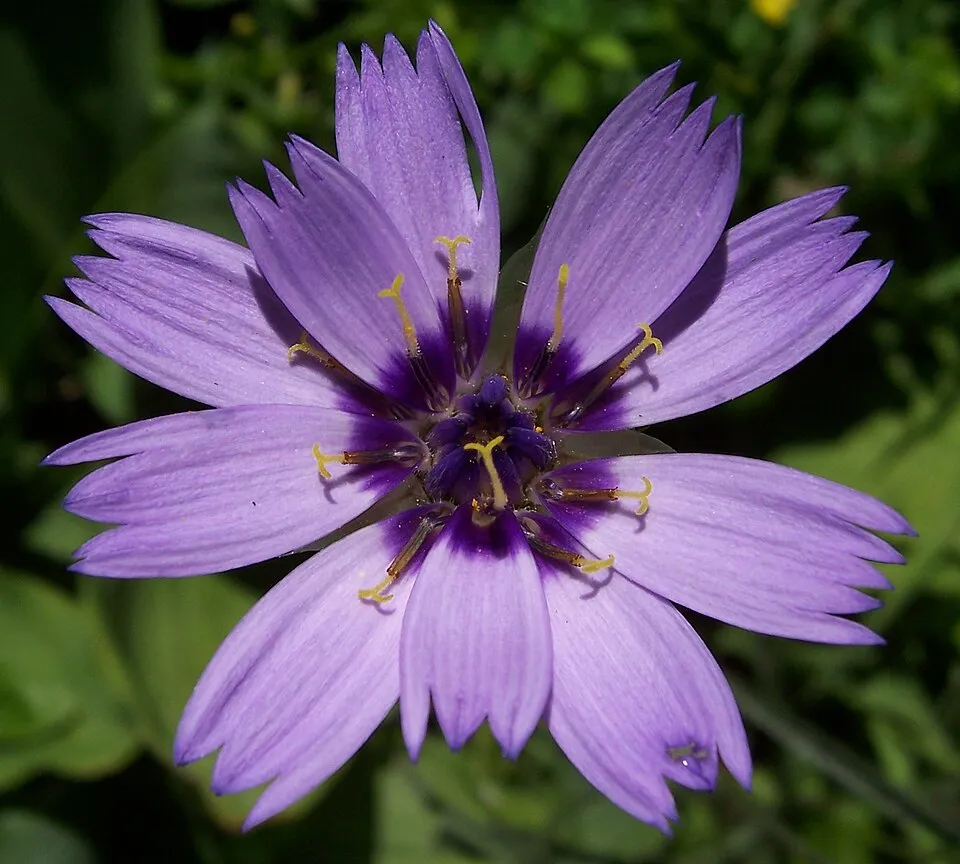
Catananche caerulea, widely known as Cupid's Dart, is a captivating perennial herbaceous plant belonging to the Asteraceae family, also recognized as the daisy or sunflower family, within the Asterales order. This species is indigenous to the sun-drenched Mediterranean region, spanning Western North Africa (Morocco, Algeria, Tunisia, Libya) and Southwestern Europe (Portugal, Spain, Andorra, France, and Italy), with naturalized populations observed in areas like Czechoslovakia. It typically forms a robust basal rosette of distinctive greyish-green, linear leaves, which can measure from 2 to 20 cm in length and 0.25 to 0.75 cm in width.
These leaves are often entire or pinnately incised with linear lobes and are covered in soft, woolly hairs, contributing to their characteristic color. From this rosette, one or more branched, erect flowering stems emerge, reaching heights of 20 to 90 cm. Each stem culminates in a solitary, conspicuous flowerhead, 1.5–2.5 cm long, featuring papery bracts.
The ligulate florets are a striking blue-purple, sometimes white, with a five-toothed strap, giving the plant its ornamental appeal. After flowering, the plant produces cylindrical, one-seeded fruits known as cypselas, each crowned with papery pappus scales, aiding in wind dispersal. Cupid’s Dart thrives in disturbed, young, or eroded carbonaceous soils, often found in plant communities of dwarf shrubs and perennials, highlighting its adaptability and resilience in various temperate climates.
Trusted Scientific References
1. Authoritative external sources for Catananche Caerulea
1.1 Wikipedia — Catananche Caerulea
1.2 Kew POWO (Plants of the World Online)
1.3 PubMed — peer-reviewed research
1.4 NCBI Taxonomy Browser
1.5 GBIF — Global Biodiversity
1.6Catananche Caerulea should be interpreted through verified botanical identity, practical care, and responsible safety language. This recovery note adds the missing context needed for a complete profile: match light to the plant's habit, use well-drained soil, water according to season, and avoid unsupported medicinal or edible claims. For publishing, the plant can be presented as a source-backed garden plant with clear care guidance, common problem diagnosis, and conservative safety wording.
1.1.Catananche Caerulea — Defining Traits
- ✓Striking Blue — Purple Flowers — Conspicuous ligulate florets add significant ornamental value.
- ✓'Cupid's Dart' Folklore — Named for its ancient Greek association with love potions.
- ✓Mediterranean Native — Adapted to dry, sunny climates of Southern Europe and North Africa.
- ✓Drought Tolerant — Once established, it requires minimal watering, ideal for xeriscaping.
- ✓Resilient Perennial — A short-lived herbaceous perennial that often self-seeds.
- ✓Greyish — Green Foliage — Distinctive linear leaves covered in soft, woolly hairs.
- ✓Attracts Pollinators — Flowers serve as a valuable nectar source for bees and butterflies.
- ✓Low Maintenance — Generally resistant to pests and diseases, requiring minimal care.
- ✓Ornamental and Traditional Use — Valued for both garden aesthetics and historical herbal applications.
- ✓Asteraceae Family Member — Shares characteristics with other daisy family plants.
1.2.Catananche Caerulea — Snapshot Summary
- ✓Cupid's Dart is a beautiful Mediterranean perennial from the Asteraceae family.
- ✓Historically known for its striking blue-purple flowers and 'love potion' folklore.
- ✓Traditional uses include anti-inflammatory, antioxidant, and digestive support.
- ✓Thrives in full sun and well-drained soil, known for drought tolerance.
- ✓Caution advised for pregnant/nursing individuals and those with Asteraceae allergies.
- ✓Valued for both its ornamental appeal and traditional herbal applications.
2.Catananche Caerulea — Taxonomic Classification
3.Catananche Caerulea — Botanical Stats
4.Catananche Caerulea — Morphological Account
5.Catananche Caerulea — Habitat & Distribution
6.Catananche Caerulea — Cultural & Traditional Roles
7.Catananche Caerulea — Active Compounds
- ✓Flavonoids — Compounds like quercetin and kaempferol are often present, known for their potent antioxidant and anti-inflammatory activities, contributing to cellular protection and reducing oxidative stress.
- ✓Sesquiterpene Lactones — These bitter compounds, characteristic of the Asteraceae family, may impart anti-inflammatory, antimicrobial, and potentially cytotoxic properties, influencing the plant's traditional uses.
- ✓Phenolic Acids — Including caffeic acid and chlorogenic acid, these compounds are strong antioxidants, playing a role in protecting against free radical damage and supporting cardiovascular health.
- ✓Polysaccharides — Complex carbohydrates found in the plant contribute to its potential immunomodulatory effects, supporting the body's natural defense mechanisms.
- ✓Triterpenes — Such as lupeol and β-amyrin, these compounds are often associated with anti-inflammatory, analgesic, and hepatoprotective actions, contributing to the plant's therapeutic profile.
- ✓Coumarins — Simple phenolic compounds that may exhibit anti-coagulant, anti-inflammatory, and antimicrobial activities, found in various plant species.
- ✓Volatile Oils — Trace amounts of essential oils containing monoterpenes and sesquiterpenes may be present, contributing to the plant's subtle aroma and potential antimicrobial properties.
- ✓Sterols — Plant sterols like β-sitosterol are known for their cholesterol-lowering effects and anti-inflammatory properties, supporting overall health.
- ✓Saponins — These glycosides may have expectorant, anti-inflammatory, and immune-stimulating effects, though their specific role in Catananche caerulea is less defined.
8.Catananche Caerulea — Research Insights
- ✓Anti-inflammatory Support — Traditionally, Catananche caerulea has been recognized for its potential to soothe inflammation, a property often attributed to phenolic compounds and flavonoids common in the Asteraceae family, which may help mitigate various bodily discomforts.
- ✓Antioxidant Protection — Rich in antioxidant compounds, Cupid's Dart is believed to help neutralize free radicals, thereby protecting cells from oxidative stress and supporting overall cellular health, as per traditional herbal practices.
- ✓Digestive Aid — In folk medicine, particularly within systems like Ayurveda as mentioned in historical texts, preparations from Catananche caerulea were used to stimulate digestion, alleviate minor gastrointestinal upsets, and promote a healthy gut flora.
- ✓Headache Relief — Traditional remedies suggest that infusions or decoctions of Cupid's Dart may offer relief from minor headaches and tension, possibly due to its calming properties or interaction with pain pathways.
- ✓Skin Health Enhancement — Applied topically, Catananche caerulea is thought to possess properties beneficial for skin health, including reducing minor irritations, supporting wound healing, and contributing to a clearer complexion, drawing from its traditional use.
- ✓Mood and Emotional Balance — Historically, the plant's association with 'love potions' in ancient Greek culture hints at a traditional belief in its ability to influence mood or emotional states, though this is primarily folkloric and not scientifically substantiated for direct medicinal use.
- ✓Diuretic Properties — Some traditional accounts suggest a mild diuretic effect, aiding in the body's natural detoxification processes by promoting increased urine output.
- ✓Mild Sedative Effects — Anecdotal evidence from historical uses occasionally points to a gentle calming effect, potentially beneficial for mild anxiety or restlessness, although scientific validation is lacking.
- ✓Immune System Support — While not extensively studied, the presence of polysaccharides and other bioactive compounds in related Asteraceae species suggests potential for Catananche caerulea to offer subtle immune-modulating benefits, as observed in general herbalism.
8.1.Catananche Caerulea — Conditions Traditionally Used For
9.Catananche Caerulea — Adverse Effects
9.1.Catananche Caerulea — Possible Adverse Reactions
- ✓Allergic Reactions — Individuals sensitive to plants in the Asteraceae family may experience allergic reactions, including skin rashes, itching, or respiratory issues.
- ✓Gastrointestinal Upset — High doses or sensitive individuals might experience mild stomach discomfort, nausea, or diarrhea.
- ✓Photosensitivity — Some Asteraceae species can cause photosensitivity; users should monitor for increased skin sensitivity to sunlight.
- ✓Drug Interactions — Potential interactions with certain medications, particularly those affecting blood clotting or liver enzymes, due to unknown active compounds.
- ✓Pregnancy and Lactation Concerns — Insufficient data exists on its safety during pregnancy and breastfeeding, hence use should be avoided.
- ✓Skin Irritation — Direct topical application may cause irritation in individuals with sensitive skin, especially if applied undiluted.
9.2.Catananche Caerulea — Risk Assessment
- ✓Pregnancy and Breastfeeding — Avoid use during pregnancy and lactation due to a lack of sufficient safety data and potential unknown effects on fetal development or infant health.
- ✓Children — Not recommended for use in infants and young children, as safety and appropriate dosages have not been established.
- ✓Allergic History — Individuals with known allergies to other plants in the Asteraceae family (e.g., ragweed, chamomile, marigolds) should exercise caution or avoid use due to potential cross-reactivity.
- ✓Pre-existing Conditions — Consult a healthcare professional before use if you have pre-existing medical conditions, especially liver or kidney disorders.
- ✓Medication Interactions — Exercise caution if taking prescription medications, particularly anticoagulants or immunosuppressants, as potential interactions are not well-documented.
- ✓Patch Test — Before topical application, perform a patch test on a small area of skin to check for any adverse reactions or sensitivities.
- ✓Dosage — Adhere to recommended traditional dosages; excessive consumption may increase the risk of adverse effects.
10.Catananche Caerulea — How to Use
- ✓Herbal Infusions — Dried leaves and flowers can be steeped in hot water to create a traditional herbal tea, often consumed for digestive support or as a general tonic.
- ✓Topical Poultices — Crushed fresh leaves can be applied directly to the skin as a poultice to soothe minor irritations, insect bites, or support skin health, drawing from historical applications.
- ✓Tinctures — The plant material can be macerated in alcohol to produce a tincture, offering a concentrated form for internal use, typically administered in drops.
- ✓Dried Flower Arrangements — Beyond medicinal uses, the beautiful blue-purple flowers are popular for drying and incorporating into floral arrangements, reflecting its ornamental value.
- ✓Culinary Accent — While not a primary culinary herb, the aromatic foliage, in very small quantities, might be used as a subtle accent in certain dishes, though caution is advised.
- ✓Symbolic Use — Drawing from its historical 'Cupid's Dart' moniker, the flowers can be used symbolically in romantic gestures or traditional ceremonies, connecting to its ancient folklore.
- ✓Herbal Baths — Infusions of the plant can be added to bathwater for a relaxing and skin-soothing experience, utilizing its aromatic and traditional skin-beneficial properties.
11.Catananche Caerulea — Growing Guide
- ✓Site Selection — Choose a location with full sun exposure, ensuring the plant receives at least 6-8 hours of direct sunlight daily for optimal growth and flowering.
- ✓Soil Requirements — Plant in well-drained, loamy soil rich in organic matter. Cupid's Dart prefers carbonaceous soils and tolerates a range of pH levels, but good drainage is crucial to prevent root rot.
- ✓Watering — Once established, Catananche caerulea is moderately drought-tolerant. Water regularly during dry spells, but avoid overwatering, allowing the soil to dry out between waterings.
- ✓Propagation — Can be propagated by seed, which often self-sows readily. Seeds can be sown directly in spring after the last frost or started indoors for earlier blooms.
- ✓Maintenance — This short-lived perennial benefits from deadheading spent flowers to encourage continuous blooming and prevent excessive self-seeding. Minimal fertilization is required, especially in organically rich soils.
- ✓Pests and Diseases — Catananche caerulea is generally resilient to pests and diseases, requiring minimal intervention. Ensure good air circulation to prevent fungal issues in humid conditions.
- ✓Hardiness — Hardy in temperate climates, it can withstand moderate frosts. In colder regions, a protective mulch layer in winter may be beneficial for root survival.
Reviewed by the Flora Medical Global Botanical Review Panel
Multi-disciplinary editorial group · Botany · Ethnobotany · Herbal-medicine literature
Who reviewed this: This page was checked by the Flora Medical Global Botanical Review Panel — an in-house editorial group of botany graduates, ethnobotany researchers, and horticulture practitioners who collectively maintain our 7,000+ plant encyclopedia. Meet the team.
Our 4-step verification process
1. Taxonomic verification
Scientific names and synonyms cross-checked against Kew POWO, World Flora Online, and The Plant List.
2. Phytochemical & medicinal cross-reference
Active compounds, traditional uses, and reported activities are cross-referenced with PubMed, USDA Dr. Duke's database, and peer-reviewed ethnobotanical literature.
3. Conservation & distribution check
Distribution, ecology, and conservation status confirmed against GBIF occurrence records and the IUCN Red List.
4. Editorial & safety review
Every entry passes an editorial pass for clarity, originality, and safety notices (toxicity, contraindications, dosage caveats) before publication.
Last reviewed:
Important medical disclaimer: This content is for educational and research purposes only. It is not medical advice and is not a substitute for consultation with a licensed healthcare provider. Do not use any herb to self-treat a medical condition without professional guidance.
Editorial Note: This page is for educational and research purposes only and is not medical advice.
Written by: Flora Medical Global Editorial Team
Reviewed by: Flora Medical Global Botanical Review Panel
Last Updated: June 15, 2026





Catananche Caerulea — Comments & Community Reviews
Rate this plant