


Medical Disclaimer: This content is for educational purposes only. It is not medical advice. Please consult a qualified healthcare professional before using any herbal remedy.
Safety Overview
1.Cayratia — At a Glance
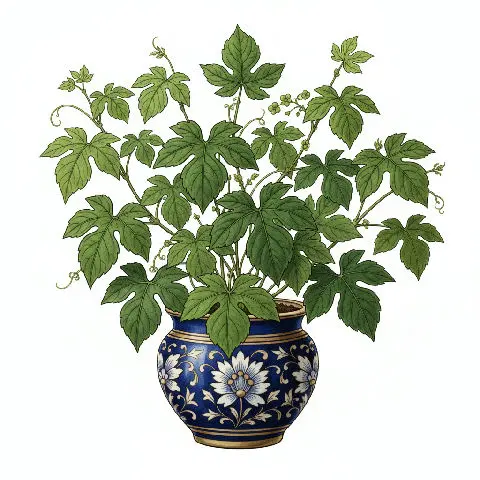
Cayratia trifolia, commonly known as Fox-grape or three-leaf wild vine, is a robust perennial climbing vine belonging to the Vitaceae family, which also includes cultivated grapes. This vigorous climber can extend up to 5 meters in length, using its specialized tendrils to ascend over and through other vegetation such as trees and shrubs, often forming dense thickets. The plant’s stems are typically green and slightly pubescent when young, gradually developing a more woody texture and reddish-brown hue as they mature, providing a strong framework for its expansive growth. The distinctive leaves of Cayratia trifolia are trifoliate, meaning they are composed of three separate leaflets, giving rise to its specific epithet 'trifolia'. These leaflets are broadly ovate to oblong-ovate, measuring approximately 7 to 15 centimeters long and 5 to 10 centimeters wide. They exhibit a glossy, dark green upper surface and prominent reticulate venation on the underside, with distinctly serrated margins, and are arranged alternately along the stem on petioles typically 2-3 cm long.
The plant's morphology is well-adapted for efficient light capture in various tropical environments. Flowering occurs in loose, axillary or terminal cymes, producing small, inconspicuous yet attractive flowers that range in color from greenish-white to pale yellow. Each flower typically possesses five petals, measuring around 5 mm, and exhibits a delicate, symmetrical structure. These blossoms later develop into the plant's characteristic berries. The fruits are small, nearly spherical, and fleshy, ripening to a deep purple or black hue, approximately 7 to 10 mm in diameter. Inside, the fruits contain triangular seeds with rounded apices and obtuse ribs along the margin, facilitating dispersal.
Cayratia trifolia is native to a broad expanse of tropical and subtropical regions, encompassing parts of Southeast Asia, India, Australia, and Africa. Its geographical distribution includes countries like Bangladesh, Burma, Ceylon, Cambodia, Indonesia, Laos, Malaysia, Pakistan, Thailand, and Vietnam. It thrives in environments with abundant sunlight and moisture, commonly found in diverse habitats such as disturbed forests, open woodlands, coastal areas, and along riverbanks, often at altitudes up to 600 meters. Its adaptability allows it to colonize disturbed areas rapidly, making it a common sight in many tropical landscapes. Trusted Scientific References Authoritative external sources for Cayratia tr ...[CURRENT TEXT EXISTS: 2657 chars]
1.1.Cayratia — Distinguishing Points
- ✓Botanical Classification — A perennial climbing vine belonging to the Vitaceae family, related to grapes.
- ✓Distinctive Foliage — Characterized by trifoliate leaves with serrated margins and prominent venation.
- ✓Edible Berries — Produces small, spherical, dark purple to black fleshy fruits.
- ✓Wide Distribution — Native across tropical and subtropical regions of Asia, Australia, and Africa.
- ✓Rich Phytochemistry — Contains significant amounts of flavonoids, stilbenes, and triterpenes.
- ✓Traditional Medicinal Uses — Employed in traditional medicine systems for various ailments including diabetes, inflammation, and wounds.
- ✓Adaptable Growth — Thrives in diverse habitats from disturbed forests to riverbanks.
- ✓Climber with Tendrils — Utilizes tendrils for vigorous climbing and support.
- ✓Antioxidant Powerhouse — High in compounds known for potent antioxidant properties.
- ✓Antimicrobial Activity — Demonstrated efficacy against a range of microbes.
1.2.Cayratia — Snapshot Summary
- ✓Cayratia trifolia is a robust perennial climbing vine in the Vitaceae family, known for its trifoliate leaves and dark purple berries.
- ✓Native to tropical and subtropical Asia and Australia, it thrives in warm, moist environments.
- ✓Traditionally used for diabetes, inflammation, snake bites, and as a diuretic.
- ✓Rich in bioactive compounds like flavonoids, stilbenes (resveratrol), and triterpenes.
- ✓Exhibits antioxidant, anti-inflammatory, antimicrobial, and hypoglycemic activities.
- ✓Requires careful usage due to the presence of hydrocyanic acid and potential drug interactions.
2.Cayratia — Scientific Identity
3.Cayratia — Key Data
4.Cayratia — Botanical Features
5.Cayratia — Ecological Habitat
6.Cayratia — Folk Medicine Applications
7.Cayratia — Key Phytochemicals
- ✓Flavonoids — Key compounds include quercetin, kaempferol, myricetin, cyanidin, and delphinidin, which contribute to the plant's antioxidant, anti-inflammatory, and antimicrobial activities.
- ✓Stilbenes — Notable stilbenes present are piceid, resveratrol, viniferin, and ampelopsin, recognized for their strong antioxidant, anti-inflammatory, and potential cardioprotective effects.
- ✓Triterpenes — Compounds such as epifriedelanol have been identified, contributing to the plant's anti-inflammatory and possibly cytotoxic properties.
- ✓Steroids/Terpenoids — Preliminary phytochemical screening indicates the presence of various steroids and terpenoids, which often possess diverse pharmacological activities like anti-inflammatory and adaptogenic effects.
- ✓Tannins — These polyphenolic compounds are found in the plant, imparting astringent properties and contributing to its antioxidant and antimicrobial actions.
- ✓Hydrocyanic Acid — Reported in the stem, leaves, and roots, its presence necessitates careful preparation and dosage due to potential toxicity in raw or high concentrations.
- ✓Waxy Oil — A yellow waxy oil has been identified, though its specific medicinal properties are less characterized.
- ✓Saponins — These glycosides are common in the Vitaceae family and may contribute to the plant's anti-inflammatory and cholesterol-lowering potential.
- ✓Phenolic Acids — Various phenolic acids contribute to the overall antioxidant capacity and protective effects against oxidative stress.
- ✓Alkaloids — While not extensively highlighted, some plant species may contain trace alkaloids with specific pharmacological actions.
8.Cayratia — Evidence-Based Benefits
- ✓Antidiabetic Activity — Traditionally, infusions of seeds and tubers are used to help manage blood sugar levels, showing potential hypoglycemic effects.
- ✓Anti-inflammatory Properties — Extracts from the plant, particularly the bark, have demonstrated anti-inflammatory actions, potentially reducing swelling and pain.
- ✓Antioxidant Effects — Rich in flavonoids and stilbenes, Cayratia trifolia exhibits significant antioxidant activity, protecting cells from oxidative damage.
- ✓Antimicrobial Action — The plant has been reported to possess antiviral, antibacterial, and antiprotozoal activities, suggesting broad-spectrum defense against pathogens.
- ✓Diuretic Properties — The whole plant is traditionally utilized as a diuretic, aiding in the increased excretion of urine and potentially assisting in fluid balance.
- ✓Anticancer Potential — Research indicates that certain extracts may exhibit anticancer or antitumor activities, warranting further investigation into its chemopreventive properties.
- ✓Wound Healing — A paste made from the tuberous roots is traditionally applied to treat snake bites, and poultices of leaves are used for yoke sores in bullocks, indicating wound-healing capabilities.
- ✓Neuroprotective Benefits — Traditional uses for neuralgia suggest potential benefits in nerve pain management, possibly due to anti-inflammatory or analgesic compounds.
- ✓Hepatoprotective Effects — The use in splenopathy hints at potential protective effects on the liver and spleen, crucial organs for detoxification and immunity.
- ✓Pain Relief — Due to its anti-inflammatory and traditional uses in conditions like neuralgia, the plant may offer analgesic benefits.
- ✓Digestive Aid — Some traditional uses imply a role in improving digestive health, though specific mechanisms are less documented.
- ✓Cardiovascular Support — The presence of stilbenes like resveratrol, known for cardiovascular benefits, suggests potential for heart health, although direct studies on Cayratia trifolia are needed.
8.1.Cayratia — Indications & Uses
9.Cayratia — Safety Considerations
9.1.Cayratia — Caution Notes
- ✓Gastrointestinal Upset — High doses or raw consumption may lead to nausea, vomiting, or diarrhea in sensitive individuals.
- ✓Hypoglycemia — Individuals with diabetes, especially those on medication, should monitor blood sugar closely as it may potentiate hypoglycemic effects.
- ✓Allergic Reactions — Topical application or ingestion can potentially cause skin rashes, itching, or other allergic responses in susceptible persons.
- ✓Hydrocyanic Acid Toxicity — Raw plant parts contain hydrocyanic acid; improper preparation or excessive consumption of raw material could lead to toxicity symptoms.
- ✓Hypotension — Due to potential diuretic and cardiovascular effects, individuals with low blood pressure or on hypotensive medications should use with caution.
- ✓Pregnancy and Lactation Concerns — Lack of sufficient safety data advises against its use during pregnancy and breastfeeding.
- ✓Drug Interactions — May interact with antidiabetic drugs, blood thinners, or medications affecting blood pressure; consult a healthcare provider.
9.2.Cayratia — Safety Overview
- ✓Professional Consultation — Always consult a qualified healthcare professional or medical herbalist before using Cayratia trifolia, especially if pregnant, nursing, or on medication.
- ✓Pregnancy and Lactation — Avoid use during pregnancy and lactation due to insufficient safety data and potential effects.
- ✓Blood Sugar Monitoring — Diabetics should closely monitor blood glucose levels when using this plant, as it may lower blood sugar.
- ✓Patch Test — Perform a patch test on a small skin area before extensive topical application to check for allergic reactions.
- ✓Proper Preparation — Ensure plant material is properly prepared, especially if using parts that contain hydrocyanic acid, to minimize toxicity.
- ✓Dosage Adherence — Adhere strictly to recommended dosages; excessive consumption of any herbal remedy can lead to adverse effects.
- ✓Children and Infants — Use in children and infants is not recommended without expert medical advice.
10.Cayratia — Usage Guide
- ✓Decoction — Prepare a decoction by boiling chopped stems or roots in water for 15-20 minutes, then strain and consume for internal benefits.
- ✓Infusion — Steep fresh or dried leaves in hot water for 5-10 minutes to make a medicinal tea, often used for its diuretic or antidiabetic properties.
- ✓Poultice — Crush fresh leaves or tubers to form a paste, which can be applied topically to wounds, snake bites, or inflamed areas for soothing and healing.
- ✓Juice — Extract fresh juice from leaves or fruits; the fruit juice can be consumed for general wellness, while leaf juice may be potent and require dilution.
- ✓Topical Paste — Grind dried plant material into a fine powder and mix with a carrier (e.g., water, oil) to create a paste for external application.
- ✓Standardized Extracts — Utilize commercially prepared standardized extracts in capsule or liquid form for precise dosing, ensuring consistent potency.
- ✓Dietary Inclusion — Ripe fruits can be consumed fresh or incorporated into jams and jellies, offering nutritional benefits.
11.Cayratia — Garden Cultivation
- ✓Climate — Thrives in tropical and subtropical climates with high humidity and warm temperatures (20-35°C).
- ✓Soil — Prefers well-drained, fertile loamy soils with a pH range of 6.0 to 7.5; tolerant of various soil types but organic matter improves growth.
- ✓Sunlight — Requires abundant sunlight for optimal growth, ideally full sun to partial shade; too much shade can reduce vigor and fruit production.
- ✓Watering — Needs consistent moisture, especially during dry periods; regular watering is crucial but avoid waterlogging to prevent root rot.
- ✓Propagation — Easily propagated from seeds, which should be scarified before planting, or via stem cuttings for faster establishment.
- ✓Support Structure — As a climbing vine, it requires a sturdy trellis, fence, or other plants for support to climb and spread effectively.
- ✓Pest and Disease Management — Generally robust, but watch for common vine pests like aphids or fungal infections in overly humid conditions; ensure good air circulation.
- ✓Harvesting — Leaves can be harvested as needed, while fruits are collected when ripe (dark purple/black). Roots and stems are typically harvested from mature plants.
Reviewed by the Flora Medical Global Botanical Review Panel
Multi-disciplinary editorial group · Botany · Ethnobotany · Herbal-medicine literature
Who reviewed this: This page was checked by the Flora Medical Global Botanical Review Panel — an in-house editorial group of botany graduates, ethnobotany researchers, and horticulture practitioners who collectively maintain our 7,000+ plant encyclopedia. Meet the team.
Our 4-step verification process
1. Taxonomic verification
Scientific names and synonyms cross-checked against Kew POWO, World Flora Online, and The Plant List.
2. Phytochemical & medicinal cross-reference
Active compounds, traditional uses, and reported activities are cross-referenced with PubMed, USDA Dr. Duke's database, and peer-reviewed ethnobotanical literature.
3. Conservation & distribution check
Distribution, ecology, and conservation status confirmed against GBIF occurrence records and the IUCN Red List.
4. Editorial & safety review
Every entry passes an editorial pass for clarity, originality, and safety notices (toxicity, contraindications, dosage caveats) before publication.
Last reviewed:
Important medical disclaimer: This content is for educational and research purposes only. It is not medical advice and is not a substitute for consultation with a licensed healthcare provider. Do not use any herb to self-treat a medical condition without professional guidance.
Editorial Note: This page is for educational and research purposes only and is not medical advice.
Written by: Flora Medical Global Editorial Team
Reviewed by: Flora Medical Global Botanical Review Panel
Last Updated: June 15, 2026





Cayratia — Comments & Community Reviews
Rate this plant