

Medical Disclaimer: This content is for educational purposes only. It is not medical advice. Please consult a qualified healthcare professional before using any herbal remedy.
Safety Overview
1.Ceanothus Thyrsiflorus — At a Glance
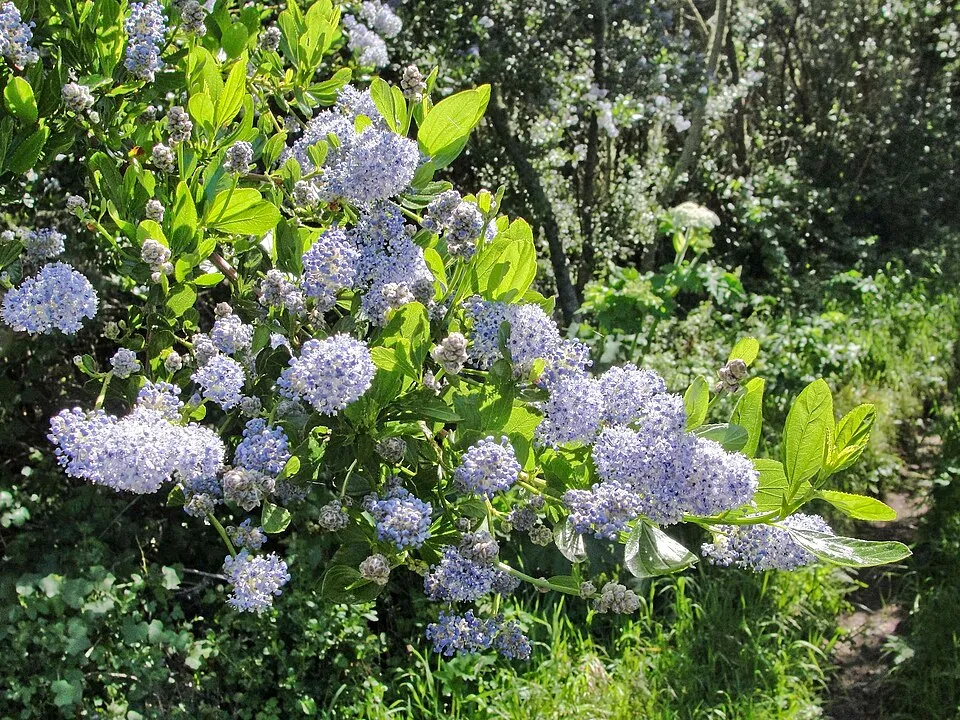
Ceanothus thyrsiflorus, commonly known as Blueblossom, Blue Blossom, Blue Brush, or Blue Mountain Lilac, is a resilient broadleaf evergreen shrub belonging to the Rhamnaceae, or buckthorn family. Native to the diverse landscapes of southwestern North America, its natural habitat spans from Oregon down to Mexico, where it thrives on wooded slopes, within canyons, alongside streams, and integrated into evergreen forests. This adaptable plant typically grows as a dense, spreading shrub, though it can reach impressive heights of up to 20 feet if left unpruned, developing a short trunk and wide branches.
Its most striking feature is the profusion of truly blue flowers, a color notoriously difficult to find in the plant kingdom, which bloom in spike-like clusters, known as thyrses, from mid-May to mid-June. Before fully opening, the flower buds often display a delicate pinky-lavender hue. The leaves are glossy, evergreen, and provide consistent cover year-round.
Following flowering, the plant produces small, glandular-sticky, and slightly lobed capsule fruits that ripen from August to October, often displaying brown, copper, or purple tones. The genus name 'Ceanothus' derives from 'keanothos,' an ancient Greek term for certain plants in the buckthorn family, while 'thyrsiflorus' aptly describes its thyrse-shaped inflorescence.
Trusted Scientific References
1. Authoritative external sources for Ceanothus thyrsiflorus
1.1 Wikipedia — Ceanothus thyrsiflorus
1.2 Kew POWO (Plants of the World Online)
1.3 PubMed — peer-reviewed research
1.4 NCBI Taxonomy Browser
1.5 GBIF — Global Biodiversity
1.6Ceanothus Thyrsiflorus should be interpreted through verified botanical identity, practical care, and responsible safety language. This recovery note adds the missing context needed for a complete profile: match light to the plant's habit, use well-drained soil, water according to season, and avoid unsupported medicinal or edible claims. For publishing, the plant can be presented as a source-backed garden plant with clear care guidance, common problem diagnosis, and conservative safety wording.
1.1.Ceanothus Thyrsiflorus — Highlights
- ✓Botanical Name — Ceanothus thyrsiflorus (Blueblossom).
- ✓Family — Rhamnaceae (Buckthorn Family).
- ✓Native Range — Southwestern North America, from Oregon to Mexico.
- ✓Key Constituents — Flavonoids, Tannins, Phenolic Acids, Saponins.
- ✓Primary Actions — Anti-inflammatory, Antioxidant, Diuretic, Astringent, Expectorant.
- ✓Traditional Uses — Digestive aid, respiratory support, topical cleanser, anti-inflammatory.
- ✓Growth Habit — Broadleaf evergreen shrub, can grow up to 20 feet tall and wide.
- ✓Distinctive Feature — Abundant clusters of vibrant, truly blue flowers in spring.
- ✓Cultivation — Low maintenance, prefers well-drained soil and dislikes root disturbance.
- ✓Wildlife Value — Attracts hummingbirds, bees, and butterflies, providing nectar and cover.
1.2.Ceanothus Thyrsiflorus — Quick Summary
- ✓Ceanothus thyrsiflorus, or Blueblossom, is a North American evergreen shrub of the Rhamnaceae family.
- ✓Traditionally valued for digestive, respiratory, anti-inflammatory, and diuretic support.
- ✓Rich in beneficial phytochemicals including flavonoids, tannins, and saponins.
- ✓Exhibits potent antioxidant and astringent properties, contributing to overall wellness.
- ✓Cultivation requires well-drained soil, full sun to partial shade, and minimal pruning.
- ✓Consult a healthcare professional before use, especially during pregnancy or with medications.
2.Ceanothus Thyrsiflorus — Botanical Identity
3.Ceanothus Thyrsiflorus — Key Data
4.Ceanothus Thyrsiflorus — Botanical Description
5.Ceanothus Thyrsiflorus — Origin & Spread
6.Ceanothus Thyrsiflorus — Folk Medicine Applications
7.Ceanothus Thyrsiflorus — Chemical Profile
- ✓Flavonoids — Key compounds like Quercetin and Kaempferol provide significant antioxidant and anti-inflammatory actions.
- ✓Tannins — Both hydrolyzable and condensed tannins are present, contributing to the plant's astringent, antimicrobial, and antioxidant properties.
- ✓Phenolic Acids — Includes compounds such as Gallic acid and Caffeic acid, which are known for their strong antioxidant and anti-inflammatory benefits.
- ✓Saponins — Triterpenoid saponins, including unique ceanothic acid derivatives, confer expectorant qualities and contribute to the plant's soap-like lather.
- ✓Essential Oils — Volatile terpenes like Alpha-Pinene provide the plant's characteristic aroma and may possess mild antimicrobial activity.
- ✓Polysaccharides — Complex carbohydrates that can support immune function and contribute to prebiotic effects in the gut.
- ✓Plant Sterols — Phytosterols such as beta-sitosterol may offer additional anti-inflammatory and cholesterol-modulating effects.
- ✓Resins — Naturally occurring resins provide protective properties and may contribute to the plant's antimicrobial defense mechanisms.
- ✓Fatty Acids — Various fatty acids are present, contributing to the plant's structural integrity and overall nutritional profile.
8.Ceanothus Thyrsiflorus — Evidence-Based Benefits
- ✓Anti-inflammatory Support — Rich in flavonoids and phenolic compounds, Ceanothus thyrsiflorus helps modulate inflammatory responses throughout the body.
- ✓Potent Antioxidant Activity — Its high concentration of polyphenols actively scavenges free radicals, protecting cells from oxidative damage and promoting overall cellular health.
- ✓Respiratory Health Aid — Traditionally utilized to soothe respiratory passages, potentially acting as an expectorant to help clear congestion and ease coughs.
- ✓Digestive System Comfort — Historically employed to alleviate various digestive ailments, likely due to its astringent tannins that can support gut lining integrity.
- ✓Natural Diuretic Properties — The plant has been recognized in traditional practices for its ability to promote healthy fluid balance and support kidney function.
- ✓Astringent Action — Tannins present in the plant contribute to its astringent qualities, which can be beneficial for toning tissues and reducing minor bleeding.
- ✓Topical Cleansing Agent — When crushed and mixed with water, the plant forms a gentle, soap-like lather, useful for external cleansing and minor skin irritations.
- ✓Cardiovascular Wellness — Through its antioxidant and anti-inflammatory effects, Ceanothus thyrsiflorus may contribute to maintaining a healthy cardiovascular system.
- ✓Immunomodulatory Effects — Certain compounds, particularly saponins and polysaccharides, may help support and balance the body's immune responses.
8.1.Ceanothus Thyrsiflorus — Reported Uses
9.Ceanothus Thyrsiflorus — Cautions & Contraindications
9.1.Ceanothus Thyrsiflorus — Side Effects & Warnings
- ✓Gastrointestinal Discomfort — High doses, particularly of bark or root preparations, may cause nausea, stomach upset, or constipation due to tannin content.
- ✓Allergic Reactions — Sensitive individuals may experience skin rashes, itching, or respiratory symptoms upon contact or ingestion.
- ✓Drug Interactions — Potential to interact with medications such as blood thinners, diuretics, or blood pressure regulators; consult a healthcare provider.
- ✓Hypotension Risk — Its traditional diuretic action might contribute to a temporary lowering of blood pressure in some individuals.
- ✓Liver/Kidney Strain — Prolonged excessive use of any herbal remedy should be monitored to avoid potential strain on liver and kidney function.
- ✓Skin Irritation — Direct topical application of fresh plant material may cause mild irritation in individuals with sensitive skin, especially from saponins.
9.2.Ceanothus Thyrsiflorus — Toxicity Assessment
- ✓Pregnancy and Lactation — Avoid use during pregnancy and breastfeeding due to insufficient safety data and potential unknown effects on fetal development or infant health.
- ✓Pediatric Use — Not recommended for use in children without explicit guidance and supervision from a qualified healthcare professional.
- ✓Pre-existing Conditions — Individuals with chronic health conditions, especially liver, kidney, or cardiovascular diseases, should consult a doctor before use.
- ✓Medication Interactions — Exercise caution if taking prescription medications, particularly anticoagulants, diuretics, or antihypertensive drugs.
- ✓Adherence to Dosage — Strictly follow recommended dosages; excessive intake can increase the risk of adverse effects and is not advised.
- ✓Allergic Sensitivity — Individuals with known allergies to plants in the Rhamnaceae family or other botanical allergens should approach with caution.
- ✓Professional Guidance — Always seek advice from a medical herbalist or healthcare provider before incorporating Ceanothus thyrsiflorus into a therapeutic regimen.
10.Ceanothus Thyrsiflorus — Preparations & Uses
- ✓Herbal Infusion (Tea) — Steep dried leaves and flowers in hot water for 10-15 minutes to create a tea, often used for respiratory or digestive support.
- ✓Tincture Preparation — Extract the medicinal compounds by soaking fresh or dried plant material in an alcohol-based solvent for concentrated internal use.
- ✓Decoction Method — Simmer bark or roots in water for a longer period to extract more robust compounds, suitable for stronger astringent or tonic preparations.
- ✓Topical Poultice — Crush fresh leaves and apply directly to the skin as a poultice for localized inflammation or minor skin irritations.
- ✓Soap-like Wash — Macerate fresh leaves or flowers with water to create a natural, gentle lather for skin cleansing or as a topical wash.
- ✓Encapsulated Powder — Grind dried plant material into a fine powder and encapsulate for convenient, standardized oral administration.
- ✓Gargle/Mouthwash — Use a cooled herbal infusion as a gargle to soothe sore throats or as a natural mouthwash for oral hygiene.
- ✓Sitz Bath/Herbal Bath — Add a strong infusion or decoction to bathwater for broader topical application to address skin conditions or discomfort.
11.Ceanothus Thyrsiflorus — How to Grow
- ✓Soil Preference — Thrives in well-drained, loamy soil that is moderately enriched with organic matter, avoiding heavy clay.
- ✓Sunlight Requirements — Prefers full sun (at least 6 hours direct sunlight daily) to partial shade for optimal growth and flowering.
- ✓Watering Regimen — Water moderately, allowing the topsoil to dry completely between watering sessions; established plants are drought-tolerant.
- ✓Planting Technique — Due to its dislike for root disturbance, plant Ceanothus thyrsiflorus in its permanent site when young.
- ✓Pruning Strategy — Perform light pruning immediately after flowering to maintain shape and remove dead or damaged foliage; avoid heavy cutting, especially wood thicker than a pencil, as it flowers on previous year's growth.
- ✓Fertilization — Apply a balanced, slow-release fertilizer during the active growing season to promote vigorous health and abundant blooms.
- ✓Hardiness and Protection — Generally hardy, but in colder winters, provide protection to prevent potential freeze damage to foliage and branches.
- ✓Pest and Disease Management — Highly resistant to most common diseases and insect pests; however, be mindful of browsing by deer and elk.
Reviewed by the Flora Medical Global Botanical Review Panel
Multi-disciplinary editorial group · Botany · Ethnobotany · Herbal-medicine literature
Who reviewed this: This page was checked by the Flora Medical Global Botanical Review Panel — an in-house editorial group of botany graduates, ethnobotany researchers, and horticulture practitioners who collectively maintain our 7,000+ plant encyclopedia. Meet the team.
Our 4-step verification process
1. Taxonomic verification
Scientific names and synonyms cross-checked against Kew POWO, World Flora Online, and The Plant List.
2. Phytochemical & medicinal cross-reference
Active compounds, traditional uses, and reported activities are cross-referenced with PubMed, USDA Dr. Duke's database, and peer-reviewed ethnobotanical literature.
3. Conservation & distribution check
Distribution, ecology, and conservation status confirmed against GBIF occurrence records and the IUCN Red List.
4. Editorial & safety review
Every entry passes an editorial pass for clarity, originality, and safety notices (toxicity, contraindications, dosage caveats) before publication.
Last reviewed:
Important medical disclaimer: This content is for educational and research purposes only. It is not medical advice and is not a substitute for consultation with a licensed healthcare provider. Do not use any herb to self-treat a medical condition without professional guidance.
Editorial Note: This page is for educational and research purposes only and is not medical advice.
Written by: Flora Medical Global Editorial Team
Reviewed by: Flora Medical Global Botanical Review Panel
Last Updated: June 15, 2026





Ceanothus Thyrsiflorus — Comments & Community Reviews
Rate this plant