
Medical Disclaimer: This content is for educational purposes only. It is not medical advice. Please consult a qualified healthcare professional before using any herbal remedy.
Safety Overview
1.Celastrus Orbiculatus — Plant Snapshot
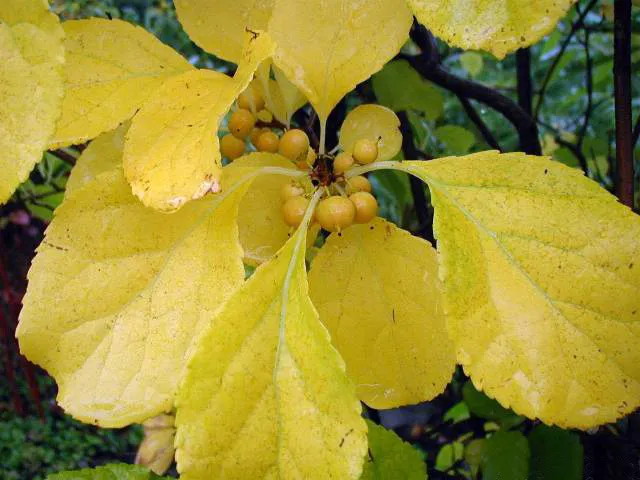
Celastrus orbiculatus, commonly known as Oriental Bittersweet or Asian Bittersweet, is a vigorous, deciduous woody vine belonging to the Celastraceae family. Native to East Asia, particularly Korea, China, and Japan, it has become a highly invasive species in North America after its introduction around 1860 for ornamental purposes and erosion control. This liana-like plant is characterized by its twining stems that can grow to considerable lengths, encircling and potentially girdling host trees.
Its leaves are alternate, broadly ovate to nearly round, and finely toothed. In autumn, it produces distinctive, showy fruits—small, globular capsules that split open to reveal bright orange-red arils, which are attractive but also a key mechanism for its spread by birds. Oriental Bittersweet thrives in a variety of habitats, including mesic mixed-hardwood forests, forest edges, coniferous woodlands, shrublands, and even disturbed areas like old fields and coastal zones.
It demonstrates remarkable adaptability to different soil types and light conditions, from full sun to partial shade, contributing to its invasive success across a wide range of ecosystems in the eastern United States and parts of Canada. Its robust growth and prolific seed production make it a significant ecological concern in non-native regions, while its root bark and other parts hold a long history of use in traditional Asian medicine.
Trusted Scientific References
1. Authoritative external sources for Celastrus orbiculatus
1.1 Wikipedia — Celastrus orbiculatus
1.2 Kew POWO (Plants of the World Online)
1.3 PubMed — peer-reviewed research
1.4 NCBI Taxonomy Browser
1.5 GBIF — Global Biodiversity
1.6Celastrus Orbiculatus should be interpreted through verified botanical identity, practical care, and responsible safety language. This recovery note adds the missing context needed for a complete profile: match light to the plant's habit, use well-drained soil, water according to season, and avoid unsupported medicinal or edible claims. For publishing, the plant can be presented as a source-backed garden plant with clear care guidance, common problem diagnosis, and conservative safety wording.
1.1.Celastrus Orbiculatus — Key Features
- ✓Deciduous woody liana — Deciduous woody liana with aggressive twining growth.
- ✓Produces distinctive orange — red fruits in autumn.
- ✓Native to East — Native to East Asia, highly invasive in North America.
- ✓Root bark and — Root bark and stems are primary medicinal parts.
- ✓Contains potent anti — inflammatory triterpenoids like celastrol.
- ✓Used in Traditional — Used in Traditional Chinese Medicine for pain and swelling.
- ✓Demonstrates significant antioxidant — Demonstrates significant antioxidant and antimicrobial activities.
- ✓Adaptable to diverse — Adaptable to diverse habitats and soil conditions.
- ✓Potential for hybridization — Potential for hybridization with native American bittersweet.
- ✓Requires careful handling — Requires careful handling due to known toxicity, especially fruits.
1.2.Celastrus Orbiculatus — Snapshot Summary
- ✓Vigorous, invasive woody vine native to East Asia.
- ✓Rich in potent triterpenoids, notably celastrol.
- ✓Traditionally used in TCM for inflammation and pain.
- ✓Exhibits significant anti-inflammatory and antioxidant properties.
- ✓Fruits are considered toxic; internal use requires extreme caution.
- ✓Cultivation is discouraged in non-native regions due to invasive spread.
2.Celastrus Orbiculatus — Scientific Profile
3.Celastrus Orbiculatus — Quick Facts
4.Celastrus Orbiculatus — Morphological Account
5.Celastrus Orbiculatus — Habitat & Distribution
6.Celastrus Orbiculatus — Cultural & Traditional Roles
7.Celastrus Orbiculatus — Secondary Metabolites
- ✓Triterpenoids — Key compounds include celastrol, pristimerin, and celastrine, which are largely responsible for the plant's potent anti-inflammatory, immunosuppressive, and potential anticancer activities.
- ✓Flavonoids — Quercetin, kaempferol, and their glycosides are present, contributing significantly to the plant's antioxidant and free-radical scavenging capabilities.
- ✓Alkaloids — Various alkaloidal compounds, though less studied than triterpenoids, may contribute to the plant's overall pharmacological profile and traditional medicinal uses.
- ✓Lignans — Compounds such as (-)-syringaresinol have been identified, which possess antioxidant properties and may offer cardiovascular benefits.
- ✓Sesquiterpenes — A range of sesquiterpenoid compounds are found, which can contribute to the plant's aroma, taste, and potentially its biological activities.
- ✓Polysaccharides — Water-soluble polysaccharides extracted from the plant have demonstrated immunomodulatory effects, influencing immune cell activity.
- ✓Fatty Acids — The seeds are particularly rich in various fatty acids, which can have nutritional value and contribute to anti-inflammatory processes.
- ✓Sterols — Beta-sitosterol and other phytosterols are present, known for their potential to lower cholesterol and exert anti-inflammatory effects.
- ✓Phenolic Acids — Derivatives of caffeic acid and ferulic acid are found, augmenting the plant's antioxidant capacity.
- ✓Tannins — Condensed tannins are present, contributing to astringent properties and potential antimicrobial effects.
8.Celastrus Orbiculatus — Modern Studies
- ✓Anti-inflammatory Action — Oriental Bittersweet contains potent triterpenoids like celastrol, which demonstrate significant anti-inflammatory effects by modulating immune responses and inhibiting pro-inflammatory mediators.
- ✓Antioxidant Properties — The plant is rich in flavonoids and other phenolic compounds that scavenge free radicals, reducing oxidative stress and protecting cellular integrity.
- ✓Antimicrobial Activity — Extracts from Celastrus orbiculatus have shown efficacy against various bacterial and fungal pathogens, supporting its traditional use in treating infections.
- ✓Digestive Health Support — Traditionally employed to alleviate symptoms of gastrointestinal discomfort, it may help improve digestive function and soothe inflamed mucous membranes.
- ✓Respiratory Ailment Relief — In traditional systems, it has been used to address respiratory conditions, potentially due to its anti-inflammatory and bronchodilatory effects.
- ✓Neuroprotective Potential — Some compounds found in Celastrus orbiculatus, such as celastrine, have been investigated for their ability to protect nerve cells and support cognitive function.
- ✓Immunomodulatory Effects — Active constituents can influence immune system activity, potentially enhancing or modulating immune responses to various challenges.
- ✓Pain Management — Traditional practitioners have utilized it for its analgesic properties, particularly in conditions involving chronic pain and rheumatic discomfort.
- ✓Hepatoprotective Activity — Preliminary research suggests that certain extracts may offer protective benefits to the liver, aiding in detoxification processes and reducing liver damage.
- ✓Cardiovascular Support — Compounds like lignans and flavonoids may contribute to cardiovascular health by improving lipid profiles and protecting against oxidative damage to blood vessels.
- ✓Anti-Rheumatic Use — In Traditional Chinese Medicine, the root bark is frequently prescribed for conditions like rheumatoid arthritis, often combined with other herbs to reduce joint pain and swelling.
- ✓Antitumor Properties — Celastrol and other triterpenoids have shown promising anticancer activities in preclinical studies, affecting various cancer cell lines through multiple mechanisms.
8.1.Celastrus Orbiculatus — Indications & Uses
9.Celastrus Orbiculatus — Adverse Effects
9.1.Celastrus Orbiculatus — Warnings
- ✓Gastrointestinal Upset — Oral ingestion, especially of fruits or in high doses, can lead to nausea, vomiting, abdominal pain, and diarrhea.
- ✓Allergic Reactions — Sensitive individuals may experience skin rashes, itching, or respiratory symptoms upon contact or ingestion.
- ✓Liver Toxicity — Some compounds, particularly when consumed in excess, may pose a risk of hepatotoxicity.
- ✓Kidney Dysfunction — Potential for adverse effects on kidney function, especially with prolonged or high-dose internal use.
- ✓Reproductive Toxicity — Certain constituents have been linked to reproductive issues in animal studies, making it contraindicated in pregnancy.
- ✓Drug Interactions — May interact with immunosuppressants, anti-coagulants, or other medications due to its potent pharmacological activities.
- ✓Central Nervous System Effects — High doses may lead to dizziness, confusion, or other neurological disturbances.
9.2.Celastrus Orbiculatus — Clinical Safety Notes
- ✓Expert Guidance Required — Internal use of Celastrus orbiculatus is strongly discouraged without the supervision of a qualified medical herbalist or healthcare professional due to its potent compounds and potential toxicity.
- ✓Pregnancy and Lactation — Contraindicated during pregnancy and breastfeeding due to potential reproductive toxicity and lack of safety data.
- ✓Pediatric Use — Not recommended for use in children due to increased sensitivity and potential for adverse effects.
- ✓Pre-existing Conditions — Individuals with liver, kidney, or heart conditions should avoid use, as the plant may exacerbate these issues.
- ✓Medication Interactions — Caution is advised for individuals on medications, especially immunosuppressants, anticoagulants, or drugs metabolized by the liver, due to possible interactions.
- ✓Allergic Sensitivity — Individuals with known allergies to plants in the Celastraceae family should avoid contact and ingestion.
- ✓Dosage Criticality — Precise dosing is paramount; even small variations can lead to significant adverse reactions due to the narrow therapeutic window of some active compounds.
10.Celastrus Orbiculatus — How to Use
- ✓Decoction (Root Bark) — The dried root bark is commonly prepared as a decoction by simmering in water for extended periods to extract potent triterpenoids for internal use, traditionally for inflammatory conditions.
- ✓Tincture (Leaves/Stems) — Leaves and young stems can be macerated in alcohol to create a tincture, which concentrates active compounds for various medicinal applications.
- ✓Topical Poultice (Leaves/Bark) — Crushed fresh leaves or powdered bark mixed with a binder can be applied externally as a poultice for localized pain, swelling, or skin infections.
- ✓Powdered Extract — Dried plant material, particularly the root bark, can be finely powdered and encapsulated or mixed into formulations for standardized dosing.
- ✓Infusion (Leaves) — A hot water infusion of the leaves may be prepared for milder applications, though the root bark is generally considered more potent.
- ✓External Wash — Diluted decoctions or tinctures can be used as an external wash for skin ailments, wounds, or inflammatory skin conditions.
- ✓Standardized Extracts — Modern herbal preparations may involve standardized extracts, ensuring consistent concentrations of key active compounds like celastrol for precise therapeutic use.
- ✓Traditional Combinations — In TCM, it is often combined with other herbs to enhance efficacy and mitigate potential side effects, tailored to specific diagnostic patterns.
11.Celastrus Orbiculatus — Propagation & Care
- ✓Soil Preference — Thrives in well-drained, loamy soils, but is highly adaptable to a wide range of soil types, including sandy and clay soils.
- ✓PH Requirements — Prefers a soil pH between 6.0 and 7.0, indicating a preference for slightly acidic to neutral conditions.
- ✓Light Exposure — Can tolerate full sun to partial shade, making it highly versatile in various garden settings, though full sun promotes more vigorous growth and fruiting.
- ✓Propagation by Seed — Seeds require cold stratification for successful germination; direct seeding can occur in spring after the last frost, or sow in fall for natural stratification.
- ✓Vegetative Propagation — Easily propagated by root cuttings, stem cuttings, or division of established plants in early spring or late autumn.
- ✓Watering Needs — Regular watering is essential, especially during dry periods and for young plants, but avoid overwatering to prevent root rot.
- ✓Fertilization — A balanced organic fertilizer can be applied in spring to promote healthy growth, though it is not a heavy feeder and can thrive in nutrient-poor soils.
- ✓Invasive Management — Due to its invasive nature, cultivation should be approached with extreme caution; consider native alternatives or ensure strict containment to prevent spread.
Reviewed by the Flora Medical Global Botanical Review Panel
Multi-disciplinary editorial group · Botany · Ethnobotany · Herbal-medicine literature
Who reviewed this: This page was checked by the Flora Medical Global Botanical Review Panel — an in-house editorial group of botany graduates, ethnobotany researchers, and horticulture practitioners who collectively maintain our 7,000+ plant encyclopedia. Meet the team.
Our 4-step verification process
1. Taxonomic verification
Scientific names and synonyms cross-checked against Kew POWO, World Flora Online, and The Plant List.
2. Phytochemical & medicinal cross-reference
Active compounds, traditional uses, and reported activities are cross-referenced with PubMed, USDA Dr. Duke's database, and peer-reviewed ethnobotanical literature.
3. Conservation & distribution check
Distribution, ecology, and conservation status confirmed against GBIF occurrence records and the IUCN Red List.
4. Editorial & safety review
Every entry passes an editorial pass for clarity, originality, and safety notices (toxicity, contraindications, dosage caveats) before publication.
Last reviewed:
Important medical disclaimer: This content is for educational and research purposes only. It is not medical advice and is not a substitute for consultation with a licensed healthcare provider. Do not use any herb to self-treat a medical condition without professional guidance.
Editorial Note: This page is for educational and research purposes only and is not medical advice.
Written by: Flora Medical Global Editorial Team
Reviewed by: Flora Medical Global Botanical Review Panel
Last Updated: June 15, 2026





Celastrus Orbiculatus — Comments & Community Reviews
Rate this plant