

Medical Disclaimer: This content is for educational purposes only. It is not medical advice. Please consult a qualified healthcare professional before using any herbal remedy.
Safety Overview
1.Centaurea Dealbata — Overview
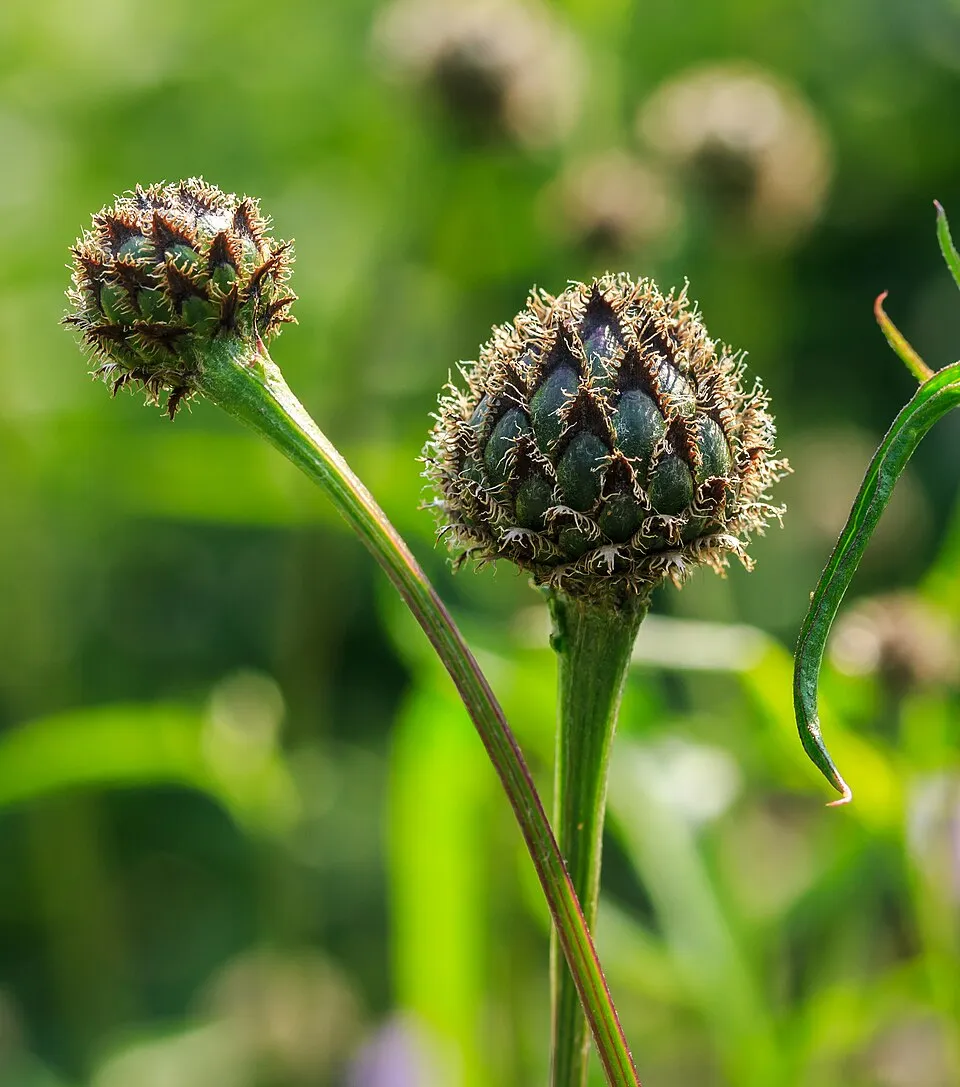
Centaurea Dealbata, commonly known as Persian Cornflower or Whitewash Cornflower, is an exquisite perennial herb belonging to the Asteraceae family. Native to the Caucasus region, specifically Armenia, Azerbaijan, Georgia, Iran, and Turkey, it thrives in rocky slopes, open woodlands, and grasslands, adapting to a range of temperate conditions. This robust plant typically forms a bushy mound, reaching heights of 30 to 60 centimeters (12 to 24 inches) with a spread of similar dimensions, though it can occasionally grow taller.
Its distinctive foliage consists of deeply lobed, pinnatifid leaves that are silvery-green on the upper surface and often covered with a fine white tomentum (hairy coating) underneath, providing a striking textural contrast. The magnificent flowers, which bloom profusely from late spring through early summer, are large, thistle-like capitula, typically a vibrant fuchsia-pink or magenta with a contrasting creamy-white or pale yellow center, giving it the 'whitewash' moniker. Each solitary flower head is borne on sturdy, upright stems, attracting a host of pollinators.
Centaurea Dealbata is highly valued in horticulture for its ornamental appeal, drought tolerance, and ability to naturalize in suitable environments, making it a popular choice for borders, rock gardens, and naturalized areas. Its resilience and unique floral structure contribute significantly to garden biodiversity and aesthetic charm.
Trusted Scientific References
1. Authoritative external sources for Centaurea Dealbata
1.1 Wikipedia — Centaurea Dealbata
1.2 Kew POWO (Plants of the World Online)
1.3 PubMed — peer-reviewed research
1.4 NCBI Taxonomy Browser
1.5 GBIF — Global Biodiversity
1.6Centaurea Dealbata should be interpreted through verified botanical identity, practical care, and responsible safety language. This recovery note adds the missing context needed for a complete profile: match light to the plant's habit, use well-drained soil, water according to season, and avoid unsupported medicinal or edible claims. For publishing, the plant can be presented as a source-backed garden plant with clear care guidance, common problem diagnosis, and conservative safety wording.
1.1.Centaurea Dealbata — Standout Qualities
- ✓Vibrant magenta — pink, thistle-like flowers with white centers
- ✓Distinctive silvery — green, deeply lobed foliage
- ✓Hardy perennial, suitable for USDA Zones 3 — 8
- ✓Native to the — Native to the Caucasus region
- ✓Drought — tolerant once established
- ✓Attracts pollinators like — Attracts pollinators like bees and butterflies
- ✓Rich in antioxidant flavonoids and anti — inflammatory sesquiterpene lactones
- ✓Potential traditional uses — Potential traditional uses for inflammation and digestive support
- ✓Low — maintenance ornamental plant
- ✓Ideal for borders, — Ideal for borders, rock gardens, and naturalized areas
1.2.Centaurea Dealbata — At-a-Glance Summary
- ✓Centaurea Dealbata, or Persian Cornflower, is an ornamental perennial known for its vibrant magenta-pink, thistle-like flowers and silvery-green foliage.
- ✓Native to the Caucasus, it's widely cultivated for its aesthetic appeal and drought tolerance in temperate gardens.
- ✓Rich in beneficial compounds like flavonoids, phenolic acids, and sesquiterpene lactones, contributing to its potential medicinal properties.
- ✓Traditionally valued for its antioxidant, anti-inflammatory, and mild digestive support in folk medicine.
- ✓Requires well-drained soil and full sun, making it a low-maintenance addition to diverse landscapes.
- ✓Caution is advised due to potential allergic reactions, drug interactions, and lack of safety data for specific populations.
2.Centaurea Dealbata — Systematic Position
3.Centaurea Dealbata — Quick Facts
4.Centaurea Dealbata — Structural Profile
5.Centaurea Dealbata — Geographic Distribution
6.Centaurea Dealbata — Historical Applications
7.Centaurea Dealbata — Bioactive Constituents
- ✓Flavonoids — Key compounds include cyanidin-3-O-glucoside (responsible for flower color), luteolin, quercetin, and apigenin, which exert significant antioxidant and anti-inflammatory activities.
- ✓Sesquiterpene Lactones — Such as cynaropicrin and centaurein, known for their bitter taste and potent anti-inflammatory, cytotoxic, and antimicrobial properties.
- ✓Phenolic Acids — Including caffeic acid, chlorogenic acid, and ferulic acid, which contribute strongly to the plant's antioxidant capacity and protective effects against oxidative stress.
- ✓Alkaloids — While generally in lower concentrations, various alkaloids may be present, influencing diverse physiological responses.
- ✓Triterpenes — Compounds like ursolic acid and oleanolic acid, often associated with anti-inflammatory, hepatoprotective, and anticancer properties.
- ✓Phytosterols — Notably beta-sitosterol, which has demonstrated anti-inflammatory and cholesterol-lowering potential.
- ✓Polysaccharides — Complex carbohydrates that may contribute to immunomodulatory effects and overall plant health.
- ✓Volatile Oils — Present in small quantities, these essential oil components contribute to the plant's aroma and may possess mild antimicrobial or insect-repellent properties.
- ✓Lignans — A class of phytoestrogens with antioxidant and potential anticancer activities.
- ✓Coumarins — Compounds that may have anticoagulant, anti-inflammatory, and antimicrobial effects.
8.Centaurea Dealbata — Modern Studies
- ✓Antioxidant Support — The plant is rich in phenolic compounds and flavonoids, which are potent antioxidants that help neutralize free radicals and protect cells from oxidative damage.
- ✓Anti-inflammatory Action — Research into the Centaurea genus suggests the presence of sesquiterpene lactones and other compounds that may modulate inflammatory pathways, offering relief from various inflammatory conditions.
- ✓Digestive Aid — Traditionally, some Centaurea species have been used to alleviate digestive discomfort, potentially acting as a mild bitter to stimulate digestive secretions and improve gut function.
- ✓Antimicrobial Properties — Extracts from Centaurea species have demonstrated inhibitory effects against certain bacteria and fungi in laboratory settings, suggesting potential as a natural antimicrobial agent.
- ✓Wound Healing Potential — Folk medicine occasionally employed poultices or compresses of Centaurea for minor skin abrasions and wounds, possibly due to its anti-inflammatory and antiseptic qualities.
- ✓Diuretic Effects — Some traditional uses point to a mild diuretic action, which could assist in managing fluid balance and supporting kidney function.
- ✓Cholagogue Activity — Certain compounds within the Centaurea genus may stimulate bile production and flow, aiding in the digestion of fats and supporting liver health.
- ✓Hepatoprotective Potential — Preliminary studies on related Centaurea species indicate a protective effect on liver cells, potentially safeguarding against damage from toxins.
- ✓Skin Health Enhancement — The antioxidant and anti-inflammatory constituents may contribute to maintaining healthy skin, reducing redness, and protecting against environmental stressors.
- ✓Pain Management — Through its potential anti-inflammatory mechanisms, Centaurea Dealbata might offer some relief from mild aches and pains, though more specific research is needed.
8.1.Centaurea Dealbata — Indications & Uses
9.Centaurea Dealbata — Precautions & Warnings
9.1.Centaurea Dealbata — Reported Side Effects
- ✓Allergic Reactions — Individuals sensitive to the Asteraceae (daisy) family may experience allergic reactions, including skin rashes, itching, or respiratory issues.
- ✓Gastrointestinal Upset — High doses may lead to mild gastrointestinal discomfort such as nausea, vomiting, or diarrhea.
- ✓Skin Irritation — Direct topical application of fresh plant material may cause contact dermatitis in sensitive individuals.
- ✓Drug Interactions — Potential interactions with certain medications, including blood thinners, diuretics, or drugs metabolized by the liver, due to active compounds.
- ✓Pregnancy and Lactation — Lack of sufficient safety data advises against use in pregnant or breastfeeding women.
- ✓Liver Toxicity — While rare and not well-documented for C. dealbata specifically, some Centaurea species contain compounds that could be hepatotoxic at very high doses or with prolonged use.
- ✓Photosensitivity — Some plant compounds can increase skin sensitivity to sunlight, though this is not commonly reported for Centaurea Dealbata.
9.2.Centaurea Dealbata — Toxicity Assessment
- ✓Professional Consultation — Always consult a qualified healthcare professional or medical herbalist before using Centaurea Dealbata, especially if you have underlying health conditions.
- ✓Allergic Sensitivity — Avoid use if you have a known allergy to plants in the Asteraceae family, such as ragweed, marigolds, or chrysanthemums.
- ✓Pregnancy and Breastfeeding — Not recommended for use during pregnancy or lactation due to insufficient safety data and potential effects on fetal development or infant health.
- ✓Dosage and Duration — Adhere strictly to recommended dosages; prolonged or excessive use is generally not advised without expert guidance.
- ✓Topical Patch Test — Before widespread topical application, perform a patch test on a small area of skin to check for adverse reactions.
- ✓Medication Interactions — Exercise caution if taking prescription medications, particularly anticoagulants, diuretics, or those affecting liver function, and seek medical advice.
- ✓Children and Infants — Due to lack of specific safety information, Centaurea Dealbata is not recommended for use in children or infants.
10.Centaurea Dealbata — Preparation & Dosage
- ✓Herbal Infusion (Tea) — Dried flowers and leaves can be steeped in hot water for 5-10 minutes to create a mild herbal tea for digestive support or general wellness.
- ✓Tincture — Aerial parts of Centaurea Dealbata can be macerated in alcohol to produce a concentrated liquid extract, typically taken in drops or small doses.
- ✓Topical Poultice/Compress — Crushed fresh leaves or flowers, or a strong infusion-soaked cloth, can be applied externally to minor skin irritations or bruises.
- ✓Decoction — For tougher plant parts, such as roots (if applicable to specific Centaurea species), simmering in water for a longer duration extracts more compounds.
- ✓Infused Oil — Flowers can be infused in a carrier oil (e.g., olive, almond) for several weeks to create a soothing oil for topical skin applications.
- ✓Powder/Capsules — Dried and finely ground plant material can be encapsulated or mixed into food for convenient internal consumption.
- ✓Gargle/Mouthwash — A cooled infusion can be used as a gargle for throat discomfort or as a natural mouthwash for oral hygiene.
- ✓Culinary Garnish — The vibrant petals can be used sparingly as an attractive, edible garnish for salads or desserts.
11.Centaurea Dealbata — Growing Guide
- ✓Climate and Hardiness — Centaurea Dealbata thrives in temperate climates, hardy in USDA Zones 3-8, tolerating cold winters and hot summers.
- ✓Sunlight Requirements — Prefers full sun exposure (at least 6 hours direct sunlight daily) for optimal growth and abundant flowering.
- ✓Soil Preferences — Requires well-drained soil; tolerates average to poor soil but prefers moderately fertile, neutral to slightly alkaline conditions.
- ✓Watering Regimen — Drought-tolerant once established, but benefits from moderate, regular watering, especially during prolonged dry spells and blooming periods.
- ✓Planting and Propagation — Can be propagated by seed (sown in spring or fall), division of clumps in spring, or stem cuttings.
- ✓Maintenance and Pruning — Deadhead spent flowers to encourage continuous blooming and prevent self-seeding; prune back foliage after flowering to maintain a tidy appearance.
- ✓Fertilization — Generally not a heavy feeder; a light application of balanced granular fertilizer in early spring can promote vigorous growth.
- ✓Pest and Disease Resistance — Highly resistant to most common pests and diseases, though occasionally susceptible to powdery mildew in humid conditions or aphids.
Reviewed by the Flora Medical Global Botanical Review Panel
Multi-disciplinary editorial group · Botany · Ethnobotany · Herbal-medicine literature
Who reviewed this: This page was checked by the Flora Medical Global Botanical Review Panel — an in-house editorial group of botany graduates, ethnobotany researchers, and horticulture practitioners who collectively maintain our 7,000+ plant encyclopedia. Meet the team.
Our 4-step verification process
1. Taxonomic verification
Scientific names and synonyms cross-checked against Kew POWO, World Flora Online, and The Plant List.
2. Phytochemical & medicinal cross-reference
Active compounds, traditional uses, and reported activities are cross-referenced with PubMed, USDA Dr. Duke's database, and peer-reviewed ethnobotanical literature.
3. Conservation & distribution check
Distribution, ecology, and conservation status confirmed against GBIF occurrence records and the IUCN Red List.
4. Editorial & safety review
Every entry passes an editorial pass for clarity, originality, and safety notices (toxicity, contraindications, dosage caveats) before publication.
Last reviewed:
Important medical disclaimer: This content is for educational and research purposes only. It is not medical advice and is not a substitute for consultation with a licensed healthcare provider. Do not use any herb to self-treat a medical condition without professional guidance.
Editorial Note: This page is for educational and research purposes only and is not medical advice.
Written by: Flora Medical Global Editorial Team
Reviewed by: Flora Medical Global Botanical Review Panel
Last Updated: June 15, 2026





Centaurea Dealbata — Comments & Community Reviews
Rate this plant