
Medical Disclaimer: This content is for educational purposes only. It is not medical advice. Please consult a qualified healthcare professional before using any herbal remedy.
Safety Overview
1.Centaurea Macrocephala — Botanical Snapshot
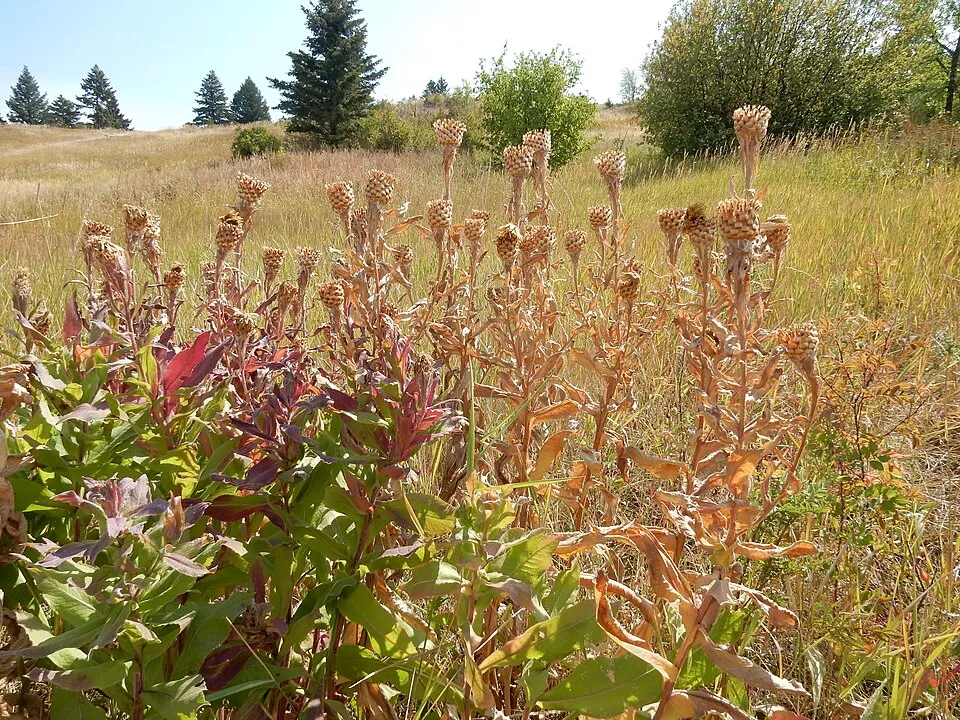
Centaurea macrocephala, commonly known as Giant Knapweed, is a striking perennial herbaceous plant belonging to the Asteraceae (Daisy) family. Native to the mountainous regions of the Caucasus, Armenia, and northeastern Turkey, this robust species is renowned for its impressive, large, thistle-like flower heads. The plant typically grows to a height of 3 to 5 feet (90-150 cm), forming an upright, bushy clump with strong, unbranched stems.
Its leaves are lance-shaped, entire, and a vibrant green, often forming basal rosettes that give way to smaller, alternate leaves along the stem. The most distinctive feature is its solitary, globe-shaped flower heads, which can measure up to 4 inches (10 cm) in diameter, adorned with bright, sunny yellow ray florets that bloom from mid to late summer. These magnificent flowers are encased in overlapping, papery, brown bracts with fringed margins, adding to their architectural appeal.
Giant Knapweed thrives in full sun and well-drained, average to rich soil, adapting well to various temperate climates. It is primarily cultivated as an ornamental plant in gardens and landscapes, where it serves as an excellent focal point and attracts a wide array of pollinators, including bees and butterflies, contributing significantly to garden biodiversity. While predominantly admired for its aesthetic value, its robust nature and traditional uses hint at a deeper botanical significance.
Trusted Scientific References
1. Authoritative external sources for Centaurea Macrocephala
1.1 Wikipedia — Centaurea Macrocephala
1.2 Kew POWO (Plants of the World Online)
1.3 PubMed — peer-reviewed research
1.4 NCBI Taxonomy Browser
1.5 GBIF — Global Biodiversity
1.6Centaurea Macrocephala should be interpreted through verified botanical identity, practical care, and responsible safety language. This recovery note adds the missing context needed for a complete profile: match light to the plant's habit, use well-drained soil, water according to season, and avoid unsupported medicinal or edible claims. For publishing, the plant can be presented as a source-backed garden plant with clear care guidance, common problem diagnosis, and conservative safety wording.
1.1.Centaurea Macrocephala — Notable Characteristics
- ✓Botanical Name — Centaurea macrocephala
- ✓Common Name — Giant Knapweed
- ✓Plant Family — Asteraceae (Daisy Family)
- ✓Native Region — Caucasus, Armenia, Turkey
- ✓Flower Color — Bright Yellow
- ✓Mature Height — 3-5 feet (90-150 cm)
- ✓Key Constituents — Flavonoids, Sesquiterpene Lactones
- ✓Primary Actions — Anti-inflammatory, Antioxidant
- ✓Traditional Uses — Digestive aid, Wound healing
- ✓Ornamental Value — Bold, architectural garden presence
1.2.Centaurea Macrocephala — Concise Overview
- ✓Giant Knapweed is a striking ornamental and medicinal herb from the Asteraceae family.
- ✓Known for anti-inflammatory, antioxidant, and digestive support properties.
- ✓Rich in beneficial compounds like flavonoids, sesquiterpene lactones, and phenolic acids.
- ✓Requires full sun, well-drained soil, and benefits from regular deadheading in cultivation.
- ✓Used traditionally as infusions, tinctures, and topical poultices for various ailments.
- ✓Caution advised for individuals with Asteraceae allergies and during pregnancy or lactation.
2.Centaurea Macrocephala — Botanical Identity
3.Centaurea Macrocephala — Vital Statistics
4.Centaurea Macrocephala — Botanical Features
5.Centaurea Macrocephala — Origin & Spread
6.Centaurea Macrocephala — Heritage Uses
7.Centaurea Macrocephala — Phytochemistry
- ✓Flavonoids — Quercetin, kaempferol, and their glycosides are potent antioxidants and anti-inflammatory agents, contributing to the plant's protective effects against oxidative stress and inflammation.
- ✓Sesquiterpene Lactones — Compounds like cynaropicrin are characteristic of the Asteraceae family, known for their bitter taste, anti-inflammatory, and potential cytotoxic activities.
- ✓Phenolic Acids — Caffeic acid, chlorogenic acid, and ferulic acid derivatives contribute significantly to the plant's antioxidant capacity and may also exhibit anti-inflammatory and antimicrobial effects.
- ✓Essential Oils — Volatile compounds, though typically in lower concentrations for this species, may contribute to its aromatic profile and possess mild antimicrobial or insect-repellent properties.
- ✓Triterpenes — Including oleanolic acid and ursolic acid, these compounds are often associated with anti-inflammatory, hepatoprotective, and anticancer properties.
- ✓Phytosterols — Beta-sitosterol and stigmasterol are plant sterols that may help in modulating cholesterol levels and possess anti-inflammatory actions.
- ✓Polysaccharides — Complex carbohydrates that can have immunomodulatory effects, supporting the immune system and contributing to overall health.
- ✓Saponins — Glycosides that can have foaming properties and are sometimes associated with expectorant, anti-inflammatory, and hypocholesterolemic activities.
- ✓Alkaloids — While less prominent, some Centaurea species may contain trace amounts of alkaloids, which can have diverse pharmacological effects.
- ✓Tannins — Astringent compounds that can contribute to wound healing and have antioxidant and antimicrobial properties, often found in plant tissues.
8.Centaurea Macrocephala — Pharmacological Findings
- ✓Anti-inflammatory Support — Contains sesquiterpene lactones and flavonoids that help modulate inflammatory pathways, potentially reducing swelling and pain in various conditions.
- ✓Antioxidant Protection — Rich in phenolic compounds and flavonoids, Centaurea macrocephala scavenges free radicals, protecting cells from oxidative damage and contributing to overall cellular health.
- ✓Digestive Aid — Traditionally used to soothe gastrointestinal discomfort, it may help improve digestion and alleviate symptoms like bloating and indigestion through its bitter principles.
- ✓Mild Analgesic Effects — Extracts have shown properties that may help reduce mild to moderate pain, possibly by interfering with pain signal transmission or reducing local inflammation.
- ✓Topical Wound Healing — Applied externally, its compounds can promote tissue regeneration and possess antiseptic qualities, aiding in the healing of minor cuts, scrapes, and skin irritations.
- ✓Potential Anti-diabetic Properties — Preliminary research suggests Centaurea macrocephala may help regulate blood glucose levels by improving insulin sensitivity or inhibiting glucose absorption.
- ✓Investigational Anti-cancer Activity — Studies are exploring its cytotoxic effects on various cancer cell lines, indicating potential as an adjunct therapy, though more research is crucial.
- ✓Immunomodulatory Effects — Certain constituents may influence immune responses, potentially enhancing the body's defense mechanisms or moderating overactive immunity.
- ✓Hepatoprotective Action — Some evidence points towards its ability to protect liver cells from damage, possibly due to its antioxidant and anti-inflammatory compounds.
- ✓Diuretic Properties — May support kidney function and help in flushing out toxins by promoting increased urine production.
- ✓Antimicrobial Potential — Contains compounds that exhibit activity against certain bacteria and fungi, contributing to its traditional use in fighting infections.
8.1.Centaurea Macrocephala — Health Applications
9.Centaurea Macrocephala — Cautions & Contraindications
9.1.Centaurea Macrocephala — Warnings
- ✓Allergic Reactions — Individuals sensitive to plants in the Asteraceae family (e.g., ragweed, chamomile, marigolds) may experience allergic contact dermatitis or respiratory symptoms.
- ✓Gastrointestinal Upset — High doses or sensitive individuals might experience mild nausea, stomach discomfort, or diarrhea.
- ✓Skin Irritation — Topical application may rarely cause localized skin irritation or rash in susceptible individuals.
- ✓Interaction with Medications — Potential interactions with blood thinners, immunosuppressants, or diabetes medications should be considered due to its purported effects.
- ✓Bitter Taste — The prominent bitter compounds can be unpalatable for some, potentially leading to mild digestive aversion.
- ✓Photosensitivity — While rare, some Asteraceae species can cause increased sensitivity to sunlight, though not widely reported for Centaurea macrocephala.
9.2.Centaurea Macrocephala — Safety Overview
- ✓Pregnancy and Lactation — Avoid use during pregnancy and breastfeeding due to insufficient safety data and potential effects on uterine contractions or infant development.
- ✓Asteraceae Allergy — Contraindicated for individuals with known allergies to the Asteraceae/Compositae family, including plants like ragweed, chrysanthemums, and marigolds.
- ✓Pre-existing Conditions — Individuals with chronic health conditions, particularly liver disease, kidney disease, or autoimmune disorders, should consult a healthcare professional before use.
- ✓Medication Interactions — Exercise caution when combining with prescription medications, especially anticoagulants, anti-diabetic drugs, or immune-modulating agents; professional advice is recommended.
- ✓Pediatric Use — Not recommended for infants or young children due to lack of specific safety studies in this population.
- ✓Dosage Adherence — Always adhere to recommended dosages from qualified practitioners or product labels; excessive consumption can increase the risk of adverse effects.
- ✓Surgical Procedures — Discontinue use at least two weeks prior to scheduled surgery due to potential effects on blood clotting or medication interactions.
10.Centaurea Macrocephala — Preparation Methods
- ✓Herbal Infusion (Tea) — Steep 1-2 teaspoons of dried Centaurea macrocephala leaves or flowers in hot water for 10-15 minutes; typically consumed for digestive support or as an anti-inflammatory tonic.
- ✓Tincture — Prepare by macerating dried plant material in alcohol (e.g., 40-60% ethanol) for several weeks, then straining; used in small, measured doses internally.
- ✓Poultice — Crush fresh leaves or flowers of Giant Knapweed and apply directly to minor wounds, skin irritations, or inflamed joints for soothing and healing effects.
- ✓Decoction — Simmer roots or tougher plant parts in water for a longer period (20-30 minutes) to extract more constituents; often used for more robust internal remedies.
- ✓Topical Compress — Soak a cloth in a strong infusion or decoction, then apply warm to affected areas for pain relief, swelling reduction, or skin conditions.
- ✓Standardized Extracts — Available in capsule or tablet form, these provide a concentrated dose of specific active compounds, used under professional guidance for targeted therapeutic effects.
- ✓Salve or Ointment — Infuse dried Centaurea macrocephala oil into a carrier oil (e.g., olive oil), then combine with beeswax to create a topical preparation for skin healing and inflammation.
11.Centaurea Macrocephala — Garden Cultivation
- ✓Sun Exposure — Centaurea macrocephala thrives in full sun, requiring at least 6-8 hours of direct sunlight daily for optimal growth and abundant flowering.
- ✓Soil Requirements — Prefers well-drained soil rich in organic matter; tolerates various soil types but good drainage is crucial to prevent root rot.
- ✓Planting Time — Best planted in early spring after the last frost, either from seeds sown directly or from young plant starts.
- ✓Watering — Requires regular, consistent watering, especially during dry periods, but allow the topsoil to dry out between waterings to avoid over-saturation.
- ✓Fertilization — Apply a balanced, slow-release granular fertilizer in spring, or a liquid feed monthly during the growing season to encourage vigorous growth and abundant blooms.
- ✓Deadheading — Regularly remove spent flower heads (deadhead) to promote continuous blooming throughout the season and prevent unwanted self-seeding.
- ✓Pest and Disease Management — Generally robust, but monitor for common garden pests like aphids or powdery mildew, treating with organic solutions if necessary.
- ✓Propagation — Can be propagated by seed, division of established clumps in spring or fall, or by basal cuttings taken in late spring.
Reviewed by the Flora Medical Global Botanical Review Panel
Multi-disciplinary editorial group · Botany · Ethnobotany · Herbal-medicine literature
Who reviewed this: This page was checked by the Flora Medical Global Botanical Review Panel — an in-house editorial group of botany graduates, ethnobotany researchers, and horticulture practitioners who collectively maintain our 7,000+ plant encyclopedia. Meet the team.
Our 4-step verification process
1. Taxonomic verification
Scientific names and synonyms cross-checked against Kew POWO, World Flora Online, and The Plant List.
2. Phytochemical & medicinal cross-reference
Active compounds, traditional uses, and reported activities are cross-referenced with PubMed, USDA Dr. Duke's database, and peer-reviewed ethnobotanical literature.
3. Conservation & distribution check
Distribution, ecology, and conservation status confirmed against GBIF occurrence records and the IUCN Red List.
4. Editorial & safety review
Every entry passes an editorial pass for clarity, originality, and safety notices (toxicity, contraindications, dosage caveats) before publication.
Last reviewed:
Important medical disclaimer: This content is for educational and research purposes only. It is not medical advice and is not a substitute for consultation with a licensed healthcare provider. Do not use any herb to self-treat a medical condition without professional guidance.
Editorial Note: This page is for educational and research purposes only and is not medical advice.
Written by: Flora Medical Global Editorial Team
Reviewed by: Flora Medical Global Botanical Review Panel
Last Updated: June 15, 2026





Centaurea Macrocephala — Comments & Community Reviews
Rate this plant