

Medical Disclaimer: This content is for educational purposes only. It is not medical advice. Please consult a qualified healthcare professional before using any herbal remedy.
Safety Overview
1.Chamaecyparis Obtusa — Overview
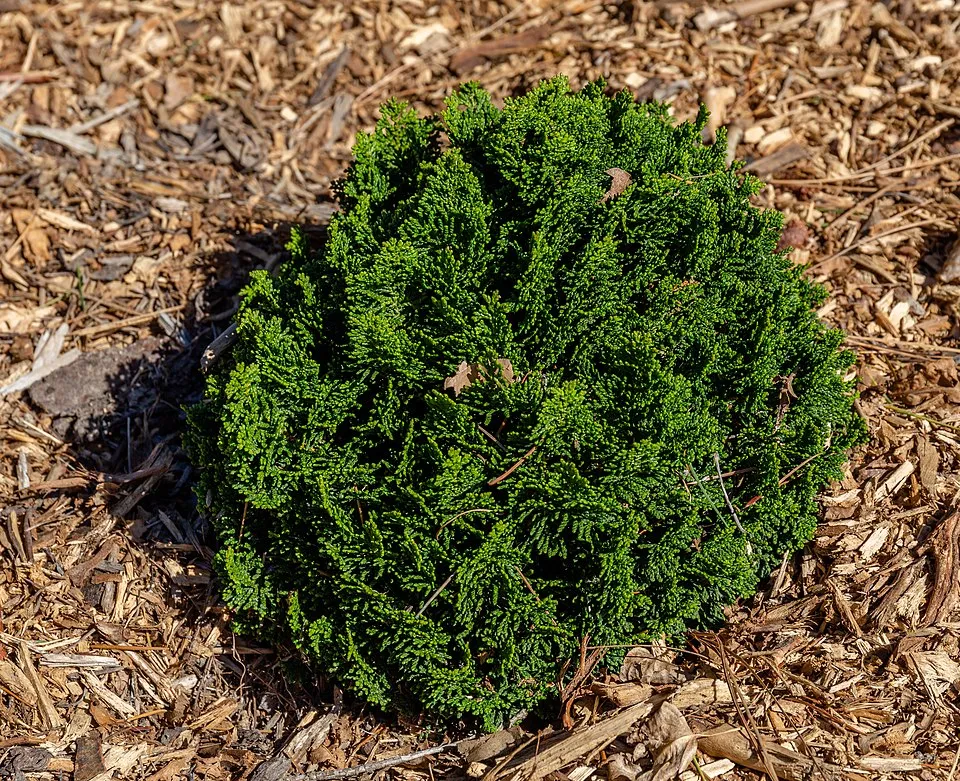
Chamaecyparis obtusa, commonly known as the Hinoki cypress, is a majestic evergreen conifer belonging to the Cupressaceae family. This revered species typically attains heights ranging from 15 to 30 meters, with some ancient specimens reaching up to 35 meters, showcasing a slow but steady growth rate. Its distinctive foliage consists of small, scale-like leaflets, approximately 2-5 mm in length, arranged in alternating spirals. These leaves present a vibrant, fresh green hue that subtly deepens or browns during colder winter months and feature a characteristic glossy surface.
The tree’s bark is notably fibrous and reddish-brown, gracefully peeling away in thin strips, which contributes to its unique aesthetic appeal. Hinoki cypress produces small, globular cones, measuring about 1-2 cm in diameter, that mature to a rich brown color. Native to Japan, Korea, and Taiwan, Chamaecyparis obtusa thrives in moist, well-drained, slightly acidic soils and prefers a temperate climate with consistent rainfall. While demonstrating good tolerance to dry and arid conditions, it exhibits poor tolerance to cold and salt.
The Hinoki cypress holds significant cultural and economic importance in Japan, where it is regarded as a sacred tree and constitutes a substantial portion of plantation forests, valued for both its timber and aromatic essential oil. It also shows some resilience to urban air pollution, making it a valuable ornamental species worldwide.
Trusted Scientific References
1. Authoritative external sources for Chamaecyparis obtusa
1.1 Wikipedia — Chamaecyparis obtusa
1.2 Kew POWO (Plants of the World Online)
1.3 PubMed — peer-reviewed research
1.4 NCBI Taxonomy Browser
1.5 GBIF — Global Biodiversity
1.6Chamaecyparis Obtusa should be interpreted through verified botanical identity, practical care, and responsible safety language. This recovery note adds the missing context needed for a complete profile: match light to the plant's habit, use well-drained soil, water according to season, and avoid unsupported medicinal or edible claims. For publishing, the plant can be presented as a source-backed garden plant with clear care guidance, common problem diagnosis, and conservative safety wording.
1.1.Chamaecyparis Obtusa — Standout Qualities
- ✓Native to Japan, — Native to Japan, Korea, and Taiwan.
- ✓Evergreen conifer with scale — like leaves.
- ✓Distinctive reddish — brown, fibrous bark.
- ✓Highly aromatic wood — Highly aromatic wood and essential oil.
- ✓Known for calming — Known for calming and anxiolytic properties in aromatherapy.
- ✓Exhibits potent antimicrobial — Exhibits potent antimicrobial and antioxidant activities.
- ✓Used traditionally in — Used traditionally in therapeutic bathhouses and for skin health.
- ✓Acts as a natural, human — friendly insect repellent.
- ✓Possesses significant cultural — Possesses significant cultural and economic value as a sacred tree.
- ✓Ornamental appeal with — Ornamental appeal with a long lifespan.
1.2.Chamaecyparis Obtusa — Concise Overview
- ✓Chamaecyparis obtusa, or Hinoki cypress, is a sacred Japanese conifer.
- ✓Valued for its durable wood and aromatic essential oil.
- ✓Rich in terpenes, offering diverse antimicrobial, antioxidant, and calming benefits.
- ✓Primarily used in aromatherapy, topical applications, and as an insect repellent.
- ✓Essential for dilution and patch testing due to potential skin sensitivity.
- ✓Integral to traditional Japanese culture and increasingly recognized globally for wellness.
2.Chamaecyparis Obtusa — Scientific Profile
3.Chamaecyparis Obtusa — Reference Facts
4.Chamaecyparis Obtusa — Plant Morphology
5.Chamaecyparis Obtusa — Geographic Distribution
6.Chamaecyparis Obtusa — Cultural & Traditional Roles
7.Chamaecyparis Obtusa — Secondary Metabolites
- ✓Monoterpenes — Key compounds include alpha-pinene, limonene, gamma-terpinene, and camphene, which contribute to the characteristic aroma and possess antimicrobial, anti-inflammatory, and anxiolytic properties.
- ✓Sesquiterpenes — Examples such as cadinene, thujopsene, and alpha-cedrene are abundant, known for their sedative, antimicrobial, and insecticidal activities, enhancing the oil's therapeutic profile.
- ✓Diterpenes — While less prevalent than mono- and sesquiterpenes, specific diterpenoid compounds contribute to the plant's overall biological activities, including potential anti-inflammatory effects.
- ✓Hinokitiol (Beta-thujaplicin) — A tropolone derivative, this potent compound is highly valued for its strong broad-spectrum antimicrobial, antifungal, and antiviral properties, making it a significant active ingredient in various applications.
- ✓Flavonoids — These phenolic compounds are present in Chamaecyparis obtusa, contributing to its antioxidant and anti-inflammatory benefits, supporting cellular health.
- ✓Lignans — Found in the wood, lignans are natural phenolic polymers with potential antioxidant and various other biological activities, including protective effects.
- ✓Phenolic Acids — Various phenolic acids contribute to the plant's antioxidant capacity, protecting against oxidative damage.
- ✓Esters — Specific esters like bornyl acetate contribute to the pleasant woody aroma and may offer calming and antispasmodic effects.
- ✓Alcohols — Compounds such as borneol and terpineol are present, offering antiseptic and anti-inflammatory properties, further enhancing the essential oil's medicinal value.
8.Chamaecyparis Obtusa — What Research Suggests
- ✓Antimicrobial Properties — Hinoki cypress essential oil, rich in terpenes like hinokitiol, exhibits potent activity against various bacteria and fungi, making it valuable for skin hygiene and preventing infections.
- ✓Antioxidant Activity — The plant’s secondary metabolites, including certain terpenes and phenolic compounds, scavenge free radicals, helping to reduce oxidative stress and cellular damage.
- ✓Anti-inflammatory Effects — Constituents in Hinoki cypress have been shown to modulate inflammatory pathways, potentially alleviating symptoms associated with inflammatory conditions.
- ✓Anxiolytic and Calming Effects — Inhalation of Hinoki essential oil’s aromatic compounds promotes relaxation and reduces anxiety, a benefit widely recognized in aromatherapy and traditional Japanese practices.
- ✓Antiasthmatic Potential — Preliminary research suggests that certain extracts may help to ease respiratory discomfort and have antiasthmatic properties, possibly by reducing airway inflammation.
- ✓Antiallergic Action — Studies indicate that components of Chamaecyparis obtusa may possess antiallergic effects, potentially by inhibiting histamine release or modulating immune responses.
- ✓Analgesic Properties — The essential oil may offer mild pain-relieving effects, contributing to its traditional use in therapeutic baths for soothing discomfort.
- ✓Insect Repellent — Hinoki wood and its essential oil are effective as natural insect repellents, providing a human-friendly alternative to synthetic chemicals.
- ✓Skin Health Support — Traditionally used in Kampo medicine, Hinoki oil helps maintain healthy skin, leveraging its antiseptic and anti-inflammatory attributes to address minor irritations and promote clarity.
- ✓Antidiabetic Research — Emerging studies explore the potential of Hinoki extracts to influence glucose metabolism, suggesting a role in antidiabetic strategies.
- ✓Anticancer Exploration — Certain compounds isolated from Chamaecyparis obtusa are under investigation for their cytotoxic effects on cancer cells, indicating potential in oncology research.
8.1.Chamaecyparis Obtusa — Therapeutic Indications
9.Chamaecyparis Obtusa — Risk Profile
9.1.Chamaecyparis Obtusa — Possible Adverse Reactions
- ✓Skin Irritation — Undiluted essential oil can cause skin sensitivity, redness, or irritation, especially in individuals with sensitive skin.
- ✓Allergic Reactions — Some individuals may experience allergic contact dermatitis, itching, or rash upon topical application.
- ✓Respiratory Discomfort — Inhalation of excessive amounts of essential oil, particularly in poorly ventilated spaces, may cause respiratory irritation or discomfort.
- ✓Photosensitivity — While less common with Hinoki, some essential oils can increase skin sensitivity to sunlight; always patch test.
- ✓Internal Toxicity — Hinoki essential oil is generally not recommended for internal consumption due to potential toxicity and lack of sufficient safety data for oral use.
- ✓Eye Irritation — Direct contact with eyes or mucous membranes can cause significant irritation and discomfort.
9.2.Chamaecyparis Obtusa — Safety Profile
- ✓Dilution is Essential — Always dilute Hinoki essential oil with a carrier oil (e.g., coconut, jojoba) before topical application to prevent skin irritation.
- ✓Patch Test — Perform a patch test on a small area of skin before widespread use to check for any allergic reactions or sensitivities.
- ✓Avoid Ingestion — Hinoki essential oil is for external and aromatic use only; do not ingest unless under direct supervision of a qualified healthcare professional.
- ✓Pregnancy and Children — Pregnant or nursing women and young children should consult a healthcare provider before using Hinoki essential oil.
- ✓Keep Out of Reach — Store essential oils safely away from children and pets to prevent accidental ingestion or misuse.
- ✓Proper Storage — Keep essential oils in dark, airtight glass bottles in a cool, dry place to maintain their potency and prevent oxidation.
- ✓Consult Professionals — Individuals with pre-existing medical conditions or those taking medications should consult a healthcare practitioner before use.
10.Chamaecyparis Obtusa — Application Forms
- ✓Aromatherapy Diffusion — Add a few drops of Hinoki essential oil to an ultrasonic diffuser to purify air, create a calming atmosphere, and reduce stress.
- ✓Therapeutic Baths — Incorporate 5-10 drops of Hinoki essential oil, diluted in a carrier oil or dispersant, into a warm bath for relaxation, muscle soothing, and skin benefits.
- ✓Topical Application — Dilute Hinoki essential oil with a carrier oil (e.g., jojoba, almond) to 1-2% concentration and apply to skin for minor irritations, fungal issues, or muscle aches.
- ✓Massage Oil — Blend Hinoki oil with a carrier oil for a therapeutic massage, promoting relaxation and easing tension in muscles and joints.
- ✓Natural Insect Repellent — Apply diluted Hinoki essential oil to exposed skin or diffuse it in outdoor areas to deter insects naturally.
- ✓Skincare Formulations — Include Hinoki essential oil in homemade or commercial skincare products for its antiseptic and skin-clarifying properties, especially for oily or blemish-prone skin.
- ✓Household Cleaner — Add a few drops to natural cleaning solutions for its refreshing scent and antimicrobial action on surfaces.
- ✓Wood Crafts and Incense — Utilize Hinoki wood shavings or essential oil in potpourri, sachets, or incense for its distinctive, calming aroma.
11.Chamaecyparis Obtusa — Growth Requirements
- ✓Soil Requirements — Prefers moist, well-drained, slightly acidic soil (pH 5.0-6.5) rich in organic matter. Avoid heavy clay or overly alkaline conditions.
- ✓Climate and Light — Thrives in temperate climates with regular rainfall. Prefers full sun to partial shade; too much shade can lead to sparse foliage.
- ✓Watering — Requires consistent moisture, especially during dry spells and in its early growth stages. Established trees have moderate drought tolerance.
- ✓Temperature and Hardiness — Hardy in USDA zones 4-8. Shows poor tolerance to extreme cold and salt spray, but some resistance to air pollution.
- ✓Propagation — Can be propagated by seeds, which require stratification, or more commonly by semi-hardwood cuttings taken in late summer or early autumn.
- ✓Pruning — Generally requires minimal pruning; focus on removing dead, damaged, or crossing branches to maintain its natural, attractive form.
- ✓Pests and Diseases — Relatively resistant but can be susceptible to spider mites in dry conditions or root rot in waterlogged soils. Ensure good air circulation.
Reviewed by the Flora Medical Global Botanical Review Panel
Multi-disciplinary editorial group · Botany · Ethnobotany · Herbal-medicine literature
Who reviewed this: This page was checked by the Flora Medical Global Botanical Review Panel — an in-house editorial group of botany graduates, ethnobotany researchers, and horticulture practitioners who collectively maintain our 7,000+ plant encyclopedia. Meet the team.
Our 4-step verification process
1. Taxonomic verification
Scientific names and synonyms cross-checked against Kew POWO, World Flora Online, and The Plant List.
2. Phytochemical & medicinal cross-reference
Active compounds, traditional uses, and reported activities are cross-referenced with PubMed, USDA Dr. Duke's database, and peer-reviewed ethnobotanical literature.
3. Conservation & distribution check
Distribution, ecology, and conservation status confirmed against GBIF occurrence records and the IUCN Red List.
4. Editorial & safety review
Every entry passes an editorial pass for clarity, originality, and safety notices (toxicity, contraindications, dosage caveats) before publication.
Last reviewed:
Important medical disclaimer: This content is for educational and research purposes only. It is not medical advice and is not a substitute for consultation with a licensed healthcare provider. Do not use any herb to self-treat a medical condition without professional guidance.
Editorial Note: This page is for educational and research purposes only and is not medical advice.
Written by: Flora Medical Global Editorial Team
Reviewed by: Flora Medical Global Botanical Review Panel
Last Updated: June 15, 2026





Chamaecyparis Obtusa — Comments & Community Reviews
Rate this plant