


Medical Disclaimer: This content is for educational purposes only. It is not medical advice. Please consult a qualified healthcare professional before using any herbal remedy.
Safety Overview
1.Chamaedorea Metallica — At a Glance
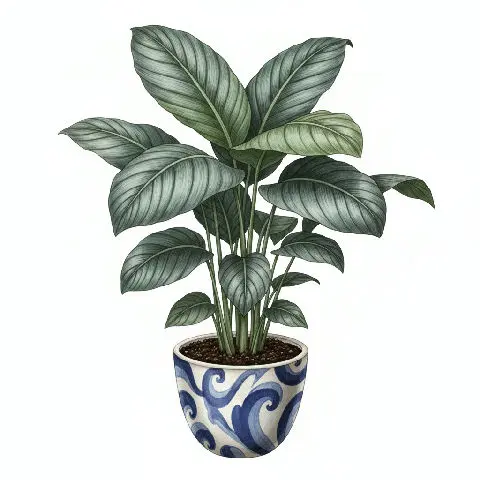
Chamaedorea metallica, widely recognized as the Metallic Palm or Metal Palm, is a distinctive and highly prized species within the Arecaceae family, celebrated for its unique, iridescent foliage. This captivating palm is indigenous to the humid, shaded understory of lowland rainforests in southern Mexico, specifically thriving in the states of Chiapas and Tabasco. Its botanical epithet, 'metallica,' is derived from the Greek 'metallikos,' meaning 'metallic,' a direct allusion to the extraordinary blue-green, sometimes bronze or pewter, sheen of its leaves.
This striking coloration is not merely superficial but an inherent characteristic of the leaf tissue, believed to be an evolutionary adaptation to efficiently capture the limited light available in its dimly lit native habitat. Morphologically, Chamaedorea metallica typically presents as a solitary, single-stemmed palm, growing to an average height of 2 to 5 feet (0.6 to 1.5 meters) with a spread of 1 to 3 feet (0.3 to 0.9 meters). Its leaves are often described as fishtail-shaped, adding to its ornamental appeal.
While primarily known as a coveted indoor ornamental, its natural habitat underscores its preference for dappled light and consistent humidity. Taxonomically, it belongs to the genus Chamaedorea, a group colloquially known as 'parlor palms' due to their remarkable adaptability to indoor environments, making the Metallic Palm a sophisticated choice for collectors and interior landscaping.
Trusted Scientific References
1. Authoritative external sources for Chamaedorea metallica
1.1 Wikipedia — Chamaedorea metallica
1.2 Kew POWO (Plants of the World Online)
1.3 PubMed — peer-reviewed research
1.4 NCBI Taxonomy Browser
1.5 GBIF — Global Biodiversity
1.6Chamaedorea Metallica should be interpreted through verified botanical identity, practical care, and responsible safety language. This recovery note adds the missing context needed for a complete profile: match light to the plant's habit, use well-drained soil, water according to season, and avoid unsupported medicinal or edible claims. For publishing, the plant can be presented as a source-backed indoor plant with clear care guidance, common problem diagnosis, and conservative safety wording.
1.1.Chamaedorea Metallica — Distinguishing Points
- ✓Distinctive Metallic Sheen — Unique blue-green, iridescent foliage.
- ✓Solitary Stem Growth — Forms a single trunk over its lifetime.
- ✓Shade/Part Sun Adaptability — Thrives in low to moderate light conditions.
- ✓Low Water Needs — Tolerates periods of dryness once established.
- ✓Compact Size — Reaches 2-5 feet in height, ideal for indoor spaces.
- ✓Tropical Understory Native — Originates from Mexican rainforests.
- ✓Ornamental Value — Highly prized for aesthetic appeal in horticulture.
- ✓Pet and Child Safe — Non-toxic and free of harmful features.
- ✓Air Purifying Potential — Contributes to improved indoor air quality.
- ✓Fishtail — shaped Leaves — Unique leaf morphology adds to its allure.
1.2.Chamaedorea Metallica — At-a-Glance Summary
- ✓Unique Metallic Foliage — Distinctive blue-green, iridescent leaves.
- ✓Indoor Ornamental — Highly valued as a sophisticated houseplant.
- ✓Low Light Tolerant — Thrives in shaded understory conditions.
- ✓Easy Care — Adaptable to various indoor environments, tolerates some neglect.
- ✓Non-Toxic — Safe for homes with pets and children.
- ✓Air Purification Potential — Contributes to a healthier indoor environment.
2.Chamaedorea Metallica — Scientific Identity
3.Chamaedorea Metallica — Key Data
4.Chamaedorea Metallica — Botanical Description
5.Chamaedorea Metallica — Native Range & Habitat
6.Chamaedorea Metallica — Heritage Uses
7.Chamaedorea Metallica — Key Phytochemicals
- ✓Specific phytochemical research on Chamaedorea metallica is limited; however, based on general plant biochemistry and studies on related palm species, it is presumed to contain various secondary metabolites.
- ✓Flavonoids — These polyphenolic compounds are common antioxidants in plants, potentially contributing to cellular protection against oxidative stress.
- ✓Phenolic Acids — Widely distributed in plant tissues, these compounds are known for their antioxidant and potential anti-inflammatory properties.
- ✓Saponins — Glycosides that can exhibit detergent-like properties; their presence in palms is noted, though specific roles in Chamaedorea metallica are unstudied.
- ✓Triterpenes — A diverse group of compounds, some of which are known for anti-inflammatory, antimicrobial, or adaptogenic activities in various plant species.
- ✓Alkaloids — Nitrogen-containing organic compounds, often with potent pharmacological effects; their presence in Chamaedorea species is possible but unconfirmed for this specific palm.
- ✓Steroids — Plant sterols are important structural components of cell membranes and can have various biological activities; expected to be present in plant tissues.
- ✓Carbohydrates — Essential for plant energy storage and structural integrity, including cellulose, hemicellulose, and various sugars.
- ✓Fatty Acids — Integral components of cell membranes and energy reserves, particularly in seeds, though less prominent in foliage.
8.Chamaedorea Metallica — Scientific Evidence
- ✓While specific traditional or modern medicinal uses for Chamaedorea metallica are not widely documented, research into the broader Chamaedorea genus and other Arecaceae species suggests potential areas of study. Its primary recognized benefits are ornamental and environmental, contributing to human well-being through aesthetic appeal and indoor air quality.
- ✓Aesthetic Enhancement — The unique metallic foliage of Chamaedorea metallica provides significant ornamental value, contributing to visual appeal and a calming atmosphere in indoor spaces.
- ✓Indoor Air Quality Potential — Like many green plants, it is presumed to contribute to oxygen production and potentially absorb certain volatile organic compounds (VOCs), enhancing indoor air quality, though species-specific studies are limited.
- ✓Stress Reduction (Indirect) — The presence of indoor plants, including ornamental species like the Metallic Palm, has been anecdotally linked to reduced psychological stress and improved mood in human environments.
- ✓Biophilic Connection — Cultivating Chamaedorea metallica can foster a connection to nature, promoting a sense of well-being and tranquility in urban or indoor settings.
- ✓Humidity Regulation (Minor) — Through transpiration, plants can contribute to a slight increase in ambient humidity, which can be beneficial in dry indoor environments, though the effect from a single plant is minor.
- ✓Environmental Indicator — Its health can serve as an indicator of the indoor environment's suitability for plant life, subtly encouraging better care practices for living spaces.
- ✓Horticultural Therapy — Engaging in the care of plants like the Metallic Palm can be a component of horticultural therapy, offering mental and physical benefits through nurturing living organisms.
- ✓Educational Value — Studying Chamaedorea metallica's unique adaptations, such as its metallic sheen for low-light conditions, offers educational insights into plant physiology and evolution.
8.1.Chamaedorea Metallica — Therapeutic Indications
9.Chamaedorea Metallica — Safety & Side Effects
9.1.Chamaedorea Metallica — Side Effects & Warnings
- ✓While Chamaedorea metallica is generally considered safe for ornamental use, certain horticultural practices or environmental conditions can lead to adverse effects on the plant or its surroundings.
- ✓Overwatering — Can lead to root rot, fungal diseases, and a decline in plant health if the soil remains waterlogged.
- ✓Cold Damage — Exposure to temperatures below its hardiness threshold (approx. 30°F or -1°C) will cause irreversible leaf damage and potential plant death.
- ✓Sunburn — Direct, intense sunlight can scorch the delicate metallic leaves, causing unsightly brown or yellow patches.
- ✓Pest Infestations — Susceptible to common houseplant pests such as spider mites, mealybugs, and scale, especially in dry indoor conditions, potentially spreading to other plants.
- ✓Nutrient Deficiencies — Lack of adequate fertilization, particularly magnesium, can result in chlorosis (yellowing) of leaves and stunted growth.
- ✓Soil Contaminants (Indoor Transition) — Outdoor-grown plants brought indoors without proper cleaning can introduce pests or unwelcome organisms like earthworms or centipedes.
- ✓Allergic Reactions (Rare) — Though not commonly reported, some individuals may experience mild skin irritation from handling plant sap, consistent with general plant contact.
9.2.Chamaedorea Metallica — Safety Profile
- ✓Chamaedorea metallica is considered a safe and non-toxic plant, making it a popular choice for various environments.
- ✓Non-Toxic to Pets — The Metallic Palm is generally regarded as non-toxic to cats and dogs by organizations like the ASPCA, posing no significant threat if ingested.
- ✓Child-Friendly — It does not possess thorns, sharp edges, or known toxic sap, making it safe for households with children.
- ✓Handling Safety — No special precautions or protective gear are typically required when handling or pruning this plant, as it is not known to cause skin irritation.
- ✓Indoor Air Quality — As an indoor plant, it contributes positively to the living environment by producing oxygen and potentially filtering minor air pollutants, without emitting harmful substances.
- ✓Environmental Impact — Sourcing from reputable cultivators who practice sustainable growing methods helps ensure minimal ecological impact on its native habitats.
- ✓Low Allergenic Potential — It is not commonly associated with causing allergies or respiratory issues in sensitive individuals.
10.Chamaedorea Metallica — Preparations & Uses
- ✓Chamaedorea metallica is primarily utilized as an ornamental plant, prized for its unique aesthetic and adaptability to various settings.
- ✓Indoor Specimen Plant — Cultivate as a sophisticated houseplant in a decorative pot, ideal for low-light corners, offices, or living rooms.
- ✓Tropical Garden Accent — In temperate climates (USDA Zones 10-11 or Sunset Zones 16, 17, 21-24), it can be used outdoors in shaded tropical garden designs, mixed with other broad-leafed plants.
- ✓Feature Pot Display — Its distinctive metallic foliage makes it an excellent choice for a standalone feature pot, especially those with a shiny glaze that complements its leaf texture.
- ✓Group Plantings — Plant in small 'groves' or clusters to create a lush, understory effect in larger indoor spaces or shaded garden beds.
- ✓Air Purification Element — Incorporate into interior plantscapes for its general contribution to indoor air quality, alongside other air-purifying species.
- ✓Aesthetic Enhancement — Use to add an element of unique texture and color to interior design schemes, contrasting with typical green foliage plants.
- ✓Educational Display — Feature in botanical gardens or educational settings to highlight its unique evolutionary adaptations to low light.
11.Chamaedorea Metallica — Garden Cultivation
- ✓Cultivating Chamaedorea metallica, the Metallic Palm, requires attention to its native understory conditions to ensure optimal growth and appearance.
- ✓Light Requirements — Prefers deep shade to part sun; avoid direct, intense sunlight which can scorch its unique metallic leaves.
- ✓Water Needs — Requires low to moderate watering; allow the top inch or two of soil to dry out between waterings, then water deeply.
- ✓Soil Conditions — Thrives in well-draining soil; a cactus mix or a blend with ample perlite and peat moss is ideal to prevent root rot.
- ✓Fertilization — Fertilize at least three times a year (e.g., spring, summer, fall equinoxes) with a slow-release palm fertilizer rich in micronutrients, especially magnesium, to prevent yellowing leaves.
- ✓Temperature and Humidity — Hardy to approximately 30°F (-1°C); prefers stable indoor temperatures and benefits from moderate to high humidity, though it tolerates average household levels.
- ✓Potting — Ideal for feature pots or planted in little groves; ensure pots have drainage holes to prevent waterlogging.
- ✓Pruning — Prune off older, yellowing, or dried leaves as needed; leaf sheaths can be easily pulled off once completely dry to expose the green trunk.
Reviewed by the Flora Medical Global Botanical Review Panel
Multi-disciplinary editorial group · Botany · Ethnobotany · Herbal-medicine literature
Who reviewed this: This page was checked by the Flora Medical Global Botanical Review Panel — an in-house editorial group of botany graduates, ethnobotany researchers, and horticulture practitioners who collectively maintain our 7,000+ plant encyclopedia. Meet the team.
Our 4-step verification process
1. Taxonomic verification
Scientific names and synonyms cross-checked against Kew POWO, World Flora Online, and The Plant List.
2. Phytochemical & medicinal cross-reference
Active compounds, traditional uses, and reported activities are cross-referenced with PubMed, USDA Dr. Duke's database, and peer-reviewed ethnobotanical literature.
3. Conservation & distribution check
Distribution, ecology, and conservation status confirmed against GBIF occurrence records and the IUCN Red List.
4. Editorial & safety review
Every entry passes an editorial pass for clarity, originality, and safety notices (toxicity, contraindications, dosage caveats) before publication.
Last reviewed:
Important medical disclaimer: This content is for educational and research purposes only. It is not medical advice and is not a substitute for consultation with a licensed healthcare provider. Do not use any herb to self-treat a medical condition without professional guidance.
Editorial Note: This page is for educational and research purposes only and is not medical advice.
Written by: Flora Medical Global Editorial Team
Reviewed by: Flora Medical Global Botanical Review Panel
Last Updated: June 15, 2026





Chamaedorea Metallica — Comments & Community Reviews
Rate this plant