
Medical Disclaimer: This content is for educational purposes only. It is not medical advice. Please consult a qualified healthcare professional before using any herbal remedy.
Safety Overview
1.Chelone Glabra — Essential Profile
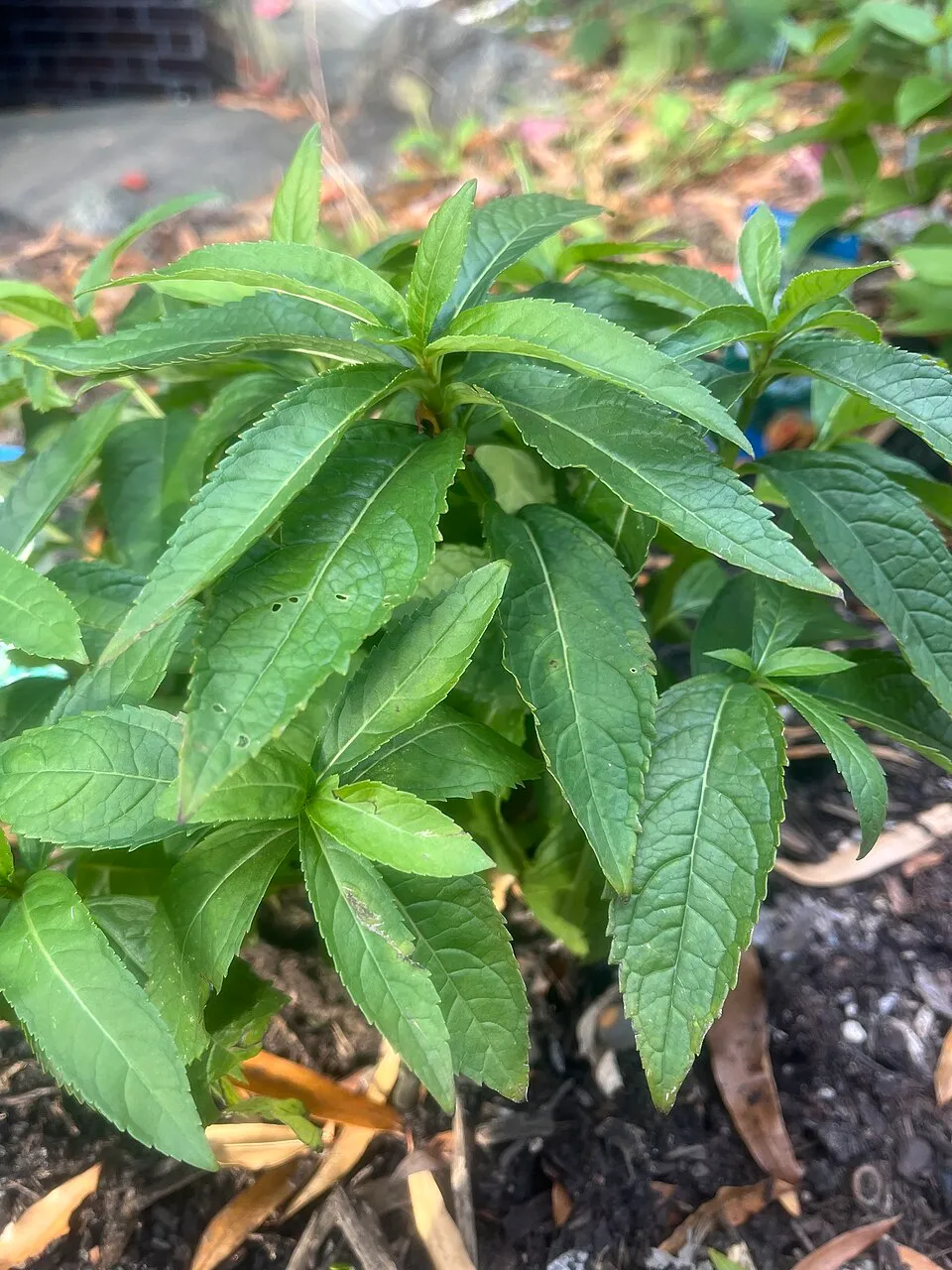
Chelone glabra, commonly known as white turtlehead or balmony, is a striking perennial herbaceous plant native to the moist woodlands, marshes, and stream banks of eastern North America. This species, a member of the Plantaginaceae family, is characterized by its robust, erect stems that typically reach heights of 60 to 90 cm (2 to 3 feet).
Its dark green leaves are arranged oppositely along the stem, displaying a lanceolate to ovate shape with serrated margins, growing up to 15 cm (6 inches) in length. The plant's most distinctive feature is its unique flowers, which bloom from late summer into early fall.
These tubular, bilabiate flowers are densely clustered in terminal racemes and are typically white or pale pink, often with a hint of rose. Their peculiar shape, resembling the head of a turtle with its mouth agape, is the origin of its common name.
This unique morphology makes Chelone glabra a magnet for specific pollinators, particularly bumblebees, whose strength is needed to pry open the flower's 'mouth' to access nectar and pollen. The plant's preference for wet, boggy conditions makes it an ecological indicator for healthy wetland environments and a valuable addition to native plant gardens, supporting local biodiversity.
Trusted Scientific References
1. Authoritative external sources for Chelone glabra
1.1 Wikipedia — Chelone glabra
1.2 Kew POWO (Plants of the World Online)
1.3 PubMed — peer-reviewed research
1.4 NCBI Taxonomy Browser
1.5 GBIF — Global Biodiversity
1.6Chelone Glabra should be interpreted through verified botanical identity, practical care, and responsible safety language. This recovery note adds the missing context needed for a complete profile: match light to the plant's habit, use well-drained soil, water according to season, and avoid unsupported medicinal or edible claims. For publishing, the plant can be presented as a source-backed garden plant with clear care guidance, common problem diagnosis, and conservative safety wording.
1.1.Chelone Glabra — Highlights
- ✓Distinctive white or — Distinctive white or pale pink flowers resembling a turtle's head.
- ✓Native perennial herbaceous — Native perennial herbaceous plant of Eastern North America.
- ✓Grows in wet, — Grows in wet, moist habitats like marshes and riverbanks.
- ✓Reaches heights of 2 — 3 feet with erect, stout stems.
- ✓Known for its — Known for its bitter taste and traditional use as a digestive stimulant.
- ✓Contains notable phytochemicals — saponins, flavonoids, and tannins.
- ✓Attracts specialized pollinators — Attracts specialized pollinators such as large bumblebees.
- ✓Favors moist, well — drained, organic-rich soils and partial shade.
- ✓Historically valued in — Historically valued in folk medicine for liver support and constipation relief.
- ✓Member of the — Member of the Plantaginaceae family, closely related to snapdragons.
1.2.Chelone Glabra — At-a-Glance Summary
- ✓Chelone glabra, or white turtlehead, is a North American native perennial known for its distinctive flowers.
- ✓Traditionally used as a laxative and liver tonic, though scientific evidence is largely anecdotal.
- ✓Rich in saponins, flavonoids, and tannins, contributing to its potential medicinal properties.
- ✓Requires consistently moist, organically rich soil and thrives in partial to full shade.
- ✓Caution is advised due to insufficient safety data, especially for pregnant/nursing individuals and children.
2.Chelone Glabra — Scientific Identity
3.Chelone Glabra — Fact Sheet
4.Chelone Glabra — Botanical Features
5.Chelone Glabra — Native Range & Habitat
6.Chelone Glabra — Folk Medicine Applications
7.Chelone Glabra — Phytochemistry
- ✓Saponins — Primarily triterpenoid saponins, such as chelonin, which are thought to contribute to its laxative, expectorant, and potentially anti-inflammatory actions.
- ✓Flavonoids — Including compounds like quercetin and kaempferol derivatives, known for their antioxidant, anti-inflammatory, and protective cellular effects.
- ✓Tannins — Astringent polyphenols that contribute to the plant's bitter taste and may offer anti-diarrheal, wound-healing, and antimicrobial properties.
- ✓Iridoid Glycosides — Common in the Plantaginaceae family, these compounds often possess anti-inflammatory, hepatoprotective, and bitter tonic activities.
- ✓Bitter Principles — Undefined complex compounds responsible for the characteristic intense bitterness of the plant, stimulating digestive secretions and appetite.
- ✓Phenolic Acids — Such as caffeic acid and chlorogenic acid, which act as antioxidants and play a role in the plant's defense mechanisms and potential health benefits.
- ✓Volatile Oils — Present in trace amounts, contributing subtly to the plant's aroma and potentially offering mild antimicrobial or aromatic qualities.
- ✓Resins — Complex mixtures that may contribute to the plant's traditional use as a mild laxative and offer some antiseptic properties.
8.Chelone Glabra — Evidence-Based Benefits
- ✓Digestive Aid — Traditionally utilized as a natural laxative to promote healthy bowel movements and alleviate constipation by gently stimulating intestinal activity.
- ✓Liver Support — Historically valued as a bitter tonic for the liver, believed to enhance bile production and support the body’s natural detoxification pathways.
- ✓Bitter Tonic — Its pronounced bitter compounds are thought to stimulate digestive secretions, improving appetite, digestion, and nutrient assimilation.
- ✓Anti-inflammatory Potential — The presence of flavonoids and tannins suggests possible anti-inflammatory effects, traditionally applied to soothe irritated tissues.
- ✓Anthelmintic Properties — Some historical accounts indicate its use in folk medicine for expelling intestinal worms, though modern scientific validation is limited.
- ✓Febrifuge — In traditional remedies, it was employed to help reduce fever, possibly due to its bitter and diaphoretic (sweat-inducing) actions.
- ✓Lymphatic Support — Certain herbal traditions consider Chelone glabra beneficial for supporting lymphatic drainage and reducing localized swelling.
- ✓Skin Health — Historically applied topically as a poultice or wash for various skin ailments, leveraging its astringent and potentially anti-inflammatory compounds.
- ✓Gallbladder Stimulant — May contribute to stimulating gallbladder function and promoting bile flow, which aids in the digestion of fats.
- ✓Detoxification Support — Its combined traditional roles as a liver and lymphatic aid suggest a general supportive action for the body's cleansing processes.
8.1.Chelone Glabra — Indications & Uses
9.Chelone Glabra — Cautions & Contraindications
9.1.Chelone Glabra — Reported Side Effects
- ✓Gastrointestinal Upset — High doses of Chelone glabra may induce stomach discomfort, nausea, vomiting, or diarrhea due to its potent bitter and laxative properties.
- ✓Allergic Reactions — Sensitive individuals may experience hypersensitivity reactions, including skin rashes or other allergic symptoms, upon ingestion or topical contact.
- ✓Bitter Taste Intolerance — The intensely bitter taste of the herb can be unpalatable for some individuals, potentially leading to aversion or difficulty with compliance.
- ✓Unknown Long-Term Effects — Due to a significant lack of comprehensive scientific research, the long-term safety profile of Chelone glabra consumption remains largely undetermined.
- ✓Hypotension Risk — Theoretically, some bitter compounds or constituents could influence blood pressure, though specific evidence for this plant is currently insufficient.
- ✓Emesis Induction — Ingesting excessive quantities, especially of fresh plant material, might trigger vomiting.
9.2.Chelone Glabra — Safety Overview
- ✓Pregnancy and Lactation — Avoid use during pregnancy and breastfeeding due to insufficient reliable safety data and potential unknown effects on fetal development or infant health.
- ✓Pediatric Use — Not recommended for infants or young children due to the lack of safety studies and the potential for strong laxative effects.
- ✓Dosage Adherence — Strict adherence to recommended dosages is crucial, as excessive intake can lead to pronounced gastrointestinal distress and other adverse effects.
- ✓Pre-existing Conditions — Individuals with chronic digestive disorders, liver disease, or those on prescription medications should consult a healthcare professional prior to use.
- ✓Allergic Sensitivities — People with known allergies to plants within the Plantaginaceae family or other bitter herbs should exercise caution.
- ✓Drug Interactions — Potential interactions with medications, particularly those affecting digestion, liver metabolism, or blood pressure, are plausible but currently unstudied.
- ✓Lack of Scientific Data — The overall safety profile is limited by a scarcity of clinical research; use with an understanding of this evidence gap.
10.Chelone Glabra — Preparations & Uses
- ✓Herbal Tea/Infusion — Dried leaves and stems can be steeped in hot water to prepare a bitter tea, traditionally consumed to support digestion and liver function.
- ✓Tincture — A concentrated hydro-alcoholic extract of the aerial parts, taken in small, diluted doses for systemic effects as a digestive or liver tonic.
- ✓Poultice/Compress — Fresh or dried crushed leaves can be applied topically as a poultice to minor skin irritations, swellings, or for their astringent properties.
- ✓Decoction — For a stronger extract, especially if using tougher parts (though aerial parts are primary), plant material can be simmered in water for internal or external applications.
- ✓Capsules/Tablets — Standardized extracts or powdered dried herb can be encapsulated for convenient oral administration, masking the bitter taste.
- ✓Glycerite — A non-alcoholic extract using vegetable glycerin, offering a sweeter alternative suitable for individuals sensitive to alcohol or for pediatric use (with caution).
- ✓External Wash — A strong infusion or decoction can be cooled and used as an external wash for skin conditions, leveraging its traditional astringent and soothing qualities.
11.Chelone Glabra — How to Grow
- ✓Soil Preference — Thrives best in consistently moist, well-drained soils that are rich in organic matter, ideally with a slightly acidic to neutral pH.
- ✓Light Requirements — Prefers partial to full shade, especially crucial in warmer climates to prevent leaf scorch; tolerates full sun if soil moisture is reliably high.
- ✓Watering Regimen — Requires regular and ample watering, particularly during dry spells, to replicate its natural wetland or riparian habitat conditions.
- ✓Mulching Benefits — Apply a generous layer of organic mulch (e.g., wood chips, compost) around the base to help retain soil moisture, suppress weeds, and regulate soil temperature.
- ✓Propagation — Can be propagated from seeds (which typically require cold stratification), by stem cuttings taken in late spring, or by dividing established clumps every 3-5 years in early spring or fall.
- ✓Pest and Disease Management — Generally a robust plant, but monitor for powdery mildew in high humidity and slug damage; ensure good air circulation to mitigate fungal issues.
- ✓Fertilization — Benefits from the incorporation of compost or a balanced, slow-release organic fertilizer applied in early spring to support vigorous growth and flowering.
Reviewed by the Flora Medical Global Botanical Review Panel
Multi-disciplinary editorial group · Botany · Ethnobotany · Herbal-medicine literature
Who reviewed this: This page was checked by the Flora Medical Global Botanical Review Panel — an in-house editorial group of botany graduates, ethnobotany researchers, and horticulture practitioners who collectively maintain our 7,000+ plant encyclopedia. Meet the team.
Our 4-step verification process
1. Taxonomic verification
Scientific names and synonyms cross-checked against Kew POWO, World Flora Online, and The Plant List.
2. Phytochemical & medicinal cross-reference
Active compounds, traditional uses, and reported activities are cross-referenced with PubMed, USDA Dr. Duke's database, and peer-reviewed ethnobotanical literature.
3. Conservation & distribution check
Distribution, ecology, and conservation status confirmed against GBIF occurrence records and the IUCN Red List.
4. Editorial & safety review
Every entry passes an editorial pass for clarity, originality, and safety notices (toxicity, contraindications, dosage caveats) before publication.
Last reviewed:
Important medical disclaimer: This content is for educational and research purposes only. It is not medical advice and is not a substitute for consultation with a licensed healthcare provider. Do not use any herb to self-treat a medical condition without professional guidance.
Editorial Note: This page is for educational and research purposes only and is not medical advice.
Written by: Flora Medical Global Editorial Team
Reviewed by: Flora Medical Global Botanical Review Panel
Last Updated: June 15, 2026





Chelone Glabra — Comments & Community Reviews
Rate this plant