
Medical Disclaimer: This content is for educational purposes only. It is not medical advice. Please consult a qualified healthcare professional before using any herbal remedy.
Safety Overview
1.Chelone Lyonii — Botanical Snapshot
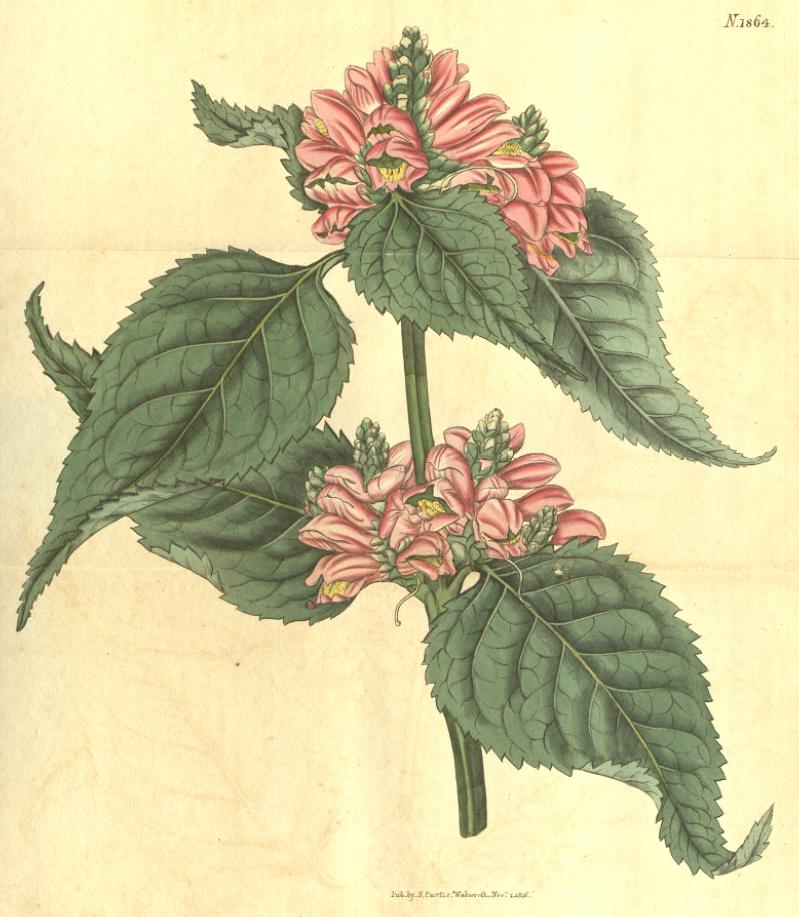
Chelone lyonii, commonly recognized as eastern turtlehead or pink turtlehead, is an enchanting herbaceous perennial indigenous to the southeastern United States, thriving predominantly within the Appalachian Mountains and adjacent areas. As a member of the Plantaginaceae family, it belongs to the genus Chelone, celebrated for its uniquely shaped, bilabiate flowers that strikingly resemble a turtle's head. This robust plant establishes an upright, clump-forming growth habit, typically reaching heights of 60 to 90 centimeters (2 to 3 feet), although some specimens can exceed this in optimal conditions.
Its stems are characteristically erect, often square in cross-section, and exhibit a sturdy structure, occasionally adorned with a soft, downy pubescence, especially on nascent growth. The foliage presents a vibrant dark green hue, with simple, lanceolate to ovate-lanceolate leaves arranged oppositely along the stem. These leaves measure approximately 7.5 to 15 centimeters (3 to 6 inches) in length, featuring distinctively serrated margins and prominent venation.
While generally smooth, a slight hairiness might be detected on the undersides or along the veins.
The most captivating attribute of Chelone lyonii is its inflorescence. The plant produces dense, terminal spikes of tubular flowers that bloom profusely from late summer through early fall, typically spanning August to September. These blossoms are truly singular, characterized by a hooded upper lip and a three-lobed lower lip, collectively forming a shape that vividly evokes a turtle's head with its mouth slightly ajar, hence its evocative common name.
The color palette of these alluring flowers ranges from various shades of pink to rose-purple, sometimes appearing nearly white, frequently with subtle yellow 'beard' or throat markings that act as guides for pollinators. Chelone lyonii flourishes in specific wetland ecosystems, favoring stream banks, marshy terrains, bogs, and the moist peripheries of woodlands, indicating a strong preference for consistently damp to wet soils and partial shade, particularly in regions with hot afternoon sun.
Trusted Scientific References
1. Authoritative external sources for Chelone lyonii
1.1 Wikipedia — Chelone lyonii
1.2 Kew POWO (Plants of the World Online)
1.3 PubMed — peer-reviewed research
1.4 NCBI Taxonomy Browser
1.5 GBIF — Global Biodiversity
1.1.Chelone Lyonii — Highlights
- ✓Distinctive Turtle — Head Flowers — Unique pink to rose-purple bilabiate blossoms resembling a turtle's head.
- ✓Native to Appalachian Mountains — Indigenous to moist, wooded areas of the southeastern United States.
- ✓Late Summer to Fall Bloomer — Provides vibrant color in the garden from August through September.
- ✓Attracts Pollinators — A valuable nectar source for hummingbirds, bees, and butterflies.
- ✓Deer Resistant — Generally not favored by deer, making it a good landscape choice.
- ✓Prefers Moist to Wet Soils — Ideal for rain gardens, bog gardens, and stream banks.
- ✓Upright, Clump — Forming Habit — Grows 2-4 feet tall with a tidy, non-invasive form.
- ✓Hardy Perennial — Resilient in USDA Zones 3-8, returning year after year.
- ✓Low Maintenance — Requires minimal care once established in appropriate conditions.
- ✓Member of Plantaginaceae Family — Shares botanical characteristics with other 'figwort' plants.
1.2.Chelone Lyonii — In Brief
- ✓Chelone lyonii is a native perennial known for its unique turtle-head shaped pink flowers.
- ✓Thrives in moist, partially shaded wetland habitats of the southeastern US.
- ✓Primarily valued for its ornamental beauty and ecological role as a pollinator plant.
- ✓Related species, particularly C. glabra, have historical uses as a liver tonic and digestive aid.
- ✓Generally deer resistant and low maintenance in suitable growing conditions.
- ✓Limited direct medicinal research exists for Chelone lyonii specifically.
2.Chelone Lyonii — Botanical Identity
3.Chelone Lyonii — Vital Statistics
4.Chelone Lyonii — Physical Description
5.Chelone Lyonii — Ecological Habitat
6.Chelone Lyonii — Folk Medicine Applications
7.Chelone Lyonii — Chemical Profile
- ✓Iridoid Glycosides — Compounds like aucubin and catalpol are characteristic of the Plantaginaceae family, potentially contributing to anti-inflammatory, hepatoprotective, and bitter tonic actions.
- ✓Flavonoids — Quercetin, kaempferol, and their glycosides are often present, known for their antioxidant, anti-inflammatory, and vasodilatory properties.
- ✓Phenolic Acids — Caffeic acid, chlorogenic acid, and rosmarinic acid derivatives may contribute to the plant's antioxidant and antimicrobial activities.
- ✓Tannins — Gallotannins and condensed tannins can impart astringent properties, traditionally used for toning tissues and as mild antidiarrheals.
- ✓Saponins — These compounds can have expectorant, anti-inflammatory, and potentially cholesterol-lowering effects, though often present in smaller quantities.
- ✓Alkaloids — While not dominant, trace amounts of nitrogen-containing compounds may be present, influencing various physiological responses.
- ✓Volatile Oils — Minor constituents that contribute to the plant's aroma and may possess antimicrobial or carminative properties.
- ✓Polysaccharides — Complex carbohydrates that can offer immune-modulating and demulcent (soothing) effects.
- ✓Resins — Complex mixtures that might contribute to the plant's traditional laxative or alterative properties.
- ✓Bitter Principles — Unidentified bitter compounds that stimulate digestive secretions and enhance appetite, characteristic of many cholagogue herbs.
8.Chelone Lyonii — Evidence-Based Benefits
- ✓Liver Support — Historically, the genus Chelone, particularly Chelone glabra, has been traditionally used as a cholagogue, stimulating bile production and flow to support liver and gallbladder function.
- ✓Digestive Aid — Preparations from related species were used to promote healthy digestion, acting as a gentle laxative and aiding in the relief of constipation due to their potential bitter principles.
- ✓Anti-inflammatory Properties — While specific research on Chelone lyonii is limited, related plants in the Plantaginaceae family often contain compounds with anti-inflammatory potential, which may help soothe irritated tissues.
- ✓Antioxidant Activity — Phytochemicals commonly found in native plants, such as flavonoids and phenolic acids, could contribute to antioxidant effects, protecting cells from oxidative stress.
- ✓Immune Modulation — Traditional uses of Chelone glabra suggest a role in supporting the immune system, potentially by enhancing detoxification pathways.
- ✓Appetizer and Tonic — Bitter principles in related Chelone species have been employed to stimulate appetite and act as a general tonic, improving overall vitality and digestive vigor.
- ✓Parasitic Expulsion — Historically, some indigenous groups used parts of the Chelone genus as an anthelmintic, though this use requires significant caution and modern scientific validation.
- ✓Skin Health — Topical applications from related species were sometimes used for minor skin irritations or as a poultice, leveraging potential astringent or soothing properties.
- ✓Detoxification Support — By promoting liver and kidney function, the plant, particularly C. glabra, was traditionally thought to assist the body's natural detoxification processes.
- ✓Kidney Function Enhancement — Related species have been noted in traditional practices for their diuretic properties, potentially aiding in fluid balance and kidney health.
8.1.Chelone Lyonii — Reported Uses
9.Chelone Lyonii — Safety & Side Effects
9.1.Chelone Lyonii — Reported Side Effects
- ✓Nausea and Vomiting — Large doses, especially of related Chelone glabra, may induce nausea and vomiting due to its emetic properties.
- ✓Diarrhea — Excessive consumption of preparations from the genus can lead to loose stools or diarrhea.
- ✓Allergic Reactions — Individuals sensitive to plants in the Plantaginaceae family may experience skin irritation or respiratory symptoms.
- ✓Gastrointestinal Upset — Mild stomach discomfort, cramping, or bloating can occur in some individuals.
- ✓Bitter Taste — The pronounced bitter taste can be off-putting for some, potentially causing an unpleasant sensation.
- ✓Hypotension — Theoretically, in very high doses, compounds affecting cardiovascular function could lead to a temporary drop in blood pressure.
- ✓Interactions with Medications — Potential to interact with medications affecting liver function or blood clotting due to its traditional uses.
9.2.Chelone Lyonii — Risk Assessment
- ✓Pregnancy and Lactation — Avoid use during pregnancy and breastfeeding due due to insufficient safety data and potential emetic effects.
- ✓Children — Not recommended for use in children without professional medical guidance.
- ✓Pre-existing Conditions — Individuals with liver, gallbladder, or gastrointestinal disorders should consult a healthcare provider before use.
- ✓Drug Interactions — Exercise caution if taking medications for diabetes, blood thinners, or any medication metabolized by the liver.
- ✓Dosage — Adhere strictly to recommended dosages, as high amounts can cause adverse effects.
- ✓Allergic Sensitivity — Discontinue use if signs of allergic reaction, such as rash, itching, or swelling, occur.
- ✓Professional Guidance — Always consult a qualified medical herbalist or healthcare professional before using Chelone lyonii for medicinal purposes.
10.Chelone Lyonii — Preparations & Uses
- ✓Ornamental Planting — Primarily used as a striking ornamental in native gardens, rain gardens, and moist borders due to its unique flowers and fall interest.
- ✓Pollinator Garden Inclusion — Excellent choice for attracting hummingbirds, butterflies, and bees, serving as a larval host plant for certain butterfly species.
- ✓Traditional Decoction (C. glabra) — Historically, a decoction of the dried leaves and stems of related C. glabra was prepared by simmering in water for liver and digestive support.
- ✓Tincture Preparation (C. glabra) — An alcoholic extract of the fresh or dried herb of related species can be made for a concentrated form, typically taken in drops.
- ✓Poultice (C. glabra) — Crushed fresh leaves of C. glabra were traditionally applied topically as a poultice for skin irritations or swelling.
- ✓Infused Oil (C. glabra) — Infusing dried aerial parts of C. glabra in a carrier oil could create a topical application for muscle aches or skin conditions.
- ✓Garden Specimen — Planted as a focal point or in mass plantings along water features for its distinctive late-season blooms.
- ✓Wildlife Habitat Enhancement — Contributes to biodiversity by providing nectar and habitat for various wildlife.
11.Chelone Lyonii — Garden Cultivation
- ✓Soil Preference — Thrives in rich, moist to wet soils with high organic matter content, mimicking its native wetland habitats.
- ✓Light Requirements — Best grown in partial shade, especially in warmer climates, though it can tolerate full sun if soil moisture is consistently maintained.
- ✓Water Needs — Requires consistently moist soil; avoid drying out. Ideal for bog gardens, stream banks, or pond margins.
- ✓Climate Suitability — Adaptable to cool climate summers and hardy in USDA zones 3-8.
- ✓Pruning for Bushiness — Pinch stems in late spring or early summer to encourage a more compact, bushier growth habit and prevent legginess.
- ✓Pest and Disease Resistance — Generally robust with no significant pest issues; powdery mildew can occur in dry soil or poor air circulation.
- ✓Deer Resistance — Considered deer resistant, making it a good choice for gardens prone to browsing.
- ✓Propagation — Can be propagated by seed, division in spring, or stem cuttings.
Reviewed by the Flora Medical Global Botanical Review Panel
Multi-disciplinary editorial group · Botany · Ethnobotany · Herbal-medicine literature
Who reviewed this: This page was checked by the Flora Medical Global Botanical Review Panel — an in-house editorial group of botany graduates, ethnobotany researchers, and horticulture practitioners who collectively maintain our 7,000+ plant encyclopedia. Meet the team.
Our 4-step verification process
1. Taxonomic verification
Scientific names and synonyms cross-checked against Kew POWO, World Flora Online, and The Plant List.
2. Phytochemical & medicinal cross-reference
Active compounds, traditional uses, and reported activities are cross-referenced with PubMed, USDA Dr. Duke's database, and peer-reviewed ethnobotanical literature.
3. Conservation & distribution check
Distribution, ecology, and conservation status confirmed against GBIF occurrence records and the IUCN Red List.
4. Editorial & safety review
Every entry passes an editorial pass for clarity, originality, and safety notices (toxicity, contraindications, dosage caveats) before publication.
Last reviewed:
Important medical disclaimer: This content is for educational and research purposes only. It is not medical advice and is not a substitute for consultation with a licensed healthcare provider. Do not use any herb to self-treat a medical condition without professional guidance.
Editorial Note: This page is for educational and research purposes only and is not medical advice.
Written by: Flora Medical Global Editorial Team
Reviewed by: Flora Medical Global Botanical Review Panel
Last Updated: June 15, 2026





Chelone Lyonii — Comments & Community Reviews
Rate this plant