

Medical Disclaimer: This content is for educational purposes only. It is not medical advice. Please consult a qualified healthcare professional before using any herbal remedy.
Safety Overview
1.Cherry Blossom — Plant Snapshot
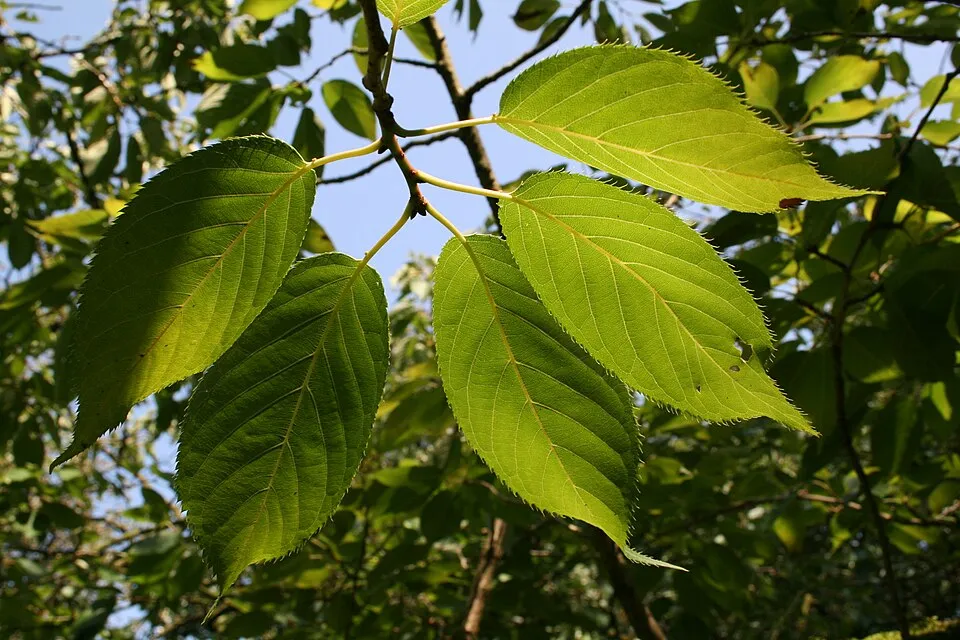
Prunus serrulata, commonly known as the Cherry Blossom or Japanese Flowering Cherry, is a small to medium-sized deciduous tree celebrated globally for its spectacular spring floral displays. Typically reaching heights of 15 to 25 feet and spreading equally wide, its growth habit can vary from vase-shaped to wide-spreading, depending on the cultivar. The leaves are ovate to lanceolate, measuring approximately 3 to 5 inches long, with distinctly serrated margins. They emerge in vibrant shades of bronze or purple in spring, maturing to a dark green before transforming into brilliant yellow-orange hues in the autumn.
The bark is characteristically smooth and grayish-brown when young, developing a reddish-brown, glossy appearance with prominent horizontal lenticels as it ages, eventually becoming more textured and fissured. The show-stopping flowers, which are the tree's hallmark, bloom profusely from mid-March to May. These blossoms range in color from pure white to various shades of pale pink to deep magenta, often appearing in clusters of 2 to 5. Cultivars exhibit diversity in petal count, featuring single, semi-double, or double flowers, many with an appealing, subtle fragrance.
Small, round, pea-sized black drupes may appear in late summer, though most ornamental cultivars are sterile or produce minimal fruit. Native to East and South China, Japan, and Korea, Prunus serrulata thrives in moist, well-drained, loamy soils and requires full sun exposure for optimal flowering. It is frost-hardy, suitable for USDA zones 5 to 8, and is a cherished member of the Rosaceae family, symbolizing renewal, the ephemeral beauty of life, and good health in its native lands.
Trusted Scientific References
1. Authoritative external sources for Prunus serrulata
1.1 Wikipedia — Prunus serrulata
1.2 Kew POWO (Plants of the World Online)
1.3 PubMed — peer-reviewed research
1.4 NCBI Taxonomy Browser
1.5 GBIF — Global Biodiversity
1.6Cherry Blossom should be interpreted through verified botanical identity, practical care, and responsible safety language. This recovery note adds the missing context needed for a complete profile: match light to the plant's habit, use well-drained soil, water according to season, and avoid unsupported medicinal or edible claims. For publishing, the plant can be presented as a source-backed garden plant with clear care guidance, common problem diagnosis, and conservative safety wording.
1.1.Cherry Blossom — Key Features
- ✓Spectacular Spring Blooms — Profuse white to pink flowers in early spring.
- ✓Rich Antioxidant Content — High in flavonoids, anthocyanins, and phenolic acids.
- ✓Cultural Significance — National flower of Japan, symbolizing beauty and renewal.
- ✓Ornamental Landscape Value — Ideal as a specimen tree or for street planting.
- ✓Attracts Pollinators — Flowers provide early nectar for bees and other insects.
- ✓Skin — Nourishing Properties — Valued in cosmetics for anti-aging and brightening.
- ✓Fragrant Flowers — Possesses a delicate, appealing aroma.
- ✓Deciduous Foliage with Fall Color — Leaves turn vibrant yellow-orange in autumn.
- ✓Short — Lived Tree — Typically has a lifespan of 15 to 20 years.
- ✓Multiple Cultivars Available — Wide range of flower colors, forms, and sizes.
1.2.Cherry Blossom — Concise Overview
- ✓Iconic ornamental tree with stunning spring blooms, native to East Asia.
- ✓Rich in antioxidants like flavonoids and anthocyanins, beneficial for skin health.
- ✓Widely used in high-end cosmetics for anti-aging, brightening, and anti-inflammatory effects.
- ✓Symbolizes renewal, beauty, and the ephemeral nature of life in Japanese culture.
- ✓Leaves, stems, and seeds contain cyanogenic glycosides and are toxic if ingested.
- ✓Primarily recommended for external use or as a delicate culinary garnish.
2.Cherry Blossom — Taxonomic Classification
3.Cherry Blossom — Botanical Stats
4.Cherry Blossom — Structural Profile
5.Cherry Blossom — Habitat & Distribution
6.Cherry Blossom — Ethnobotanical Uses
7.Cherry Blossom — Secondary Metabolites
- ✓Flavonoids — Key compounds like quercetin, kaempferol, and catechin derivatives, known for potent antioxidant and anti-inflammatory activities, contributing to skin protection.
- ✓Anthocyanins — Pigments such as cyanidin and delphinidin glycosides, responsible for the flowers' vibrant colors, act as powerful antioxidants and free radical scavengers.
- ✓Tannins — Both hydrolyzable and condensed tannins are present, imparting astringent properties and contributing to the plant's antioxidant and potential antimicrobial effects.
- ✓Phenolic Acids — Including caffeic acid, chlorogenic acid, and p-coumaric acid, which are recognized for their antioxidant and UV-protective capabilities.
- ✓Cyanogenic Glycosides — Compounds like amygdalin are found in the leaves, stems, and seeds, releasing hydrogen cyanide upon hydrolysis, thus posing a toxicity risk if ingested.
- ✓Volatile Organic Compounds — A diverse array of aromatic compounds that contribute to the characteristic delicate fragrance of the flowers, although not typically extracted as an essential oil.
- ✓Saponins — Certain saponins may be present, which can exhibit foaming properties and some biological activities, though less studied in Prunus serrulata.
- ✓Glycosides (Non-cyanogenic) — Various other glycosidic compounds, often linked to sugar molecules, may contribute to the plant's overall bioactivity and stability.
- ✓Triterpenes — Some triterpenoids, common in the Rosaceae family, may be present, potentially offering anti-inflammatory or other pharmacological effects.
- ✓Ascorbic Acid (Vitamin C) — Trace amounts of this essential vitamin, contributing to antioxidant capacity and skin health benefits.
- ✓Tocopherols (Vitamin E) — Minor quantities of tocopherols may be present, further enhancing the plant's antioxidant profile.
- ✓Minerals — Trace elements such as potassium, calcium, and magnesium, essential for plant physiology and potentially present in extracts.
8.Cherry Blossom — Modern Studies
- ✓Skin Brightening — Cherry Blossom extract is prized for its ability to inhibit melanin production, helping to reduce hyperpigmentation and promote a more even, radiant skin tone.
- ✓Anti-aging Properties — Rich in antioxidants, Prunus serrulata helps neutralize free radicals, protecting skin cells from oxidative stress and reducing the appearance of fine lines and wrinkles.
- ✓Anti-inflammatory Action — The plant's phenolic compounds and flavonoids possess soothing properties that can help calm irritated skin, reducing redness and discomfort.
- ✓Enhanced Collagen Production — Research suggests that compounds in Cherry Blossom can support collagen synthesis, improving skin elasticity and firmness.
- ✓Antioxidant Defense — Its high content of anthocyanins and other polyphenols provides robust protection against environmental damage, supporting overall cellular health.
- ✓Hydration Support — When incorporated into cosmetic formulations, Cherry Blossom extracts can help improve the skin's barrier function, leading to better moisture retention and a plumper complexion.
- ✓Mood Elevation (Aromatherapy) — The delicate fragrance of Cherry Blossom is often associated with feelings of tranquility and happiness, used in aromatherapy to promote a sense of well-being.
- ✓Scalp Health — Topical applications may help soothe an irritated scalp and contribute to healthier-looking hair by providing antioxidant and anti-inflammatory benefits.
- ✓Astringent Effects — The presence of tannins can provide mild astringent properties, which may help tone the skin and reduce the appearance of pores.
- ✓Detoxification Support — Through its antioxidant activity, Cherry Blossom may indirectly support the body's natural detoxification pathways by reducing cellular burden.
- ✓Minor Wound Healing — Traditional use and modern understanding of its anti-inflammatory properties suggest a supportive role in the healing of minor skin abrasions.
- ✓Immune Modulatory Effects — While not a primary immune booster, the flavonoid content may offer subtle support to the body's immune responses.
8.1.Cherry Blossom — Reported Uses
9.Cherry Blossom — Adverse Effects
9.1.Cherry Blossom — Reported Side Effects
- ✓Cyanide Toxicity — Ingestion of leaves, stems, or seeds can lead to hydrogen cyanide poisoning due to cyanogenic glycosides, potentially causing respiratory distress, convulsions, or cardiac arrest.
- ✓Allergic Reactions — Sensitive individuals may experience skin irritation, redness, or allergic dermatitis from topical contact with extracts or pollen inhalation.
- ✓Gastrointestinal Upset — Oral consumption of large quantities of plant material may cause nausea, vomiting, or diarrhea.
- ✓Photosensitivity — While less common for Prunus serrulata flowers, some Prunus species can induce photosensitivity in susceptible individuals.
- ✓Drug Interactions — Theoretical risk of interaction with anticoagulant medications if coumarins are present and consumed internally in significant amounts, though this is not a primary medicinal use.
- ✓Respiratory Irritation — Inhalation of pollen during peak bloom can exacerbate seasonal allergies or asthma in sensitive persons.
- ✓Skin Sensitivity — Patch testing is recommended for new cosmetic products containing Cherry Blossom extract, especially for those with sensitive skin.
9.2.Cherry Blossom — Safety Profile
- ✓External Use Only — Cherry Blossom is primarily recommended for topical cosmetic applications or as a culinary garnish; direct internal consumption of plant parts is generally not advised.
- ✓Avoid Ingestion of Seeds/Leaves — The seeds, leaves, and bark contain cyanogenic glycosides and are considered toxic if ingested, especially for pets and livestock.
- ✓Pet and Livestock Warning — Keep ornamental Prunus serrulata trees out of reach of cats, dogs, and horses, as ingestion of plant material can be fatal.
- ✓Pregnancy and Lactation — Due to insufficient research on internal consumption, pregnant or lactating individuals should avoid using Cherry Blossom products internally and consult a healthcare professional for topical use.
- ✓Children's Safety — Ensure children do not ingest any parts of the plant, particularly the leaves, stems, or seeds.
- ✓Allergic Patch Test — Always perform a patch test when using new Cherry Blossom-infused cosmetic products to check for skin sensitivity or allergic reactions.
- ✓Consult a Professional — Individuals with pre-existing health conditions or those on medication should consult a medical herbalism expert or physician before using any plant-derived products.
10.Cherry Blossom — Preparation & Dosage
- ✓Cosmetic Topical Application — Extracts are widely used in serums, creams, and lotions for skin brightening, anti-aging, and anti-inflammatory benefits.
- ✓Floral Water/Hydrosol — Distilled from the flowers, used as a gentle facial toner, refreshing mist, or calming ingredient in personal care products.
- ✓Herbal Infusions (Tea) — Dried Cherry Blossom petals can be steeped in hot water to create a delicate, aromatic tea, often consumed for its subtle flavor and calming effect.
- ✓Culinary Garnish — Fresh or salt-preserved blossoms (sakura-zuke) are used as a decorative and flavorful garnish in traditional Japanese cuisine and sweets.
- ✓Bathing Rituals — Adding fresh or dried petals to bathwater can provide a luxurious, aromatic, and skin-soothing experience.
- ✓Aromatherapy — While a true essential oil is rare, the natural fragrance of the flowers can be enjoyed for its mood-enhancing and calming properties in natural settings.
- ✓Poultices/Compresses — Infused cloths with Cherry Blossom extract can be applied topically to soothe minor skin irritations or inflammation.
- ✓Hair Care Products — Extracts are increasingly incorporated into shampoos, conditioners, and scalp treatments for their antioxidant and soothing properties.
11.Cherry Blossom — Growth Requirements
- ✓Soil Preference — Plant in moist, well-drained, loamy soils; avoid heavy clay or poorly drained areas to prevent root rot.
- ✓Sunlight Requirements — Full sun exposure (at least 6 hours daily) is crucial for vigorous growth and abundant flowering.
- ✓Watering Regimen — Water regularly, especially during dry spells and in the tree's establishment phase, but allow soil to dry slightly between waterings.
- ✓Pruning Techniques — Prune sparingly, primarily after flowering to remove dead, damaged, or crossing branches and to maintain a desirable shape.
- ✓Fertilization Schedule — Apply a balanced, slow-release fertilizer in early spring, especially for young trees or in nutrient-poor soils.
- ✓Pest and Disease Management — Monitor for common issues like aphids, borers, leaf spot, and powdery mildew; ensure good air circulation to mitigate disease.
- ✓Climate Hardiness — Suitable for USDA Hardiness Zones 5 to 8; provides good frost hardiness but can be susceptible to late spring frosts damaging new blooms.
- ✓Air Circulation — Ensure adequate spacing between trees and other plants to promote air flow, which helps reduce fungal disease incidence.
Reviewed by the Flora Medical Global Botanical Review Panel
Multi-disciplinary editorial group · Botany · Ethnobotany · Herbal-medicine literature
Who reviewed this: This page was checked by the Flora Medical Global Botanical Review Panel — an in-house editorial group of botany graduates, ethnobotany researchers, and horticulture practitioners who collectively maintain our 7,000+ plant encyclopedia. Meet the team.
Our 4-step verification process
1. Taxonomic verification
Scientific names and synonyms cross-checked against Kew POWO, World Flora Online, and The Plant List.
2. Phytochemical & medicinal cross-reference
Active compounds, traditional uses, and reported activities are cross-referenced with PubMed, USDA Dr. Duke's database, and peer-reviewed ethnobotanical literature.
3. Conservation & distribution check
Distribution, ecology, and conservation status confirmed against GBIF occurrence records and the IUCN Red List.
4. Editorial & safety review
Every entry passes an editorial pass for clarity, originality, and safety notices (toxicity, contraindications, dosage caveats) before publication.
Last reviewed:
Important medical disclaimer: This content is for educational and research purposes only. It is not medical advice and is not a substitute for consultation with a licensed healthcare provider. Do not use any herb to self-treat a medical condition without professional guidance.
Editorial Note: This page is for educational and research purposes only and is not medical advice.
Written by: Flora Medical Global Editorial Team
Reviewed by: Flora Medical Global Botanical Review Panel
Last Updated: June 15, 2026





Cherry Blossom — Comments & Community Reviews
Rate this plant