

Medical Disclaimer: This content is for educational purposes only. It is not medical advice. Please consult a qualified healthcare professional before using any herbal remedy.
Safety Overview
1.Cherry Tree — Overview
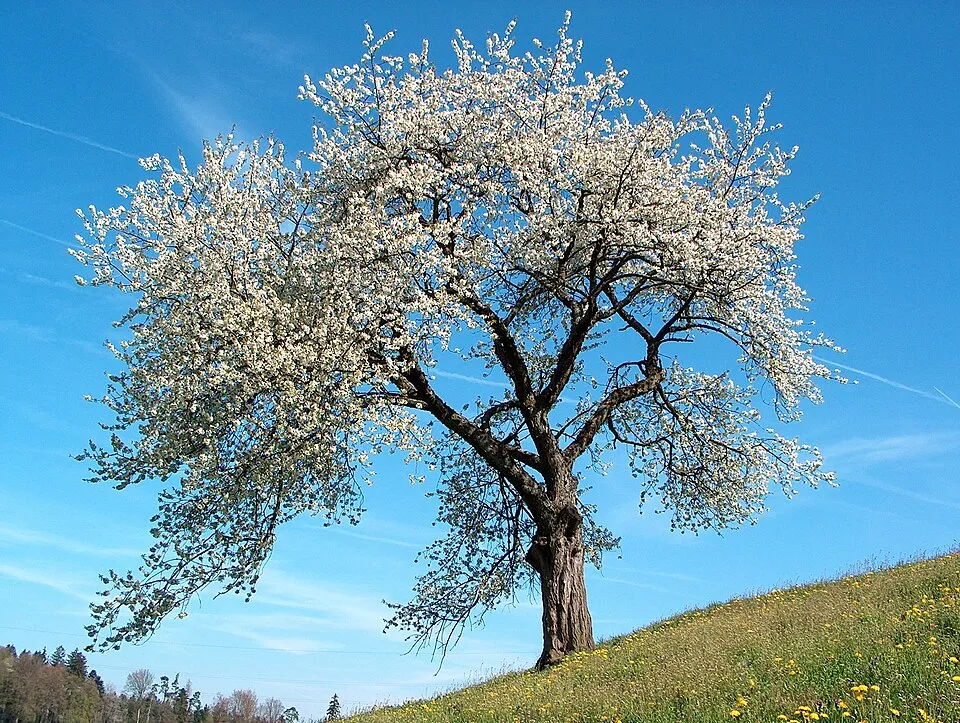
The Cherry Tree, scientifically known as Prunus avium, is a distinguished deciduous tree belonging to the extensive Rosaceae family. Commonly referred to as the sweet cherry, this species typically reaches an impressive height of 15 to 30 feet (4.5 to 9 meters) and develops a characteristically broad, spreading crown that provides ample shade. Its leaves are arranged alternately along the stems, presenting as simple, ovate structures with a lustrous dark green surface, generally measuring between 3 to 6 inches in length. A hallmark of spring, Prunus avium produces abundant clusters of delicate white to pale pink flowers, which are not only visually striking but also highly attractive to a diverse array of pollinators.
Following this vibrant bloom, the tree yields small, round fruits that mature to a rich dark red or almost black hue, typically ripening from late spring through early summer. These succulent cherries are prized for their intense sweetness, making them a popular choice for fresh consumption and various culinary applications. Originating from Europe, extending to Afghanistan and Northern Africa, the sweet cherry tree thrives in temperate climates, necessitating a period of cold dormancy for optimal fruit development. It prefers well-drained, fertile soils with a pH ranging from 6.0 to 7.0 and requires full sunlight exposure to flourish.
While generally robust, Prunus avium can be susceptible to common tree ailments such as brown rot and bacterial cankers, alongside various insect pests. Beyond its fruit production, the cherry tree is also valued for its ornamental appeal, offering seasonal beauty from spring blossoms to vibrant autumn foliage.
Trusted Scientific References
1. Authoritative external sources for Prunus avium
1.1 Wikipedia — Prunus avium
1.2 Kew POWO (Plants of the World Online)
1.3 PubMed — peer-reviewed research
1.4 NCBI Taxonomy Browser
1.5 GBIF — Global Biodiversity
1.6Cherry Tree should be interpreted through verified botanical identity, practical care, and responsible safety language. This recovery note adds the missing context needed for a complete profile: match light to the plant's habit, use well-drained soil, water according to season, and avoid unsupported medicinal or edible claims. For publishing, the plant can be presented as a source-backed garden plant with clear care guidance, common problem diagnosis, and conservative safety wording.
1.1.Cherry Tree — Defining Traits
- ✓Deciduous tree with — Deciduous tree with showy spring flowers.
- ✓Produces sweet, edible — Produces sweet, edible drupe fruits.
- ✓Rich in antioxidants, — Rich in antioxidants, particularly anthocyanins.
- ✓Natural source of — Natural source of the sleep hormone melatonin.
- ✓Traditionally used for anti — inflammatory purposes.
- ✓Attracts pollinators and — Attracts pollinators and butterflies.
- ✓Requires temperate climate — Requires temperate climate with chilling hours.
- ✓Member of the — Member of the Rosaceae family.
- ✓Known for its — Known for its vibrant red to black fruit color.
- ✓Offers aesthetic beauty — Offers aesthetic beauty throughout seasons.
1.2.Cherry Tree — Quick Summary
- ✓Prunus avium is the Sweet Cherry, a deciduous fruit tree.
- ✓Renowned for potent anti-inflammatory and antioxidant properties.
- ✓Natural source of melatonin, aiding sleep and circadian rhythm.
- ✓Traditionally used for gout relief and muscle soreness.
- ✓Contains beneficial anthocyanins, flavonoids, and vitamin C.
- ✓Pits, leaves, and bark are toxic and should not be consumed.
2.Cherry Tree — Scientific Profile
3.Cherry Tree — Reference Facts
4.Cherry Tree — Morphological Account
5.Cherry Tree — Habitat & Distribution
6.Cherry Tree — Ethnobotanical Uses
7.Cherry Tree — Secondary Metabolites
- ✓Anthocyanins — These vibrant pigments, such as cyanidin-3-glucoside and cyanidin-3-rutinoside, are responsible for the cherry's red color and possess strong antioxidant and anti-inflammatory activities.
- ✓Flavonoids — Compounds like quercetin, kaempferol, and epicatechin contribute to the fruit's antioxidant capacity, offering protective effects against cellular damage and supporting vascular health.
- ✓Phenolic Acids — Chlorogenic acid and caffeic acid are prominent examples, known for their antioxidant, anti-inflammatory, and potential anti-carcinogenic properties.
- ✓Melatonin — A natural indoleamine hormone found in cherries, essential for regulating circadian rhythms and promoting healthy sleep patterns.
- ✓Vitamin C (Ascorbic Acid) — A crucial water-soluble antioxidant that supports immune function, collagen synthesis, and protects against oxidative stress.
- ✓Dietary Fiber — Both soluble and insoluble fibers are present, aiding in digestive health, regulating blood sugar, and promoting satiety.
- ✓Carotenoids — Beta-carotene and lutein are found in smaller amounts, acting as antioxidants and supporting eye health.
- ✓Potassium — An essential mineral that plays a vital role in maintaining fluid balance, nerve signals, and muscle contractions, including those of the heart.
- ✓Triterpenes — These compounds, present in parts of the tree, may contribute to anti-inflammatory and hepatoprotective actions.
- ✓Cyanogenic Glycosides — While present in higher concentrations in the leaves, bark, and seeds (pits), trace amounts can be found, acting as a natural defense mechanism for the plant.
8.Cherry Tree — Modern Studies
- ✓Anti-inflammatory Properties — Sweet cherry (Prunus avium) is rich in anthocyanins, which are potent antioxidants shown to inhibit inflammatory pathways, thereby reducing pain and swelling in conditions like arthritis and gout.
- ✓Antioxidant Powerhouse — The high concentration of polyphenols, particularly anthocyanins and phenolic acids, helps neutralize harmful free radicals, protecting cells from oxidative damage and supporting overall cellular health.
- ✓Gout Symptom Relief — Regular consumption of sweet cherries has been traditionally and scientifically linked to a reduction in uric acid levels in the blood, which can help prevent gout attacks and alleviate associated pain.
- ✓Improved Sleep Quality — Prunus avium contains natural melatonin, a hormone crucial for regulating the sleep-wake cycle, making cherry consumption a potential natural aid for improving sleep duration and quality.
- ✓Cardiovascular Health Support — The antioxidants and potassium in sweet cherries contribute to heart health by helping to reduce blood pressure, improve lipid profiles, and decrease systemic inflammation, thereby lowering heart disease risk.
- ✓Muscle Recovery and Soreness Reduction — Cherries are beneficial for athletes and active individuals, as their anti-inflammatory compounds can aid in reducing post-exercise muscle soreness and accelerate recovery.
- ✓Blood Sugar Regulation — Emerging research suggests that compounds in sweet cherries may help improve insulin sensitivity and glucose metabolism, offering potential benefits for managing blood sugar levels.
- ✓Digestive Health — The significant dietary fiber content in cherry fruits promotes healthy digestion, aids in bowel regularity, and supports a balanced gut microbiome.
- ✓Boosted Immune System — Rich in Vitamin C and other immune-modulating compounds, sweet cherries help strengthen the body's natural defenses against infections and illnesses.
- ✓Cognitive Function Enhancement — Antioxidants in Prunus avium may protect brain cells from oxidative stress, potentially supporting cognitive function and reducing the risk of neurodegenerative conditions.
8.1.Cherry Tree — Therapeutic Indications
9.Cherry Tree — Risk Profile
9.1.Cherry Tree — Caution Notes
- ✓Digestive Upset — Excessive consumption of sweet cherries can lead to gastrointestinal discomfort, including bloating, gas, and diarrhea, due to their high fiber content.
- ✓Allergic Reactions — Individuals sensitive to other Rosaceae family members (e.g., apples, peaches) may experience allergic symptoms like itching, swelling, or hives.
- ✓Blood Sugar Spikes — While beneficial for regulation, the natural sugar content in cherries can cause temporary blood sugar increases in individuals with diabetes if consumed in large quantities.
- ✓Medication Interactions — Compounds in cherries might theoretically interact with blood-thinning medications (anticoagulants) due to potential coumarin content, though this is generally minor with sweet cherry fruit.
- ✓Cyanide Toxicity — The pits, leaves, and bark of the cherry tree contain cyanogenic glycosides which release hydrogen cyanide when metabolized; ingestion of these parts is toxic.
- ✓Heartburn/Acid Reflux — The natural acidity of cherries may exacerbate symptoms in individuals prone to heartburn or acid reflux if consumed in large amounts.
- ✓Choking Hazard — Whole cherry pits can pose a choking hazard, particularly for young children.
9.2.Cherry Tree — Safety Overview
- ✓Pregnant and Breastfeeding Women — Consult a healthcare professional before consuming medicinal quantities of cherry extracts or supplements due to limited safety data.
- ✓Children — Ensure pits are removed from cherries given to young children to prevent choking and avoid accidental ingestion of toxic cyanogenic compounds.
- ✓Diabetics — Monitor blood sugar levels when consuming cherries, especially in larger portions, due to their natural sugar content.
- ✓Medication Interactions — Individuals on anticoagulant medications should exercise caution and consult their doctor, though significant interactions with sweet cherry fruit are rare.
- ✓Allergy Sufferers — Those with known allergies to stone fruits or other Rosaceae plants should avoid cherries or consume with caution.
- ✓Avoid Pits, Leaves, and Bark — Never consume the raw pits, leaves, or bark of the cherry tree, as these parts contain toxic cyanogenic glycosides.
- ✓Dosage — Adhere to recommended dosages for cherry supplements and extracts, as excessive intake may lead to adverse effects.
- ✓Gastrointestinal Sensitivity — Individuals with sensitive digestive systems should introduce cherries gradually to assess tolerance.
10.Cherry Tree — Preparation & Dosage
- ✓Fresh Consumption — Enjoy ripe sweet cherries directly off the tree or purchased, providing a delicious and nutritious snack.
- ✓Juices and Smoothies — Extract fresh cherry juice or blend whole cherries into smoothies to harness their medicinal compounds in a concentrated liquid form.
- ✓Dried Cherries — Dried Prunus avium fruits make a convenient, shelf-stable snack or ingredient for baked goods, trail mixes, and salads.
- ✓Culinary Applications — Incorporate sweet cherries into pies, tarts, jams, sauces, and desserts for their distinct flavor and health benefits.
- ✓Extracts and Supplements — Utilize standardized cherry extracts, often available in capsule or liquid form, for targeted therapeutic doses of active compounds like anthocyanins and melatonin.
- ✓Infused Beverages — Steep fresh or dried cherries in hot water to create a soothing herbal tea, or infuse them into cold beverages for a refreshing drink.
- ✓Tinctures — Prepare or purchase cherry tinctures, which are alcoholic extracts that concentrate the plant's medicinal properties for easy dosage.
- ✓Topical Applications — Cherry seed oil, while less common for Prunus avium, can be used in cosmetic formulations for its emollient and antioxidant properties.
11.Cherry Tree — Propagation & Care
- ✓Site Selection — Choose a location with full sunlight exposure, receiving at least 6-8 hours of direct sun daily, to ensure optimal fruit production and tree health.
- ✓Soil Requirements — Prunus avium thrives in well-drained, fertile loamy soils with a slightly acidic to neutral pH range of 6.0 to 7.0; avoid heavy clay or waterlogged conditions.
- ✓Watering — Provide consistent moisture, especially during dry periods and fruit development, but ensure good drainage to prevent root rot.
- ✓Chilling Hours — Sweet cherry trees require a specific number of chilling hours (typically 700-1000 hours below 45°F/7°C) during winter for proper dormancy break and fruit set.
- ✓Pruning — Regular pruning is essential for shaping the tree, promoting air circulation, removing dead or diseased branches, and encouraging fruit production.
- ✓Pest and Disease Management — Monitor for common issues like brown rot, bacterial canker, leaf spot, aphids, and cherry fruit flies, implementing integrated pest management strategies as needed.
- ✓Fertilization — Apply balanced fertilizer in early spring, based on soil test results, to support vigorous growth and fruit yield.
- ✓Propagation — Sweet cherries are typically propagated by grafting desired cultivars onto suitable rootstocks to control tree size and enhance disease resistance.
Reviewed by the Flora Medical Global Botanical Review Panel
Multi-disciplinary editorial group · Botany · Ethnobotany · Herbal-medicine literature
Who reviewed this: This page was checked by the Flora Medical Global Botanical Review Panel — an in-house editorial group of botany graduates, ethnobotany researchers, and horticulture practitioners who collectively maintain our 7,000+ plant encyclopedia. Meet the team.
Our 4-step verification process
1. Taxonomic verification
Scientific names and synonyms cross-checked against Kew POWO, World Flora Online, and The Plant List.
2. Phytochemical & medicinal cross-reference
Active compounds, traditional uses, and reported activities are cross-referenced with PubMed, USDA Dr. Duke's database, and peer-reviewed ethnobotanical literature.
3. Conservation & distribution check
Distribution, ecology, and conservation status confirmed against GBIF occurrence records and the IUCN Red List.
4. Editorial & safety review
Every entry passes an editorial pass for clarity, originality, and safety notices (toxicity, contraindications, dosage caveats) before publication.
Last reviewed:
Important medical disclaimer: This content is for educational and research purposes only. It is not medical advice and is not a substitute for consultation with a licensed healthcare provider. Do not use any herb to self-treat a medical condition without professional guidance.
Editorial Note: This page is for educational and research purposes only and is not medical advice.
Written by: Flora Medical Global Editorial Team
Reviewed by: Flora Medical Global Botanical Review Panel
Last Updated: June 15, 2026





Cherry Tree — Comments & Community Reviews
Rate this plant