
Medical Disclaimer: This content is for educational purposes only. It is not medical advice. Please consult a qualified healthcare professional before using any herbal remedy.
Safety Overview
1.China Rose — Overview
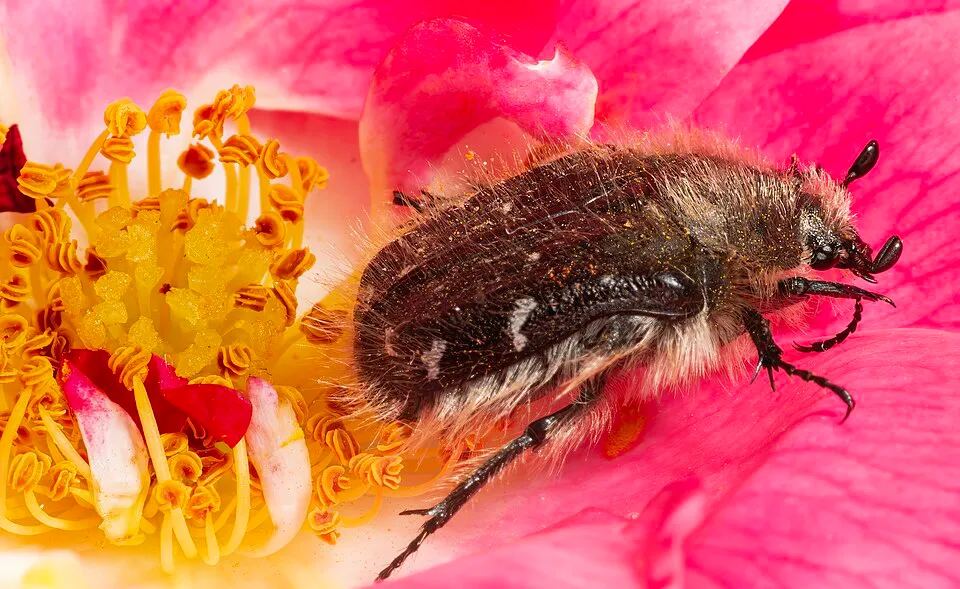
The China Rose, scientifically known as Rosa chinensis, is a captivating deciduous shrub belonging to the esteemed Rosaceae family, renowned for its ornamental beauty and enduring medicinal heritage. This species typically attains a height of 1 to 2 meters, though well-established specimens can reach up to 2.4 meters (8 feet) with an equivalent spread, forming a rounded, woody habit. Its foliage consists of dark green, glossy, ovate leaves, typically measuring between 5 to 10 cm in length, arranged alternately along the stems.
Each compound leaf usually comprises 3 to 5 (sometimes 7) leaflets, exhibiting finely serrated margins and a pointed apex. Young leaves often display a reddish-purple hue before maturing to a deep green on the upper surface and a lighter green beneath.
One of the most striking features of Rosa chinensis is its exquisite flowers, which are often borne in clusters of four or five, creating a significant visual impact. These blooms, ranging from a delicate pale yellow and cream to vibrant deep pink, red, and even purple, can span up to 8 cm in diameter. While primarily single-petaled with five distinct petals, semi-double and double forms are also common due to extensive cultivation and hybridization.
The flowers possess a subtle, delicate fragrance and bloom profusely from spring through fall, and in some subtropical climates, they can flower almost continuously, earning it the moniker 'ever-blooming rose'. The stems are typically armed with downward-curving prickles rather than true thorns, contributing to the plant's resilience. Early stem growth often presents an attractive reddish-purple coloration, transitioning to green and then brown with age.
Native to the south and central regions of China, Rosa chinensis has been cultivated for centuries and was introduced to the Western world before 1894, significantly influencing the development of modern garden roses through its unique genetic contribution of recurrent blooming. It thrives in warmer climates, particularly subtropical and temperate zones (USDA Hardiness Zones 6a-9b), requiring full sun to partial shade and moist, well-drained soil.
Trusted Scientific References
1. Authoritative external sources for Rosa chinensis
1.1 Wikipedia — Rosa chinensis
1.2 Kew POWO (Plants of the World Online)
1.3 PubMed — peer-reviewed research
1.4 NCBI Taxonomy Browser
1.5 GBIF — Global Biodiversity
1.1.China Rose — Standout Qualities
- ✓Ever — blooming nature — Flowers profusely from spring to fall, often continuously in warm climates.
- ✓Vibrant flower colors — Blooms range from pale yellow to deep pink, red, and purple.
- ✓Glossy foliage — Dark green, ovate leaves with finely serrated margins.
- ✓Deciduous shrub — Woody habit, typically growing 1-2.4 meters tall and wide.
- ✓Edible hips — Produces small, red, ovoid hips rich in Vitamin C.
- ✓Historical significance — A foundational species in the development of modern garden roses.
- ✓Attracts pollinators — Flowers are a food source for honey bees and butterflies.
- ✓Prickly stems — Stems armed with downward-curving prickles.
- ✓Adaptable growth — Thrives in USDA Hardiness Zones 6a-9b.
- ✓Subtle fragrance — Flowers possess a delicate, pleasant scent.
1.2.China Rose — Quick Summary
- ✓China Rose is a historically significant ornamental and medicinal shrub.
- ✓Native to South-Central China, it influenced modern rose breeding.
- ✓Rich in antioxidants and anti-inflammatory compounds, beneficial for skin and immunity.
- ✓Traditional uses include digestive aid, menstrual regulation, and mood enhancement.
- ✓Requires full sun, well-drained soil, and moderate maintenance for optimal growth.
- ✓Exercise caution for allergies and consult experts for therapeutic internal use.
2.China Rose — Systematic Position
3.China Rose — Quick Facts
4.China Rose — Structural Profile
5.China Rose — Geographic Distribution
6.China Rose — Historical Applications
7.China Rose — Secondary Metabolites
- ✓Flavonoids — Key compounds like quercetin, kaempferol, and their glycosides contribute significantly to Rosa chinensis's antioxidant and anti-inflammatory actions.
- ✓Phenolic Acids — Gallic acid, ellagic acid, and caffeic acid are abundant, providing potent antioxidant and astringent properties, particularly in the hips and petals.
- ✓Anthocyanins — Responsible for the vibrant red and pink hues of the petals, these compounds are powerful antioxidants with potential cardiovascular protective effects.
- ✓Volatile Oils — Trace amounts of essential oil components such as geraniol, citronellol, and nerol contribute to the flower's subtle fragrance and possess mild antimicrobial qualities.
- ✓Tannins — Present in various parts of the plant, tannins provide astringent properties, useful in traditional remedies for skin conditions and digestive issues.
- ✓Ascorbic Acid (Vitamin C) — Especially concentrated in the rose hips, Vitamin C is a critical antioxidant and immune booster.
- ✓Carotenoids — Beta-carotene and lycopene, found in hips and petals, act as antioxidants and precursors to Vitamin A.
- ✓Triterpenoids — Compounds like ursolic acid and oleanolic acid are present, known for their anti-inflammatory and hepatoprotective activities.
- ✓Fatty Acids — The seeds within the hips contain beneficial fatty acids, including linoleic and linolenic acids, which are important for skin health.
8.China Rose — Research Insights
- ✓Anti-inflammatory Properties — Rosa chinensis contains flavonoids and phenolic compounds that help reduce inflammation, offering relief from various inflammatory conditions.
- ✓Antioxidant Activity — Rich in polyphenols and Vitamin C, China Rose petals and hips scavenge free radicals, protecting cells from oxidative damage and supporting overall health.
- ✓Skin Health Support — Traditionally used in skincare, its extracts possess astringent and soothing qualities that can help reduce redness, tone the skin, and promote minor wound healing.
- ✓Mood Enhancement — The delicate fragrance of China Rose is known to have calming and uplifting effects, contributing to stress reduction and a sense of well-being, often used in aromatherapy.
- ✓Digestive Aid — Rose preparations are traditionally used to soothe digestive discomfort, helping to alleviate mild indigestion and promote healthy gut function.
- ✓Menstrual Regulation — In traditional medicine systems, Rosa chinensis is sometimes employed to help regulate menstrual cycles and alleviate associated discomforts.
- ✓Antimicrobial Effects — Certain constituents exhibit mild antimicrobial activity, potentially assisting the body in combating minor infections.
- ✓Cardiovascular Health — Antioxidants present in China Rose may contribute to cardiovascular well-being by protecting blood vessels from oxidative stress.
- ✓Vitamin C Source — The hips of Rosa chinensis are a good source of Vitamin C, which is essential for immune function and collagen synthesis, supporting overall immunity and skin integrity.
- ✓Analgesic Potential — Some traditional uses suggest mild pain-relieving properties, particularly for localized discomfort or headaches, possibly due to its anti-inflammatory effects.
8.1.China Rose — Indications & Uses
9.China Rose — Adverse Effects
9.1.China Rose — Caution Notes
- ✓Allergic Reactions — Individuals sensitive to roses or other Rosaceae family plants may experience skin rashes, itching, or respiratory symptoms.
- ✓Gastrointestinal Upset — High doses of rose hips, particularly when consumed raw, may cause mild gastrointestinal discomfort, including diarrhea or stomach cramps, due to their laxative properties.
- ✓Photosensitivity — While rare, some individuals might experience increased skin sensitivity to sunlight after extensive topical use of rose extracts.
- ✓Drug Interactions — High intake of rose hips (due to Vitamin C content) could theoretically interact with blood thinners (e.g., warfarin) or antidiabetic medications, though this is generally not a concern with typical medicinal use.
- ✓Laxative Effect — The sorbitol content in rose hips can have a mild laxative effect, especially in larger quantities.
- ✓Prickle Injury — Handling the plant without care can result in minor skin punctures from its sharp prickles.
9.2.China Rose — Clinical Safety Notes
- ✓Pregnancy and Lactation — Consult a healthcare professional before using Rosa chinensis during pregnancy or breastfeeding due to limited safety data for concentrated forms.
- ✓Children — Use with caution and in mild, diluted forms for children; always consult a pediatrician or qualified herbalist.
- ✓Allergies — Individuals with known allergies to roses or other plants in the Rosaceae family should avoid using Rosa chinensis products.
- ✓Pre-existing Conditions — Those with diabetes, bleeding disorders, or other chronic conditions should consult a doctor before therapeutic use, especially for internal preparations.
- ✓Topical Application — Always perform a patch test on a small skin area before widespread topical use to check for allergic reactions or irritation.
- ✓Internal Use — Adhere to recommended dosages for internal preparations; excessive consumption of rose hips can lead to gastrointestinal upset.
- ✓Quality Sourcing — Ensure all Rosa chinensis products are sourced from reputable suppliers to guarantee purity and prevent contamination.
10.China Rose — Application Forms
- ✓Herbal Tea/Infusion — Dried petals or hips of China Rose can be steeped in hot water to create a soothing and antioxidant-rich herbal tea, often consumed for digestive comfort or immune support.
- ✓Tincture — A concentrated liquid extract made by macerating petals or hips in alcohol, used internally in small doses for systemic benefits.
- ✓Topical Poultice — Crushed fresh petals can be applied directly to the skin as a poultice to soothe minor irritations, reduce redness, or aid in wound healing.
- ✓Rose Water/Hydrosol — A gentle distillate of the petals, used as a facial toner, skin refresher, or mild antiseptic wash, known for its soothing and astringent properties.
- ✓Culinary Ingredient — Fresh petals can be used in salads, desserts, jams, or as a garnish, while dried hips are incorporated into syrups, jellies, and sauces, providing a tart flavor and Vitamin C.
- ✓Infused Oil/Salve — Petals can be infused into a carrier oil, which is then used as a massage oil or incorporated into salves and balms for skin nourishment and soothing.
- ✓Herbal Compress — A cloth soaked in a strong infusion of China Rose can be applied warm to areas of inflammation or discomfort for localized relief.
- ✓Bath Additive — Dried petals or rose water can be added to bathwater for a fragrant, relaxing, and skin-softening experience.
11.China Rose — Propagation & Care
- ✓Light Requirements — Plant China Rose in full sun (at least 6 hours of direct sunlight daily) for optimal flowering, though it tolerates partial shade.
- ✓Soil Preference — Prefers moist, well-drained loam with a neutral pH (6.0-8.0); ensure good drainage to prevent root issues.
- ✓Watering — Water moderately and consistently at the base of the plant to keep the soil evenly moist, avoiding overhead irrigation to reduce foliar diseases.
- ✓Air Circulation — Allow ample space (at least one foot) around mature plants to promote good air circulation, which helps deter fungal diseases like black spot and powdery mildew.
- ✓Mulching — Apply a generous layer of organic mulch around the base to conserve soil moisture, regulate temperature, and suppress weeds.
- ✓Pruning — Prune China Rose in early spring to remove dead or weak wood, maintain shape, and encourage vigorous new growth and abundant blooms.
- ✓Deadheading — Regularly remove spent flowers (deadhead) to encourage continuous flushes of bloom throughout the growing season.
- ✓Propagation — Easily propagated by grafting or stem cuttings, which are common methods for maintaining specific cultivars.
Reviewed by the Flora Medical Global Botanical Review Panel
Multi-disciplinary editorial group · Botany · Ethnobotany · Herbal-medicine literature
Who reviewed this: This page was checked by the Flora Medical Global Botanical Review Panel — an in-house editorial group of botany graduates, ethnobotany researchers, and horticulture practitioners who collectively maintain our 7,000+ plant encyclopedia. Meet the team.
Our 4-step verification process
1. Taxonomic verification
Scientific names and synonyms cross-checked against Kew POWO, World Flora Online, and The Plant List.
2. Phytochemical & medicinal cross-reference
Active compounds, traditional uses, and reported activities are cross-referenced with PubMed, USDA Dr. Duke's database, and peer-reviewed ethnobotanical literature.
3. Conservation & distribution check
Distribution, ecology, and conservation status confirmed against GBIF occurrence records and the IUCN Red List.
4. Editorial & safety review
Every entry passes an editorial pass for clarity, originality, and safety notices (toxicity, contraindications, dosage caveats) before publication.
Last reviewed:
Important medical disclaimer: This content is for educational and research purposes only. It is not medical advice and is not a substitute for consultation with a licensed healthcare provider. Do not use any herb to self-treat a medical condition without professional guidance.
Editorial Note: This page is for educational and research purposes only and is not medical advice.
Written by: Flora Medical Global Editorial Team
Reviewed by: Flora Medical Global Botanical Review Panel
Last Updated: June 15, 2026





China Rose — Comments & Community Reviews
Rate this plant