
Medical Disclaimer: This content is for educational purposes only. It is not medical advice. Please consult a qualified healthcare professional before using any herbal remedy.
Safety Overview
1.Chirata — Essential Profile
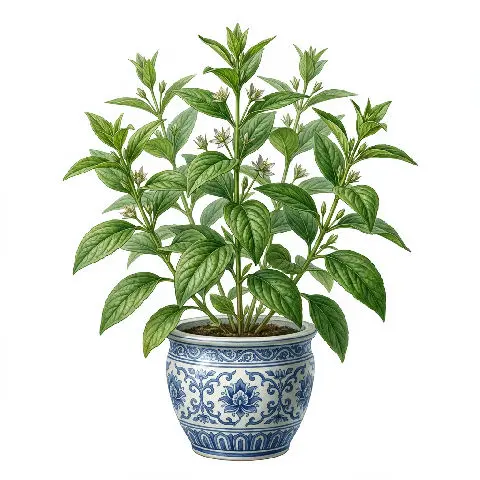
Chirata, scientifically designated as Swertia chirayita, is an esteemed herbaceous perennial or biennial plant belonging to the Gentianaceae family, a lineage globally recognized for its potent bitter constituents. This erect herb typically attains a stature of 30 to 100 centimeters, though some robust specimens can extend up to 1.5 meters. Its robust stems are characteristically square and subtly ribbed, often presenting a striking reddish or purplish coloration that intensifies towards the base.
The leaves of Swertia chirayita are arranged in opposite pairs, exhibiting a lanceolate to elliptic shape, measuring approximately 2 to 15 centimeters in length. They are sessile, or lacking stalks, and notable for their distinctively serrated margins and a slightly paler green hue compared to the stems, often displaying five to seven prominent nerves. The root system is simple, yellowish, and somewhat oblique or geniculate, tapering into a short, fibrous structure.
The floral display of Chirata is a captivating feature, with flowers arranged in dense, branched clusters (panicles) at the apex of the stems. These star-shaped corollas typically consist of four to six lobes and exhibit a color spectrum from pale yellow to a deep, rich purple.
Each flower measures around 2 to 3 centimeters in diameter and is a magnet for various pollinators, blooming predominantly from July to September. The fruit is a small, ovoid capsule containing numerous minute seeds, which are crucial for its propagation despite inherent challenges in seed viability and germination.
Chirata is primarily indigenous to the temperate zones of the Himalayas, where it thrives at altitudes ranging from 1,200 to 3,000 meters. Its natural range extends across Bhutan, India (particularly Kashmir to Himachal Pradesh and Uttarakhand), and Nepal.
The plant shows a preference for well-drained, moist, humus-rich soils found in the cool, shady understory of forests, often flourishing alongside mountain streams and in open, moist meadows. Due to over-exploitation and habitat destruction, Swertia chirayita is now critically endangered.
Trusted Scientific References
1. Authoritative external sources for Swertia chirayita
1.1 Wikipedia — Swertia chirayita
1.2 Kew POWO (Plants of the World Online)
1.3 PubMed — peer-reviewed research
1.4 NCBI Taxonomy Browser
1.5 GBIF — Global Biodiversity
1.1.Chirata — Highlights
- ✓Botanical Family — Gentianaceae, known for bitter plants.
- ✓Primary Habitat — Temperate regions of the Himalayas, thriving at high altitudes.
- ✓Distinctive Taste — Extremely bitter, attributed to secoiridoid glycosides.
- ✓Main Active Compounds — Amarogentin, Swertiamarin, Swerchirin.
- ✓Traditional Medicine Pillar — Widely used in Ayurveda, Unani, and Siddha.
- ✓Critically Endangered Species — Significant conservation concern due to over-exploitation.
- ✓Whole Plant Utilization — Both aerial parts and roots are used medicinally.
- ✓Antipyretic Properties — Historically valued for reducing fevers.
- ✓Liver Support — Renowned for its hepatoprotective and detoxifying actions.
- ✓Digestive Aid — Stimulates appetite, digestion, and bile flow.
1.2.Chirata — Quick Summary
- ✓Himalayan Bitter — Revered traditional herb, Swertia chirayita, known for its intense bitterness and diverse medicinal uses.
- ✓Multifaceted Benefits — Supports liver health, aids digestion, helps regulate blood sugar, and possesses antipyretic and anti-inflammatory properties.
- ✓Key Compounds — Rich in potent secoiridoid glycosides like amarogentin and xanthones such as swerchirin.
- ✓Endangered Status — Over-harvesting has led to its critically endangered status, necessitating sustainable cultivation and conservation efforts.
- ✓Traditional Medicine Pillar — A cornerstone herb in Ayurveda, Unani, and Siddha medicine for centuries.
- ✓Cautious Use — Important due to potential drug interactions, intense bitterness, and specific contraindications.
2.Chirata — Scientific Identity
3.Chirata — Key Data
4.Chirata — Botanical Features
5.Chirata — Native Range & Habitat
6.Chirata — Heritage Uses
7.Chirata — Chemical Profile
- ✓Secoiridoid Glycosides — These are the primary bitter principles, including Amarogentin (one of the bitterest compounds known), Swertiamarin, Chiratin, Amaroswerin, and Gentiopicroside, responsible for antipyretic, hepatoprotective, and antidiabetic actions.
- ✓Xanthones — Key compounds like Swerchirin, Mangiferin, and Decussatin contribute to Chirata's anti-inflammatory, antioxidant, and antimalarial activities.
- ✓Triterpenoids — Compounds such as Oleanolic acid are present, which are known for their anti-inflammatory properties and potential hepatoprotective effects.
- ✓Flavonoids — Apigenin, Luteolin, and Quercetin are examples of flavonoids found in Swertia chirayita, offering significant antioxidant and anti-inflammatory benefits.
- ✓Alkaloids — While present in smaller quantities, Gentianine contributes to some of the plant's pharmacological actions.
- ✓Phenolic Acids — Caffeic acid and Ferulic acid are among the phenolic acids present, providing additional antioxidant capacity.
- ✓Saponins — These compounds contribute to the plant's overall therapeutic profile, potentially aiding in anti-inflammatory and cholesterol-modulating effects.
- ✓Glycosides — Beyond secoiridoids, other glycosidic structures may be present, influencing various biological activities.
8.Chirata — Scientific Evidence
- ✓Antipyretic Action — Chirata is traditionally revered for its fever-reducing properties, working by potentially stimulating the body's natural cooling mechanisms and reducing inflammatory responses.
- ✓Hepatoprotective Effects — The herb offers significant protective benefits for the liver, aiding in detoxification processes and supporting the regeneration of liver cells, making it valuable for various liver disorders.
- ✓Antidiabetic Potential — Research suggests Swertia chirayita can help lower blood glucose levels and improve insulin sensitivity, contributing to better management of diabetes.
- ✓Anti-inflammatory Properties — Its active compounds, particularly xanthones and secoiridoids, contribute to reducing systemic inflammation and alleviating associated pain.
- ✓Digestive Stimulant — The intense bitterness of Chirata stimulates the secretion of digestive enzymes and bile, enhancing appetite, improving digestion, and relieving issues like indigestion and flatulence.
- ✓Antimalarial Activity — Historically used in traditional medicine for malaria, studies indicate that compounds like swerchirin possess inhibitory effects against malaria parasites.
- ✓Anthelmintic Benefits — Chirata is effective in expelling intestinal worms and other parasites, offering a natural approach to deworming.
- ✓Antioxidant Power — Rich in flavonoids and xanthones, Swertia chirayita combats oxidative stress by neutralizing free radicals, protecting cells from damage.
- ✓Immunomodulatory Support — It helps modulate the immune system, enhancing the body's natural defense mechanisms against infections and illnesses.
- ✓Dermatological Aid — Applied topically or taken internally, Chirata is used to cleanse the blood and treat various skin conditions, including acne, rashes, and boils.
- ✓Gastroprotective Effects — Preliminary studies suggest it can help protect the gastric mucosa from damage, potentially aiding in the management of gastric ulcers.
8.1.Chirata — Conditions Traditionally Used For
9.Chirata — Safety Considerations
9.1.Chirata — Possible Adverse Reactions
- ✓Nausea and Vomiting — The intense bitterness of Chirata can induce nausea or vomiting, especially when taken on an empty stomach or in high doses.
- ✓Gastric Irritation — Sensitive individuals may experience stomach upset, heartburn, or gastric irritation.
- ✓Hypoglycemia — As Chirata can lower blood sugar, it may cause hypoglycemia, particularly in diabetics taking insulin or other blood-glucose-lowering medications.
- ✓Hypotension — There is a potential for Chirata to lower blood pressure, which could be problematic for individuals already on antihypertensive drugs.
- ✓Allergic Reactions — Although rare, some individuals may experience allergic reactions such as skin rashes, itching, or hives.
- ✓Drug Interactions — May interact with blood-thinning medications, antidiabetic drugs, and blood pressure medications, increasing their effects.
- ✓Dizziness — In some cases, consuming Chirata may lead to dizziness, particularly if blood sugar or blood pressure drops too significantly.
9.2.Chirata — Toxicity Assessment
- ✓General Safety — Chirata is generally considered safe for short-term use by healthy adults when taken within recommended dosages.
- ✓Contraindications — It is contraindicated in pregnancy and lactation due to lack of safety data and potential abortifacient effects, and in individuals with severe gastric ulcers or bleeding disorders.
- ✓Medical Conditions — Individuals with diabetes, hypoglycemia, hypotension, or those on blood-thinning medications should use Chirata with extreme caution and under medical supervision.
- ✓Children — Use in young children is generally not recommended without explicit guidance from a qualified healthcare practitioner.
- ✓Dosage Adherence — Strict adherence to recommended dosages is crucial to minimize the risk of adverse effects, particularly due to its potent bitterness.
- ✓Quality Assurance — Always source Swertia chirayita from reputable suppliers to ensure authenticity and avoid adulteration with less potent or harmful species.
- ✓Consultation — Prior consultation with a healthcare professional or medical herbalist is advised before starting any Chirata regimen, especially for those with pre-existing conditions or on medication.
10.Chirata — Usage Guide
- ✓Decoction — A common preparation involves boiling dried Chirata leaves, stems, or whole plant in water for a period to extract its potent bitter compounds, often consumed before meals.
- ✓Infusion — For a milder preparation, dried Chirata can be steeped in hot water, similar to making tea, and consumed as a bitter tonic.
- ✓Powder — The dried herb is ground into a fine powder, which can be taken directly, encapsulated, or mixed with honey to mask its intense bitterness.
- ✓Tincture — An alcoholic extract of Chirata provides a concentrated form, allowing for precise dosing and extended shelf life.
- ✓Ayurvedic Formulations — Chirata is a key ingredient in numerous polyherbal Ayurvedic preparations, where its bitter properties are balanced with other herbs.
- ✓Topical Paste — For skin conditions, a paste made from powdered Chirata and water can be applied directly to the affected area.
- ✓Dosage — Dosage varies significantly based on the preparation, individual constitution, and specific ailment; consulting a qualified medical herbalist or Ayurvedic practitioner is essential.
11.Chirata — Cultivation & Care
- ✓Climate — Chirata thrives in cool, temperate climates, mimicking its natural high-altitude Himalayan habitat, requiring mild summers and cold winters.
- ✓Soil — Prefers well-drained, moist, humus-rich, and slightly acidic to neutral soils with good organic content.
- ✓Propagation — Primarily propagated by seeds, though germination rates can be low and erratic; tissue culture (micropropagation) is increasingly used for conservation and commercial production.
- ✓Sowing — Seeds are typically sown in spring or early summer, lightly covered with soil, and kept consistently moist.
- ✓Light — Requires partial shade, especially during the hottest parts of the day, to prevent scorching and ensure optimal growth.
- ✓Watering — Consistent moisture is crucial, particularly during dry spells, but waterlogging should be strictly avoided to prevent root rot.
- ✓Harvesting — The whole plant, including roots, is typically harvested after flowering, usually in its second year of growth when active compounds are at their peak.
- ✓Conservation — Due to its endangered status, sustainable harvesting practices and controlled cultivation are imperative to protect wild populations of Swertia chirayita.
Reviewed by the Flora Medical Global Botanical Review Panel
Multi-disciplinary editorial group · Botany · Ethnobotany · Herbal-medicine literature
Who reviewed this: This page was checked by the Flora Medical Global Botanical Review Panel — an in-house editorial group of botany graduates, ethnobotany researchers, and horticulture practitioners who collectively maintain our 7,000+ plant encyclopedia. Meet the team.
Our 4-step verification process
1. Taxonomic verification
Scientific names and synonyms cross-checked against Kew POWO, World Flora Online, and The Plant List.
2. Phytochemical & medicinal cross-reference
Active compounds, traditional uses, and reported activities are cross-referenced with PubMed, USDA Dr. Duke's database, and peer-reviewed ethnobotanical literature.
3. Conservation & distribution check
Distribution, ecology, and conservation status confirmed against GBIF occurrence records and the IUCN Red List.
4. Editorial & safety review
Every entry passes an editorial pass for clarity, originality, and safety notices (toxicity, contraindications, dosage caveats) before publication.
Last reviewed:
Important medical disclaimer: This content is for educational and research purposes only. It is not medical advice and is not a substitute for consultation with a licensed healthcare provider. Do not use any herb to self-treat a medical condition without professional guidance.
Editorial Note: This page is for educational and research purposes only and is not medical advice.
Written by: Flora Medical Global Editorial Team
Reviewed by: Flora Medical Global Botanical Review Panel
Last Updated: June 15, 2026





Chirata — Comments & Community Reviews
Rate this plant