


Medical Disclaimer: This content is for educational purposes only. It is not medical advice. Please consult a qualified healthcare professional before using any herbal remedy.
Safety Overview
1.Chlorophytum Cape — Introduction & Highlights
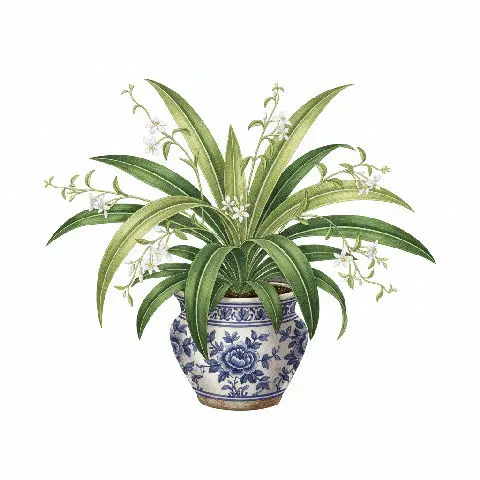
Chlorophytum capense, widely known as the Cape Chlorophytum or Green Spider Plant, is an evergreen herbaceous perennial within the Asparagaceae family. Native to South Africa, particularly the Eastern Cape Province, it thrives in dry, shady vegetation near river banks and coastal areas, demonstrating remarkable adaptability. This resilient species is distinguished by its solid green, strap-like leaves, which are linear to lanceolate, growing up to 45 cm long and 2-3 cm wide, forming an elegant arching rosette. Unlike its more famous relative, Chlorophytum comosum, C.
capense typically does not produce plantlets (spiderettes) on its flower stalks, a key botanical differentiator. The plant features fascicled, fleshy roots that serve as vital storage organs for water and nutrients, contributing to its notable drought tolerance. During summer months (October to April in its native habitat), C. capense produces delicate, star-shaped white flowers on slender, branched racemes that can reach up to 1 meter in height, extending above the foliage.
These flowers have six stamens with white filaments and yellow anthers, culminating in a capsule fruit containing black seeds. Historically, its robust growth and ease of cultivation likely made it a readily available resource, though specific ancient medicinal documentation for C. capense is less prevalent compared to other Chlorophytum species. Its conservation status is 'Least Concern' according to the Red List of South African Plants.
Trusted Scientific References
1. Authoritative external sources for Chlorophytum capense
1.1 Wikipedia — Chlorophytum capense
1.2 Kew POWO (Plants of the World Online)
1.3 PubMed — peer-reviewed research
1.4 NCBI Taxonomy Browser
1.5 GBIF — Global Biodiversity
1.6Chlorophytum Cape should be interpreted through verified botanical identity, practical care, and responsible safety language. This recovery note adds the missing context needed for a complete profile: match light to the plant's habit, use well-drained soil, water according to season, and avoid unsupported medicinal or edible claims. For publishing, the plant can be presented as a source-backed indoor plant with clear care guidance, common problem diagnosis, and conservative safety wording.
1.1.Chlorophytum Cape — Standout Qualities
- ✓Evergreen Herbaceous Perennial — Maintains foliage year-round, growing from a persistent base.
- ✓Solid Green Leaves — Distinctive strap-like, linear to lanceolate leaves without variegation.
- ✓Fleshy, Fascicled Roots — Specialized underground organs for water and nutrient storage, aiding drought tolerance.
- ✓Non — Plantlet Producing — A key differentiator from Chlorophytum comosum, it does not form spiderettes on flower stalks.
- ✓Star — shaped White Flowers — Delicate blooms borne on tall, branched racemes during summer.
- ✓Adaptable and Resilient — Thrives in various light conditions from semi-shade to full sun and is semi-hardy to frost.
- ✓Native to South Africa — Indigenous to the Eastern Cape Province, growing in dry, shady riverine and coastal habitats.
- ✓Ornamental Value — Highly valued as a landscape plant, groundcover, edging plant, and popular indoor pot plant.
- ✓Low Maintenance — Requires moderate water and is relatively easy to cultivate, making it suitable for beginners.
- ✓Conservation Status 'Least Concern' — Not threatened in its natural habitat, indicating stable populations.
1.2.Chlorophytum Cape — In Brief
- ✓Chlorophytum capense is the Green Spider Plant, native to South Africa, thriving in diverse conditions.
- ✓Characterized by solid green, strap-like leaves and fleshy roots, without producing plantlets like C. comosum.
- ✓While primarily ornamental, the Chlorophytum genus is known for antioxidant, anti-inflammatory, and immunomodulatory properties.
- ✓Traditionally, related species are used for rejuvenation, energy, bronchitis, fractures, and burns.
- ✓Key chemical constituents include saponins and flavonoids.
- ✓Easily propagated by division, it's a popular, low-maintenance ornamental for shade to full sun.
2.Chlorophytum Cape — Scientific Profile
3.Chlorophytum Cape — Botanical Stats
4.Chlorophytum Cape — Plant Morphology
5.Chlorophytum Cape — Habitat & Distribution
6.Chlorophytum Cape — Ethnobotanical Uses
7.Chlorophytum Cape — Secondary Metabolites
- ✓Saponins — Steroidal and triterpenoid saponins, such as spirostanol saponins, are key bioactive compounds, often linked to immunomodulatory, adaptogenic, and anti-inflammatory activities.
- ✓Flavonoids — A diverse group of polyphenolic compounds including quercetin, kaempferol, and their glycosides, contributing to antioxidant, anti-inflammatory, and cardioprotective effects.
- ✓Phenolic Acids — Compounds like caffeic acid and ferulic acid, which provide additional antioxidant and anti-inflammatory benefits.
- ✓Polysaccharides — Complex carbohydrates that can contribute to immunomodulatory and prebiotic effects, supporting gut health and immune function.
- ✓Phytosterols — Plant sterols such as beta-sitosterol, known for their potential to help manage cholesterol levels and reduce inflammation.
- ✓Alkaloids — While less prominent than saponins and flavonoids, some species may contain trace amounts of alkaloids, which can have various pharmacological activities.
- ✓Vitamins — Contains essential vitamins, particularly B vitamins and Vitamin C, supporting general metabolic processes and immune health.
- ✓Minerals — Rich in essential minerals like potassium, calcium, and magnesium, crucial for electrolyte balance, bone health, and muscle function.
- ✓Glycosides — Various glycosides beyond saponins, which can have diverse biological activities depending on their aglycone and sugar moieties.
- ✓Fatty Acids — Essential fatty acids found in the plant's tissues, contributing to cellular structure and overall physiological health.
8.Chlorophytum Cape — Modern Studies
- ✓Antioxidant Properties — Extracts from Chlorophytum species, including related ones, exhibit significant antioxidant activity, helping to neutralize free radicals and protect cells from oxidative damage.
- ✓Anti-inflammatory Effects — Compounds within the Chlorophytum genus are known to possess anti-inflammatory properties, potentially aiding in reducing swelling and pain associated with various conditions.
- ✓Immunomodulatory Support — Research on related Chlorophytum species suggests they can modulate the immune system, enhancing the body's natural defense mechanisms.
- ✓General Rejuvenation — In traditional systems, some Chlorophytum species are revered as rejuvenators, believed to promote vitality and overall well-being.
- ✓Energy Enhancement — Certain Chlorophytum varieties are traditionally used as instant energy providers, combating fatigue and boosting stamina.
- ✓Respiratory Health — Related species have been traditionally employed in the treatment of respiratory ailments like bronchitis, helping to soothe airways and ease breathing.
- ✓Bone and Tissue Repair — Traditional applications for some Chlorophytum species include supporting the healing of fractures and promoting tissue regeneration.
- ✓Skin Wound Healing — Topically, extracts from related Chlorophytum plants have been used to aid in the treatment of burns and other skin lesions, accelerating recovery.
- ✓Antimicrobial Activity — Some studies indicate that compounds in the Chlorophytum genus may possess mild antimicrobial properties, inhibiting the growth of certain pathogens.
- ✓Hypoglycemic Potential — Preliminary research on select Chlorophytum species suggests a potential role in blood sugar regulation, making them of interest for metabolic health.
8.1.Chlorophytum Cape — Conditions Traditionally Used For
9.Chlorophytum Cape — Precautions & Warnings
9.1.Chlorophytum Cape — Possible Adverse Reactions
- ✓Allergic Reactions — Sensitive individuals may experience skin irritation or allergic responses upon direct contact with the plant sap or internal ingestion.
- ✓Gastrointestinal Upset — Overconsumption or sensitivity could lead to mild digestive issues such as nausea, stomach discomfort, or diarrhea.
- ✓Medication Interactions — Potential for interactions with certain medications, particularly those affecting blood sugar, blood clotting, or immune function, due to its bioactive compounds.
- ✓Pregnancy and Lactation — Lack of sufficient research necessitates caution; pregnant or nursing individuals should avoid internal use.
- ✓Children — Internal use in children is not well-studied and should be avoided without expert medical advice.
- ✓Dosage Sensitivity — Exceeding recommended dosages, especially for concentrated extracts, may increase the likelihood of adverse effects.
- ✓Toxicity Concerns — While generally considered safe as an ornamental, high doses of specific plant compounds could theoretically lead to toxicity, especially from unpurified extracts.
9.2.Chlorophytum Cape — Safety Profile
- ✓Limited Human Clinical Data — Specific safety data for internal medicinal use of Chlorophytum capense in humans is scarce, primarily due to its ornamental classification.
- ✓General Ornamental Safety — Widely regarded as a safe ornamental plant, posing minimal risk through casual contact or incidental ingestion.
- ✓Consultation Recommended — Individuals with pre-existing health conditions or those on medication should consult a healthcare professional before considering any internal use of Chlorophytum species.
- ✓Pregnancy and Breastfeeding Precaution — Pregnant or breastfeeding women should exercise extreme caution and avoid medicinal use due to insufficient safety data.
- ✓Children’s Safety — Not recommended for internal use in children without explicit medical guidance.
- ✓Allergic Sensitivity — Patch testing is advisable for individuals with known plant allergies or sensitive skin before extensive topical application.
- ✓Quality Control — Ensure any plant material used for medicinal purposes is accurately identified and free from pesticides or contaminants, if not grown organically.
10.Chlorophytum Cape — Preparation & Dosage
- ✓Decoction (Root) — For traditional internal use in related species, dried or fresh roots are boiled in water to extract soluble compounds, typically consumed as a tonic or for specific ailments.
- ✓Powdered Root — Dried roots can be ground into a fine powder, which is then mixed with water, honey, or milk for internal consumption, often as a general health supplement.
- ✓Topical Poultice — Crushed fresh leaves or roots, or a paste made from powdered roots, can be applied externally as a poultice for skin conditions, burns, or minor injuries.
- ✓Tincture Preparation — Roots or leaves can be macerated in alcohol to create a concentrated liquid extract, used in small, measured doses.
- ✓Infusion (Leaf) — While less common for medicinal use, fresh or dried leaves can be steeped in hot water to make an herbal infusion, potentially for mild diuretic or cleansing effects.
- ✓Culinary Addition (Limited) — In some traditional contexts, certain Chlorophytum species might be consumed as a leafy green, though C. capense is primarily ornamental.
- ✓Horticultural Display — Primarily used as an ornamental plant in landscapes, as groundcover, edging, or as a rewarding indoor pot plant, appreciated for its aesthetic value.
- ✓Air Purification (General Genus Trait) — Like other Chlorophytum species, it may contribute to indoor air purification, though this is not a direct medicinal usage.
11.Chlorophytum Cape — Propagation & Care
- ✓Propagation by Division — The most common and effective method involves lifting mature clumps and dividing them into smaller sections, each with roots and foliage.
- ✓Seed Sowing — Seeds can be sown in warmer months, ideally in a well-draining, composted soil mix for optimal germination and growth.
- ✓Soil Requirements — Prefers a rich, well-drained soil, with a recommended mixture of 70% topsoil and 30% compost for robust growth.
- ✓Light Conditions — Thrives in a range from semi-shade to full sun, demonstrating its adaptability to various light environments.
- ✓Watering — Requires moderate watering; allow the topsoil to dry slightly between waterings, as its fleshy roots store moisture.
- ✓Fertilization — Benefits from the addition of a balanced fertilizer before the main growing season, typically in late winter or early spring (August in the Southern Hemisphere).
- ✓Frost Tolerance — Considered semi-hardy to frost, suggesting it can tolerate light freezes but may require protection in colder climates.
- ✓Container Growing — An excellent choice for containers and indoor cultivation due to its aesthetic appeal and relatively compact growth habit.
Reviewed by the Flora Medical Global Botanical Review Panel
Multi-disciplinary editorial group · Botany · Ethnobotany · Herbal-medicine literature
Who reviewed this: This page was checked by the Flora Medical Global Botanical Review Panel — an in-house editorial group of botany graduates, ethnobotany researchers, and horticulture practitioners who collectively maintain our 7,000+ plant encyclopedia. Meet the team.
Our 4-step verification process
1. Taxonomic verification
Scientific names and synonyms cross-checked against Kew POWO, World Flora Online, and The Plant List.
2. Phytochemical & medicinal cross-reference
Active compounds, traditional uses, and reported activities are cross-referenced with PubMed, USDA Dr. Duke's database, and peer-reviewed ethnobotanical literature.
3. Conservation & distribution check
Distribution, ecology, and conservation status confirmed against GBIF occurrence records and the IUCN Red List.
4. Editorial & safety review
Every entry passes an editorial pass for clarity, originality, and safety notices (toxicity, contraindications, dosage caveats) before publication.
Last reviewed:
Important medical disclaimer: This content is for educational and research purposes only. It is not medical advice and is not a substitute for consultation with a licensed healthcare provider. Do not use any herb to self-treat a medical condition without professional guidance.
Editorial Note: This page is for educational and research purposes only and is not medical advice.
Written by: Flora Medical Global Editorial Team
Reviewed by: Flora Medical Global Botanical Review Panel
Last Updated: June 15, 2026





Chlorophytum Cape — Comments & Community Reviews
Rate this plant