


Medical Disclaimer: This content is for educational purposes only. It is not medical advice. Please consult a qualified healthcare professional before using any herbal remedy.
Safety Overview
1.Chlorophytum Orange — Introduction & Highlights
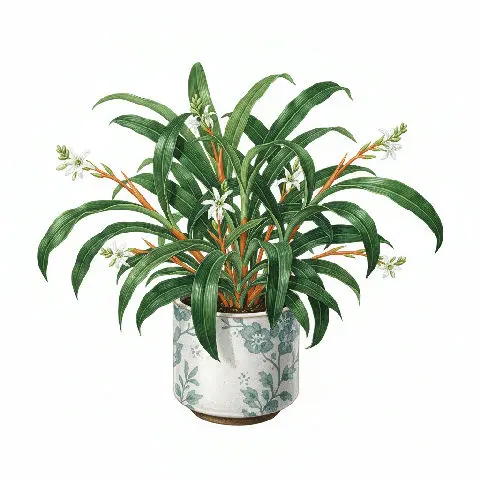
Chlorophytum orchidastrum, widely recognized by its captivating common names such as ‘Orange Spider Plant’, ‘Fire Flash’, ‘Mandarin Plant’, and ‘Sierra Leone Lily’, is a distinguished member of the Asparagaceae family. This evergreen, herbaceous perennial is native to the seasonally dry tropical regions spanning West Tropical Africa to Zambia, encompassing countries like Benin, Cameroon, Ghana, and Zambia. Unlike its more common relative, Chlorophytum comosum, C.
orchidastrum is celebrated for its unique and striking morphological features. The plant forms a beautiful rosette of broad, lance-shaped leaves, typically growing 20-40 cm tall and 40-60 cm wide, giving it an elegant, clumping, and erect habit. Its most distinctive characteristic is the vibrant, iridescent deep orange petioles and midribs that provide a stark and beautiful contrast against the glossy, dark green leaf blades, which can reach up to 30 cm in length with gently undulate margins.
This coloration is particularly pronounced in younger foliage, justifying its fiery common names.
Botanically, Chlorophytum orchidastrum thrives in the dappled light and consistent humidity characteristic of its native understory habitats. It produces small, star-shaped, creamy-white flowers that emerge on an erect shaft from the center of the plant during the summer months, typically from July to August. These inconspicuous blooms are followed by green, triangular seed pods that mature to brown before releasing their seeds.
Propagation primarily occurs through rhizome division, as C. orchidastrum rarely develops the characteristic 'spiderettes' or plantlets on stolons seen in C. comosum.
Its adaptability to indoor environments, coupled with its relatively low maintenance requirements and stunning visual appeal, has solidified its status as a popular ornamental houseplant, contributing aesthetic value to various indoor and patio settings. While closely related to species with significant traditional medicinal uses, such as Chlorophytum borivilianum, C. orchidastrum itself does not have documented historical medicinal applications within traditional healing systems due to its specific geographic origin and limited historical use beyond its native ornamental appeal.
Trusted Scientific References
1. Authoritative external sources for Chlorophytum orchidastrum
1.1 Wikipedia — Chlorophytum orchidastrum
1.2 Kew POWO (Plants of the World Online)
1.3 PubMed — peer-reviewed research
1.4 NCBI Taxonomy Browser
1.5 GBIF — Global Biodiversity
1.1.Chlorophytum Orange — Defining Traits
- ✓Striking Orange Petioles — The most distinctive feature, providing a vibrant contrast to the green foliage.
- ✓Glossy Dark Green Leaves — Broad, lance-shaped leaves with undulate margins, enhancing its ornamental value.
- ✓Clumping, Erect Habit — Forms a compact rosette, growing 20-40 cm tall and 40-60 cm wide.
- ✓Non — Toxic to Pets — Safe for households with dogs and cats, a major advantage for a houseplant.
- ✓Low Maintenance — Easy to care for, suitable for beginners and busy individuals.
- ✓Air Purification Potential — Contributes to cleaner indoor air, though specific research for this species is limited.
- ✓Rhizome Propagation — Reproduces via underground rhizomes, unlike the stolons of common spider plants.
- ✓Partial Shade Tolerant — Thrives in indirect light, making it ideal for many indoor settings.
- ✓Tropical Origin — Native to West Tropical Africa, preferring warm, humid conditions.
- ✓Evergreen Perennial — Provides year-round foliage and aesthetic appeal.
1.2.Chlorophytum Orange — In Brief
- ✓Vibrant 'Fire Flash' foliage with orange petioles and dark green leaves.
- ✓Native to West Tropical Africa, an evergreen herbaceous perennial.
- ✓Primarily an ornamental houseplant, valued for aesthetic appeal and ease of care.
- ✓Believed to offer air purification benefits, similar to other Chlorophytum species.
- ✓Non-toxic to humans and pets, making it a safe choice for indoor environments.
- ✓Propagated by rhizome division, distinct from C. comosum which produces spiderettes.
2.Chlorophytum Orange — Taxonomic Classification
3.Chlorophytum Orange — Reference Facts
4.Chlorophytum Orange — Morphological Account
5.Chlorophytum Orange — Geographic Distribution
6.Chlorophytum Orange — Cultural & Traditional Roles
7.Chlorophytum Orange — Active Compounds
- ✓Chlorophylls — These primary photosynthetic pigments are abundant in the dark green leaf blades of Chlorophytum orchidastrum, essential for converting light energy into chemical energy to sustain plant life and growth.
- ✓Carotenoids — Responsible for the vibrant orange coloration observed in the petioles and midribs, carotenoids also function as accessory pigments in photosynthesis and possess antioxidant properties, protecting plant cells from oxidative stress.
- ✓Flavonoids — While specific types are not extensively studied for C. orchidastrum, flavonoids are ubiquitous plant secondary metabolites generally known for their antioxidant, anti-inflammatory, and protective roles within the plant, and are common across the Asparagaceae family.
- ✓Polysaccharides — Structural carbohydrates like cellulose and hemicellulose form the bulk of the plant's cell walls, providing rigidity and support, and contributing to the overall biomass of the 'Orange Spider Plant'.
- ✓Saponins — Although more prominently studied in related Chlorophytum species like C. borivilianum, the presence of saponins in C. orchidastrum has not been specifically confirmed, but they are a class of glycosides known for their frothing properties and potential biological activities in other plants.
- ✓Tannins — These astringent polyphenolic compounds may be present in Chlorophytum orchidastrum, contributing to plant defense mechanisms against herbivores and pathogens, though detailed analysis is pending for this specific species.
- ✓Plant Sterols — Essential components of plant cell membranes, sterols like sitosterol contribute to membrane fluidity and stability, playing a crucial role in plant growth and stress response.
- ✓Volatile Organic Compounds (VOCs) — The plant may emit various VOCs as part of its natural metabolic processes, some of which are thought to interact with indoor air quality, contributing to the general 'freshness' associated with houseplants.
- ✓Minerals and Vitamins — As with all living plant matter, C. orchidastrum contains essential macro and micronutrients, along with vitamins, necessary for its own metabolic functions and cellular integrity.
8.Chlorophytum Orange — Research Insights
- ✓Air Purification Potential — Like many plants in the Chlorophytum genus, Chlorophytum orchidastrum is believed to contribute to indoor air quality by absorbing common volatile organic compounds (VOCs), although specific research on this species is less extensive than on C. comosum.
- ✓Aesthetic Enhancement — The plant's vibrant orange petioles and dark green foliage provide significant ornamental value, enhancing the visual appeal of indoor spaces and contributing to a more pleasant living or working environment.
- ✓Mood and Well-being Support — Interacting with houseplants like the 'Orange Spider Plant' has been linked to psychological benefits, including reduced stress, improved mood, and enhanced feelings of well-being, fostering a connection with nature indoors.
- ✓Non-Toxic for Pets — Chlorophytum orchidastrum is generally considered non-toxic to common household pets such as dogs and cats, making it a safe choice for pet owners looking to add greenery to their homes.
- ✓Low Maintenance Cultivation — This species is known for its relatively easy care requirements, making it an accessible plant for both novice and experienced plant enthusiasts, thereby reducing potential stress associated with plant upkeep.
- ✓Humidity Regulation — As a plant native to tropical understories, C. orchidastrum can contribute to localized humidity levels through transpiration, which may be beneficial in dry indoor environments for human comfort and other plants.
- ✓Supports Indoor Biophilia — Its presence helps fulfill the human innate tendency to connect with nature, promoting a sense of calm and natural beauty within urban or indoor settings.
- ✓Educational Value — Cultivating Chlorophytum orchidastrum offers an opportunity to learn about unique botanical characteristics, plant care, and the diversity of the Asparagaceae family, fostering botanical interest.
- ✓Adaptability to Shade — Its natural preference for partial shade makes it an excellent choice for indoor locations where direct sunlight is limited, providing greenery in less illuminated areas.
- ✓Decorative Versatility — The compact size and striking coloration of the 'Fire Flash' plant make it suitable for a variety of decorative uses, including tabletops, shelves, and mixed container arrangements, adding a pop of color.
8.1.Chlorophytum Orange — Therapeutic Indications
9.Chlorophytum Orange — Risk Profile
9.1.Chlorophytum Orange — Reported Side Effects
- ✓No Known Toxicity — Chlorophytum orchidastrum is generally considered non-toxic to humans and pets, making it a safe houseplant.
- ✓Allergic Reactions (Rare) — As with any plant, individuals with extreme sensitivities may rarely experience mild skin irritation upon prolonged contact with sap, though this is uncommon.
- ✓Digestive Upset (Ingestion) — While non-toxic, ingestion of large quantities of plant material by pets or small children might lead to mild, temporary digestive upset such as nausea or vomiting due to mechanical irritation.
- ✓Root Rot from Overwatering — Excessive watering can lead to root rot, which negatively impacts plant health and can cause wilting or leaf discoloration, though this is a plant care issue, not a direct human side effect.
- ✓Leaf Scorch — Direct, intense sunlight can cause brown, crispy leaf tips or scorched patches on the foliage, indicating improper light conditions rather than a biological side effect.
9.2.Chlorophytum Orange — Safety Profile
- ✓Non-Toxic Classification — Chlorophytum orchidastrum is widely recognized as non-toxic for humans and common household pets (dogs, cats), confirmed by major horticultural and veterinary organizations.
- ✓Minimal Allergenic Risk — The plant poses a very low risk of allergic reactions; however, individuals with extreme plant sensitivities should exercise caution during handling.
- ✓Safe for Indoor Environments — Its non-toxic nature makes it an excellent choice for indoor cultivation, including homes with children and pets, without requiring special precautions against ingestion.
- ✓Handling Precautions — Standard gardening practices, such as washing hands after handling plants, are recommended to prevent any minor irritations or transfer of soil.
- ✓Environmental Safety — As a houseplant, it presents no known environmental risks or invasive tendencies when kept within controlled indoor or appropriate outdoor container environments.
- ✓No Documented Drug Interactions — Given its lack of traditional medicinal use and non-toxic profile, there are no documented drug interactions associated with C. orchidastrum.
10.Chlorophytum Orange — How to Use
- ✓Ornamental Display — Primarily used as an indoor ornamental plant, showcasing its distinctive orange petioles and deep green foliage in pots, hanging baskets, or as part of mixed container arrangements.
- ✓Home Decor Accent — Positioned on tabletops, shelves, or windowsills (away from direct sun) to add a vibrant splash of color and natural aesthetic to interior spaces.
- ✓Air Purifying Houseplant — Cultivated to potentially contribute to improved indoor air quality, as it is believed to absorb certain airborne toxins, consistent with other Chlorophytum species.
- ✓Biophilic Design Element — Incorporated into biophilic design strategies to enhance human connection to nature, promoting well-being and a calming atmosphere in residential and commercial settings.
- ✓Educational Specimen — Used in botanical collections or educational settings to demonstrate unique plant morphology, especially its striking coloration and propagation method.
- ✓Patio and Outdoor Containers — In USDA hardiness zones 10b-12b, it can be grown outdoors in shaded containers or as a groundcover, provided it is protected from freezing temperatures.
- ✓Gift Plant — A popular and relatively low-maintenance gift choice for plant enthusiasts due to its unique appearance and ease of care.
- ✓Non-Toxic Greenery — Utilized in homes with pets, offering a safe and attractive plant option that poses no known toxicity risks to cats or dogs.
11.Chlorophytum Orange — Propagation & Care
- ✓Light Requirements — Provide bright, indirect light; direct sunlight can scorch leaves, while insufficient light may diminish the vibrant orange color of petioles.
- ✓Soil and Drainage — Use a well-drained, loamy potting mix, ideally amended with perlite and sand to prevent waterlogging and root rot.
- ✓Watering Schedule — Water when the top 1 inch (2.5 cm) of soil feels dry to the touch; avoid overwatering, as this plant is susceptible to root rot.
- ✓Humidity and Temperature — Maintain moderate temperatures above 60°F (15°C) and a humid environment (50-60% relative humidity), mimicking its tropical native habitat.
- ✓Fertilization — Feed sparingly with a balanced liquid fertilizer during the growing season (spring and summer), typically once a month, reducing frequency in winter.
- ✓Repotting — Repot every 1-2 years in spring, or when the plant becomes root-bound, to refresh the soil and provide adequate space for growth.
- ✓Propagation — Primarily propagated through rhizome division; carefully separate sections of the rhizome with attached leaves and roots during repotting.
- ✓Pest and Disease Management — Generally resilient, but monitor for common houseplant pests like spider mites, mealybugs, and aphids; ensure good air circulation to prevent fungal leaf spots.
Reviewed by the Flora Medical Global Botanical Review Panel
Multi-disciplinary editorial group · Botany · Ethnobotany · Herbal-medicine literature
Who reviewed this: This page was checked by the Flora Medical Global Botanical Review Panel — an in-house editorial group of botany graduates, ethnobotany researchers, and horticulture practitioners who collectively maintain our 7,000+ plant encyclopedia. Meet the team.
Our 4-step verification process
1. Taxonomic verification
Scientific names and synonyms cross-checked against Kew POWO, World Flora Online, and The Plant List.
2. Phytochemical & medicinal cross-reference
Active compounds, traditional uses, and reported activities are cross-referenced with PubMed, USDA Dr. Duke's database, and peer-reviewed ethnobotanical literature.
3. Conservation & distribution check
Distribution, ecology, and conservation status confirmed against GBIF occurrence records and the IUCN Red List.
4. Editorial & safety review
Every entry passes an editorial pass for clarity, originality, and safety notices (toxicity, contraindications, dosage caveats) before publication.
Last reviewed:
Important medical disclaimer: This content is for educational and research purposes only. It is not medical advice and is not a substitute for consultation with a licensed healthcare provider. Do not use any herb to self-treat a medical condition without professional guidance.
Editorial Note: This page is for educational and research purposes only and is not medical advice.
Written by: Flora Medical Global Editorial Team
Reviewed by: Flora Medical Global Botanical Review Panel
Last Updated: June 15, 2026





Chlorophytum Orange — Comments & Community Reviews
Rate this plant