


Medical Disclaimer: This content is for educational purposes only. It is not medical advice. Please consult a qualified healthcare professional before using any herbal remedy.
Safety Overview
1.Chloroxylon — At a Glance
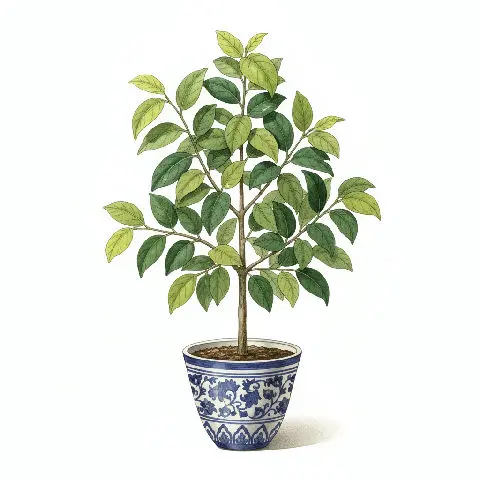
Chloroxylon swietenia, commonly known as East Indian Satinwood or Old Loan Tree, is a majestic medium-sized deciduous tree indigenous to tropical and subtropical regions of Southern India, Sri Lanka, and parts of Southeast Asia, including Madagascar. Belonging to the Rutaceae family, which also encompasses citrus species, this tree typically achieves heights of 18 to 30 meters, with a robust trunk diameter of 60 to 90 centimeters.
Its distinctive light grey bark is characterized by deep, irregular fissures that lend it a rough yet identifiable texture.
The foliage of Chloroxylon swietenia consists of alternately arranged, compound pinnate leaves, each bearing 3 to 5 pairs of elliptical leaflets. These leaflets, measuring approximately 5 to 10 centimeters in length, present a glossy, dark green surface that undergoes a striking transformation to a vibrant yellow in autumn, signifying the species' deciduous nature. The tree's reproductive phase is marked by the emergence of small, fragrant white to cream-colored flowers, typically clustered.
Each delicate blossom features five distinct petals, blooming predominantly from April to June. Following this, the tree produces flat, woody capsules, each meticulously housing 1 to 3 seeds. Chloroxylon swietenia thrives in well-drained sandy loam or rocky soils, often found flourishing near river banks or as a significant component of dry deciduous forests at low to medium altitudes.
It exhibits a preference for full sun exposure and can tolerate a range of soil pH from mildly acidic to mildly alkaline, and even very acidic or very alkaline conditions, showcasing remarkable adaptability. Taxonomically, it is classified within the genus Chloroxylon, celebrated for its high lignin content, particularly in its highly prized timber.
Trusted Scientific References
1. Authoritative external sources for Chloroxylon swietenia
1.1 Wikipedia — Chloroxylon swietenia
1.2 Kew POWO (Plants of the World Online)
1.3 PubMed — peer-reviewed research
1.4 NCBI Taxonomy Browser
1.5 GBIF — Global Biodiversity
1.1.Chloroxylon — Notable Characteristics
- ✓Deciduous Tree — Sheds leaves annually, with foliage turning vibrant yellow in autumn.
- ✓Rutaceae Family Member — Related to citrus fruits, sharing some phytochemical characteristics.
- ✓Valued Timber — Produces highly prized East Indian Satinwood, known for its strength and luster.
- ✓Aromatic Flowers — Small, fragrant white to cream-colored blossoms appear in clusters.
- ✓Pinnate Leaves — Compound leaves with 3-5 pairs of elliptical, glossy leaflets.
- ✓Medicinal Versatility — Various plant parts used in traditional medicine for diverse ailments.
- ✓Adaptable Habitat — Thrives in dry deciduous forests on well-drained, sandy or rocky soils.
- ✓Drought Tolerant — Exhibits good tolerance to dry conditions once established.
- ✓Rich Phytochemistry — Contains active compounds like coumarins, alkaloids, and terpenes.
- ✓Southeast Asian Native — Indigenous to Southern India, Sri Lanka, and other parts of Southeast Asia.
1.2.Chloroxylon — Snapshot Summary
- ✓East Indian Satinwood is a deciduous tree native to India and Sri Lanka, valued for its medicinal properties and timber.
- ✓Rich in coumarins, alkaloids, and terpenes, offering antibacterial, antifungal, and anti-inflammatory benefits.
- ✓Traditionally used for wounds, snakebites, rheumatism, headaches, fevers, and asthma.
- ✓The wood is highly prized for its durability, lustrous appearance, and use in furniture and construction.
- ✓Requires full sun and well-drained soil, thriving in tropical and subtropical environments.
- ✓Exercise caution with internal use, especially for pregnant individuals or those on medication.
2.Chloroxylon — Botanical Identity
3.Chloroxylon — Fact Sheet
4.Chloroxylon — Botanical Features
5.Chloroxylon — Native Range & Habitat
6.Chloroxylon — Heritage Uses
7.Chloroxylon — Chemical Profile
- ✓Coumarins — Identified in the stem bark and heartwood, these secondary metabolites are known for various pharmacological activities including anti-inflammatory, antioxidant, and anticoagulant effects.
- ✓Quinolinone Alkaloids — Present in the stem bark, these nitrogen-containing compounds often exhibit diverse biological activities, such as antimicrobial and antimalarial properties.
- ✓Terpenes — The essential oil from leaves and stems is rich in terpenes, including limonene, germacrene D, geijerene, pregeijerene, trans-beta-ocimene, contributing to its aromatic profile and insecticidal activity.
- ✓Methyl Eugenol — A phenylpropene derivative found in the essential oil, known for its insecticidal, antimicrobial, and anesthetic properties.
- ✓2,4-dihydroxy-5-prenycinnamic acid — A specific phenolic acid found in the heartwood, which may contribute to the plant's antioxidant and protective effects.
- ✓Flavonoids — While not explicitly listed in the reference, as a member of Rutaceae, it is highly probable to contain various flavonoids, known for their antioxidant and anti-inflammatory benefits.
- ✓Saponins — These glycosides are often found in plants and can exhibit foaming properties, as well as potential anti-inflammatory and cholesterol-lowering activities.
- ✓Tannins — Astringent compounds likely present in the bark, contributing to its traditional use for reducing fevers and as an astringent agent.
8.Chloroxylon — Scientific Evidence
- ✓Antibacterial Properties — Essential oils extracted from the leaves and stems of Chloroxylon swietenia exhibit significant activity against a range of pathogenic bacteria, suggesting potential for natural antiseptic applications.
- ✓Antifungal Activity — The same essential oils from East Indian Satinwood have shown moderate to strong efficacy against various fungi, indicating their utility in combating fungal infections.
- ✓Analgesic Effects — Methanol extracts from the dried leaves have demonstrated good pain-relieving activity, traditionally used for alleviating general body pains and headaches.
- ✓Anti-inflammatory Action — Traditional applications for rheumatism and painful joints suggest an underlying anti-inflammatory capacity, which may be attributed to its diverse phytochemical profile.
- ✓Antimalarial Potential — Extracts from Chloroxylon swietenia have been traditionally employed in some regions for treating malaria, hinting at possible antiprotozoal properties.
- ✓Antiasthmatic Support — A bark extract is traditionally used in conjunction with other plants to manage asthma symptoms, potentially due to bronchodilatory or anti-inflammatory effects.
- ✓Wound Healing — Crushed leaves are externally applied to wounds and snakebites, suggesting properties that promote tissue regeneration and offer protective antimicrobial action.
- ✓Febrifuge Action — Bark extracts are traditionally consumed to reduce fevers, indicating a potential role in modulating thermoregulation.
- ✓Astringent Effects — The bark extract is considered astringent, which helps to constrict body tissues and reduce secretions, useful in managing conditions like diarrhea or excessive discharge.
- ✓Anti-rheumatic Use — Applied externally as a paste or poultice, the crushed leaves of East Indian Satinwood are traditionally used to alleviate symptoms of rheumatism.
8.1.Chloroxylon — Therapeutic Indications
9.Chloroxylon — Safety & Side Effects
9.1.Chloroxylon — Reported Side Effects
- ✓Allergic Reactions — Individuals sensitive to Rutaceae family plants may experience skin irritation or allergic responses upon contact or ingestion.
- ✓Gastrointestinal Upset — High doses or prolonged internal use of Chloroxylon swietenia extracts might lead to digestive discomfort.
- ✓Interaction with Medications — Potential interactions with blood thinners, antidiabetic drugs, or other medications due to coumarin content; consult a healthcare professional.
- ✓Photosensitivity — Some phytochemicals, like furanocoumarins, can increase skin sensitivity to sunlight in susceptible individuals.
- ✓Pregnancy and Lactation — Lack of sufficient safety data advises against use during pregnancy and breastfeeding.
- ✓Liver or Kidney Issues — Individuals with pre-existing liver or kidney conditions should exercise caution and seek medical advice before use.
9.2.Chloroxylon — Safety Profile
- ✓Professional Consultation — Always consult a qualified medical herbalist or healthcare professional before using Chloroxylon swietenia for medicinal purposes.
- ✓Patch Test — Perform a skin patch test before topical application to check for potential allergic reactions.
- ✓Dosage Adherence — Strictly follow recommended dosages; avoid self-prescribing, especially for internal use.
- ✓Quality Sourcing — Ensure plant material is sourced from reputable suppliers to avoid contamination or misidentification.
- ✓Avoid During Pregnancy/Lactation — Due to insufficient safety data, pregnant and breastfeeding women should avoid its use.
- ✓Children and Elderly — Use with caution in children and the elderly, preferably under medical supervision.
- ✓Discontinue if Adverse Effects — Cease use immediately if any adverse reactions or discomfort occur.
10.Chloroxylon — Preparations & Uses
- ✓Leaf Paste for Headaches — Crush fresh Chloroxylon swietenia leaves and roots, mix with a small amount of water to form a paste, then apply externally to the forehead.
- ✓Topical Application for Wounds — Macerate fresh East Indian Satinwood leaves and apply directly as a poultice to minor wounds, snakebites, and rheumatic areas.
- ✓Bark Decoction for Fevers — Prepare a decoction by boiling pieces of bark in water; strain and consume orally to help reduce fever and chest pain.
- ✓Root Bark Infusion for Impotence — Infuse powdered root bark in milk and consume orally, as per traditional Indian medicinal practices.
- ✓External Rub for Bruises — Use a bark extract or a strong decoction in friction therapy for bruises and painful joints.
- ✓Essential Oil Diffusion — Extract essential oil from leaves and stems for use in diffusers, leveraging its antibacterial and antifungal properties for air purification.
- ✓Herbal Tea — Dried leaves can be steeped in hot water to create a tea for general wellness, though specific dosages require professional guidance.
11.Chloroxylon — Cultivation & Care
- ✓Climate Preference — Thrives in tropical and subtropical climates, specifically USDA hardiness zones 10-12.
- ✓Soil Requirements — Prefers well-drained sandy or rocky soils; adaptable to nutritionally poor, mildly acidic to very alkaline soils.
- ✓Light Exposure — Requires full sun exposure for optimal growth and cannot tolerate shade.
- ✓Water Needs — Tolerates drought once established but prefers moist soil conditions.
- ✓Propagation — Primarily propagated by seeds; can also be propagated through cuttings, though success rates may vary.
- ✓Growth Rate — Exhibits a fast growth rate, reaching significant heights within a relatively short period.
- ✓Maintenance — Generally low maintenance, requiring minimal pruning except for shaping or removal of dead branches.
Reviewed by the Flora Medical Global Botanical Review Panel
Multi-disciplinary editorial group · Botany · Ethnobotany · Herbal-medicine literature
Who reviewed this: This page was checked by the Flora Medical Global Botanical Review Panel — an in-house editorial group of botany graduates, ethnobotany researchers, and horticulture practitioners who collectively maintain our 7,000+ plant encyclopedia. Meet the team.
Our 4-step verification process
1. Taxonomic verification
Scientific names and synonyms cross-checked against Kew POWO, World Flora Online, and The Plant List.
2. Phytochemical & medicinal cross-reference
Active compounds, traditional uses, and reported activities are cross-referenced with PubMed, USDA Dr. Duke's database, and peer-reviewed ethnobotanical literature.
3. Conservation & distribution check
Distribution, ecology, and conservation status confirmed against GBIF occurrence records and the IUCN Red List.
4. Editorial & safety review
Every entry passes an editorial pass for clarity, originality, and safety notices (toxicity, contraindications, dosage caveats) before publication.
Last reviewed:
Important medical disclaimer: This content is for educational and research purposes only. It is not medical advice and is not a substitute for consultation with a licensed healthcare provider. Do not use any herb to self-treat a medical condition without professional guidance.
Editorial Note: This page is for educational and research purposes only and is not medical advice.
Written by: Flora Medical Global Editorial Team
Reviewed by: Flora Medical Global Botanical Review Panel
Last Updated: June 15, 2026





Chloroxylon — Comments & Community Reviews
Rate this plant