


Medical Disclaimer: This content is for educational purposes only. It is not medical advice. Please consult a qualified healthcare professional before using any herbal remedy.
Safety Overview
1.Chrysanthemum Med — At a Glance
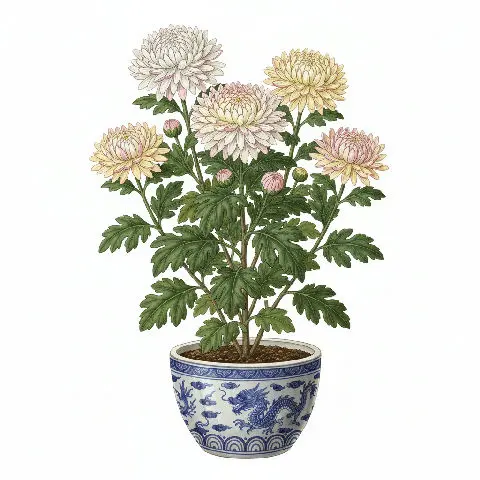
Chrysanthemum morifolium, commonly known as Chrysanthemum Med or Florist's Chrysanthemum, is a highly valued perennial herbaceous plant belonging to the extensive Asteraceae family, which also encompasses familiar species like sunflowers and daisies. This robust plant typically forms a dense, bushy habit, reaching heights of 60 to 120 cm (approximately 2 to 4 feet). Its foliage is characterized by deeply lobed, often serrated, dark green leaves that can extend up to 10 cm in length.
These leaves are arranged alternately along the stem and feature a distinct petiole ranging from 2 to 8 cm, contributing to their overall textural appeal. The stems are generally slender, green, and may exhibit fine pubescence, giving them a slightly fuzzy feel.
One of the most defining and admired attributes of Chrysanthemum Med is its prolific display of showy flower heads. These composite flowers, botanically known as capitula, are typically vibrant yellow or pristine white, though numerous cultivars exist in a spectrum of colors and forms. The flower heads vary significantly, from single, daisy-like structures to opulent, multi-petaled double types, each measuring approximately 3 to 10 cm in diameter.
The florets are arranged in a dense head, with ray florets forming the outer 'petals' and disc florets comprising the central eye. Native to East Asia, with its primary center of origin in China, Chrysanthemum morifolium has a rich history spanning thousands of years, having been cultivated extensively in China, Japan, Mongolia, and parts of Eastern Europe. It thrives in temperate climates and prefers well-drained, loamy soils rich in organic matter.
A sunny location is crucial for optimal growth and abundant flowering, though it can tolerate partial shade. Beyond its ornamental value, where it is a staple in gardens and floral arrangements worldwide, Chrysanthemum Med holds profound cultural and medicinal significance, particularly in Traditional Chinese Medicine (TCM).
Trusted Scientific References
1. Authoritative external sources for Chrysanthemum morifolium
1.1 Wikipedia — Chrysanthemum morifolium
1.2 Kew POWO (Plants of the World Online)
1.3 PubMed — peer-reviewed research
1.4 NCBI Taxonomy Browser
1.5 GBIF — Global Biodiversity
1.1.Chrysanthemum Med — Highlights
- ✓Botanical Name — Chrysanthemum morifolium, a species within the Asteraceae family.
- ✓Common Names — Chrysanthemum Med, Florist's Chrysanthemum, Juhua (in Chinese).
- ✓Origin — Native to East Asia, primarily China, with a long history of cultivation.
- ✓Morphology — Perennial herb, growing 60-120 cm tall with deeply lobed leaves and showy composite flowers.
- ✓Flower Characteristics — Capitula ranging from yellow to white, 3-10 cm in diameter, diverse forms from single to double.
- ✓Medicinal Uses — Anti-inflammatory, antioxidant, neuroprotective, antipyretic, ocular health, liver support.
- ✓Key Constituents — Flavonoids (luteolin, apigenin), phenolic acids (chlorogenic acid), volatile oils.
- ✓Traditional Significance — A cornerstone herb in Traditional Chinese Medicine for 'clearing heat' and 'calming the liver'.
- ✓Cultivation — Prefers full sun, well-drained soil, and temperate climates; widely cultivated globally.
- ✓Safety Profile — Generally safe, but caution for allergies, pregnancy, and interactions with certain medications.
1.2.Chrysanthemum Med — Snapshot Summary
- ✓Chrysanthemum morifolium (Chrysanthemum Med) is a perennial herb from the Asteraceae family, native to East Asia.
- ✓Valued for its ornamental beauty and profound medicinal properties, particularly in Traditional Chinese Medicine (TCM).
- ✓Rich in flavonoids, phenolic acids, and volatile oils, offering potent anti-inflammatory and antioxidant benefits.
- ✓Traditionally used for vision improvement, fever reduction, liver support, and calming effects.
- ✓Commonly prepared as a tea (Juhua Cha), but also used in tinctures, poultices, and culinary applications.
- ✓Caution advised for individuals with allergies to Asteraceae plants, pregnant women, and those on specific medications.
2.Chrysanthemum Med — Nomenclature & Classification
3.Chrysanthemum Med — Fact Sheet
4.Chrysanthemum Med — Botanical Features
5.Chrysanthemum Med — Origin & Spread
6.Chrysanthemum Med — Heritage Uses
7.Chrysanthemum Med — Key Phytochemicals
- ✓Flavonoids — Key compounds include luteolin, apigenin, quercetin, kaempferol, and acacetin. These contribute significantly to the plant’s antioxidant, anti-inflammatory, and neuroprotective activities.
- ✓Phenolic Acids — Important examples are chlorogenic acid and caffeic acid. These compounds are potent antioxidants and contribute to the plant's overall health-promoting effects, including cardiovascular benefits.
- ✓Volatile Oils — Comprising camphor, borneol, chrysanthenone, and other monoterpenes and sesquiterpenes, these contribute to the characteristic aroma and possess antimicrobial and insecticidal properties.
- ✓Triterpenoids — Such as chrysanthemumin and taraxasterol. These compounds are known for their anti-inflammatory and hepatoprotective properties.
- ✓Polysaccharides — These complex carbohydrates contribute to immune-modulating effects, supporting the body's natural defense mechanisms.
- ✓Carotenoids — Including zeaxanthin and lutein, which are important for eye health and provide antioxidant benefits, particularly in the retina.
- ✓Sterols — Compounds like β-sitosterol and stigmasterol are present, contributing to anti-inflammatory and cholesterol-lowering potential.
- ✓Amino Acids — Various free amino acids are found, contributing to the plant's nutritional profile and overall metabolic functions.
- ✓Vitamins and Minerals — Contains small amounts of vitamins like C and A, and minerals such as potassium and calcium, supporting general bodily functions.
8.Chrysanthemum Med — Scientific Evidence
- ✓Anti-inflammatory — Chrysanthemum morifolium contains flavonoids and phenolic compounds that help modulate inflammatory pathways, reducing swelling and discomfort associated with various conditions.
- ✓Antioxidant Activity — Rich in potent antioxidants like luteolin and chlorogenic acid, it helps neutralize free radicals, protecting cells from oxidative damage and supporting overall health.
- ✓Neuroprotective Effects — Certain constituents have shown potential in protecting brain cells from damage, suggesting benefits for cognitive function and neurodegenerative conditions.
- ✓Cardiovascular Support — It may contribute to cardiovascular health by helping to regulate blood pressure and cholesterol levels, promoting better circulation.
- ✓Antimicrobial Properties — Extracts have demonstrated inhibitory effects against various bacteria and fungi, making it useful in traditional preparations for infections.
- ✓Antipyretic Action — Traditionally used to reduce fever, its compounds may help to cool the body and alleviate symptoms of febrile illnesses.
- ✓Ocular Health Enhancement — Chrysanthemum flowers are renowned in TCM for improving vision and alleviating eye strain, dry eyes, and redness, often attributed to its cooling properties.
- ✓Liver Detoxification Support — It is believed to support liver function, aiding in detoxification processes and promoting liver health, particularly in traditional systems.
- ✓Calming and Relaxing — The aroma and compounds in chrysanthemum tea can have a mild sedative effect, promoting relaxation and aiding in stress reduction and sleep.
- ✓Immune System Modulation — Some phytochemicals may help to modulate the immune response, enhancing the body's natural defenses against pathogens and illness.
8.1.Chrysanthemum Med — Health Applications
9.Chrysanthemum Med — Safety Considerations
9.1.Chrysanthemum Med — Possible Adverse Reactions
- ✓Allergic Reactions — May cause contact dermatitis, skin rashes, or respiratory symptoms in sensitive individuals, especially those with ragweed allergies.
- ✓Photosensitivity — Some individuals may experience increased skin sensitivity to sunlight after consuming chrysanthemum products.
- ✓Gastrointestinal Upset — High doses or prolonged use can lead to mild stomach discomfort, diarrhea, or nausea.
- ✓Hypotension — May lower blood pressure, which could be problematic for individuals already on antihypertensive medication or with naturally low blood pressure.
- ✓Hypoglycemia — Could potentially lower blood sugar levels, requiring caution for diabetics on medication.
- ✓Drug Interactions — May interact with anticoagulant medications, blood pressure medications, or immunosuppressants due to its active compounds.
- ✓Uterine Contractions — Traditional sources sometimes advise caution during pregnancy, suggesting a potential for uterine stimulation.
9.2.Chrysanthemum Med — Clinical Safety Notes
- ✓Pregnancy and Lactation — Avoid use during pregnancy and breastfeeding due to insufficient safety data and potential for uterine stimulation.
- ✓Allergies — Individuals with known allergies to plants in the Asteraceae family (e.g., ragweed, daisies) should exercise extreme caution or avoid.
- ✓Blood Pressure Regulation — Monitor blood pressure closely if taking antihypertensive medication, as Chrysanthemum morifolium may lower it.
- ✓Diabetes Management — Diabetics should consult a healthcare provider, as it may affect blood sugar levels and interact with antidiabetic drugs.
- ✓Anticoagulant Medication — Use with caution if on blood thinners due to potential interactions that could increase bleeding risk.
- ✓Surgery — Discontinue use at least two weeks before scheduled surgery to avoid potential interactions with anesthesia or increased bleeding.
- ✓General Use — Always start with low doses to assess individual tolerance and consult a healthcare professional for chronic conditions.
10.Chrysanthemum Med — Preparation Methods
- ✓Herbal Tea (Juhua Cha) — Infuse dried Chrysanthemum morifolium flowers in hot water for 5-10 minutes; often consumed for cooling, vision, and relaxation.
- ✓Tincture — Macerate fresh or dried flowers in alcohol (e.g., 40-60% ethanol) for several weeks, then strain for a concentrated extract.
- ✓Topical Compress/Poultice — Steep flowers, then apply the cooled infusion or a poultice of crushed fresh flowers directly to inflamed areas or tired eyes.
- ✓Culinary Ingredient — Fresh petals can be added to salads for a slightly bitter, refreshing taste; dried flowers are used in certain traditional dishes.
- ✓Herbal Bath — Add a strong infusion of chrysanthemum flowers to bathwater for a soothing and skin-calming experience.
- ✓Decoction — Simmer dried flowers with other herbs in water for a longer period to extract deeper medicinal properties, common in TCM formulas.
- ✓Essential Oil — While less common for home use, essential oil can be diffused for its calming aroma or diluted for topical application.
- ✓Extracts and Supplements — Available in capsule or liquid extract form for convenient dosage, standardized for active compounds.
11.Chrysanthemum Med — How to Grow
- ✓Soil Preparation — Prefers well-drained, fertile loam with a pH of 6.0-7.0; enrich with organic matter like compost before planting.
- ✓Light Requirements — Thrives in full sun, requiring at least 6 hours of direct sunlight daily for optimal growth and abundant flowering.
- ✓Watering — Keep soil consistently moist, especially during dry periods, but avoid overwatering to prevent root rot.
- ✓Propagation — Can be propagated by seeds, cuttings, or division of established clumps in spring or early summer.
- ✓Fertilization — Feed monthly during the growing season with a balanced liquid fertilizer to support vigorous growth and blooming.
- ✓Pruning and Pinching — Pinch back young plants to encourage bushier growth and more flowers; deadhead spent blooms to promote continuous flowering.
- ✓Pest and Disease Management — Monitor for aphids, spider mites, and powdery mildew; use organic pest control methods or appropriate fungicides when necessary.
- ✓Winter Care — In colder climates, provide a layer of mulch around the base or lift and store rhizomes indoors to protect from frost.
Reviewed by the Flora Medical Global Botanical Review Panel
Multi-disciplinary editorial group · Botany · Ethnobotany · Herbal-medicine literature
Who reviewed this: This page was checked by the Flora Medical Global Botanical Review Panel — an in-house editorial group of botany graduates, ethnobotany researchers, and horticulture practitioners who collectively maintain our 7,000+ plant encyclopedia. Meet the team.
Our 4-step verification process
1. Taxonomic verification
Scientific names and synonyms cross-checked against Kew POWO, World Flora Online, and The Plant List.
2. Phytochemical & medicinal cross-reference
Active compounds, traditional uses, and reported activities are cross-referenced with PubMed, USDA Dr. Duke's database, and peer-reviewed ethnobotanical literature.
3. Conservation & distribution check
Distribution, ecology, and conservation status confirmed against GBIF occurrence records and the IUCN Red List.
4. Editorial & safety review
Every entry passes an editorial pass for clarity, originality, and safety notices (toxicity, contraindications, dosage caveats) before publication.
Last reviewed:
Important medical disclaimer: This content is for educational and research purposes only. It is not medical advice and is not a substitute for consultation with a licensed healthcare provider. Do not use any herb to self-treat a medical condition without professional guidance.
Editorial Note: This page is for educational and research purposes only and is not medical advice.
Written by: Flora Medical Global Editorial Team
Reviewed by: Flora Medical Global Botanical Review Panel
Last Updated: June 15, 2026





Chrysanthemum Med — Comments & Community Reviews
Rate this plant