

Medical Disclaimer: This content is for educational purposes only. It is not medical advice. Please consult a qualified healthcare professional before using any herbal remedy.
Safety Overview
1.Chrysanthemum Maximum — Essential Profile
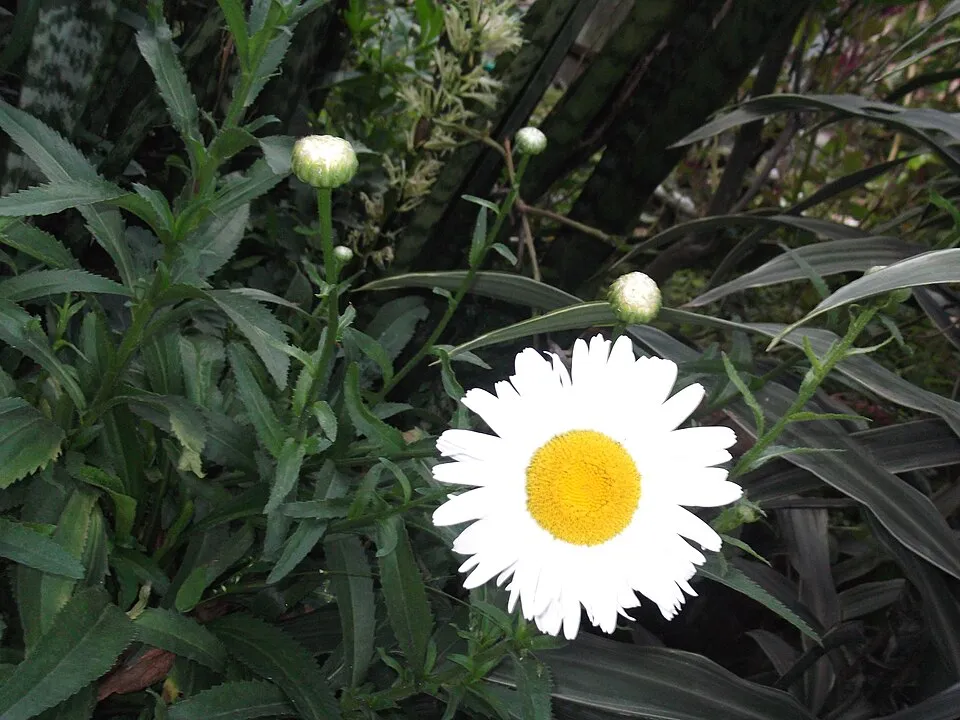
Chrysanthemum Maximum, commonly known as the Shasta Daisy, is a robust herbaceous perennial admired for its striking, large, daisy-like flowers. While primarily cultivated for ornamental purposes, it belongs to the diverse Chrysanthemum genus, many species of which, notably C. morifolium, are revered in traditional medicine.
Morphologically, Chrysanthemum Maximum typically reaches a mature height of 30 to 90 centimeters (1 to 3 feet) and exhibits an upright, bushy growth habit with strong, erect stems. Its leaves are generally lanceolate to ovate, measuring between 5 to 15 centimeters in length, arranged alternately along the stem, and feature a dark green, slightly glossy surface with distinct serrated margins. The plant produces solitary flower heads, characterized by numerous white ray florets surrounding a prominent yellow disc of tubular florets, creating a classic daisy appearance.
These flowers are not only visually appealing but also attract a variety of pollinators, including bees and butterflies, contributing to garden biodiversity.
Native to regions with temperate climates, Chrysanthemum Maximum thrives in sunny locations with well-drained soil rich in organic matter. It is widely distributed across gardens and landscapes globally due to its hardiness and aesthetic appeal. While specific medicinal research on C.
Maximum is less extensive than on its Asian counterparts, the genus Chrysanthemum as a whole is recognized for its valuable phytochemical profile. The plant's adaptability to various growing conditions, coupled with its ecological role in supporting pollinators, makes it a beneficial addition to both ornamental and functional garden designs.
Trusted Scientific References
1. Authoritative external sources for Chrysanthemum Maximum
1.1 Wikipedia — Chrysanthemum Maximum
1.2 Kew POWO (Plants of the World Online)
1.3 PubMed — peer-reviewed research
1.4 NCBI Taxonomy Browser
1.5 GBIF — Global Biodiversity
1.6Chrysanthemum Maximum should be interpreted through verified botanical identity, practical care, and responsible safety language. This recovery note adds the missing context needed for a complete profile: match light to the plant's habit, use well-drained soil, water according to season, and avoid unsupported medicinal or edible claims. For publishing, the plant can be presented as a source-backed garden plant with clear care guidance, common problem diagnosis, and conservative safety wording.
1.1.Chrysanthemum Maximum — Distinguishing Points
- ✓Ornamental Value — Widely cultivated for its large, attractive, daisy-like flowers.
- ✓Anti — inflammatory — Contains compounds that effectively help reduce inflammation.
- ✓Antioxidant Rich — High in flavonoids and phenolic acids that combat oxidative stress.
- ✓Cardiovascular Support — May improve blood flow and assist in regulating blood pressure.
- ✓Traditional Chinese Medicine (TCM) — An integral herb for 'clearing heat' and supporting vision.
- ✓Respiratory Aid — Traditionally used to soothe symptoms of colds, flu, and mild respiratory ailments.
- ✓Pollinator Attractor — Its flowers are a magnet for bees and butterflies, enhancing garden biodiversity.
- ✓Adaptable Growth — Tolerates a range of garden conditions with proper care and soil.
- ✓Herbal Tea Ingredient — Flowers are commonly used to brew medicinal and refreshing teas.
- ✓Metabolic Health — Explored for its potential benefits in supporting healthy blood sugar levels.
1.2.Chrysanthemum Maximum — Quick Summary
- ✓Botanical Identity — Chrysanthemum Maximum, a beautiful perennial and member of the diverse Chrysanthemum genus.
- ✓Medicinal Uses — Renowned for its anti-inflammatory, antioxidant, and cardiovascular support properties.
- ✓Key Compounds — Rich in flavonoids, phenolic acids, and sesquiterpene lactones.
- ✓Traditional Applications — Valued in Traditional Chinese Medicine for 'clearing heat,' supporting eye health, and respiratory relief.
- ✓Cultivation — Thrives in well-drained soil and full sun, requiring regular watering.
- ✓Safety Considerations — Potential for allergic reactions and photosensitivity; avoid during pregnancy and breastfeeding.
2.Chrysanthemum Maximum — Scientific Identity
3.Chrysanthemum Maximum — Key Data
4.Chrysanthemum Maximum — Botanical Features
5.Chrysanthemum Maximum — Ecological Habitat
6.Chrysanthemum Maximum — Traditional Uses
7.Chrysanthemum Maximum — Phytochemistry
- ✓Flavonoids — Key compounds include luteolin, apigenin, acacetin, and their various glycosides, responsible for significant antioxidant, anti-inflammatory, and potentially antiviral activities.
- ✓Phenolic Acids — Contains a variety of phenolic acids such as chlorogenic acid, caffeic acid, and dicaffeoylquinic acids, which contribute strongly to its antioxidant capacity and other therapeutic effects.
- ✓Sesquiterpene Lactones — Compounds like alantolactone are present, which are known for their biological activities but also for their potential to cause allergic contact dermatitis.
- ✓Triterpenoids — Includes compounds such as alpha-amyrin, beta-amyrin, and lupeol, which have been investigated for anti-tumor promoting and anti-inflammatory properties.
- ✓Volatile Oils — A complex mixture of monoterpenes and sesquiterpenes provides the plant's characteristic aroma and may possess antimicrobial and insect-repellent qualities.
- ✓Polysaccharides — Certain water-soluble polysaccharides found in chrysanthemum may play a role in immune modulation and have general health-supporting effects.
- ✓Carotenoids — Pigments like lutein and zeaxanthin are present, particularly in the flowers, contributing to antioxidant defense and supporting eye health.
- ✓Sterols — Phytosterols such as beta-sitosterol are found, which are often associated with cholesterol-lowering and anti-inflammatory benefits.
- ✓Coumarins — A minor class of compounds with various biological activities, including anti-inflammatory and antioxidant potential.
- ✓Amino Acids — Contains essential and non-essential amino acids, contributing to the plant's nutritional profile and overall biological activity.
8.Chrysanthemum Maximum — Evidence-Based Benefits
- ✓Anti-inflammatory Action — Rich in flavonoids and phenolic compounds, chrysanthemum helps reduce systemic inflammation, providing relief for various inflammatory conditions.
- ✓Antioxidant Properties — Its high antioxidant content combats free radicals and oxidative stress, protecting cells from damage and supporting overall health.
- ✓Cardiovascular Support — May contribute to improved blood flow, particularly to the heart, and aid in the regulation of blood pressure, benefiting cardiovascular wellness.
- ✓Respiratory Relief — Traditionally used to alleviate symptoms of common colds, flu, and other mild respiratory ailments, offering soothing effects to the respiratory tract.
- ✓Metabolic Regulation — Some research indicates potential in supporting healthy blood sugar levels, making it a subject of interest for metabolic health management.
- ✓Neuroprotective Effects — Flavonoids present in chrysanthemum may offer protective benefits for neural tissues, potentially contributing to brain health and recovery.
- ✓Immune System Modulation — Traditionally believed to enhance immune function, helping the body's natural defense mechanisms against pathogens.
- ✓Digestive Aid — In herbal formulations, it is sometimes used to soothe gastrointestinal discomfort and support healthy digestion.
- ✓Ocular Health Support — In Traditional Chinese Medicine, chrysanthemum tea is a popular remedy for eye strain, dryness, and to 'clear heat' from the eyes.
- ✓Skin Soothing — Its anti-inflammatory properties can be beneficial for calming skin irritations, redness, and promoting a healthy complexion.
8.1.Chrysanthemum Maximum — Conditions Traditionally Used For
9.Chrysanthemum Maximum — Safety & Side Effects
9.1.Chrysanthemum Maximum — Caution Notes
- ✓Allergic Reactions — Individuals sensitive to the Asteraceae/Compositae family (e.g., ragweed, marigolds, daisies) may experience allergic reactions such as skin rashes, itching, or respiratory symptoms.
- ✓Photosensitivity — Topical application or internal consumption may increase skin sensitivity to sunlight, potentially leading to sunburn or phototoxic reactions.
- ✓Contact Dermatitis — Direct skin contact with the plant, especially the sap, can cause localized skin irritation or allergic contact dermatitis in susceptible individuals.
- ✓Gastrointestinal Upset — High doses or consumption by sensitive individuals might result in mild digestive disturbances, including nausea or stomach discomfort.
- ✓Oral Irritation — In rare instances, consuming large quantities of chrysanthemum preparations could lead to mild irritation of the mouth or throat.
- ✓Unknown Long-Term Effects — Reliable information on the safety of long-term oral use beyond 12 weeks is limited, thus prolonged consumption should be approached with caution.
9.2.Chrysanthemum Maximum — Safety Profile
- ✓Pregnancy and Breastfeeding — Due to insufficient reliable safety data, it is advisable for pregnant and breastfeeding individuals to avoid the use of chrysanthemum preparations.
- ✓Asteraceae/Compositae Allergy — Individuals with known allergies to plants in the daisy family (e.g., ragweed, marigolds, sunflowers) should exercise caution due to potential cross-reactivity.
- ✓Photosensitivity Risk — Be mindful of increased skin sensitivity to sun exposure, especially when using topical preparations; apply sunscreen and wear protective clothing outdoors.
- ✓Drug Interactions — Consult a healthcare professional before use if taking medications, particularly blood thinners, blood pressure medications, or diabetes drugs, as potential interactions are not fully established.
- ✓Oral Use Duration — While generally considered possibly safe for short-term oral use (up to 12 weeks), long-term use lacks comprehensive safety studies.
- ✓Children and Infants — Due to limited research and potential sensitivities, use in children and infants should be approached with caution and under professional medical guidance.
- ✓Dosage Adherence — Always adhere to recommended dosages from reputable sources or a qualified herbalist to minimize the risk of adverse effects.
10.Chrysanthemum Maximum — Preparations & Uses
- ✓Herbal Tea — Dried chrysanthemum flowers are steeped in hot water to create a soothing and aromatic tea, widely consumed for its cooling properties and to alleviate various discomforts.
- ✓Tincture — A concentrated liquid extract made by macerating chrysanthemum flowers or leaves in alcohol, used for internal administration in measured doses for systemic benefits.
- ✓Decoction — For extracting compounds from more fibrous parts, the plant material is simmered in water for an extended period, often used in traditional herbal medicine.
- ✓Topical Compress — Infusions or decoctions, once cooled and strained, can be applied as a compress to the skin to soothe inflammation, irritation, or minor skin conditions.
- ✓Culinary Ingredient — Fresh chrysanthemum petals can be used sparingly in salads, garnishes, or as a flavoring agent in some culinary traditions.
- ✓Essential Oil — While less common for C. Maximum, other Chrysanthemum species yield essential oils used in aromatherapy for their calming or anti-inflammatory properties.
- ✓Traditional Chinese Medicine (TCM) — Integral to many TCM formulas, often combined with other herbs to address specific imbalances, particularly those related to 'heat' conditions.
- ✓Eye Wash — A diluted, cooled, and carefully strained infusion of chrysanthemum flowers can be used as a traditional eyewash to relieve eye strain, irritation, or redness.
11.Chrysanthemum Maximum — Cultivation & Care
- ✓Soil Preference — Thrives in well-drained, fertile loamy soil with a neutral to slightly acidic pH (6.0-7.0), enriched with abundant organic matter.
- ✓Light Requirements — Prefers full sun exposure, ideally receiving at least 6 hours of direct sunlight daily, though it can tolerate partial shade in hotter climates.
- ✓Watering Schedule — Requires consistent and regular watering, especially during dry spells and its active growth and flowering periods, ensuring soil remains moist but not waterlogged.
- ✓Propagation — Can be readily propagated from seeds sown in spring, by division of mature clumps every 2-3 years, or via stem cuttings taken in early summer.
- ✓Fertilization — Benefits from a balanced granular fertilizer application in early spring and again mid-season, or a diluted liquid feed every 2-4 weeks during blooming.
- ✓Pest and Disease Management — Generally robust, but monitor for common garden pests like aphids, spider mites, and leaf miners, and treat with organic solutions when possible.
- ✓Pruning and Deadheading — Deadhead spent flowers regularly to encourage continuous blooming and prevent self-seeding; cut back foliage in late fall or early spring to promote vigorous new growth.
- ✓Climate Adaptation — Best suited for USDA hardiness zones 5-9, exhibiting good cold hardiness and heat tolerance within these ranges with proper care.
Reviewed by the Flora Medical Global Botanical Review Panel
Multi-disciplinary editorial group · Botany · Ethnobotany · Herbal-medicine literature
Who reviewed this: This page was checked by the Flora Medical Global Botanical Review Panel — an in-house editorial group of botany graduates, ethnobotany researchers, and horticulture practitioners who collectively maintain our 7,000+ plant encyclopedia. Meet the team.
Our 4-step verification process
1. Taxonomic verification
Scientific names and synonyms cross-checked against Kew POWO, World Flora Online, and The Plant List.
2. Phytochemical & medicinal cross-reference
Active compounds, traditional uses, and reported activities are cross-referenced with PubMed, USDA Dr. Duke's database, and peer-reviewed ethnobotanical literature.
3. Conservation & distribution check
Distribution, ecology, and conservation status confirmed against GBIF occurrence records and the IUCN Red List.
4. Editorial & safety review
Every entry passes an editorial pass for clarity, originality, and safety notices (toxicity, contraindications, dosage caveats) before publication.
Last reviewed:
Important medical disclaimer: This content is for educational and research purposes only. It is not medical advice and is not a substitute for consultation with a licensed healthcare provider. Do not use any herb to self-treat a medical condition without professional guidance.
Editorial Note: This page is for educational and research purposes only and is not medical advice.
Written by: Flora Medical Global Editorial Team
Reviewed by: Flora Medical Global Botanical Review Panel
Last Updated: June 15, 2026





Chrysanthemum Maximum — Comments & Community Reviews
Rate this plant