


Medical Disclaimer: This content is for educational purposes only. It is not medical advice. Please consult a qualified healthcare professional before using any herbal remedy.
Safety Overview
1.Chrysanthemum Spider — Essential Profile
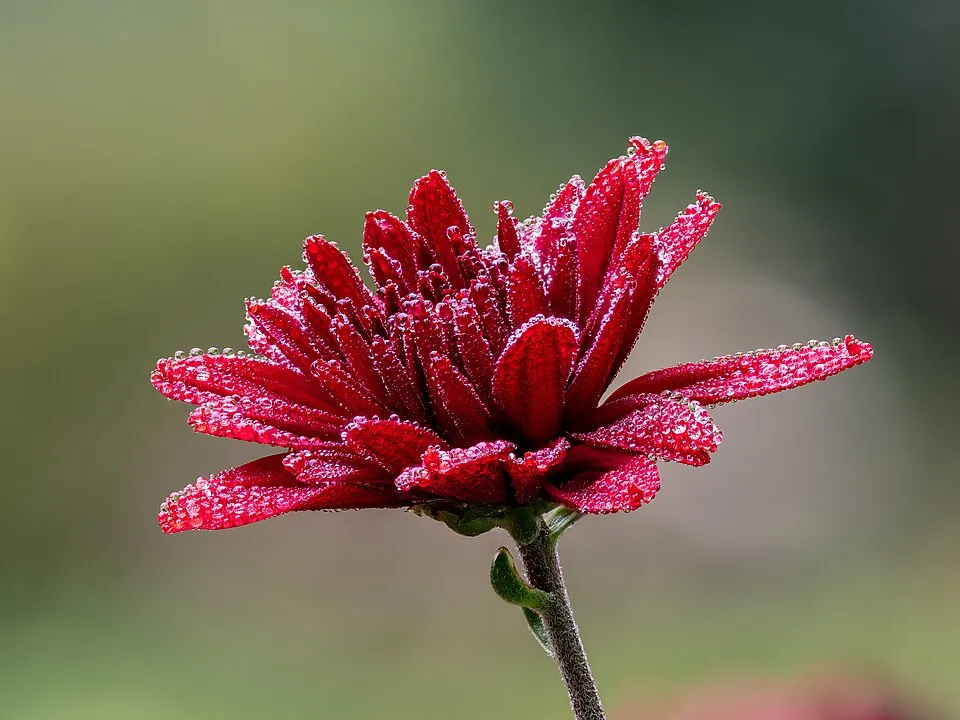
The Chrysanthemum Spider, widely recognized as the Spider Mum, represents a distinctive cultivar group of Chrysanthemum morifolium, a prominent perennial herbaceous plant within the expansive Asteraceae family. This ornamental marvel is celebrated for its truly unique floral morphology, characterized by exceptionally long, slender, and gracefully reflexed petals that radiate outwards, creating an elegant, spidery aesthetic. Its captivating blooms present a vibrant spectrum of colors, encompassing radiant yellows, pristine whites, soft pinks, and rich purples, making it a highly sought-after choice for both horticultural displays and sophisticated floral arrangements.
Typically, the plant achieves a stature of approximately 60 to 90 centimeters (24 to 36 inches) and exhibits a robust, bushy growth habit. Numerous sturdy stems emerge, adorned with lush, deeply lobed, dark green foliage, with individual leaves reaching lengths of 10 to 15 centimeters (4 to 6 inches), further enhancing its decorative appeal. Chrysanthemum Spider thrives optimally in temperate climates, preferring well-drained soils with a slightly acidic to neutral pH.
It flourishes under conditions ranging from full sun to partial shade, requiring moderate but consistent watering to maintain its vitality. These plants are frequently cultivated in clusters, creating breathtaking autumn displays that provide much-needed color as other garden plants begin to fade. Beyond its visual splendor, it plays an ecological role by attracting beneficial pollinators such as bees and butterflies, contributing to garden biodiversity.
Trusted Scientific References
1. Authoritative external sources for Chrysanthemum Spider
1.1 Wikipedia — Chrysanthemum Spider
1.2 Kew POWO (Plants of the World Online)
1.3 PubMed — peer-reviewed research
1.4 NCBI Taxonomy Browser
1.5 GBIF — Global Biodiversity
1.6Chrysanthemum Spider should be interpreted through verified botanical identity, practical care, and responsible safety language. This recovery note adds the missing context needed for a complete profile: match light to the plant's habit, use well-drained soil, water according to season, and avoid unsupported medicinal or edible claims. For publishing, the plant can be presented as a source-backed garden plant with clear care guidance, common problem diagnosis, and conservative safety wording.
1.1.Chrysanthemum Spider — Distinguishing Points
- ✓Distinctive Floral Morphology — Features long, slender, reflexed petals that create a unique 'spidery' or 'spider mum' appearance.
- ✓Ornamental Value — Highly prized for its aesthetic appeal in gardens, floral arrangements, and as a late-season bloomer.
- ✓Traditional Chinese Medicine (TCM) Herb — Widely used in TCM for its cooling, detoxifying, and vision-improving properties.
- ✓Rich Phytochemical Profile — Contains a diverse array of bioactive compounds including flavonoids, phenolic acids, triterpenoids, and carotenoids.
- ✓Anti — inflammatory Actions — Active compounds help to mitigate inflammation pathways within the body.
- ✓Potent Antioxidant Capacity — Effectively combats oxidative stress by neutralizing harmful free radicals.
- ✓Hepatoprotective Benefits — Supports and protects liver function, aiding in detoxification processes.
- ✓Ocular Health Support — Specific carotenoids contribute to maintaining healthy vision and protecting eye tissues.
- ✓Natural Antipyretic — Traditionally employed to reduce fevers and alleviate heat-related symptoms.
- ✓Adaptable Cultivation — Thrives in temperate climates with moderate care, making it suitable for various garden settings.
1.2.Chrysanthemum Spider — At-a-Glance Summary
- ✓Chrysanthemum Spider is an ornamental cultivar of Chrysanthemum morifolium, known for its unique 'spidery' petals.
- ✓Traditionally valued in TCM for its anti-inflammatory, antioxidant, and fever-reducing properties.
- ✓Rich in flavonoids (quercetin, luteolin) and phenolic acids (chlorogenic acid).
- ✓Commonly consumed as a tea to support liver health, improve eyesight, and alleviate headaches.
- ✓Requires well-drained soil, full sun to partial shade, and moderate watering for optimal growth.
- ✓Potential side effects include allergic reactions and interactions with certain medications.
2.Chrysanthemum Spider — Nomenclature & Classification
3.Chrysanthemum Spider — Fact Sheet
4.Chrysanthemum Spider — Botanical Description
5.Chrysanthemum Spider — Origin & Spread
6.Chrysanthemum Spider — Traditional Uses
7.Chrysanthemum Spider — Phytochemistry
- ✓Flavonoids — Key compounds include quercetin, luteolin, and apigenin, recognized for their potent antioxidant, anti-inflammatory, and neuroprotective properties.
- ✓Phenolic Acids — Chlorogenic acid and caffeic acid are prominent, contributing significantly to the plant's antioxidant capacity and exhibiting anti-inflammatory effects.
- ✓Triterpenoids — Compounds such as chrysanthenone are present, known for their potential anti-inflammatory and analgesic activities.
- ✓Volatile Compounds/Essential Oils — Includes borneol, camphor, and α-pinene, which impart the plant's characteristic aroma and possess antimicrobial and soothing qualities.
- ✓Carotenoids — Lutein and zeaxanthin are notable, playing a crucial role in ocular health and acting as powerful antioxidants.
- ✓Polysaccharides — These complex carbohydrates contribute to the plant's immunomodulatory properties, supporting the body's natural defenses.
- ✓Saponins — A diverse group of compounds exhibiting various biological activities, including potential anti-inflammatory and cholesterol-lowering effects.
- ✓Amino Acids — Essential and non-essential amino acids are present, contributing to the plant's nutritional profile and overall biological activity.
- ✓Minerals — Contains essential minerals such as potassium, magnesium, and calcium, vital for various physiological functions.
- ✓Vitamins — Provides trace amounts of vitamins, including Vitamin C and B-complex vitamins, supporting general health and metabolic processes.
8.Chrysanthemum Spider — Evidence-Based Benefits
- ✓Anti-inflammatory Support — Chrysanthemum Spider contains flavonoids and phenolic acids that help modulate inflammatory pathways, potentially alleviating discomfort associated with various inflammatory conditions.
- ✓Antioxidant Powerhouse — Rich in compounds like quercetin and chlorogenic acid, it actively neutralizes free radicals, safeguarding cellular integrity and reducing oxidative stress throughout the body.
- ✓Fever Reduction (Antipyretic) — Traditionally used to cool the body, its constituents may aid in lowering elevated body temperatures, providing relief during febrile episodes.
- ✓Ocular Health Enhancement — Carotenoids such as lutein and zeaxanthin found in the flowers are beneficial for eye health, potentially improving vision and protecting against age-related macular degeneration.
- ✓Liver Health Support (Hepatoprotective) — Chrysanthemum tea is traditionally consumed to support liver function, assisting in detoxification processes and protecting hepatic cells from damage.
- ✓Headache and Migraine Relief — Its soothing properties are believed to help alleviate tension headaches and certain types of migraines by promoting relaxation and reducing inflammation.
- ✓Blood Pressure Regulation — Some studies suggest that certain Chrysanthemum species may contribute to maintaining healthy blood pressure levels, owing to their vasodilatory effects.
- ✓Antimicrobial Activity — Volatile compounds and other phytochemicals exhibit mild antimicrobial properties, which can help inhibit the growth of certain bacteria and fungi.
- ✓Stress and Anxiety Reduction — The calming aroma and compounds in Chrysanthemum tea are often associated with promoting relaxation and reducing feelings of stress and anxiety.
- ✓Digestive Aid — Traditionally, it has been used to soothe digestive discomfort, potentially by reducing inflammation in the gastrointestinal tract and aiding in bile production.
8.1.Chrysanthemum Spider — Reported Uses
9.Chrysanthemum Spider — Safety & Side Effects
9.1.Chrysanthemum Spider — Side Effects & Warnings
- ✓Allergic Reactions — Individuals sensitive to the Asteraceae family (ragweed, daisies) may experience contact dermatitis or allergic rhinitis.
- ✓Photosensitivity — Some individuals may experience increased skin sensitivity to sunlight, leading to rashes or sunburn.
- ✓Gastrointestinal Upset — High doses or sensitive individuals may experience mild stomach upset, nausea, or diarrhea.
- ✓Hypotension — Due to its potential to lower blood pressure, excessive consumption might lead to dizziness or lightheadedness in susceptible individuals.
- ✓Drug Interactions — May interact with anticoagulant medications, blood pressure medications, or immunosuppressants; consult a healthcare professional.
- ✓Uterine Contractions — Pregnant women should avoid use due to potential emmenagogue effects or lack of safety data.
- ✓Skin Irritation — Direct application of fresh plant material may cause irritation in sensitive skin, patch test recommended.
9.2.Chrysanthemum Spider — Clinical Safety Notes
- ✓Pregnancy and Lactation — Avoid use during pregnancy and breastfeeding due to insufficient safety data and potential emmenagogue effects.
- ✓Children — Consult a pediatric healthcare provider before administering Chrysanthemum Spider products to children.
- ✓Allergies — Contraindicated for individuals with known allergies to plants in the Asteraceae family; perform a patch test before topical use.
- ✓Medication Interactions — Exercise caution if taking anticoagulants, antihypertensives, or immunosuppressants; seek professional medical advice.
- ✓Dosage — Adhere to recommended dosages; excessive intake may lead to adverse effects, particularly gastrointestinal discomfort.
- ✓Quality Sourcing — Ensure products are sourced from reputable suppliers to avoid contamination or misidentification.
- ✓Pre-existing Conditions — Individuals with chronic health conditions should consult a doctor before incorporating Chrysanthemum Spider into their regimen.
10.Chrysanthemum Spider — Preparations & Uses
- ✓Chrysanthemum Tea (Jú Huā Chá) — Infuse dried Chrysanthemum Spider flowers in hot water for 5-10 minutes; consumed for soothing effects, liver support, and headache relief.
- ✓Decoctions — Simmer dried flowers or other plant parts in water for a longer period to extract more robust medicinal compounds, often used for stronger therapeutic effects.
- ✓Tinctures — Extract active constituents by soaking fresh or dried flowers in alcohol, creating a concentrated liquid extract for internal use.
- ✓Topical Compresses/Poultices — Apply steeped flowers or crushed fresh petals directly to the skin to alleviate inflammation, minor skin irritations, or eye strain.
- ✓Infused Oils — Macerate Chrysanthemum Spider flowers in a carrier oil (e.g., olive, almond) to create an oil for topical application, beneficial for skin conditions.
- ✓Culinary Ingredient — Fresh petals can be used sparingly as a garnish in salads or desserts, adding a delicate floral note and visual appeal.
- ✓Herbal Baths — Add a strong infusion of Chrysanthemum Spider flowers to bathwater for a relaxing and skin-soothing experience.
- ✓Essential Oil Diffusion — While less common for Chrysanthemum Spider specifically, general Chrysanthemum essential oils can be diffused for their calming aromatic properties.
11.Chrysanthemum Spider — How to Grow
- ✓Soil Preference — Thrives in well-drained loamy soil with a pH range of 6.0 to 7.0; avoid heavy, waterlogged conditions.
- ✓Light Requirements — Prefers full sun for at least 6 hours daily, but can tolerate partial shade, especially in hotter climates.
- ✓Watering Regimen — Requires moderate, consistent watering; keep soil moist but not soggy, especially during dry periods.
- ✓Propagation Techniques — Easily propagated via stem cuttings in spring or by division of mature clumps every 2-3 years.
- ✓Pinching and Pruning — Pinch back young shoots several times before mid-July to encourage bushier growth and more blooms.
- ✓Fertilization Schedule — Apply a balanced fertilizer every 2-4 weeks during the growing season until buds show color.
- ✓Pest and Disease Management — Monitor for aphids, spider mites, and powdery mildew; use organic or chemical controls as needed.
- ✓Overwintering Care — In colder zones, mulch heavily or lift and store rhizomes indoors to protect from freezing temperatures.
Reviewed by the Flora Medical Global Botanical Review Panel
Multi-disciplinary editorial group · Botany · Ethnobotany · Herbal-medicine literature
Who reviewed this: This page was checked by the Flora Medical Global Botanical Review Panel — an in-house editorial group of botany graduates, ethnobotany researchers, and horticulture practitioners who collectively maintain our 7,000+ plant encyclopedia. Meet the team.
Our 4-step verification process
1. Taxonomic verification
Scientific names and synonyms cross-checked against Kew POWO, World Flora Online, and The Plant List.
2. Phytochemical & medicinal cross-reference
Active compounds, traditional uses, and reported activities are cross-referenced with PubMed, USDA Dr. Duke's database, and peer-reviewed ethnobotanical literature.
3. Conservation & distribution check
Distribution, ecology, and conservation status confirmed against GBIF occurrence records and the IUCN Red List.
4. Editorial & safety review
Every entry passes an editorial pass for clarity, originality, and safety notices (toxicity, contraindications, dosage caveats) before publication.
Last reviewed:
Important medical disclaimer: This content is for educational and research purposes only. It is not medical advice and is not a substitute for consultation with a licensed healthcare provider. Do not use any herb to self-treat a medical condition without professional guidance.
Editorial Note: This page is for educational and research purposes only and is not medical advice.
Written by: Flora Medical Global Editorial Team
Reviewed by: Flora Medical Global Botanical Review Panel
Last Updated: June 15, 2026





Chrysanthemum Spider — Comments & Community Reviews
Rate this plant