

Medical Disclaimer: This content is for educational purposes only. It is not medical advice. Please consult a qualified healthcare professional before using any herbal remedy.
Safety Overview
1.Chrysogonum Virginianum — Essential Profile
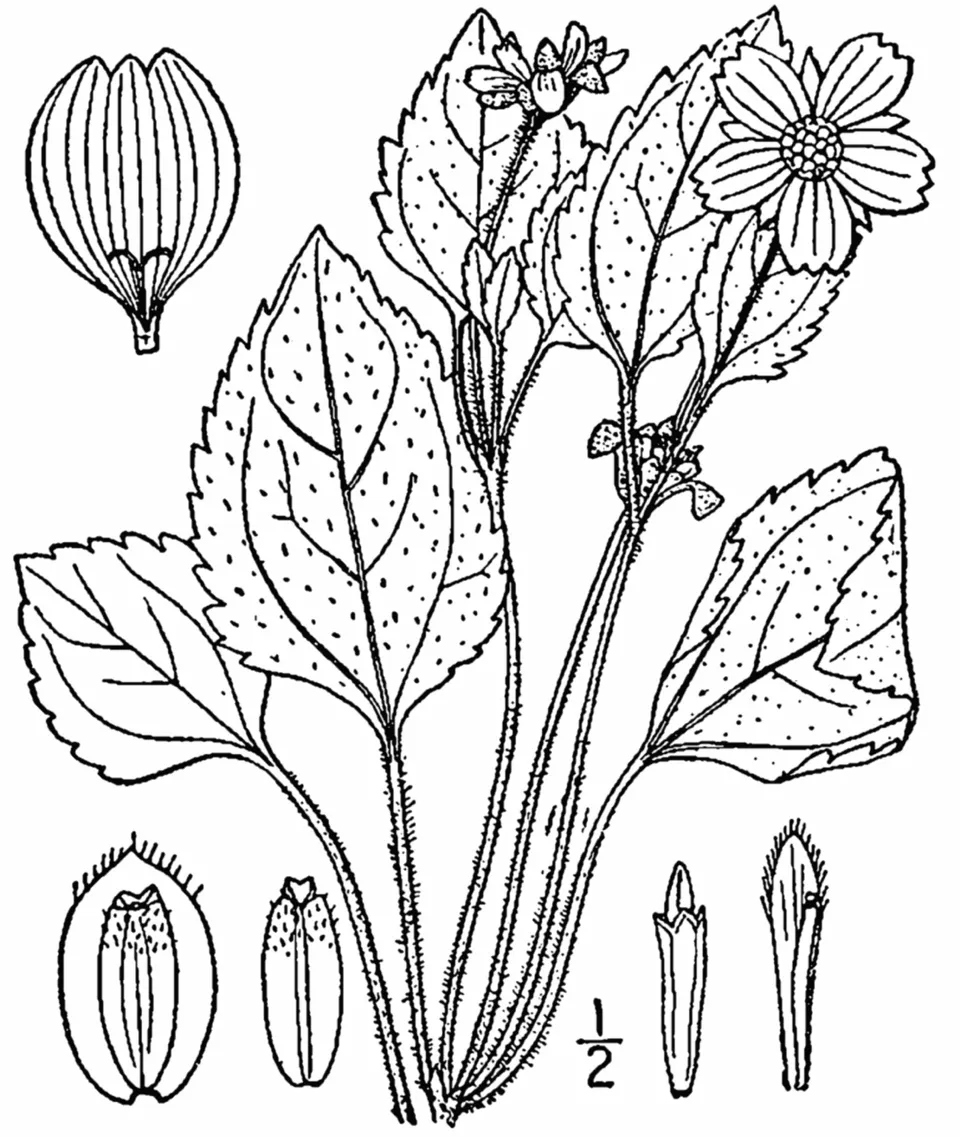
Chrysogonum virginianum, commonly known as Green and Gold or Green-and-Gold, is a delightful rhizomatous, semi-evergreen herbaceous perennial belonging to the Asteraceae family, also known as the daisy family. This low-growing plant typically forms a dense, easily controlled foliage mat, reaching a modest height of approximately 5-15 cm (2-6 inches) and spreading up to 45 cm (18 inches) or more.
Its native range extends across woodland areas of eastern North America, from Pennsylvania down to South Carolina. The species epithet 'virginianum' directly references its prevalence in the Virginian region.
The plant features alternate, simple, broadly ovate leaves that are typically a rich green color and often exhibit a somewhat hairy texture with notched margins. These leaves contribute to its appeal as a semi-evergreen groundcover, providing year-round interest in milder climates.
During its flowering season, usually in spring, Chrysogonum virginianum produces vibrant, star-like yellow flowers, characteristic of the daisy family, composed of both ray and disk florets. These blooms are not only visually striking but also serve as an important nectar and pollen source, attracting various pollinators like bees and butterflies, thereby enriching local biodiversity.
Chrysogonum virginianum thrives in well-drained, moist, acidic, and humus-rich soils, preferring dappled shade or partial shade conditions typical of its woodland origins. While it can tolerate full sun, consistent soil moisture is crucial in such exposures to prevent stress.
Its moderate to rapid growth rate makes it an effective groundcover for shaded borders, woodland gardens, or naturalized areas. The plant's adaptability and low maintenance requirements, combined with its aesthetic and ecological benefits, make it a valued addition to many garden designs.
Trusted Scientific References
1. Authoritative external sources for Chrysogonum Virginianum
1.1 Wikipedia — Chrysogonum Virginianum
1.2 Kew POWO (Plants of the World Online)
1.3 PubMed — peer-reviewed research
1.4 NCBI Taxonomy Browser
1.5 GBIF — Global Biodiversity
1.1.Chrysogonum Virginianum — Highlights
- ✓Semi — evergreen foliage providing year-round interest.
- ✓Bright yellow, star — like daisy flowers blooming in spring.
- ✓Low — growing, rhizomatous perennial forming an attractive groundcover.
- ✓Native to eastern North American woodlands, well — adapted to shade.
- ✓Attracts pollinators like — Attracts pollinators like bees and butterflies, enhancing garden biodiversity.
- ✓Contains beneficial phytochemicals — Contains beneficial phytochemicals such as flavonoids and tannins.
- ✓Traditionally used for anti — inflammatory, antioxidant, and digestive support.
- ✓Relatively low maintenance — Relatively low maintenance and deer resistant.
- ✓Moderate to rapid — Moderate to rapid growth rate for effective spreading.
- ✓Tolerant of various — Tolerant of various soil types if drainage and moisture are adequate.
1.2.Chrysogonum Virginianum — At-a-Glance Summary
- ✓Chrysogonum virginianum, Green and Gold, is a native North American semi-evergreen perennial.
- ✓Valued for its bright yellow, daisy-like flowers and mat-forming habit as a groundcover.
- ✓Traditionally recognized for potential anti-inflammatory, antioxidant, digestive, and respiratory benefits.
- ✓Rich in flavonoids, tannins, and essential oils, contributing to its purported medicinal properties.
- ✓Thrives in partial shade, moist, well-drained, humus-rich soil, and is easy to cultivate.
- ✓Use with caution, especially during pregnancy, lactation, or when on other medications.
2.Chrysogonum Virginianum — Botanical Identity
3.Chrysogonum Virginianum — Vital Statistics
4.Chrysogonum Virginianum — Botanical Features
5.Chrysogonum Virginianum — Ecological Habitat
6.Chrysogonum Virginianum — Folk Medicine Applications
7.Chrysogonum Virginianum — Phytochemistry
- ✓Flavonoids — Key compounds include quercetin, kaempferol, and their glycosides, known for potent antioxidant, anti-inflammatory, and vasodilatory actions.
- ✓Essential Oils — Composed of various volatile terpenes and terpenoids, contributing to the plant's aromatic profile and potentially exhibiting antimicrobial and calming effects.
- ✓Tannins — Primarily gallotannins and condensed tannins, responsible for astringent properties, supporting wound healing, and acting as antioxidants.
- ✓Phenolic Acids — Such as caffeic acid and chlorogenic acid, which contribute significantly to the plant's overall antioxidant capacity and anti-inflammatory potential.
- ✓Saponins — Glycosides that may possess adaptogenic, anti-inflammatory, and cholesterol-lowering properties, though their specific role in this plant requires further study.
- ✓Triterpenoids — Including compounds like ursolic acid, recognized for their anti-inflammatory, hepatoprotective, and potential anticancer activities.
- ✓Coumarins — A class of phytochemicals that can have anticoagulant, antimicrobial, and anti-inflammatory effects, though typically in lower concentrations.
- ✓Carotenoids — Pigments like lutein and beta-carotene, found in the yellow flowers, acting as antioxidants and precursors to Vitamin A, supporting vision and immune function.
- ✓Phytosterols — Plant sterols such as beta-sitosterol, known for their cholesterol-lowering potential and anti-inflammatory effects.
- ✓Polysaccharides — Complex carbohydrates that can contribute to immune modulation and exhibit prebiotic effects, supporting gut health.
8.Chrysogonum Virginianum — Evidence-Based Benefits
- ✓Anti-inflammatory Support — Traditionally recognized for its potential to soothe inflammatory responses, possibly due to the presence of flavonoids and other phenolic compounds that modulate inflammatory pathways.
- ✓Antioxidant Protection — Contains antioxidant compounds, such as flavonoids and tannins, which help neutralize free radicals and protect cells from oxidative damage, contributing to overall cellular health.
- ✓Digestive Comfort — Historically employed in folk medicine to alleviate symptoms associated with digestive disorders, potentially by reducing gut inflammation and supporting healthy mucosal linings.
- ✓Respiratory Relief — Used in traditional practices to address respiratory ailments, possibly offering mucolytic or bronchodilatory effects that help clear airways and ease breathing.
- ✓Skin Health Enhancement — Extracts from the leaves and flowers are traditionally thought to contribute to improved skin health, potentially through their antioxidant and anti-inflammatory actions that support skin regeneration and reduce irritation.
- ✓Wound Healing — The presence of tannins may contribute to mild astringent properties, traditionally supporting the healing of minor cuts and abrasions by promoting tissue contraction.
- ✓Immune System Modulation — While not extensively studied, the plant's rich profile of bioactive compounds may offer a mild modulatory effect on the immune system, supporting general wellness.
- ✓Astringent Properties — Tannins present in the plant provide natural astringency, which can be beneficial in toning tissues and reducing minor bleeding when applied topically.
- ✓Microbial Balance — Certain compounds within the plant may exhibit mild antimicrobial properties, contributing to the body’s natural defense against various pathogens.
- ✓Cardiovascular Well-being — Preliminary insights suggest that antioxidant activity could indirectly support cardiovascular health by protecting blood vessels from oxidative stress.
8.1.Chrysogonum Virginianum — Indications & Uses
9.Chrysogonum Virginianum — Cautions & Contraindications
9.1.Chrysogonum Virginianum — Caution Notes
- ✓Allergic Reactions — Individuals sensitive to plants in the Asteraceae family may experience skin irritation, rash, or respiratory symptoms.
- ✓Gastrointestinal Upset — High doses or sensitive individuals may experience mild nausea, stomach discomfort, or diarrhea.
- ✓Drug Interactions — Potential for interaction with anticoagulant medications due to coumarin content, or with other drugs due to metabolic pathways.
- ✓Pregnancy and Lactation — Insufficient safety data; generally advised against use during pregnancy and breastfeeding without professional medical advice.
- ✓Children — Lack of specific pediatric safety studies; use with caution and under strict medical supervision.
- ✓Photosensitivity — While rare, some plant compounds can increase skin sensitivity to sunlight in susceptible individuals.
- ✓Over-consumption Issues — Excessive internal use may lead to unknown adverse effects due to concentration of active compounds.
9.2.Chrysogonum Virginianum — Safety Profile
- ✓Professional Consultation — Always consult a qualified healthcare practitioner or medical herbalist before using Chrysogonum virginianum, especially if you have underlying health conditions.
- ✓Allergic Sensitivity — Individuals with known allergies to the Asteraceae family (e.g., ragweed, daisies) should exercise caution and perform a patch test.
- ✓Pregnancy and Breastfeeding — Avoid use during pregnancy and lactation due to insufficient safety data and potential unknown effects on the fetus or infant.
- ✓Pediatric Use — Not recommended for infants or young children without specific guidance from a pediatric herbalist or physician.
- ✓Medication Interactions — Exercise caution if taking prescription medications, particularly blood thinners, immunosuppressants, or drugs metabolized by the liver.
- ✓Dosage Adherence — Adhere strictly to recommended dosages; excessive intake does not equate to increased benefits and may heighten risk of adverse effects.
- ✓Quality Sourcing — Ensure the plant material is sourced from reputable suppliers to guarantee purity and absence of contaminants like pesticides or heavy metals.
10.Chrysogonum Virginianum — Preparations & Uses
- ✓Herbal Infusion (Tea) — Steep 1-2 teaspoons of dried leaves and flowers in hot water for 10-15 minutes; used traditionally for digestive or respiratory support.
- ✓Tincture Preparation — Macerate fresh or dried plant material in high-proof alcohol for several weeks, then strain; used for concentrated internal application under professional guidance.
- ✓Poultice Application — Crush fresh leaves and flowers to form a paste, apply directly to the skin for minor irritations, bruises, or as traditional wound support.
- ✓Topical Compress — Brew a strong infusion, allow to cool, then soak a clean cloth and apply to affected skin areas for soothing inflammation or promoting skin health.
- ✓Herbal Oil Infusion — Infuse dried Chrysogonum virginianum in a carrier oil (e.g., olive, almond) over low heat for several hours or weeks; excellent for massage or skin applications.
- ✓Glycerite (Alcohol-Free Extract) — Macerate plant material in vegetable glycerin for a non-alcoholic extract, suitable for internal use, especially for children or those avoiding alcohol.
- ✓Salve or Balm — Combine herbal-infused oil with beeswax to create a topical salve for skin conditions, minor cuts, or localized inflammation.
- ✓Bath Additive — Add a strong infusion or a bag of dried plant material to bathwater for a soothing and aromatic experience, particularly for skin discomfort.
11.Chrysogonum Virginianum — How to Grow
- ✓Soil Preference — Thrives in well-drained, humus-rich, and slightly acidic to neutral soil (pH 6.0-7.0) enriched with organic matter.
- ✓Light Requirements — Prefers partial to full shade; can tolerate full sun in consistently moist conditions, but prolonged direct sun may scorch foliage.
- ✓Watering — Requires moderate, consistent moisture; ensure soil remains damp but never waterlogged, especially during dry spells.
- ✓Fertilization — Apply a balanced, slow-release granular fertilizer or organic compost in early spring to support robust growth and abundant flowering.
- ✓Pruning — Deadhead spent flowers regularly to encourage continuous blooming and maintain a tidy appearance; prune back leggy growth to promote bushiness.
- ✓Propagation — Easily propagated by division of rhizomes in spring or fall, or grown from seeds which may self-seed in favorable conditions.
- ✓Pest and Disease Management — Generally low susceptibility to pests; occasional mildew can occur but is rarely serious; ensure good air circulation to prevent fungal issues.
- ✓Groundcover Use — Ideal as an evergreen groundcover in woodland gardens, shaded borders, or rock gardens due to its spreading habit.
Reviewed by the Flora Medical Global Botanical Review Panel
Multi-disciplinary editorial group · Botany · Ethnobotany · Herbal-medicine literature
Who reviewed this: This page was checked by the Flora Medical Global Botanical Review Panel — an in-house editorial group of botany graduates, ethnobotany researchers, and horticulture practitioners who collectively maintain our 7,000+ plant encyclopedia. Meet the team.
Our 4-step verification process
1. Taxonomic verification
Scientific names and synonyms cross-checked against Kew POWO, World Flora Online, and The Plant List.
2. Phytochemical & medicinal cross-reference
Active compounds, traditional uses, and reported activities are cross-referenced with PubMed, USDA Dr. Duke's database, and peer-reviewed ethnobotanical literature.
3. Conservation & distribution check
Distribution, ecology, and conservation status confirmed against GBIF occurrence records and the IUCN Red List.
4. Editorial & safety review
Every entry passes an editorial pass for clarity, originality, and safety notices (toxicity, contraindications, dosage caveats) before publication.
Last reviewed:
Important medical disclaimer: This content is for educational and research purposes only. It is not medical advice and is not a substitute for consultation with a licensed healthcare provider. Do not use any herb to self-treat a medical condition without professional guidance.
Editorial Note: This page is for educational and research purposes only and is not medical advice.
Written by: Flora Medical Global Editorial Team
Reviewed by: Flora Medical Global Botanical Review Panel
Last Updated: June 15, 2026





Chrysogonum Virginianum — Comments & Community Reviews
Rate this plant