
Medical Disclaimer: This content is for educational purposes only. It is not medical advice. Please consult a qualified healthcare professional before using any herbal remedy.
Safety Overview
1.Chrysosplenium Alternifolium — Plant Snapshot
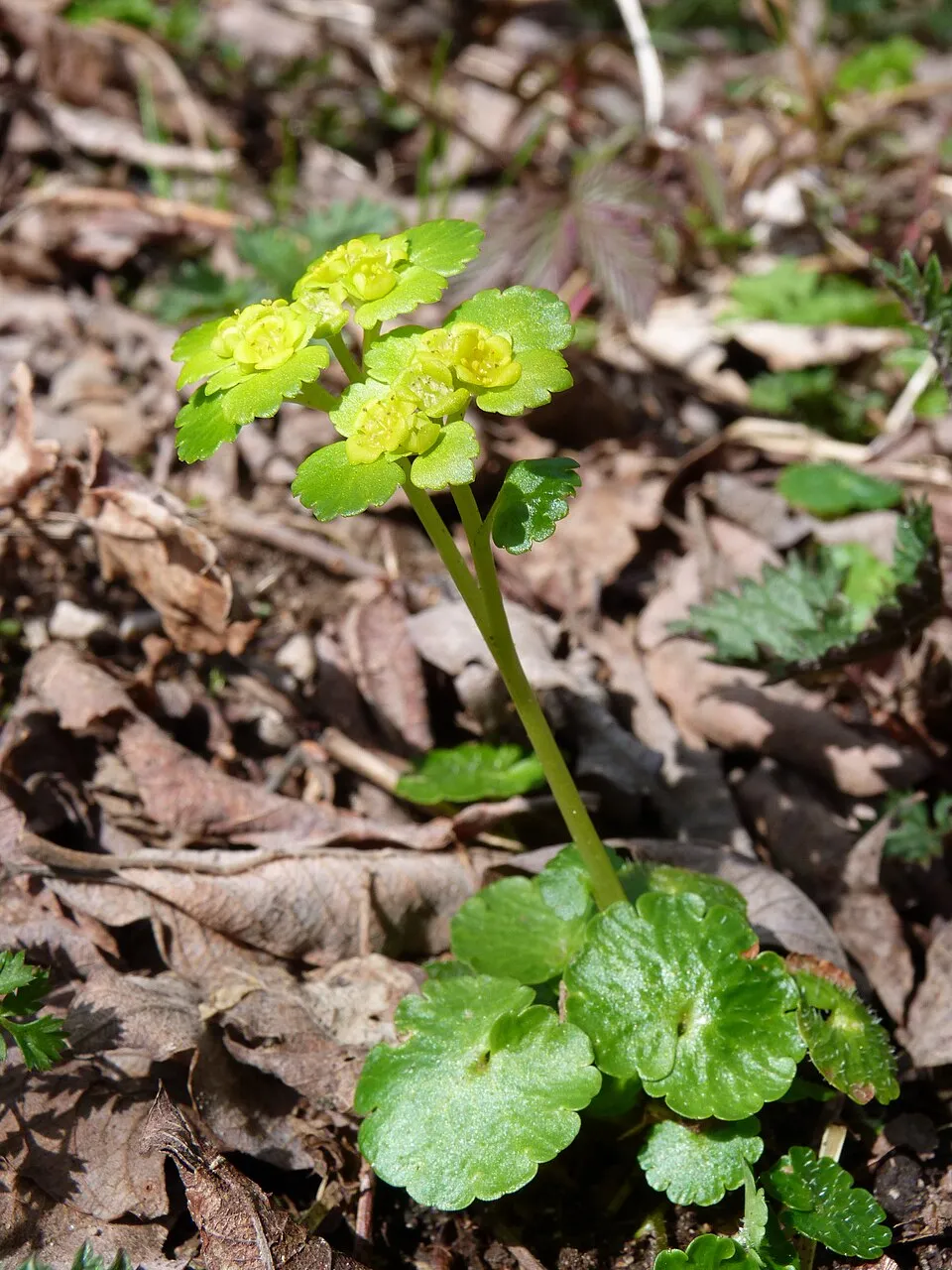
Chrysosplenium alternifolium, commonly known as Golden Saxifrage, Alternate-leaf golden saxifrage, or Iowa golden saxifrage, is a charming herbaceous perennial belonging to the Saxifragaceae family. This low-growing plant typically reaches a modest height of up to 0.3 meters and spreads to about 0.5 meters, forming dense, creeping mats.
Its distinctive foliage features alternate leaves, which are often small, somewhat reniform to ovate, and possess a vibrant green hue. These leaves are noted for a distinct bitterness, particularly when the plant is exposed to warmer conditions.
The floral display of Chrysosplenium alternifolium occurs from late spring to early summer, typically between April and July. It produces small, inconspicuous, yet intricate yellow-green flowers, often surrounded by brightly colored bracts that resemble petals, hence the "golden" in its common name.
These flowers are hermaphroditic, containing both male and female organs, and are primarily pollinated by generalist insects such as beetles and flies, contributing to the plant's self-fertility. The plant anchors itself with a fibrous root system that thrives in consistently moist to wet conditions.
Native to a wide range across Europe, extending from Scandinavia south to Central France, and eastward into Central Asia and the Himalayas, Chrysosplenium alternifolium is well-adapted to specific ecological niches. It predominantly colonizes acidic soils found along stream banks, on wet rocks, and within the damp, shaded understories of woodlands.
Its preference for semi-shade to full shade and consistently saturated ground makes it a characteristic species of bog gardens, damp woodlands, and riparian zones. This species is hardy in USDA zones 4-8, indicating its resilience to temperate climates.
Trusted Scientific References
1. Authoritative external sources for Chrysosplenium Alternifolium
1.1 Wikipedia — Chrysosplenium Alternifolium
1.2 Kew POWO (Plants of the World Online)
1.3 PubMed — peer-reviewed research
1.4 NCBI Taxonomy Browser
1.5 GBIF — Global Biodiversity
1.1.Chrysosplenium Alternifolium — Defining Traits
- ✓Alternate — leaf Golden Saxifrage (Chrysosplenium alternifolium).
- ✓Low — growing, creeping herbaceous perennial.
- ✓Prefers consistently moist — Prefers consistently moist to wet, acidic soils.
- ✓Thrives in semi — shade to full shade environments.
- ✓Produces small, yellow — green flowers from April to July.
- ✓Edible leaves, notable — Edible leaves, notable for their distinct bitter taste.
- ✓Excellent choice for — Excellent choice for ground cover in damp, shaded areas.
- ✓Supports local pollinators — Supports local pollinators like beetles and flies.
- ✓Hardy in temperate climates (USDA zones 4 — 8).
- ✓Self — fertile and easily propagated by seed or division.
1.2.Chrysosplenium Alternifolium — Concise Overview
- ✓Chrysosplenium alternifolium, or Golden Saxifrage, is a low-growing perennial.
- ✓Member of the Saxifragaceae family, native to Europe and Asia.
- ✓Thrives in moist, shaded environments, ideal for bog gardens and ground cover.
- ✓Leaves are edible, but possess a distinct bitter flavor, especially in warm conditions.
- ✓No known medicinal uses or hazards are widely documented, primarily valued ecologically.
- ✓Propagated by seed or division, hardy in USDA zones 4-8.
2.Chrysosplenium Alternifolium — Taxonomic Classification
3.Chrysosplenium Alternifolium — Reference Facts
4.Chrysosplenium Alternifolium — Morphological Account
5.Chrysosplenium Alternifolium — Geographic Distribution
6.Chrysosplenium Alternifolium — Historical Applications
7.Chrysosplenium Alternifolium — Secondary Metabolites
- ✓Specific detailed phytochemical analysis for Chrysosplenium alternifolium is not extensively documented. However, based on its classification within Saxifragaceae and its edible nature, the plant is expected to contain a range of common plant secondary metabolites and primary nutrients.
- ✓Flavonoids — Expected to contain various flavonoids such as quercetin and kaempferol derivatives, which are known for their antioxidant and anti-inflammatory activities.
- ✓Phenolic Acids — Likely includes caffeic acid, chlorogenic acid, and ferulic acid, contributing to the plant's antioxidant capacity and potentially influencing its taste profile.
- ✓Tannins — The distinct bitterness noted in the leaves suggests the presence of tannins, which are polyphenolic compounds known for their astringent properties.
- ✓Vitamins — As an edible green plant, it is likely to contain essential vitamins such as Vitamin C (ascorbic acid), Vitamin K, and B-complex vitamins, vital for human health.
- ✓Minerals — Expected to provide dietary minerals like calcium, iron, magnesium, and potassium, which are crucial for various physiological processes.
- ✓Carotenoids — Pigments such as beta-carotene are likely present, contributing to the green color and acting as precursors to Vitamin A, besides their antioxidant roles.
- ✓Saponins — Some members of the Saxifragaceae family contain saponins, which can have diverse biological activities and might contribute to the plant's defense mechanisms.
- ✓Chlorophylls — The primary photosynthetic pigment, chlorophyll a and b, is abundant in the green leaves, essential for plant energy production and a source of magnesium.
- ✓Organic Acids — Various organic acids are part of plant metabolism, potentially contributing to the plant's flavor and nutritional profile.
- ✓Polysaccharides — Structural carbohydrates and some soluble fibers would be present, supporting plant structure and potentially offering dietary fiber benefits.
- ✓Glycosides — A broad class of compounds where a sugar molecule is attached to a non-sugar component, potentially influencing taste or bioactivity.
- ✓Phytosterols — Plant sterols that resemble cholesterol in structure, which can have roles in plant cell membranes and potential health benefits upon consumption.
8.Chrysosplenium Alternifolium — Modern Studies
- ✓Given the current scientific understanding and traditional records, Chrysosplenium alternifolium has no widely documented specific medicinal benefits. The plant is primarily recognized for its ecological and edible (culinary) value. However, based on general plant biochemistry and the presence of various plant compounds, hypothesized or potential general wellness support areas could include:
- ✓Nutritional Support — As an edible plant, Chrysosplenium alternifolium leaves may offer a source of vitamins and minerals crucial for general bodily functions, contributing to overall dietary health.
- ✓Antioxidant Activity — Like many green plants, it is hypothesized to contain antioxidant compounds such as flavonoids and phenolic acids, which may help combat oxidative stress in the body.
- ✓Anti-inflammatory Potential — Certain plant compounds commonly found in edible greens could possess mild anti-inflammatory properties, potentially aiding in the body's natural inflammatory response.
- ✓Digestive Aid — The consumption of its leaves, even with their bitterness, might stimulate digestive enzymes and bile production, potentially supporting healthy digestion when consumed in small culinary amounts.
- ✓Diuretic Properties — Plants thriving in wet habitats sometimes exhibit mild diuretic effects, which could theoretically assist in fluid balance, although this is not specifically studied for this species.
- ✓Cellular Protection — The hypothetical presence of phytochemicals may contribute to protecting cellular integrity against environmental stressors.
- ✓Immune System Modulation — General nutritional intake from plants can support immune function, and the constituents of Golden Saxifrage may contribute to this broad effect.
- ✓Topical Soothing — Historically, many herbaceous plants have been used topically for minor skin irritations; Chrysosplenium alternifolium could hypothetically offer mild soothing properties if applied as a poultice.
- ✓Vascular Health Support — Flavonoids and other phenolic compounds, if present, are often associated with supporting the integrity and function of the cardiovascular system.
- ✓Detoxification Support — Plants often contain compounds that support the body's natural detoxification pathways, a general role that Golden Saxifrage might share.
- ✓Gut Microbiome Balance — Dietary fiber and plant compounds can influence gut microbiota, potentially contributing to a healthy digestive ecosystem.
- ✓General Vitality Enhancement — Integrating diverse edible plants into the diet can contribute to overall well-being and vitality, a general benefit that Chrysosplenium alternifolium could provide as a food source.
8.1.Chrysosplenium Alternifolium — Conditions Traditionally Used For
9.Chrysosplenium Alternifolium — Adverse Effects
9.1.Chrysosplenium Alternifolium — Warnings
- ✓Digestive Upset — Consumption of large quantities, particularly of the bitter leaves, may lead to mild gastrointestinal discomfort or upset in sensitive individuals.
- ✓Allergic Reactions — As with any plant, there is a remote possibility of allergic reactions, manifesting as skin irritation upon contact or internal symptoms if ingested.
- ✓Taste Aversion — The distinct bitterness of the leaves, especially when mature or grown in warm conditions, may be unpalatable to some individuals.
- ✓Medication Interactions — Although no specific interactions are known due to the lack of medicinal use, general caution is advised when consuming any plant alongside medications.
- ✓Overconsumption Issues — While generally considered safe in culinary amounts, the effects of excessive consumption of Chrysosplenium alternifolium are not documented and should be avoided.
- ✓Photosensitivity — (Highly unlikely for this plant, but a general plant caution) Some plant compounds can increase sensitivity to sunlight, though not reported for Golden Saxifrage.
- ✓Contamination Risk — Wild-harvested plants always carry a risk of contamination from environmental pollutants, pesticides, or misidentification with other species.
9.2.Chrysosplenium Alternifolium — Clinical Safety Notes
- ✓General Consumption — Chrysosplenium alternifolium is generally considered safe for culinary consumption of its leaves in small, moderate quantities.
- ✓Pregnancy and Lactation — Due to a lack of specific research, it is advisable for pregnant or breastfeeding individuals to avoid consumption or consult a healthcare professional.
- ✓Children — Insufficient data exists regarding its safety for young children; caution and professional advice are recommended.
- ✓Pre-existing Conditions — Individuals with chronic health conditions or those on medication should consult a healthcare provider before incorporating it into their diet.
- ✓Allergic Sensitivities — Discontinue use immediately if any signs of allergic reaction, such as rash, itching, or digestive distress, occur.
- ✓Proper Identification — Always ensure positive identification of Chrysosplenium alternifolium before consumption, as misidentification could lead to adverse effects from other plants.
- ✓Dosage Adherence — Stick to small, culinary-appropriate amounts; avoid consuming large quantities due to potential bitterness and unknown effects of high doses.
10.Chrysosplenium Alternifolium — Application Forms
- ✓Culinary Use — The fresh leaves of Chrysosplenium alternifolium can be consumed raw, often added in small quantities to salads, though a distinct bitterness is noted, especially in hot weather.
- ✓Ground Cover — Utilized horticulturally as an effective ground cover plant in shaded, moist garden areas, contributing to soil stabilization and aesthetic appeal.
- ✓Bog Garden Specimen — An ideal plant for bog gardens or wetland edges due to its natural preference for consistently wet soil conditions.
- ✓Wildlife Attraction — The flowers provide a valuable nectar source for local pollinators, including various beetles and flies, supporting local biodiversity.
- ✓Herbal Infusion (Hypothetical) — While not traditionally used medicinally, a mild infusion of the leaves could hypothetically be prepared for general well-being, though the bitter taste might be a deterrent.
- ✓Topical Application (Exploratory) — In some general ethnobotanical practices, similar herbaceous plants are used as a simple poultice for minor skin irritations; this could be an area for experimental topical use, though not validated.
- ✓Soil Improvement — Its root system and leaf litter can contribute to organic matter in the soil, potentially improving soil structure and fertility in its preferred damp habitats.
- ✓Microgreen Cultivation (Novel) — Given its edible leaves, exploring its potential as a microgreen in controlled environments could offer a less bitter, tender culinary option.
11.Chrysosplenium Alternifolium — Growing Guide
- ✓Soil Preference — Thrives in acid soils, but is adaptable to mildly acid, neutral, and mildly alkaline (basic) soils, with a strong preference for constantly moist to wet conditions.
- ✓Light Requirements — Prefers semi-shade (light woodland) or full shade; direct sun can be detrimental, especially in warmer climates, leading to increased bitterness in leaves.
- ✓Watering — Requires consistently wet or very moist soil; suitable for bog gardens or riparian zones where water is plentiful and drainage is adequate.
- ✓Hardiness — Hardy in USDA zones 4-8 and UK zone 4, tolerating cold temperatures well.
- ✓Propagation by Seed — Sow seeds in spring or autumn in a lightly shaded cold frame, keeping the pot in 2 cm of water; prick out seedlings into individual pots and grow in water trays for the first winter before planting out.
- ✓Propagation by Division — Easily propagated by division in spring; larger clumps can be directly replanted, while smaller clumps benefit from potting up and growing on in light shade until well-rooted before transplanting.
- ✓Growth Habit — Its creeping nature makes it an excellent ground cover, particularly for damp, shaded areas, establishing a dense mat over time.
- ✓Maintenance — Generally low maintenance once established, requiring consistent moisture and protection from intense sun.
Reviewed by the Flora Medical Global Botanical Review Panel
Multi-disciplinary editorial group · Botany · Ethnobotany · Herbal-medicine literature
Who reviewed this: This page was checked by the Flora Medical Global Botanical Review Panel — an in-house editorial group of botany graduates, ethnobotany researchers, and horticulture practitioners who collectively maintain our 7,000+ plant encyclopedia. Meet the team.
Our 4-step verification process
1. Taxonomic verification
Scientific names and synonyms cross-checked against Kew POWO, World Flora Online, and The Plant List.
2. Phytochemical & medicinal cross-reference
Active compounds, traditional uses, and reported activities are cross-referenced with PubMed, USDA Dr. Duke's database, and peer-reviewed ethnobotanical literature.
3. Conservation & distribution check
Distribution, ecology, and conservation status confirmed against GBIF occurrence records and the IUCN Red List.
4. Editorial & safety review
Every entry passes an editorial pass for clarity, originality, and safety notices (toxicity, contraindications, dosage caveats) before publication.
Last reviewed:
Important medical disclaimer: This content is for educational and research purposes only. It is not medical advice and is not a substitute for consultation with a licensed healthcare provider. Do not use any herb to self-treat a medical condition without professional guidance.
Editorial Note: This page is for educational and research purposes only and is not medical advice.
Written by: Flora Medical Global Editorial Team
Reviewed by: Flora Medical Global Botanical Review Panel
Last Updated: June 15, 2026





Chrysosplenium Alternifolium — Comments & Community Reviews
Rate this plant