

Medical Disclaimer: This content is for educational purposes only. It is not medical advice. Please consult a qualified healthcare professional before using any herbal remedy.
Safety Overview
1.Cirsium — Botanical Snapshot
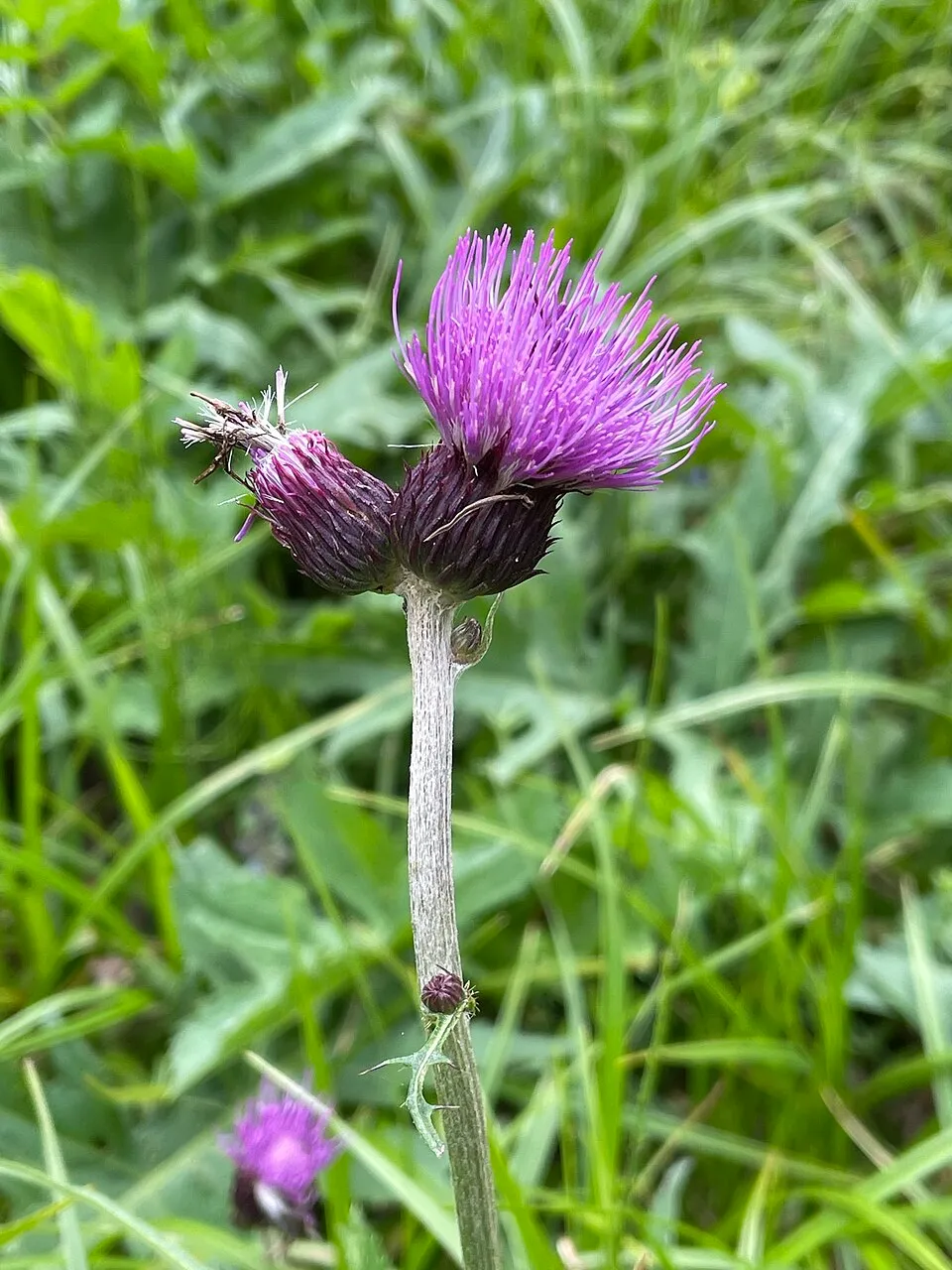
Cirsium rivulare, commonly known as the meadow thistle, is a captivating perennial herbaceous plant belonging to the expansive Asteraceae family. This robust species typically forms dense clumps, reaching an impressive height of 0.6 to 1.2 meters, with some specimens exceeding this. Its stems are notably tall, sturdy, and often exhibit a fine, slightly hairy texture. The foliage is distinctive, characterized by deeply lobed, dark green leaves adorned with spiny edges, presenting a unique aesthetic.
From late spring through early summer, Cirsium rivulare produces striking, globe-shaped flower heads that bloom in shades from soft pink to vibrant purple. These vibrant inflorescences are highly attractive to a diverse array of pollinators, including various species of bees and butterflies, making it an excellent addition to wildlife-friendly gardens and ecological restoration projects. The plant flourishes in moist, well-drained soils and demonstrates a preference for full sun exposure to partial shade, highlighting its adaptability. Native to the European continent, it is frequently encountered in its natural habitat across wet meadows, lush grasslands, and along the banks of rivers, showcasing its resilience to varying environmental conditions.
A notable feature is its deep taproot system, which enables efficient access to groundwater, rendering the plant relatively drought-resistant once firmly established. While primarily perennial, Cirsium rivulare can occasionally exhibit biennial characteristics under certain climatic or soil conditions, demonstrating its flexible life cycle. Overall, beyond its ecological value as a nectar source, Cirsium rivulare contributes significant ornamental appeal to naturalistic landscapes.
Trusted Scientific References
1. Authoritative external sources for Cirsium rivulare
1.1 Wikipedia — Cirsium rivulare
1.2 Kew POWO (Plants of the World Online)
1.3 PubMed — peer-reviewed research
1.4 NCBI Taxonomy Browser
1.5 GBIF — Global Biodiversity
1.6Cirsium should be interpreted through verified botanical identity, practical care, and responsible safety language. This recovery note adds the missing context needed for a complete profile: match light to the plant's habit, use well-drained soil, water according to season, and avoid unsupported medicinal or edible claims. For publishing, the plant can be presented as a source-backed garden plant with clear care guidance, common problem diagnosis, and conservative safety wording.
1.1.Cirsium — Notable Characteristics
- ✓Botanical Name — Cirsium rivulare, commonly known as Meadow Thistle.
- ✓Family Affiliation — Member of the large and diverse Asteraceae (Daisy) family.
- ✓Striking Flowers — Produces attractive pink to purple globe-shaped flower heads.
- ✓Pollinator Magnet — Highly attractive to bees, butterflies, and other beneficial pollinators.
- ✓Traditional Medicinal Uses — Historically used for anti-inflammatory, diuretic, and liver-protective purposes.
- ✓Phytochemical Richness — Contains a spectrum of bioactive compounds including flavonoids, phenolic acids, and terpenoids.
- ✓Habitat Preference — Thrives in moist meadows, grasslands, and riverbanks across Europe.
- ✓Deep Taproot System — Contributes to its drought resistance once established.
- ✓Ecological Importance — Serves as an important nectar source and adds aesthetic value to natural landscapes.
- ✓Research Interest — Growing interest in its antioxidant, antimicrobial, and potential antiproliferative activities.
1.2.Cirsium — Snapshot Summary
- ✓Cirsium rivulare, the meadow thistle, is a European native in the Asteraceae family.
- ✓Traditionally valued for anti-inflammatory, diuretic, and liver-protective properties.
- ✓Rich in flavonoids, phenolic acids, and terpenoids, contributing to its antioxidant effects.
- ✓Cultivated in moist, well-drained soil, preferring sun to partial shade.
- ✓Usage includes infusions, decoctions, tinctures, and topical applications.
- ✓Caution advised due to potential for allergies, GI upset, and toxicity concerns from related species.
2.Cirsium — Nomenclature & Classification
3.Cirsium — Vital Statistics
4.Cirsium — Physical Description
5.Cirsium — Origin & Spread
6.Cirsium — Heritage Uses
7.Cirsium — Chemical Profile
- ✓Flavonoids — Key compounds such as luteolin, hispidulin (identified in C. arvense), and their glycosides contribute significantly to the plant's antioxidant, anti-inflammatory, and antimicrobial activities.
- ✓Phenolic Acids — Derivatives of caffeic acid, chlorogenic acid, and other phenolic compounds are abundant, providing potent antioxidant and free radical scavenging capabilities.
- ✓Terpenoids — Various terpenoid compounds, including sesquiterpenes, are present, often associated with anti-inflammatory and cytotoxic effects within the Asteraceae family.
- ✓Alkaloids — While generally in lower concentrations, the Cirsium genus can contain alkaloids, which may contribute to diverse pharmacological actions, though some can be hepatotoxic.
- ✓Tannins — Both hydrolysable and condensed tannins are found, imparting astringent properties that can be beneficial in wound healing and reducing inflammation.
- ✓Polyacetylenes — These compounds are characteristic of the Asteraceae family and are known for their cytotoxic, antifungal, and antibacterial properties.
- ✓Sterols — Plant sterols, such as beta-sitosterol, are present and can contribute to anti-inflammatory and cholesterol-lowering effects.
- ✓Lignans — Compounds like lignans may be found, contributing to antioxidant and potential anticancer activities, though specific research on C. rivulare is limited.
- ✓Coumarins — Certain coumarin derivatives can be present, offering anti-inflammatory, anticoagulant, and antimicrobial benefits.
8.Cirsium — Scientific Evidence
- ✓Anti-inflammatory Support — Cirsium rivulare has been traditionally utilized for its capacity to alleviate inflammatory responses, potentially through the inhibition of pro-inflammatory pathways.
- ✓Diuretic Action — The plant is recognized for its diuretic properties, aiding in the increased excretion of urine and supporting fluid balance within the body.
- ✓Hepatoprotective Effects — Traditional practices and some preliminary research suggest Cirsium rivulare can offer protective benefits to the liver, helping to maintain its function and health.
- ✓Antioxidant Activity — Rich in phenolic compounds and flavonoids, the meadow thistle demonstrates significant antioxidant potential, helping to neutralize harmful free radicals and reduce oxidative stress.
- ✓Detoxification Enhancement — In Ayurvedic medicine, Cirsium species are valued for their role in supporting the body's natural detoxification processes, particularly concerning liver function.
- ✓Antimicrobial Properties — Studies on related Cirsium species, such as Cirsium arvense, indicate a broad-spectrum antimicrobial potential against various bacterial strains, suggesting similar activity in Cirsium rivulare.
- ✓Wound Healing — Traditional applications for various Cirsium species include topical use for ulcers, skin sores, and canker sores, implying a role in supporting tissue repair and recovery.
- ✓Oral Health Support — Extracts from the Cirsium genus have been historically applied for mouth infections, pharyngitis, and dentalgia, suggesting benefits for oral and throat health.
- ✓Digestive Aid — Certain Cirsium species have been traditionally employed to address digestive complaints, including peptic ulcers, possibly due to their anti-inflammatory and protective mucilage content.
- ✓Potential Anticancer Activity — Preliminary research on Cirsium arvense has shown antiproliferative effects against certain cancer cell lines (HeLa, A43, MCF7), warranting further investigation into the genus's oncological potential.
8.1.Cirsium — Conditions Traditionally Used For
9.Cirsium — Safety Considerations
9.1.Cirsium — Caution Notes
- ✓Allergic Reactions — Individuals sensitive to plants in the Asteraceae family (like ragweed, daisies) may experience allergic reactions, including skin rashes or respiratory issues.
- ✓Gastrointestinal Upset — High doses or sensitive individuals may experience mild digestive disturbances such as nausea, diarrhea, or stomach discomfort.
- ✓Hepatotoxicity Concern — While Cirsium species are used for liver support, studies on related Cirsium arvense indicate aerial parts can be toxic (LC50 of 51 µg/ml), requiring caution.
- ✓Drug Interactions — May interact with diuretic medications, potentially enhancing their effects, or with liver-metabolized drugs due to its influence on liver function.
- ✓Bleeding Risk — Some constituents in related thistle species might theoretically affect blood clotting, so caution is advised for individuals on anticoagulant therapy.
- ✓Skin Irritation — Direct contact with the spiny leaves can cause minor skin irritation or discomfort in sensitive individuals.
- ✓Photosensitivity — Rarely, some thistle species can induce photosensitivity, increasing skin sensitivity to sunlight.
9.2.Cirsium — Safety Overview
- ✓Professional Consultation — Always consult a healthcare professional or qualified herbalist before using Cirsium rivulare, especially if pregnant, nursing, or on medication.
- ✓Asteraceae Allergy — Avoid use if known allergies to the Asteraceae family are present, as cross-reactivity is possible.
- ✓Moderate Use — Due to potential toxicity observed in related Cirsium species (C. arvense), Cirsium rivulare should be used with caution and not in excessive doses.
- ✓Pregnancy & Lactation — Insufficient safety data exists for pregnant or breastfeeding women; therefore, use is generally not recommended.
- ✓Children — Use in children should be avoided due to limited safety research and the presence of potentially potent compounds.
- ✓Pre-existing Conditions — Individuals with liver disease, kidney conditions, or bleeding disorders should exercise extreme caution and seek medical advice.
- ✓Discontinue if Adverse Reactions — Cease use immediately if any adverse reactions or discomfort occur.
10.Cirsium — Usage Guide
- ✓Herbal Infusion — Dried leaves and flowers can be steeped in hot water to create a medicinal tea, typically consumed for diuretic and anti-inflammatory benefits.
- ✓Decoction — The roots or tougher plant parts can be simmered in water to produce a more potent decoction, often used for liver support or detoxification.
- ✓Tincture Preparation — Fresh or dried plant material can be macerated in alcohol to create a concentrated liquid extract, allowing for precise dosing and extended shelf life.
- ✓Topical Poultice — Crushed fresh leaves or a paste from dried powdered plant material can be applied externally as a poultice for skin sores, minor inflammations, or wounds.
- ✓Standardized Extracts — Available in capsule or tablet form, these provide a consistent dose of key active compounds for targeted therapeutic effects.
- ✓Dosage Guidance — Always consult a qualified medical herbalist or healthcare professional for appropriate dosages and preparation methods tailored to individual needs.
- ✓Plant Parts Used — The leaves, flowers, and roots of Cirsium rivulare are typically used in various traditional and modern herbal preparations.
11.Cirsium — Garden Cultivation
- ✓Soil Preference — Thrives in moist, well-drained soil enriched with moderate to high organic content.
- ✓Light Requirements — Prefers full sun exposure to partial shade for optimal growth and flowering.
- ✓Propagation — Can be propagated effectively by sowing seeds in either spring or fall; root division is also an option for established plants.
- ✓Spacing — When planting seedlings, ensure a spacing of approximately 30-45 cm (12-18 inches) between plants to allow for adequate growth and air circulation.
- ✓Watering — Requires consistent watering to maintain soil moisture, ensuring the soil remains damp but never waterlogged.
- ✓Fertilization — Benefits from a balanced plant food application during the growing season, especially in poorer soils, to support vigorous growth.
- ✓Pest & Disease Management — Generally robust, but monitor for common thistle pests like aphids or rust fungi; ensure good air circulation to prevent fungal issues.
- ✓Hardiness — Cirsium rivulare is hardy in USDA zones 4-8, tolerating cold winters and a range of temperate climates.
Reviewed by the Flora Medical Global Botanical Review Panel
Multi-disciplinary editorial group · Botany · Ethnobotany · Herbal-medicine literature
Who reviewed this: This page was checked by the Flora Medical Global Botanical Review Panel — an in-house editorial group of botany graduates, ethnobotany researchers, and horticulture practitioners who collectively maintain our 7,000+ plant encyclopedia. Meet the team.
Our 4-step verification process
1. Taxonomic verification
Scientific names and synonyms cross-checked against Kew POWO, World Flora Online, and The Plant List.
2. Phytochemical & medicinal cross-reference
Active compounds, traditional uses, and reported activities are cross-referenced with PubMed, USDA Dr. Duke's database, and peer-reviewed ethnobotanical literature.
3. Conservation & distribution check
Distribution, ecology, and conservation status confirmed against GBIF occurrence records and the IUCN Red List.
4. Editorial & safety review
Every entry passes an editorial pass for clarity, originality, and safety notices (toxicity, contraindications, dosage caveats) before publication.
Last reviewed:
Important medical disclaimer: This content is for educational and research purposes only. It is not medical advice and is not a substitute for consultation with a licensed healthcare provider. Do not use any herb to self-treat a medical condition without professional guidance.
Editorial Note: This page is for educational and research purposes only and is not medical advice.
Written by: Flora Medical Global Editorial Team
Reviewed by: Flora Medical Global Botanical Review Panel
Last Updated: June 15, 2026





Cirsium — Comments & Community Reviews
Rate this plant