


Medical Disclaimer: This content is for educational purposes only. It is not medical advice. Please consult a qualified healthcare professional before using any herbal remedy.
Safety Overview
1.Cissus Discolor — At a Glance
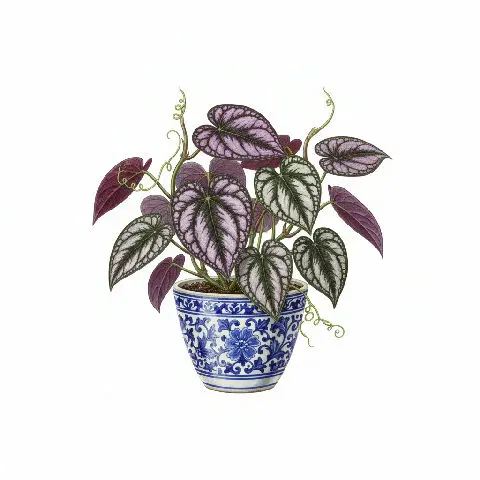
Cissus discolor, commonly known as the Rex Begonia Vine or Tapestry Vine, is a captivating tropical perennial vine belonging to the Vitaceae family, which notably includes grapes. Native to the warm, humid understory of rainforests across Southeast Asia, its natural distribution spans tropical India, Nepal, Bangladesh, mainland Southeast Asia, Malaysia, Indonesia, Java, the Lesser Sunda Islands, the Philippines, and south-central China, typically found at elevations between 600 and 2000 meters. This slender evergreen climber utilizes tendrils to ramble and ascend through its environment.
Its primary allure, particularly in horticulture, stems from its extraordinarily ornate foliage. The leaves are typically ovate to cordate, presenting a mesmerizing palette on their upper surface with deep metallic green, shimmering silver, and striking purplish-red hues, often displaying a velvety, iridescent sheen. The undersides are equally dramatic, featuring a rich burgundy or deep red color, which contributes to its 'Tapestry Vine' moniker.
While its flowers are small and inconspicuous, usually greenish-yellow, they are overshadowed by the plant's spectacular leaf display. Historically, indigenous communities in its native range have recognized various Cissus species for their traditional medicinal properties, and Cissus discolor's young leaves are traditionally consumed as a sour-tasting vegetable. Modern scientific inquiry into the Cissus genus frequently investigates potential anti-inflammatory, antioxidant, and bone-health benefits, though specific, extensive research on Cissus discolor itself is more limited, focusing primarily on its unique phytochemistry.
Trusted Scientific References
1. Authoritative external sources for Cissus discolor
1.1 Wikipedia — Cissus discolor
1.2 Kew POWO (Plants of the World Online)
1.3 PubMed — peer-reviewed research
1.4 NCBI Taxonomy Browser
1.5 GBIF — Global Biodiversity
1.6Cissus Discolor should be interpreted through verified botanical identity, practical care, and responsible safety language. This recovery note adds the missing context needed for a complete profile: match light to the plant's habit, use well-drained soil, water according to season, and avoid unsupported medicinal or edible claims. For publishing, the plant can be presented as a source-backed indoor plant with clear care guidance, common problem diagnosis, and conservative safety wording.
1.1.Cissus Discolor — Distinguishing Points
- ✓Botanical Name — Cissus discolor Blume.
- ✓Common Names — Rex Begonia Vine, Tapestry Vine, Cissus javana.
- ✓Family — Vitaceae (Grape Family).
- ✓Native Range — Tropical Southeast Asia, including India, China, Malaysia.
- ✓Distinctive Foliage — Highly ornamental, variegated leaves with metallic sheen and deep red undersides.
- ✓Growth Habit — Slender, evergreen climbing vine with prominent tendrils.
- ✓Edible Leaves — Young leaves are traditionally consumed for their sour taste.
- ✓Phytochemical Profile — Rich in flavonoids, stilbenoids, triterpenoids, and phenolic acids.
- ✓Horticultural Value — Popular indoor plant due to its striking aesthetic appeal.
- ✓Habitat Preference — Thrives in high humidity and indirect light conditions.
1.2.Cissus Discolor — In Brief
- ✓Cissus discolor is an ornamental tropical vine known as Rex Begonia Vine.
- ✓Features stunning, variegated leaves with metallic green, silver, and purplish-red hues.
- ✓Native to Southeast Asian rainforests, thriving in warm, humid conditions.
- ✓Young leaves are traditionally consumed as a sour-tasting vegetable.
- ✓Contains potential bioactive compounds like flavonoids and triterpenoids.
- ✓Specific medicinal research for C. discolor is limited compared to other Cissus species.
2.Cissus Discolor — Scientific Identity
3.Cissus Discolor — Vital Statistics
4.Cissus Discolor — Botanical Features
5.Cissus Discolor — Origin & Spread
6.Cissus Discolor — Traditional Uses
7.Cissus Discolor — Key Phytochemicals
- ✓Flavonoids — Includes compounds like quercetin, kaempferol, and their glycosides, known for potent antioxidant, anti-inflammatory, and potentially antiallergic activities.
- ✓Stilbenoids — Resveratrol and its derivatives are present, contributing to the plant's antioxidant and potential cardioprotective properties, common in the Vitaceae family.
- ✓Triterpenoids — Pentacyclic triterpenes such as friedelin and taraxerol have been identified, which are often associated with anti-inflammatory, analgesic, and hepatoprotective effects.
- ✓Phenolic Acids — Gallic acid, caffeic acid, and other hydroxycinnamic acids are found, acting as strong antioxidants and contributing to antimicrobial defense mechanisms.
- ✓Tannins — Both hydrolyzable and condensed tannins are present, providing astringent properties, contributing to antimicrobial and anti-inflammatory actions, and potentially aiding wound healing.
- ✓Carotenoids — Pigments like beta-carotene and lutein contribute to the vibrant leaf coloration and serve as antioxidants, protecting against light-induced damage.
- ✓Saponins — Steroidal and triterpenoid saponins might be present in trace amounts, potentially contributing to adaptogenic or cholesterol-modulating effects.
- ✓Phytosterols — Compounds such as beta-sitosterol are typically found in plants, offering potential anti-inflammatory and cholesterol-lowering benefits.
- ✓Organic Acids — Malic acid and tartaric acid contribute to the characteristic sour taste of the leaves and play roles in plant metabolism.
- ✓Volatile Compounds — Minor amounts of esters and aldehydes may contribute to the plant's subtle aroma, though their biological activity is generally limited.
8.Cissus Discolor — Evidence-Based Benefits
- ✓Antioxidant Properties — Rich in phenolic compounds and flavonoids, Cissus discolor exhibits potential to neutralize harmful free radicals, protecting cells from oxidative damage.
- ✓Anti-inflammatory Effects — Phytochemicals like triterpenoids and certain flavonoids present in the plant may help modulate inflammatory pathways, potentially reducing swelling and discomfort.
- ✓Digestive Aid (Traditional) — The sour taste of young Cissus discolor leaves, when consumed raw or cooked, is traditionally believed to stimulate digestion and appetite.
- ✓Wound Healing Support (Inferred) — While not directly studied for C. discolor, the presence of tannins and flavonoids in many Cissus species suggests potential for aiding minor wound healing and tissue regeneration.
- ✓Antimicrobial Potential — Various plant extracts from the Cissus genus have shown inhibitory effects against certain bacteria and fungi, suggesting C. discolor may possess similar properties.
- ✓Bone Health Support (Genus-level inference) — Based on extensive research on related species like Cissus quadrangularis, C. discolor might theoretically contribute to bone cell proliferation and mineralization, though direct evidence is lacking.
- ✓Analgesic Effects (Exploratory) — Compounds with anti-inflammatory action often possess mild pain-relieving properties, suggesting a potential analgesic effect for Cissus discolor.
- ✓Cardioprotective Potential (Exploratory) — Flavonoids and stilbenoids found in the Vitaceae family may support cardiovascular health by improving circulation and reducing oxidative stress.
- ✓Hepatoprotective Activity (Exploratory) — Antioxidant compounds could offer protective effects against liver damage, as observed in some studies on related plant species.
- ✓Immunomodulatory Effects (Hypothetical) — Certain plant polysaccharides and secondary metabolites can influence immune responses, potentially offering general immune system support.
8.1.Cissus Discolor — Conditions Traditionally Used For
9.Cissus Discolor — Safety & Side Effects
9.1.Cissus Discolor — Warnings
- ✓Gastrointestinal Upset — High doses or sensitive individuals may experience mild stomach discomfort, nausea, or diarrhea.
- ✓Allergic Reactions — Contact dermatitis or other allergic symptoms like itching and rashes can occur in susceptible individuals.
- ✓Oral Irritation — Raw consumption of large quantities may cause a temporary burning or tingling sensation in the mouth due to potential oxalate content.
- ✓Hypotension Risk — Theoretically, compounds influencing vascular tone could lower blood pressure, especially when combined with hypotensive medications.
- ✓Drug Interactions — Potential to interact with medications, particularly anticoagulants or hypoglycemic agents, due to metabolic effects.
- ✓Pregnancy and Lactation Concerns — Lack of sufficient safety data necessitates avoidance during pregnancy and breastfeeding.
- ✓Kidney Stone Predisposition — Individuals prone to kidney stones should exercise caution due to potential oxalate content if consumed in large amounts.
9.2.Cissus Discolor — Clinical Safety Notes
- ✓Consult Healthcare Professional — Always seek medical advice before using Cissus discolor, particularly if pregnant, breastfeeding, or on existing medications.
- ✓Dosage Adherence — Strictly follow recommended dosages; excessive intake may heighten the risk of adverse reactions.
- ✓Allergic Reaction Test — Conduct a patch test for topical use, or start with minimal ingestion to assess for any allergic sensitivities.
- ✓Avoid During Pregnancy/Lactation — Due to insufficient safety research, Cissus discolor should be avoided by pregnant and nursing individuals.
- ✓Monitor Chronic Conditions — Individuals with conditions like hypertension or diabetes should closely monitor their health parameters due to potential interactions.
- ✓Children and Infants — Not recommended for use in children or infants as specific safety data for this demographic is unavailable.
- ✓Raw Consumption Caution — While edible, consume raw leaves in moderation to mitigate potential oral irritation from oxalates.
10.Cissus Discolor — Preparations & Uses
- ✓Culinary Use (Young Leaves) — Fresh, young leaves of Cissus discolor can be eaten raw in salads, offering a distinct tangy and sour flavor.
- ✓Cooked Vegetable — More mature leaves can be lightly cooked and incorporated into stir-fries, curries, soups, or stews, where cooking helps temper their sourness.
- ✓Traditional Herbal Decoction — In traditional practices, dried leaves or stems could be steeped in hot water to prepare a decoction for general wellness, though specific uses for C. discolor are less documented.
- ✓Topical Poultice (Genus-level) — Crushed leaves or macerated stems, following practices for related Cissus species, might be applied externally as a poultice for minor skin irritations or localized swelling.
- ✓Tincture Preparation (Exploratory) — Plant material could hypothetically be extracted in an alcohol-based solution to create a tincture, for which specific internal dosages and applications are not yet established for C. discolor.
- ✓Juicing — Fresh Cissus discolor leaves can be juiced, potentially combined with other fruits or vegetables, to create a refreshing and tart health beverage.
- ✓Infused Oil (Hypothetical) — Leaves could be infused in a carrier oil for topical applications, drawing on potential anti-inflammatory properties.
11.Cissus Discolor — How to Grow
- ✓Climate — Thrives in warm, humid tropical conditions, ideally suited for USDA Zone 11 and above; highly intolerant to frost and cold temperatures.
- ✓Light — Prefers bright, indirect light; direct sunlight can scorch its delicate leaves and diminish their vibrant coloration.
- ✓Soil — Requires a well-draining, rich, organic potting mix with a slightly acidic to neutral pH (6.0-7.0) to flourish.
- ✓Watering — Keep the soil consistently moist but never waterlogged; reduce watering frequency during the cooler, dormant months.
- ✓Humidity — High ambient humidity is crucial for its health and vibrant appearance; regular misting, pebble trays, or a humidifier are highly beneficial.
- ✓Fertilization — Feed monthly during its active growing season (spring and summer) using a balanced liquid fertilizer diluted to half strength.
- ✓Pruning — Prune regularly to maintain a desirable shape, control its vining growth, and encourage denser, bushier foliage.
- ✓Propagation — Easily propagated from stem cuttings, which root readily in water or moist soil, especially with supplemental bottom heat.
Reviewed by the Flora Medical Global Botanical Review Panel
Multi-disciplinary editorial group · Botany · Ethnobotany · Herbal-medicine literature
Who reviewed this: This page was checked by the Flora Medical Global Botanical Review Panel — an in-house editorial group of botany graduates, ethnobotany researchers, and horticulture practitioners who collectively maintain our 7,000+ plant encyclopedia. Meet the team.
Our 4-step verification process
1. Taxonomic verification
Scientific names and synonyms cross-checked against Kew POWO, World Flora Online, and The Plant List.
2. Phytochemical & medicinal cross-reference
Active compounds, traditional uses, and reported activities are cross-referenced with PubMed, USDA Dr. Duke's database, and peer-reviewed ethnobotanical literature.
3. Conservation & distribution check
Distribution, ecology, and conservation status confirmed against GBIF occurrence records and the IUCN Red List.
4. Editorial & safety review
Every entry passes an editorial pass for clarity, originality, and safety notices (toxicity, contraindications, dosage caveats) before publication.
Last reviewed:
Important medical disclaimer: This content is for educational and research purposes only. It is not medical advice and is not a substitute for consultation with a licensed healthcare provider. Do not use any herb to self-treat a medical condition without professional guidance.
Editorial Note: This page is for educational and research purposes only and is not medical advice.
Written by: Flora Medical Global Editorial Team
Reviewed by: Flora Medical Global Botanical Review Panel
Last Updated: June 15, 2026





Cissus Discolor — Comments & Community Reviews
Rate this plant