

Medical Disclaimer: This content is for educational purposes only. It is not medical advice. Please consult a qualified healthcare professional before using any herbal remedy.
Safety Overview
1.Cladrastis Kentukea — Introduction & Highlights
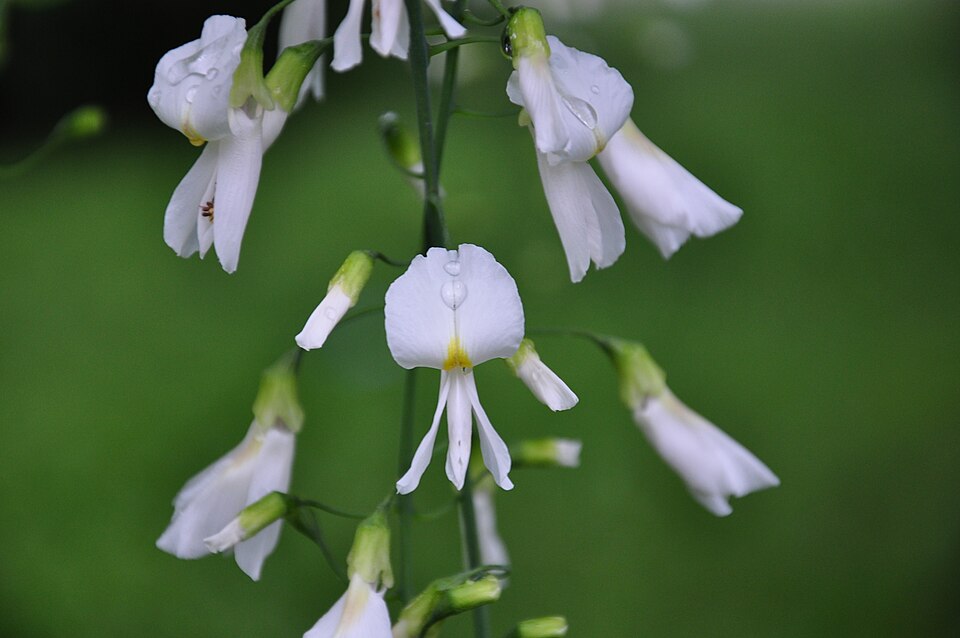
Cladrastis kentukea, commonly known as the Kentucky yellowwood or American yellowwood, is a captivating deciduous tree indigenous to the southeastern United States, thriving across a narrow band encompassing Kentucky, Tennessee, Alabama, Georgia, Arkansas, Missouri, Oklahoma, and North Carolina. As a member of the Fabaceae family, specifically the Papilionoideae subfamily, it is characterized by its distinctive pea-like blossoms. This medium-sized tree typically achieves heights of 30 to 50 feet (9-15 meters) with a gracefully rounded, spreading canopy.
Its most notable feature is its remarkably smooth, thin, gray bark, which remains unfurrowed even in maturity, often drawing comparisons to the bark of a European beech. Mature specimens may display subtle exfoliating patches, revealing a lighter inner bark. The heartwood, a striking golden-yellow, historically served as a valuable source for natural dyes, lending the tree its common name.
The foliage consists of elegant, alternate, odd-pinnately compound leaves, usually comprising 7 to 9 (occasionally 5 to 11) ovate to elliptical leaflets. Each leaflet exhibits an entire margin, a pointed apex, and a broad base, typically measuring 2 to 4 inches (5-10 cm) in length. The leaves unfurl as a vibrant yellow-green in spring, transition to a rich medium green during summer, and culminate in a brilliant golden-yellow in autumn, offering significant seasonal appeal.
The tree's most celebrated attribute is its profusion of pendulous, wisteria-like racemes of highly fragrant, white, pea-shaped flowers, often adorned with a delicate yellow blotch on the standard petal. These impressive clusters, extending 10-15 inches (25-38 cm) long, emerge in late spring (May to early June), creating a breathtaking display and serving as a vital attractant for numerous pollinators, including bees. Following successful pollination, the Kentucky yellowwood produces flattened, brown legume pods, approximately 2-4 inches (5-10 cm) long, containing several small, hard seeds, which mature in late summer and often persist through winter.
This species thrives in well-drained, moist soils, frequently found in limestone-rich areas, and is known for its deep root system.
Trusted Scientific References
1. Authoritative external sources for Cladrastis kentukea
1.1 Wikipedia — Cladrastis kentukea
1.2 Kew POWO (Plants of the World Online)
1.3 PubMed — peer-reviewed research
1.4 NCBI Taxonomy Browser
1.5 GBIF — Global Biodiversity
1.1.Cladrastis Kentukea — Key Features
- ✓Deciduous shade tree — Deciduous shade tree native to southeastern United States.
- ✓Smooth, thin, gray — Smooth, thin, gray bark, resembling that of a beech tree.
- ✓Pendulous, fragrant, white, pea — shaped flowers in late spring.
- ✓Brilliant golden — yellow fall foliage, providing significant seasonal interest.
- ✓Odd — pinnately compound leaves with 7-11 ovate leaflets.
- ✓Heartwood yields a — Heartwood yields a distinctive yellow dye, hence 'yellowwood'.
- ✓Produces flattened legume — Produces flattened legume pods with seeds that persist into winter.
- ✓Attracts numerous pollinators, — Attracts numerous pollinators, especially bees, and provides bird nesting sites.
- ✓Develops a deep taproot system, making it drought — tolerant once established.
- ✓Generally low maintenance, — Generally low maintenance, though corrective summer pruning is recommended.
1.2.Cladrastis Kentukea — Snapshot Summary
- ✓Native deciduous shade tree of the southeastern U.S.
- ✓Features fragrant white flower racemes and brilliant golden fall foliage.
- ✓Known for its smooth gray bark and historically used yellow heartwood dye.
- ✓Attracts pollinators like bees and provides nesting sites for birds.
- ✓Primarily valued for its ornamental beauty; limited documented medicinal uses.
- ✓Requires well-drained soil and summer pruning; susceptible to wind damage.
2.Cladrastis Kentukea — Scientific Profile
3.Cladrastis Kentukea — Reference Facts
4.Cladrastis Kentukea — Plant Morphology
5.Cladrastis Kentukea — Geographic Distribution
6.Cladrastis Kentukea — Cultural & Traditional Roles
7.Cladrastis Kentukea — Bioactive Constituents
- ✓Flavonoids — The distinctive yellow heartwood of Cladrastis kentukea is rich in various flavonoids, including cladrastin and genistein, which are responsible for its chromogenic properties and contribute to its antioxidant and potential anti-inflammatory activities.
- ✓Isoflavonoids — Beyond cladrastin and genistein, other isoflavonoids may be present, compounds known for their phytoestrogenic activity and roles in plant defense mechanisms.
- ✓Tannins — The bark and heartwood contain tannins, which are polyphenolic compounds known for their astringent properties and their ability to act as antioxidants and antimicrobials.
- ✓Saponins — Certain parts of the plant, particularly roots and seeds, may contain saponins, which are glycosides known for their emulsifying properties and potential anti-inflammatory or immunomodulatory effects.
- ✓Phenolic Acids — Various phenolic acids, such as gallic acid and caffeic acid derivatives, are likely present, contributing to the plant's overall antioxidant capacity and protective mechanisms.
- ✓Polysaccharides — The plant cell walls and possibly some storage tissues contain complex polysaccharides, which can have immunomodulatory and prebiotic effects.
- ✓Resins — Gums and resins may be found in the bark and sap, offering protective qualities to the tree and potentially possessing mild antimicrobial or anti-inflammatory actions.
- ✓Lignans — These dimeric phenylpropanoids are known for their antioxidant and potential phytoestrogenic activities, often found in woody plant tissues.
- ✓Alkaloids — While not extensively studied for Cladrastis kentukea, some species within the Fabaceae family contain alkaloids, which are nitrogen-containing compounds with diverse pharmacological activities, though their presence and specific type in yellowwood would require further investigation.
8.Cladrastis Kentukea — Research Insights
- ✓Antioxidant Support — The heartwood and bark of Cladrastis kentukea contain flavonoids and phenolic compounds that exhibit antioxidant activity, helping to neutralize free radicals and reduce oxidative stress in the body.
- ✓Anti-inflammatory Potential — Specific phytochemicals present in the plant, such as certain flavonoids, may possess anti-inflammatory properties, potentially aiding in the modulation of inflammatory responses.
- ✓Antimicrobial Activity — Extracts from the Kentucky yellowwood might demonstrate antimicrobial effects against certain pathogens, attributed to its defensive secondary metabolites, which could offer protective benefits.
- ✓Skin Health Promotion — Historically used for dye, the chromogenic compounds from the heartwood, along with other plant constituents, could potentially offer astringent or soothing properties for minor skin irritations when applied topically.
- ✓Cardiovascular System Support — Flavonoids, commonly found in Fabaceae species, are often associated with supporting cardiovascular health by improving blood vessel function and reducing lipid peroxidation.
- ✓Immune System Modulation — Polysaccharides and other complex carbohydrates, typically found in plant tissues, may contribute to immune system modulation, helping to bolster the body's natural defenses.
- ✓Astringent Action — The bark and heartwood likely contain tannins, which impart astringent properties, potentially useful for toning tissues or reducing minor bleeding.
- ✓Wound Healing — Due to potential antimicrobial and astringent properties, traditional or topical applications might support the healing process of minor cuts and abrasions by protecting against infection and promoting tissue contraction.
- ✓Detoxification Support — Certain plant compounds can support the liver's detoxification pathways, though specific research on Cladrastis kentukea is limited, this is a general property of many medicinal plants.
- ✓Digestive Aid — While not a primary use, some fibrous components or plant extracts could theoretically aid in mild digestive regulation or provide bulk, though caution is advised due to unknown internal safety.
8.1.Cladrastis Kentukea — Conditions Traditionally Used For
9.Cladrastis Kentukea — Adverse Effects
9.1.Cladrastis Kentukea — Caution Notes
- ✓Allergic Reactions — Individuals sensitive to plants in the Fabaceae family may experience allergic reactions upon contact with pollen, sap, or plant parts.
- ✓Digestive Upset — Ingestion of any part of Cladrastis kentukea, especially the seeds, which are common in many legume species, could potentially cause gastrointestinal discomfort or toxicity due to unknown compounds.
- ✓Skin Irritation — Direct contact with the sap or bark of the tree may lead to localized skin irritation or dermatitis in susceptible individuals.
- ✓Photosensitivity — While unconfirmed for this species, some plant compounds can induce photosensitivity, potentially causing skin reactions when exposed to sunlight after contact.
- ✓Unknown Systemic Toxicity — Given the lack of extensive medicinal research, the systemic effects of internal consumption are largely unknown, posing a risk of unforeseen toxicity.
- ✓Interaction with Medications — Hypothetically, any active compounds present could interact with pharmaceutical medications, though specific interactions are not documented.
- ✓Oral Toxicity — The seeds within the legume pods are generally considered inedible and potentially toxic, consistent with many members of the pea family.
9.2.Cladrastis Kentukea — Toxicity Assessment
- ✓Not for Internal Consumption — Cladrastis kentukea is primarily an ornamental tree; there is no established history or research supporting its safe internal medicinal use for humans.
- ✓Pregnancy and Lactation — Due to insufficient safety data, pregnant and lactating individuals should strictly avoid any internal or extensive topical use of Cladrastis kentukea.
- ✓Children — Keep all parts of the plant, especially the seeds, out of reach of children, as ingestion could pose unknown risks.
- ✓External Use Caution — While some topical applications might be explored in research, always perform a patch test to check for skin sensitivity or allergic reactions before widespread use.
- ✓Consult a Professional — Individuals with pre-existing health conditions or those taking medications should consult a healthcare professional before considering any experimental use of this plant.
- ✓Identification — Ensure correct plant identification; avoid confusion with other species, as misidentification could lead to exposure to toxic plants.
- ✓Research Only — Any exploration of Cladrastis kentukea for medicinal purposes should be confined to controlled scientific research settings, not for self-medication.
10.Cladrastis Kentukea — How to Use
- ✓Decoction for Dye — Historically, the yellow heartwood of Cladrastis kentukea was prepared as a strong decoction by boiling wood chips in water to extract its vibrant yellow dye for textiles.
- ✓Bark Tincture — For potential research into its chemical properties, dried bark can be macerated in alcohol (e.g., ethanol) to create a tincture, extracting various soluble compounds.
- ✓Leaf Poultice (External) — Fresh or dried and rehydrated leaves could hypothetically be crushed and applied topically as a poultice for minor skin irritations, though this is not a traditional medicinal use.
- ✓Infusion of Flowers — A delicate infusion might be prepared from the fragrant flowers, primarily for aromatic purposes, though no specific medicinal benefits are traditionally attributed to this preparation.
- ✓Powdered Heartwood/Bark — Dried heartwood or bark could be finely powdered for chemical analysis or for use in formulations if specific medicinal applications are identified through research.
- ✓Solvent Extraction — For scientific investigation, various solvents (e.g., methanol, hexane) can be used to extract different phytochemical fractions from the plant parts for detailed analysis of active compounds.
- ✓Topical Application of Extracts — Concentrated extracts from the heartwood or bark, rich in flavonoids and tannins, could be explored for topical applications in dermatological research, given their potential antioxidant and astringent properties.
- ✓Research-Grade Preparations — Any preparation for medicinal purposes should be strictly for research only, due to the lack of established internal medicinal uses and safety data for Cladrastis kentukea.
11.Cladrastis Kentukea — Propagation & Care
- ✓Site Selection — Plant Kentucky yellowwood in a location with full sun exposure to partial shade, ensuring adequate light for optimal flowering and fall color.
- ✓Soil Requirements — It thrives in well-drained, moist loamy soils, showing a preference for slightly alkaline conditions, often found naturally in limestone regions.
- ✓Watering — While needing regular watering during establishment, Cladrastis kentukea becomes highly drought-tolerant once its deep root system is fully developed.
- ✓Pruning — Prune only in summer after flowering to prevent sap bleeding; focus on corrective pruning to remove weak or crossing branches and maintain structural integrity.
- ✓Transplanting — Due to its deep taproot system, transplanting established Kentucky yellowwood trees can be challenging and is best avoided or performed when the tree is very young.
- ✓Pest and Disease Management — Monitor for Verticillium wilt, a fungal disease; protect branches from wind and heavy snow loads as they can be prone to breakage.
- ✓Ecological Role — Plant in wildlife gardens to provide nesting sites for songbirds and high-quality pollen and nectar for bees and other beneficial pollinators.
- ✓Winter Protection — In colder zones, protect young trees from harsh winter winds to prevent branch damage and ensure successful establishment.
Reviewed by the Flora Medical Global Botanical Review Panel
Multi-disciplinary editorial group · Botany · Ethnobotany · Herbal-medicine literature
Who reviewed this: This page was checked by the Flora Medical Global Botanical Review Panel — an in-house editorial group of botany graduates, ethnobotany researchers, and horticulture practitioners who collectively maintain our 7,000+ plant encyclopedia. Meet the team.
Our 4-step verification process
1. Taxonomic verification
Scientific names and synonyms cross-checked against Kew POWO, World Flora Online, and The Plant List.
2. Phytochemical & medicinal cross-reference
Active compounds, traditional uses, and reported activities are cross-referenced with PubMed, USDA Dr. Duke's database, and peer-reviewed ethnobotanical literature.
3. Conservation & distribution check
Distribution, ecology, and conservation status confirmed against GBIF occurrence records and the IUCN Red List.
4. Editorial & safety review
Every entry passes an editorial pass for clarity, originality, and safety notices (toxicity, contraindications, dosage caveats) before publication.
Last reviewed:
Important medical disclaimer: This content is for educational and research purposes only. It is not medical advice and is not a substitute for consultation with a licensed healthcare provider. Do not use any herb to self-treat a medical condition without professional guidance.
Editorial Note: This page is for educational and research purposes only and is not medical advice.
Written by: Flora Medical Global Editorial Team
Reviewed by: Flora Medical Global Botanical Review Panel
Last Updated: June 15, 2026





Cladrastis Kentukea — Comments & Community Reviews
Rate this plant