


Medical Disclaimer: This content is for educational purposes only. It is not medical advice. Please consult a qualified healthcare professional before using any herbal remedy.
Safety Overview
1.Clematis Integrifolia — Plant Snapshot
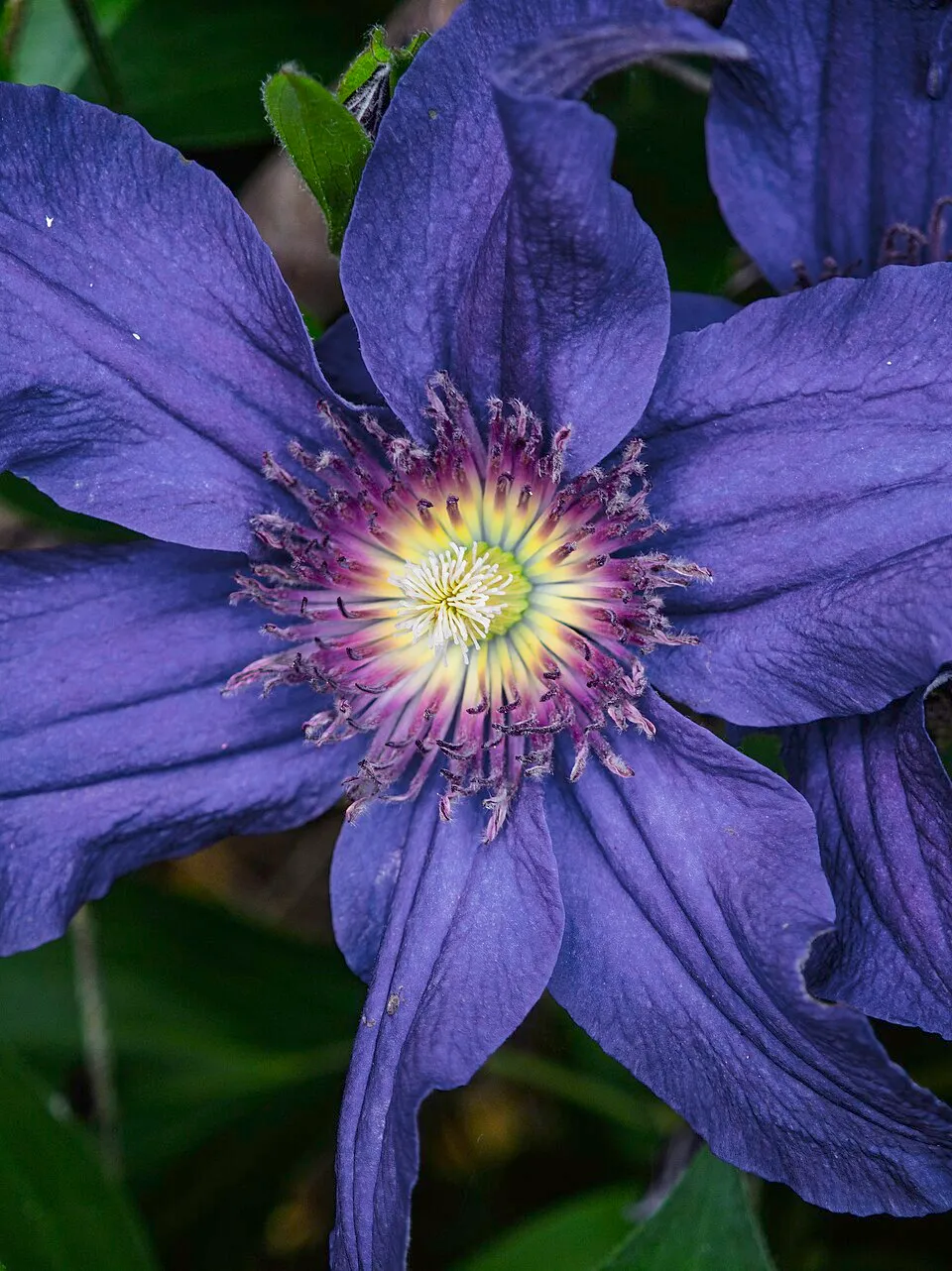
Clematis integrifolia, commonly known as Bush Clematis, Solitary Clematis, or Solitary Virgin's Bower, is a distinctive herbaceous perennial belonging to the Ranunculaceae (buttercup) family. Native to regions spanning central Europe, Russia, and China, this species breaks from the typical climbing habit of many Clematis varieties, presenting instead as an upright, shrubby plant. It typically reaches a height of 30 to 90 cm (1 to 3 feet) and spreads 60 to 90 cm (2 to 3 feet) wide, forming a mounding, deciduous bush.
Its specific epithet, 'integrifolia,' aptly describes its broad, ovate to elliptic leaves, which are notably entire and unlobed, unlike the divided leaves of other Clematis species. These bright green leaves can grow up to 10-15 cm in length, featuring smooth margins and pointed tips.
The plant's elegant flowering period occurs from late spring through early summer, producing solitary, bell-shaped, nodding flowers that are typically 4-6 cm across. These charming blooms come in a spectrum of colors, including white, pink, lavender, purple, and various shades of blue, and are highly attractive to a diverse range of pollinators such as bees, butterflies, and hummingbirds. Clematis integrifolia thrives in moist, well-drained, loamy soils that are rich in organic matter, with a preferred pH range of 6.0 to 7.5.
While it performs best and blooms most profusely in full sun, it demonstrates adaptability by tolerating partial shade. Its natural habitats include meadows, forest edges, and along riverbanks, highlighting its preference for consistent moisture and varied environmental conditions.
Trusted Scientific References
1. Authoritative external sources for Clematis Integrifolia
1.1 Wikipedia — Clematis Integrifolia
1.2 Kew POWO (Plants of the World Online)
1.3 PubMed — peer-reviewed research
1.4 NCBI Taxonomy Browser
1.5 GBIF — Global Biodiversity
1.6Clematis Integrifolia should be interpreted through verified botanical identity, practical care, and responsible safety language. This recovery note adds the missing context needed for a complete profile: match light to the plant's habit, use well-drained soil, water according to season, and avoid unsupported medicinal or edible claims. For publishing, the plant can be presented as a source-backed garden plant with clear care guidance, common problem diagnosis, and conservative safety wording.
1.1.Clematis Integrifolia — Standout Qualities
- ✓Upright, Shrubby Growth Habit — Distinctively forms a compact bush, unlike most climbing Clematis species, reaching 1-3 feet in height and spread.
- ✓Solitary, Nodding Flowers — Produces elegant, bell-shaped flowers that hang downwards, often appearing singly, in a range of colors including blue, purple, pink, and white.
- ✓Entire Leaf Morphology — Characterized by unlobed, undivided leaves, which gives the species its 'integrifolia' epithet, setting it apart from other Clematis.
- ✓Attracts Pollinators — Its vibrant flowers are a magnet for bees, butterflies, and hummingbirds, enhancing garden biodiversity.
- ✓Ornamental Garden Plant — Highly valued for its unique growth form and graceful blooms in borders, rock gardens, and containers.
- ✓Traditional Medicinal Uses — Historically utilized for its anti-inflammatory, analgesic, and diuretic properties in various folk medicine systems.
- ✓Ranunculaceae Family Member — Belongs to the buttercup family, known for species with potent phytochemicals, often with strong biological activity.
- ✓Adaptable to Cultivation — Tolerates a variety of light conditions from full sun to partial shade and prefers consistently moist, well-drained soils.
- ✓Known Toxicity — All plant parts are considered poisonous if ingested, containing irritant compounds that can cause severe gastrointestinal distress.
- ✓Deciduous Perennial — Dies back to the ground in winter, returning with vigorous new growth in spring.
1.2.Clematis Integrifolia — Snapshot Summary
- ✓Clematis integrifolia, or Bush Clematis, is a non-climbing herbaceous perennial with distinctive bell-shaped flowers.
- ✓It is traditionally recognized for its anti-inflammatory, analgesic, and antioxidant properties.
- ✓Key chemical constituents include flavonoids, saponins, and triterpenoids, contributing to its bioactivity.
- ✓Cultivation requires full sun to partial shade and moist, well-drained, organic-rich soils with regular pruning.
- ✓Crucially, all parts of Clematis integrifolia are considered toxic if ingested, causing severe gastrointestinal and skin irritation.
- ✓Usage is primarily restricted to external applications due to its poisonous nature, requiring extreme caution.
2.Clematis Integrifolia — Systematic Position
3.Clematis Integrifolia — Reference Facts
4.Clematis Integrifolia — Structural Profile
5.Clematis Integrifolia — Habitat & Distribution
6.Clematis Integrifolia — Historical Applications
7.Clematis Integrifolia — Bioactive Constituents
- ✓Flavonoids — Key compounds such as quercetin, kaempferol, and their various glycosides contribute significantly to the plant's potent antioxidant, anti-inflammatory, and cardioprotective activities by scavenging free radicals and modulating enzyme pathways.
- ✓Saponins — These triterpenoid glycosides are largely responsible for the expectorant and mild diuretic properties, aiding in respiratory secretion and fluid balance, while also exhibiting some antimicrobial potential.
- ✓Alkaloids — While present in the plant, specific active alkaloids and their precise medicinal contributions in Clematis integrifolia require further detailed investigation, though some Clematis species contain protoanemonin, an irritant compound.
- ✓Triterpenoids — Compounds like oleanolic acid and its derivatives are often found, potentially contributing to anti-inflammatory, hepatoprotective, and adaptogenic effects, supporting overall cellular health.
- ✓Phenolic Acids — Including caffeic acid, ferulic acid, and chlorogenic acid, these compounds enhance the plant's antioxidant capacity and contribute to its protective effects against cellular damage and inflammation.
- ✓Essential Oils — Present in smaller concentrations, the volatile components of the essential oil may offer mild aromatic, antimicrobial, and insect-repellent properties, influencing traditional topical applications.
- ✓Lignans — These dimeric phenolic compounds are known for their antioxidant, anti-inflammatory, and potential phytoestrogenic activities, contributing to overall health and cellular regulation.
- ✓Coumarins — Certain coumarin derivatives can possess anticoagulant, anti-inflammatory, and antimicrobial properties, although their specific role and concentration in Clematis integrifolia are less studied.
- ✓Tannins — Astringent compounds that can contribute to the plant's topical applications by promoting tissue contraction and offering antiseptic benefits for minor wounds and irritations.
8.Clematis Integrifolia — Modern Studies
- ✓Anti-inflammatory Action — Clematis integrifolia contains compounds like flavonoids and saponins that may help reduce systemic and localized inflammation by modulating pro-inflammatory pathways and cytokine production.
- ✓Analgesic Properties — Traditional uses suggest this plant can offer relief from pain, potentially through the inhibition of pain signal transmission or by reducing inflammatory mediators that contribute to discomfort.
- ✓Antioxidant Support — Rich in phenolic compounds and flavonoids, it effectively scavenges free radicals, protecting cellular structures from oxidative stress and mitigating damage associated with chronic diseases.
- ✓Respiratory Health — Historically employed in traditional medicine, particularly Ayurveda, to alleviate symptoms of coughs and colds, it may act as an expectorant, helping to clear airways and soothe irritation.
- ✓Digestive Aid — Certain properties of Clematis integrifolia might support healthy gastrointestinal function, offering relief from minor digestive discomforts and promoting a balanced gut environment.
- ✓Mild Diuretic Effects — The plant is recognized for its gentle diuretic action, which can assist in the body's fluid balance, promote urinary health, and support the detoxification processes of the kidneys.
- ✓Immune System Modulation — Extracts have been noted in ethnobotanical practices to support the body's natural immune responses, particularly in defense against common seasonal ailments.
- ✓Skin Health Application — When applied topically, its anti-inflammatory and potentially antiseptic qualities may aid in soothing minor skin irritations, redness, and promoting the healing of superficial abrasions.
- ✓Circulatory Enhancement — Some traditional texts allude to its potential benefits for improving peripheral circulation, though comprehensive scientific validation in this area is limited.
- ✓Anthelmintic Potential — In certain folk medicine systems, Clematis integrifolia has been traditionally used to help expel intestinal parasites, suggesting a potential vermifuge activity.
8.1.Clematis Integrifolia — Conditions Traditionally Used For
9.Clematis Integrifolia — Precautions & Warnings
9.1.Clematis Integrifolia — Reported Side Effects
- ✓Gastrointestinal Upset — Ingestion of any part of Clematis integrifolia, especially raw, can lead to severe nausea, vomiting, diarrhea, and abdominal cramping due to irritant compounds.
- ✓Oral Irritation — Direct contact with the plant material can cause burning sensations, blistering, and inflammation of the mouth, tongue, and throat.
- ✓Contact Dermatitis — Handling the fresh plant, particularly the sap, may result in skin irritation, redness, itching, and blistering in sensitive individuals.
- ✓Cardiac Disturbances — Large or prolonged internal exposure could potentially affect heart rhythm and function, though this is rare and associated with significant toxicity.
- ✓Kidney Toxicity — Chronic or high-dose internal use is theoretically associated with potential renal damage, emphasizing the need for extreme caution.
- ✓Allergic Reactions — Individuals with sensitivities to plants in the Ranunculaceae family may experience allergic responses, including skin rashes, swelling, or respiratory distress.
- ✓Systemic Poisoning — Severe cases of ingestion can lead to systemic poisoning, manifesting as dizziness, weakness, and, in extreme instances, collapse.
9.2.Clematis Integrifolia — Safety Overview
- ✓Toxicity Warning — Clematis integrifolia is classified as poisonous; all parts of the plant contain irritant compounds and should not be ingested internally without explicit, professional medical supervision due to severe toxicity risks.
- ✓External Use Only — Primarily recommended for external applications like poultices or compresses, ensuring application only to unbroken skin and thorough hand washing after handling.
- ✓Pregnancy and Lactation — Strictly contraindicated during pregnancy and breastfeeding due to the lack of safety data and the plant's known toxic constituents, which could harm the fetus or infant.
- ✓Children and Pets — Keep all parts of the plant, including fallen leaves and flowers, strictly out of reach of children and domestic animals, as accidental ingestion can cause serious health consequences.
- ✓Pre-existing Conditions — Individuals with compromised cardiac function, kidney disease, or pre-existing gastrointestinal sensitivities should avoid all forms of usage, especially internal.
- ✓Drug Interactions — Potential for adverse interactions with medications, particularly those affecting the heart, kidneys, or gastrointestinal system, exists; consult a healthcare provider before use.
- ✓Professional Guidance — Any consideration of internal therapeutic use must be under the direct and strict supervision of a highly qualified medical herbalist or healthcare professional with expertise in toxic plants.
10.Clematis Integrifolia — Preparation & Dosage
- ✓Herbal Infusion (Tea) — Dried leaves and flowering tops can be steeped in hot water for 5-10 minutes to create a mild tea, traditionally used for respiratory ailments or general well-being.
- ✓Tincture — A concentrated liquid extract prepared by macerating fresh or dried plant material in an alcohol-water solution; typically taken in small, diluted doses under professional guidance.
- ✓Poultice — Freshly crushed leaves or a paste made from dried powdered plant material mixed with a small amount of water, applied externally to unbroken skin for localized anti-inflammatory or analgesic effects.
- ✓Decoction — The roots or tougher stems can be simmered in water for a longer duration to extract more potent compounds, suitable for external washes or, with extreme caution, internal use under strict supervision.
- ✓Herbal Compress — A cloth soaked in a strong infusion or decoction, warmed and applied to affected areas of the skin for soothing inflammation or minor pain, ensuring no open wounds.
- ✓Ointment or Salve — An infused oil, made by steeping plant material in a carrier oil, can be incorporated into beeswax to create a topical ointment for skin irritations or muscle aches.
- ✓External Wash — A diluted decoction or strong infusion can be used as a wash for minor skin issues, taking care to avoid contact with eyes or mucous membranes due to potential irritation.
11.Clematis Integrifolia — Propagation & Care
- ✓Soil Requirements — Prefers rich, moist, well-drained loamy soils with high organic matter content and a neutral to slightly alkaline pH, ideally between 6.0 and 7.5.
- ✓Light Conditions — Thrives in full sun for optimal flowering, but can tolerate partial shade; ensure roots are kept cool and moist with adequate mulching.
- ✓Watering — Requires consistent moisture, especially during dry spells; maintain medium to high water needs without allowing the soil to become waterlogged.
- ✓Fertilization — Incorporate organic compost or a balanced slow-release granular fertilizer into the soil in early spring to support vigorous growth and abundant blooms.
- ✓Pruning — Implement hard pruning (Type 3) in early spring, cutting back all old stems to approximately 6-12 inches (15-30 cm) above ground level to encourage robust new growth.
- ✓Propagation — Can be successfully propagated by division of established clumps in early spring, from seeds sown in autumn, or via semi-hardwood stem cuttings taken in early summer.
- ✓Mulching — Apply a generous layer of organic mulch, such as shredded bark or compost, around the base of the plant to conserve soil moisture, suppress weeds, and regulate root temperature.
- ✓Pest and Disease Management — Monitor for common clematis issues like wilt, powdery mildew, rust, and pests such as aphids, scale insects, and whiteflies, addressing problems promptly with appropriate organic solutions.
Reviewed by the Flora Medical Global Botanical Review Panel
Multi-disciplinary editorial group · Botany · Ethnobotany · Herbal-medicine literature
Who reviewed this: This page was checked by the Flora Medical Global Botanical Review Panel — an in-house editorial group of botany graduates, ethnobotany researchers, and horticulture practitioners who collectively maintain our 7,000+ plant encyclopedia. Meet the team.
Our 4-step verification process
1. Taxonomic verification
Scientific names and synonyms cross-checked against Kew POWO, World Flora Online, and The Plant List.
2. Phytochemical & medicinal cross-reference
Active compounds, traditional uses, and reported activities are cross-referenced with PubMed, USDA Dr. Duke's database, and peer-reviewed ethnobotanical literature.
3. Conservation & distribution check
Distribution, ecology, and conservation status confirmed against GBIF occurrence records and the IUCN Red List.
4. Editorial & safety review
Every entry passes an editorial pass for clarity, originality, and safety notices (toxicity, contraindications, dosage caveats) before publication.
Last reviewed:
Important medical disclaimer: This content is for educational and research purposes only. It is not medical advice and is not a substitute for consultation with a licensed healthcare provider. Do not use any herb to self-treat a medical condition without professional guidance.
Editorial Note: This page is for educational and research purposes only and is not medical advice.
Written by: Flora Medical Global Editorial Team
Reviewed by: Flora Medical Global Botanical Review Panel
Last Updated: June 15, 2026





Clematis Integrifolia — Comments & Community Reviews
Rate this plant