
Medical Disclaimer: This content is for educational purposes only. It is not medical advice. Please consult a qualified healthcare professional before using any herbal remedy.
Safety Overview
1.Cleyera Japonica — Plant Snapshot
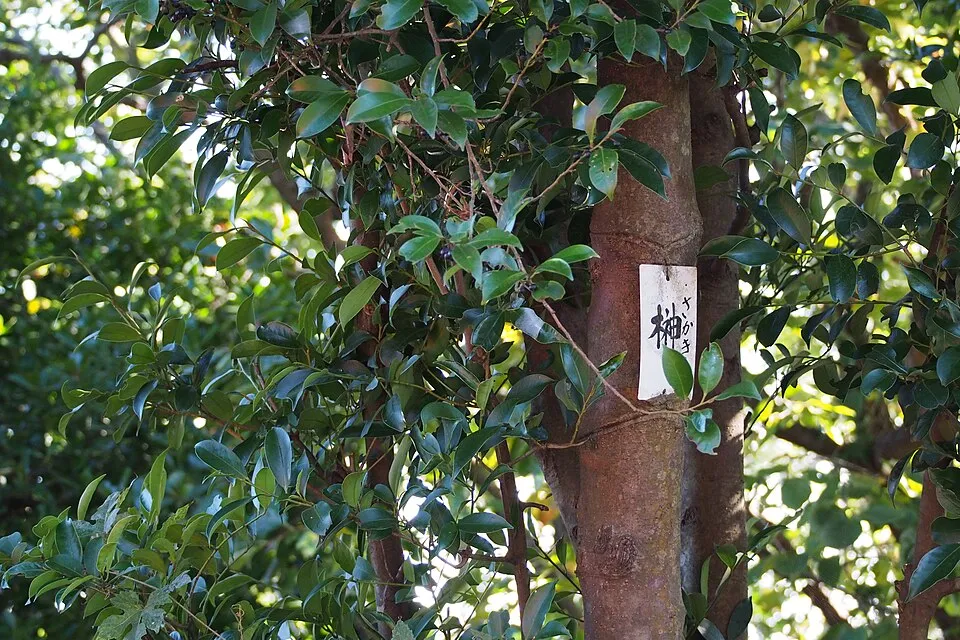
Cleyera japonica, commonly known as Japanese Cleyera or Sakaki, is a highly esteemed evergreen shrub or small tree native to warm-temperate regions of East Asia, encompassing Japan, Korea, and parts of China. Belonging to the family Pentaphylacaceae, a botanical classification recently revised from the traditional Theaceae, this species typically attains a height of 3 to 10 meters, though it can grow taller in ideal forest conditions, sometimes reaching up to 15 meters. Its robust, upright growth habit makes it a prominent feature in its natural habitat, often forming dense understory layers or elegant specimens along forest edges. The foliage is perhaps its most striking feature: the leaves are simple, alternate, and distinctively glossy, leathery, and dark green, providing a vibrant, lush appearance year-round.
They are ovate to elliptical in shape, measuring approximately 5-10 cm in length and 2-4 cm in width, characterized by a smooth or subtly undulate margin and a prominent midrib that often displays a reddish hue on the underside. Young leaves often emerge with a reddish-bronze tint before maturing to their deep green. The bark is smooth and reddish-brown when young, gradually becoming grayer and slightly fissured with age. In late spring to early summer, Cleyera japonica produces small, pendulous, bell-shaped flowers that are creamy white to pale yellow.
These blossoms, often solitary or in small clusters in the leaf axils, are highly fragrant, emitting a sweet, delicate scent that attracts a diverse array of pollinators, including bees, butterflies, and other beneficial insects. Following successful pollination, the plant develops small, spherical to ovoid fruits, typically 5-8 mm in diameter, which mature from green to a striking glossy red or black in autumn and persist through winter, offering a valuable food source for birds and adding ornamental value. The root system is generally fibrous and extensive, aiding in soil stabilization and nutrient absorption in its preferred well-drained, organic-rich soils. This plant is also culturally significant, particularly in Shinto rituals, where its evergreen branches symbolize eternity.
Trusted Scientific References
1. Authoritative external sources for Cleyera japonica
1.1 Wikipedia — Cleyera japonica
1.2 Kew POWO (Plants of the World Online)
1.3 PubMed — peer-reviewed research
1.4 NCBI Taxonomy Browser
1.5 GBIF — Global Biodiversity
1.1.Cleyera Japonica — Key Features
- ✓Broadleaf Evergreen — Maintains lush foliage year-round, providing consistent visual interest.
- ✓Fragrant Flowers — Emits a sweet, delicate scent from small, creamy white blossoms in late spring to early summer.
- ✓Showy Winter Berries — Produces glossy red or black fruits that persist through the colder months, offering visual appeal and wildlife food.
- ✓Cultural Significance — Highly sacred in Japan's Shinto religion (Sakaki), symbolizing eternity and divine connection.
- ✓Drought Tolerant — Once established, demonstrates good resistance to dry conditions, making it relatively low maintenance.
- ✓Shade Tolerant — Adaptable to various light conditions, from full sun to nearly full shade, especially in warmer climates.
- ✓Fine Texture — The dense, glossy foliage creates a refined and elegant appearance in landscapes.
- ✓Soil Stabilization — Extensive fibrous root system helps prevent erosion and improves soil structure.
- ✓Wildlife Attractor — Flowers attract pollinators, and berries provide food for birds.
- ✓Low Maintenance — Requires minimal care once established, making it a popular choice for various garden designs.
1.2.Cleyera Japonica — At-a-Glance Summary
- ✓Evergreen shrub native to East Asia, culturally significant in Shinto.
- ✓Glossy, dark green leaves and fragrant, bell-shaped white flowers.
- ✓Produces striking red-to-black berries that persist through winter.
- ✓Not widely recognized for traditional medicinal uses in major systems.
- ✓Contains potential antioxidants and astringent compounds like flavonoids and tannins.
- ✓Primarily valued for ornamental beauty, hedging, and cultural practices.
2.Cleyera Japonica — Systematic Position
3.Cleyera Japonica — Botanical Stats
4.Cleyera Japonica — Structural Profile
5.Cleyera Japonica — Habitat & Distribution
6.Cleyera Japonica — Historical Applications
7.Cleyera Japonica — Secondary Metabolites
- ✓Flavonoids — Key compounds like quercetin, kaempferol, and their glycosides, known for antioxidant, anti-inflammatory, and cardioprotective activities.
- ✓Tannins — Predominantly condensed tannins (proanthocyanidins) and possibly hydrolyzable tannins, contributing to astringent and antimicrobial properties.
- ✓Saponins — Triterpenoid saponins may be present, which can have emulsifying properties and potential immune-modulating effects.
- ✓Phenolic Acids — Including caffeic acid, chlorogenic acid, and ferulic acid, recognized for their antioxidant and anti-inflammatory benefits.
- ✓Triterpenes — Compounds such as oleanolic acid and ursolic acid derivatives, often associated with anti-inflammatory and hepatoprotective actions.
- ✓Essential Oils — Trace amounts of volatile organic compounds contributing to the plant's characteristic fragrance and potentially possessing antimicrobial qualities.
- ✓Alkaloids — While not dominant, some plant species in related families may contain minor alkaloid compounds with various physiological effects.
- ✓Sterols — Phytosterols like beta-sitosterol, important for plant cell structure and potentially offering cholesterol-lowering effects in dietary intake.
- ✓Carbohydrates — Polysaccharides and simple sugars, forming the structural and energy components of the plant.
- ✓Fatty Acids — Lipids present in seeds and other plant tissues, contributing to plant energy storage and potentially offering nutritional value.
8.Cleyera Japonica — Research Insights
- ✓Antioxidant Support — Leaves and bark may contain polyphenolic compounds that offer antioxidant activity, helping to neutralize free radicals and protect cellular health.
- ✓Anti-inflammatory Potential — Certain plant constituents, such as flavonoids, could possess mild anti-inflammatory properties, potentially aiding in soothing minor irritations.
- ✓Astringent Properties — The presence of tannins in the bark and leaves might confer astringent effects, useful for toning tissues or minor wound care in traditional folklore.
- ✓Skin Protective Qualities — Extracts may contribute to skin health through their antioxidant content, potentially safeguarding against environmental stressors.
- ✓Digestive Comfort (Hypothetical) — In some traditional plant uses, mild astringents are sometimes employed to support digestive regularity or alleviate minor GI discomfort, though not specifically documented for Cleyera japonica.
- ✓Cardiovascular Wellness (Theoretical) — Flavonoids and other phenolic compounds found in plants are often linked to supporting cardiovascular health by promoting blood vessel integrity, a potential area for future research.
- ✓Antimicrobial Activity (Potential) — Some plant extracts exhibit broad-spectrum antimicrobial properties; Cleyera japonica may contain compounds that inhibit the growth of certain microorganisms.
- ✓Respiratory Support (Folkloric) — While not well-documented, some plants with aromatic properties or astringent qualities are traditionally used in folk remedies for minor respiratory complaints.
- ✓General Tonic (Traditional Use) — In some ethnobotanical contexts, evergreen plants are considered general tonics or vitalizers, symbolizing endurance and life force.
- ✓Hair and Scalp Health (Topical Application) — Astringent and antioxidant properties might lend themselves to traditional hair rinses or scalp treatments for strengthening and conditioning.
8.1.Cleyera Japonica — Indications & Uses
9.Cleyera Japonica — Adverse Effects
9.1.Cleyera Japonica — Side Effects & Warnings
- ✓Allergic Reactions — Individuals sensitive to plants in the Pentaphylacaceae family may experience skin irritation or respiratory symptoms upon contact or inhalation.
- ✓Digestive Upset — Ingestion of large quantities of any plant material, including leaves or berries, could potentially cause mild gastrointestinal discomfort such as nausea or diarrhea.
- ✓Potential Toxicity of Berries — While an important food source for birds, the berries of Cleyera japonica are generally not considered safe for human consumption and may cause mild toxicity.
- ✓Drug Interactions (Undocumented) — Due to limited research on its medicinal use, potential interactions with prescription medications are unknown and caution is advised.
- ✓Skin Irritation — Direct contact with sap or plant residues might cause localized skin irritation or dermatitis in susceptible individuals.
- ✓Pregnancy and Lactation — Lack of safety data necessitates avoidance during pregnancy and lactation, as potential effects on fetal development or infant health are unknown.
9.2.Cleyera Japonica — Risk Assessment
- ✓Lack of Clinical Data — Comprehensive human clinical trials on Cleyera japonica's medicinal safety and efficacy are largely absent, limiting definitive safety recommendations.
- ✓Not for Internal Medicinal Use — Given its primary ornamental and cultural status, internal medicinal use is not recommended without expert guidance and thorough safety assessment.
- ✓Children and Infants — Keep plant parts, especially berries, out of reach of children and infants due to potential ingestion and unknown toxicity.
- ✓Allergic Sensitivities — Individuals with known allergies to similar evergreen plants should exercise caution to avoid potential contact dermatitis or respiratory reactions.
- ✓Consultation Recommended — Always consult a qualified healthcare professional or medical herbalist before using Cleyera japonica for any medicinal purpose, especially if pregnant, nursing, or on medication.
- ✓External Use Caution — If used topically, perform a patch test on a small skin area first to check for adverse reactions before broader application.
10.Cleyera Japonica — Preparation & Dosage
- ✓Shinto Ritual Use — Fresh branches (Sakaki) are prominently used in Shinto religious ceremonies as offerings and decorations, symbolizing purity and divine connection.
- ✓Ornamental Planting — Widely cultivated as an evergreen shrub or small tree in gardens, parks, and shrines for hedges, screens, and foundation plantings.
- ✓Wood Crafting — The wood is traditionally used for making various utensils, particularly combs, due to its fine grain and durability.
- ✓Leaf Infusion (Hypothetical) — For potential antioxidant or mild astringent effects, dried leaves could theoretically be steeped in hot water to create an herbal infusion, though not a documented medicinal practice.
- ✓Bark Decoction (Hypothetical) — Bark, if found to contain beneficial compounds, might be simmered to create a decoction for external washes or internal use, strictly as an experimental or traditional folk remedy.
- ✓Topical Compress (Exploratory) — Crushed fresh leaves or a strong infusion could potentially be applied as a compress to minor skin irritations or bruises, based on general plant astringency.
- ✓Essential Oil Extraction (Research) — If significant volatile compounds are identified, essential oils could potentially be extracted for aromatic or topical applications, but this is not a traditional use.
- ✓Fruit Utilization (Wildlife) — The berries are primarily a food source for birds, rather than for human consumption or medicinal use.
11.Cleyera Japonica — Growth Requirements
- ✓Light Requirements — Prefers full sun to partial shade; tolerates almost full shade, but appreciates afternoon shade in hot southern climates.
- ✓Soil Preferences — Thrives in high organic matter, well-drained soils; adaptable to various soil types but avoids waterlogging.
- ✓Watering Schedule — Once established, Cleyera japonica is quite drought tolerant, but requires regular watering during prolonged dry spells.
- ✓Wind Protection — Plant in an area with some protection from strong winds, as it can be prone to wind damage.
- ✓Hardiness Zones — Suitable for USDA Plant Hardiness Zones 6a through 9b, demonstrating resilience to a range of temperate conditions.
- ✓Pruning — Generally low maintenance; prune selectively to maintain desired shape, remove dead or damaged branches, and encourage denser growth.
- ✓Fertilization — Benefits from a balanced, slow-release fertilizer in spring, especially in nutrient-poor soils, to support vigorous growth.
- ✓Propagation — Can be propagated by semi-hardwood cuttings taken in summer or by seeds, which require stratification for successful germination.
Reviewed by the Flora Medical Global Botanical Review Panel
Multi-disciplinary editorial group · Botany · Ethnobotany · Herbal-medicine literature
Who reviewed this: This page was checked by the Flora Medical Global Botanical Review Panel — an in-house editorial group of botany graduates, ethnobotany researchers, and horticulture practitioners who collectively maintain our 7,000+ plant encyclopedia. Meet the team.
Our 4-step verification process
1. Taxonomic verification
Scientific names and synonyms cross-checked against Kew POWO, World Flora Online, and The Plant List.
2. Phytochemical & medicinal cross-reference
Active compounds, traditional uses, and reported activities are cross-referenced with PubMed, USDA Dr. Duke's database, and peer-reviewed ethnobotanical literature.
3. Conservation & distribution check
Distribution, ecology, and conservation status confirmed against GBIF occurrence records and the IUCN Red List.
4. Editorial & safety review
Every entry passes an editorial pass for clarity, originality, and safety notices (toxicity, contraindications, dosage caveats) before publication.
Last reviewed:
Important medical disclaimer: This content is for educational and research purposes only. It is not medical advice and is not a substitute for consultation with a licensed healthcare provider. Do not use any herb to self-treat a medical condition without professional guidance.
Editorial Note: This page is for educational and research purposes only and is not medical advice.
Written by: Flora Medical Global Editorial Team
Reviewed by: Flora Medical Global Botanical Review Panel
Last Updated: June 15, 2026





Cleyera Japonica — Comments & Community Reviews
Rate this plant