
Medical Disclaimer: This content is for educational purposes only. It is not medical advice. Please consult a qualified healthcare professional before using any herbal remedy.
Safety Overview
1.Coconut Palm Indoor — Botanical Snapshot
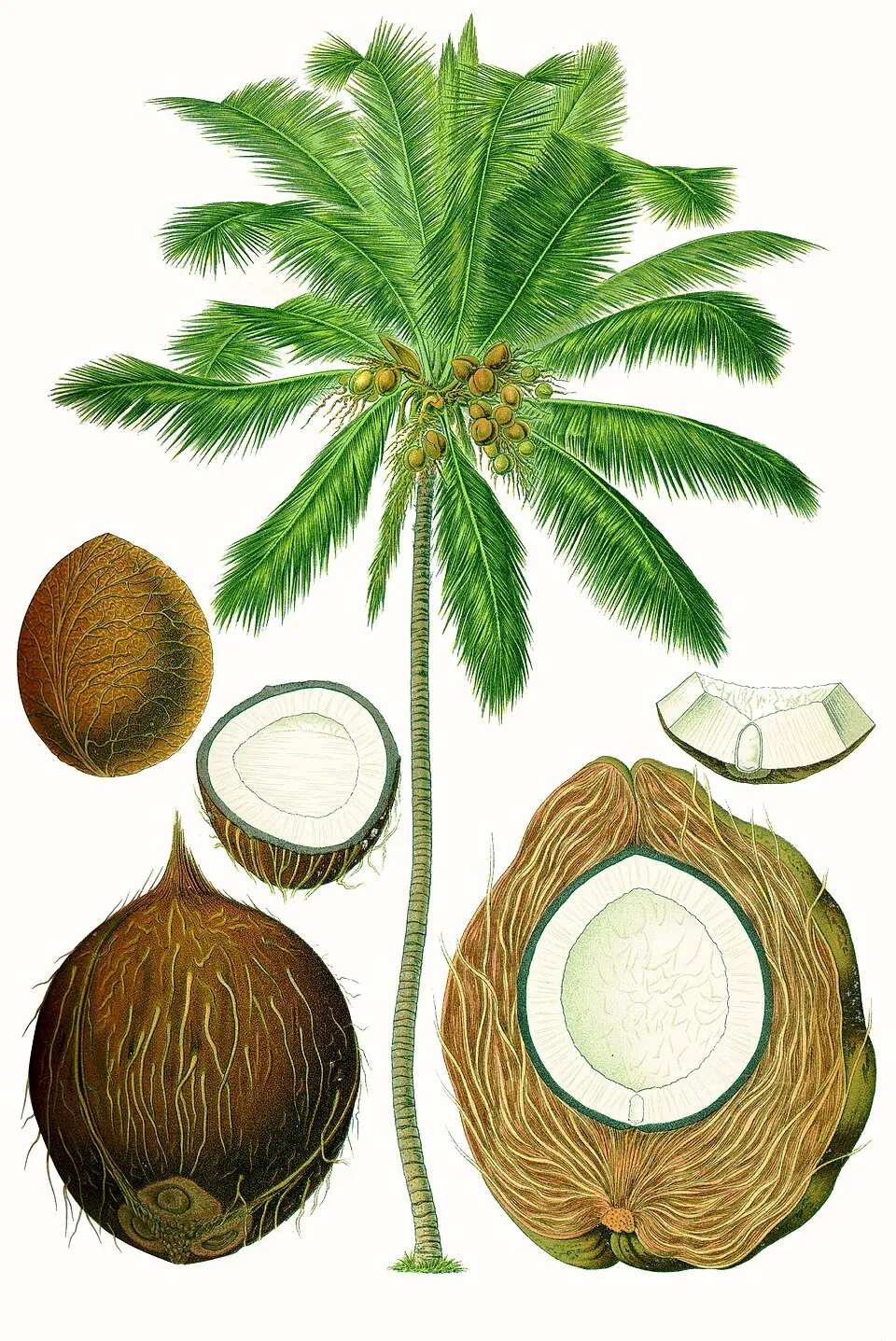
The Coconut Palm Indoor, specifically the dwarf cultivar of Cocos nucifera, offers a captivating slice of the tropics for interior spaces, adapting the grandeur of its wild counterpart to domestic environments. While the majestic wild coconut palm can soar to 30 meters, the dwarf varieties, often labeled as ‘Dwarf’ or 'Semi-Dwarf' for indoor cultivation, typically reach a manageable height of 1 to 3 meters, making them ideally suited for containers. These indoor specimens are usually grown from a germinated nut, where the emerging sprout, robust root system, and initial vibrant fronds remain attached to the husk, creating a distinctive and visually appealing aesthetic. Historically, the coconut palm itself, Cocos nucifera, has been a cornerstone of life in tropical regions for thousands of years, with archaeological evidence suggesting its presence in South Asia and Southeast Asia as early as 3000 BCE.
Its name 'coconut' is derived from 16th-century Portuguese and Spanish 'coco,' meaning 'grinning face,' referring to the three indentations on the coconut shell. For indoor cultivation, dwarf varieties like the 'Malayan Yellow Dwarf' or 'Green Dwarf' are preferred due to their compact size and earlier fruiting capabilities compared to tall varieties, although fruiting indoors is rare and requires specific, intensive conditions. Botanically, Cocos nucifera belongs to the Arecaceae family, characterized as an arborescent monocotyledonous tree. Its structure, even in dwarf form, retains the characteristic unbranched stem, crowned by a terminal cluster of elegant, pinnate fronds.
These fronds can reach lengths of 1-2 meters indoors, arching gracefully, while the trunk, though shorter, still exhibits fibrous characteristics. Traditional medicine systems like Ayurveda, Unani, and to a lesser extent, Traditional Chinese Medicine, have long recognized the extensive therapeutic properties of various parts of the coconut palm, including the water, oil, and flesh from the mature nut. While indoor dwarf varieties primarily serve an aesthetic purpose due to the difficulty in obtaining significant medicinal yield, the general properties of the species are widely attributed and studied.
Trusted Scientific References
1. Authoritative external sources for Cocos nucifera dwarf
1.1 Wikipedia — Cocos nucifera dwarf
1.2 Kew POWO (Plants of the World Online)
1.3 PubMed — peer-reviewed research
1.4 NCBI Taxonomy Browser
1.5 GBIF — Global Biodiversity
1.1.Coconut Palm Indoor — Notable Characteristics
- ✓Ornamental Indoor Plant — Specifically cultivated dwarf varieties for interior decoration.
- ✓Distinctive Germinated Nut — Often sold with the sprout emerging directly from the husk.
- ✓Pinnate Fronds — Characterized by graceful, arching feather-like leaves.
- ✓Tropical Aesthetic — Instantly transforms indoor spaces into a warm, exotic environment.
- ✓Manageable Size — Dwarf cultivars grow to 1-3 meters, suitable for large containers.
- ✓High Humidity Requirement — Thrives in moist air, mimicking its natural habitat.
- ✓Bright, Indirect Light — Needs ample light without direct, scorching sun.
- ✓Botanical Family Arecaceae — Part of the palm family, known for its iconic members.
- ✓Air Purifying Qualities — Like many houseplants, contributes to improved indoor air quality.
- ✓Historical and Cultural Significance — The species holds deep roots in tropical cultures.
1.2.Coconut Palm Indoor — Snapshot Summary
- ✓Indoor ornamental plant, Cocos nucifera dwarf, brings tropical aesthetics.
- ✓Primarily grown from a germinated nut for decorative purposes.
- ✓The broader Cocos nucifera species is a rich source of traditional medicine.
- ✓Known for potent antioxidant, anti-inflammatory, and antimicrobial properties.
- ✓Requires specific indoor care — bright light, high humidity, consistent moisture.
- ✓Symbolizes tropical abundance and vitality.
2.Coconut Palm Indoor — Botanical Identity
3.Coconut Palm Indoor — Key Data
4.Coconut Palm Indoor — Botanical Features
5.Coconut Palm Indoor — Native Range & Habitat
6.Coconut Palm Indoor — Traditional Uses
7.Coconut Palm Indoor — Phytochemistry
- ✓Medium-Chain Triglycerides (MCTs) — Dominant in coconut oil, primarily lauric acid (C12), capric acid (C10), and caprylic acid (C8); known for antimicrobial properties, rapid energy conversion, and metabolic support.
- ✓Phenolic Compounds — Including gallic acid, caffeic acid, p-coumaric acid, and ferulic acid; potent antioxidants contributing to the plant's free radical scavenging abilities and anti-inflammatory effects.
- ✓Flavonoids — Such as quercetin and catechin derivatives; provide additional antioxidant and anti-inflammatory benefits, supporting cellular health.
- ✓Vitamins — Contains B vitamins (e.g., folate, B6) and Vitamin C; essential cofactors for numerous metabolic processes and immune support.
- ✓Minerals — Rich in potassium, magnesium, calcium, phosphorus, and iron; crucial for electrolyte balance, bone health, nerve function, and red blood cell formation.
- ✓Amino Acids — A good source of various amino acids, the building blocks of proteins, supporting muscle repair and overall bodily functions.
- ✓Cytokinins — Plant hormones like zeatin, found in coconut water; known for their cell-division promoting properties and potential anti-aging effects when applied topically.
- ✓Dietary Fiber — Abundant in coconut flesh; aids in digestive health, promoting bowel regularity and contributing to satiety.
- ✓Proteins — Present in coconut flesh and milk; contribute to nutritional value, muscle development, and enzyme production.
- ✓Carbohydrates — Primarily found as sugars in coconut water and complex carbohydrates in the flesh; provide energy.
8.Coconut Palm Indoor — Pharmacological Findings
- ✓Antioxidant Activity — Rich in phenolic compounds and flavonoids, Cocos nucifera extracts help neutralize harmful free radicals, protecting cells from oxidative damage and potentially reducing the risk of chronic diseases.
- ✓Anti-inflammatory Effects — Various parts of the coconut palm, particularly the oil and water, contain compounds that may modulate inflammatory pathways, offering relief from systemic inflammation.
- ✓Antinociceptive (Pain-Relieving) Properties — Studies suggest that extracts from Cocos nucifera possess analgesic effects, helping to alleviate pain without necessarily causing loss of consciousness.
- ✓Antimicrobial Action — Coconut oil, rich in lauric acid, exhibits potent antibacterial, antiviral, and antifungal properties, effective against a range of pathogens internally and externally.
- ✓Antihelminthic Activity — Traditional uses and some studies indicate that Cocos nucifera preparations can help expel parasitic worms from the body.
- ✓Hypoglycemic Potential — Certain coconut components may aid in regulating blood sugar levels, showing promise for individuals managing diabetes.
- ✓Cardioprotective Benefits — The unique fatty acid profile, including MCTs, and antioxidant content may contribute to heart health by improving lipid profiles and reducing oxidative stress.
- ✓Hepatoprotective Effects — Extracts from the coconut palm have been shown to protect the liver from various toxins and damage, supporting overall liver function.
- ✓Nephroprotective Properties — Research suggests that Cocos nucifera may offer protective effects on kidney tissue, helping to mitigate damage and support renal health.
- ✓Antidiarrheal Action — Coconut water and certain extracts have been traditionally used to rehydrate and alleviate symptoms of diarrhea due to their electrolyte content and potential astringent effects.
- ✓Antiarthritic Support — The anti-inflammatory compounds present in coconut may help reduce pain and swelling associated with arthritic conditions.
- ✓Bone Health (Anti-osteoporosis) — Preliminary studies indicate that coconut components might play a role in maintaining bone density and preventing bone loss.
8.1.Coconut Palm Indoor — Health Applications
9.Coconut Palm Indoor — Cautions & Contraindications
9.1.Coconut Palm Indoor — Warnings
- ✓Allergic Reactions — Although rare, some individuals may experience allergic reactions to coconut products, including skin rashes or digestive upset.
- ✓Digestive Issues — High consumption of coconut flesh or oil can lead to digestive discomfort such as bloating, gas, or diarrhea due to its high fat and fiber content.
- ✓Weight Gain — Coconut products, especially oil and flesh, are calorie-dense; excessive intake without balancing energy expenditure can contribute to weight gain.
- ✓Cholesterol Concerns — While once debated, the saturated fat in coconut oil can raise LDL (bad) cholesterol in some individuals, particularly those sensitive to dietary fats.
- ✓Electrolyte Imbalance — Overconsumption of coconut water, especially by individuals with kidney issues, could theoretically lead to electrolyte imbalances.
- ✓Drug Interactions — Coconut water or sap, if consumed in large medicinal quantities, might interact with medications for diabetes (hypoglycemic effect) or blood pressure (hypotensive effect).
9.2.Coconut Palm Indoor — Risk Assessment
- ✓Generally Recognized as Safe (GRAS) — Coconut products are widely considered safe for consumption in food quantities for most healthy individuals.
- ✓Pregnancy and Lactation — Coconut water and oil are generally safe and beneficial during pregnancy and breastfeeding, but moderation is advised.
- ✓Children — Safe for consumption in appropriate food amounts; coconut water can be a healthy hydrating drink.
- ✓Allergy Caution — Individuals with known tree nut allergies should exercise caution and consult a healthcare professional, as coconut is botanically a fruit but often grouped with nuts.
- ✓Diabetes Management — Diabetics should monitor sugar intake from coconut water and flesh due to their natural sugar content, despite potential hypoglycemic effects.
- ✓Medical Conditions — Individuals with pre-existing conditions, especially kidney disease or cardiovascular issues, should consult a doctor regarding medicinal use or high consumption.
- ✓Topical Use — Perform a patch test before extensive topical application of coconut oil to check for skin sensitivity or allergic reactions.
10.Coconut Palm Indoor — Preparations & Uses
- ✓Ornamental Display — The primary use for indoor dwarf coconut palms is aesthetic, bringing a striking tropical ambiance to interior spaces.
- ✓Coconut Water Consumption — From mature outdoor palms, fresh coconut water is consumed as a natural electrolyte-rich beverage for hydration and mineral replenishment.
- ✓Coconut Oil Extraction — Virgin coconut oil, extracted from the mature kernel, is used for cooking, baking, skin moisturizing, hair conditioning, and as a dietary supplement.
- ✓Culinary Use of Flesh — The white endosperm (flesh) from mature coconuts is eaten fresh, grated for curries, used to make coconut milk and cream, or dried into desiccated coconut.
- ✓Traditional Medicine Preparations — Various parts (water, oil, root, husk) of the full-sized Cocos nucifera are used in Ayurvedic and Unani medicine for ailments ranging from fever to digestive issues.
- ✓Cosmetic Applications — Coconut oil is a popular ingredient in natural skincare and haircare products due to its moisturizing and antimicrobial properties.
- ✓Coir Fiber Utilization — The fibrous mesocarp (husk) of mature coconuts is processed into coir, used in horticulture as a growing medium and in industries for ropes, mats, and brushes.
11.Coconut Palm Indoor — How to Grow
- ✓Starting Material — Typically grown from a whole, germinated coconut nut, ensuring the husk, sprout, and roots remain intact.
- ✓Light Requirements — Requires bright, indirect light for at least 6-8 hours daily; direct harsh sunlight can scorch fronds.
- ✓Humidity — Demands high humidity, ideally 60% or more, which can be achieved with regular misting, a pebble tray, or a humidifier.
- ✓Watering — Keep soil consistently moist but never waterlogged; allow the top inch of soil to dry slightly between waterings.
- ✓Soil Mix — Use a well-draining, sandy potting mix, preferably slightly acidic to neutral (pH 6.0-7.0), enriched with organic matter.
- ✓Temperature — Thrives in warm tropical conditions, with ideal temperatures between 21-32°C (70-90°F); avoid temperatures below 18°C (65°F).
- ✓Potting — Plant in a large container with ample drainage holes to accommodate its developing root system and prevent water stagnation.
- ✓Fertilization — Feed monthly during the growing season (spring/summer) with a balanced liquid fertilizer rich in trace elements, especially magnesium and manganese.
Reviewed by the Flora Medical Global Botanical Review Panel
Multi-disciplinary editorial group · Botany · Ethnobotany · Herbal-medicine literature
Who reviewed this: This page was checked by the Flora Medical Global Botanical Review Panel — an in-house editorial group of botany graduates, ethnobotany researchers, and horticulture practitioners who collectively maintain our 7,000+ plant encyclopedia. Meet the team.
Our 4-step verification process
1. Taxonomic verification
Scientific names and synonyms cross-checked against Kew POWO, World Flora Online, and The Plant List.
2. Phytochemical & medicinal cross-reference
Active compounds, traditional uses, and reported activities are cross-referenced with PubMed, USDA Dr. Duke's database, and peer-reviewed ethnobotanical literature.
3. Conservation & distribution check
Distribution, ecology, and conservation status confirmed against GBIF occurrence records and the IUCN Red List.
4. Editorial & safety review
Every entry passes an editorial pass for clarity, originality, and safety notices (toxicity, contraindications, dosage caveats) before publication.
Last reviewed:
Important medical disclaimer: This content is for educational and research purposes only. It is not medical advice and is not a substitute for consultation with a licensed healthcare provider. Do not use any herb to self-treat a medical condition without professional guidance.
Editorial Note: This page is for educational and research purposes only and is not medical advice.
Written by: Flora Medical Global Editorial Team
Reviewed by: Flora Medical Global Botanical Review Panel
Last Updated: June 15, 2026





Coconut Palm Indoor — Comments & Community Reviews
Rate this plant