
Medical Disclaimer: This content is for educational purposes only. It is not medical advice. Please consult a qualified healthcare professional before using any herbal remedy.
Safety Overview
1.Coleus Forskolin — Introduction & Highlights
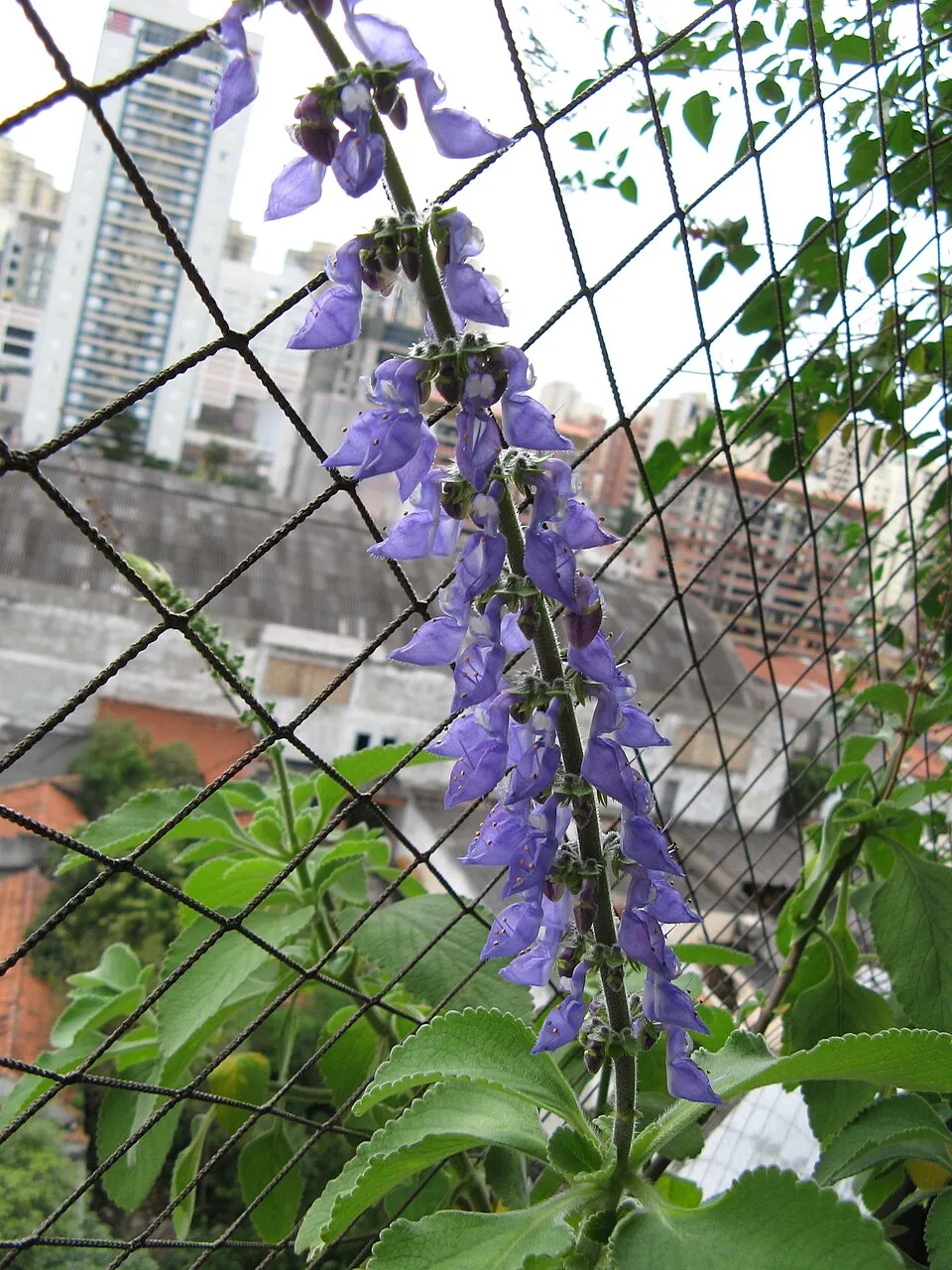
Plectranthus barbatus, widely recognized as Coleus forskohlii, stands as a robust perennial herbaceous plant indigenous to the tropical and subtropical landscapes of India, Nepal, and Thailand. It flourishes in its native habitat, preferring moist, partially shaded environments, often found beneath the protective canopy of larger trees. As a distinguished member of the extensive Lamiaceae family, commonly known as the mint family, this species typically achieves an impressive height of up to 1 meter, characterized by a naturally bushy and vigorous growth habit.
Its distinctive foliage comprises broadly ovate leaves, approximately 5-10 cm in length, which display a vibrant, bright green coloration. The margins of these leaves are frequently serrated or subtly wavy, and their surface presents a unique velvety texture, enhancing the plant's tactile appeal.
A defining characteristic shared by many members of the Lamiaceae family, the stems of Coleus forskohlii are notably square in cross-section. As the plant matures, its woody base may develop a reddish hue, adding to its visual complexity.
The root system, which is of paramount medicinal interest, is tuberous and fleshy, serving as a vital storage organ for its active compounds, most notably forskolin.
Reproductively, Plectranthus barbatus produces an inflorescence in the form of an upright raceme, adorned with charming, delicate flowers. These blooms typically range in color from pale lavender to a deeper, richer violet, providing a striking contrast to its green foliage. Flowering predominantly occurs in the late summer and early autumn months, attracting various pollinators.
Following successful pollination, the plant produces small, inconspicuous seeds. Taxonomically, its placement within the genus Plectranthus underscores its connection to a wide array of aromatic plants, all sharing the distinguishing features of the mint family, such as the characteristic square stems and oppositely paired leaves. Beyond its ornamental qualities, Coleus forskohlii holds profound functional value, primarily due to its rich concentration of bioactive diterpenoids.
Trusted Scientific References
1. Authoritative external sources for Plectranthus barbatus
1.1 Wikipedia — Plectranthus barbatus
1.2 Kew POWO (Plants of the World Online)
1.3 PubMed — peer-reviewed research
1.4 NCBI Taxonomy Browser
1.5 GBIF — Global Biodiversity
1.1.Coleus Forskolin — Defining Traits
- ✓Native to tropical — Native to tropical and subtropical regions of India, Nepal, and Thailand.
- ✓Member of the — Member of the Lamiaceae (mint) family, characterized by square stems.
- ✓Tuberous roots are — Tuberous roots are the primary source of medicinal compounds.
- ✓Contains forskolin, a — Contains forskolin, a unique labdane diterpenoid.
- ✓Renowned for its — Renowned for its ability to activate adenylate cyclase and increase cAMP.
- ✓Traditionally utilized in — Traditionally utilized in Ayurvedic medicine for various ailments.
- ✓Promotes vasodilation, benefiting — Promotes vasodilation, benefiting cardiovascular health.
- ✓Supports respiratory function — Supports respiratory function through bronchodilation.
- ✓May aid in — May aid in metabolic processes and weight management.
- ✓Has demonstrated effectiveness — Has demonstrated effectiveness in reducing intraocular pressure.
1.2.Coleus Forskolin — Snapshot Summary
- ✓Ancient Ayurvedic herb, Plectranthus barbatus, known as Coleus forskohlii.
- ✓Primary active compound is forskolin, a potent activator of adenylate cyclase.
- ✓Historically used for cardiovascular, respiratory, and metabolic support.
- ✓Known for its vasodilatory, bronchodilatory, and lipolytic effects.
- ✓Requires caution due to potential interactions with medications and specific health conditions.
- ✓Not recommended during pregnancy, breast-feeding, or before surgery.
2.Coleus Forskolin — Taxonomic Classification
3.Coleus Forskolin — Quick Facts
4.Coleus Forskolin — Plant Morphology
5.Coleus Forskolin — Geographic Distribution
6.Coleus Forskolin — Historical Applications
7.Coleus Forskolin — Bioactive Constituents
- ✓Forskolin — A diterpenoid compound that is the primary active constituent, known for activating adenylate cyclase and increasing cyclic AMP (cAMP) levels.
- ✓Coleonolic Acids — These compounds contribute to the plant's overall pharmacological profile and may possess antioxidant and anti-inflammatory properties.
- ✓Triterpenoids — A class of organic compounds found in the plant that can exhibit various biological activities, including anti-inflammatory and antimicrobial effects.
- ✓Flavonoids — Known for their antioxidant properties, flavonoids help protect cells from damage caused by free radicals and may contribute to the plant's anti-inflammatory actions.
- ✓Essential Oils — Contribute to the plant's aroma and may possess antimicrobial and other therapeutic properties.
8.Coleus Forskolin — Modern Studies
- ✓Cardiovascular Support — Forskolin, the primary active compound, is known to activate adenylate cyclase, leading to increased intracellular cyclic AMP (cAMP) levels. This mechanism can promote vasodilation, potentially lowering blood pressure and improving blood flow, making it beneficial for individuals with hypertension and other cardiovascular conditions.
- ✓Weight Management Aid — By boosting cAMP, forskolin can stimulate lipolysis (fat breakdown) and thermogenesis (heat production), contributing to reduced body fat and increased metabolism. This makes it a popular supplement for those seeking to manage their weight.
- ✓Glaucoma Treatment Adjunct — Topical application of forskolin eye drops has shown promise in reducing intraocular pressure, a key factor in glaucoma. Its ability to increase cAMP in the ciliary body may improve aqueous humor outflow.
- ✓Asthma Relief — The bronchodilatory effects of forskolin, mediated by increased cAMP, can help relax the smooth muscles of the airways, potentially alleviating symptoms of asthma and improving respiratory function.
- ✓Allergy Symptom Reduction — By inhibiting the release of histamine and other inflammatory mediators from mast cells, forskolin may help reduce the severity of allergic reactions and symptoms.
- ✓Skin Health Improvement — Some research suggests that forskolin may promote wound healing and improve skin conditions like eczema and psoriasis due to its anti-inflammatory properties and potential to stimulate cell regeneration.
- ✓Cognitive Function Enhancement — Emerging studies indicate that increased cAMP levels may play a role in neuronal signaling and plasticity, suggesting potential benefits for memory and cognitive function, although more research is needed.
- ✓Pain Management — Forskolin's anti-inflammatory actions may contribute to its potential use in managing certain types of pain, particularly those associated with inflammatory processes.
- ✓Bone Health Support — Preliminary research suggests that forskolin might influence bone metabolism, potentially aiding in bone formation and density, which could be beneficial for osteoporosis prevention.
- ✓Digestive Health Support — While less studied, some traditional uses point to benefits for digestive issues, possibly related to its anti-inflammatory effects on the gut lining.
- ✓Cancer Research Potential — In vitro studies have explored forskolin's effects on cancer cells, showing potential to induce apoptosis (programmed cell death) and inhibit proliferation in certain cancer types, warranting further investigation.
- ✓Hormonal Balance — Forskolin's influence on cAMP can indirectly affect various hormonal pathways, potentially playing a role in supporting endocrine function.
- ✓Immune System Modulation — By influencing cellular signaling pathways, forskolin may have a role in modulating immune responses, though this area requires more extensive research.
- ✓Energy Levels Boost — The metabolic effects and potential improvements in cardiovascular function may contribute to an overall increase in energy and vitality.
8.1.Coleus Forskolin — Reported Uses
9.Coleus Forskolin — Adverse Effects
9.1.Coleus Forskolin — Possible Adverse Reactions
- ✓While generally considered safe for short-term use, Coleus forskohlii can cause side effects such as gastrointestinal upset, including nausea, diarrhea, and stomach irritation.
- ✓Some individuals may experience dizziness or headaches.
- ✓It is important to start with a low dose to assess tolerance.
9.2.Coleus Forskolin — Safety Profile
- ✓Coleus forskohlii is generally considered safe for most adults when used orally and topically for medicinal purposes.
- ✓However, pregnant or breastfeeding women should avoid its use due to a lack of safety data.
- ✓Individuals with bleeding disorders or those taking blood-thinning medications should exercise caution, as forskolin may affect blood clotting.
10.Coleus Forskolin — How to Use
- ✓Standardized Extracts — Commonly consumed as capsules or tablets containing standardized Coleus forskohlii root extract, ensuring a consistent concentration of forskolin.
- ✓Tinctures — Liquid extracts made by macerating the root in alcohol, allowing for flexible dosing and rapid absorption when taken orally.
- ✓Powdered Root — Dried and ground root material can be incorporated into teas, smoothies, or culinary preparations for a more traditional approach.
- ✓Topical Applications — Forskolin-containing creams or gels are used for localized effects, such as addressing skin conditions or promoting fat reduction in specific areas.
- ✓Eye Drops — Specialized ophthalmic solutions containing forskolin derivatives are prescribed for managing intraocular pressure in conditions like glaucoma.
- ✓Inhalation — Forskolin powder has been explored for inhalation in controlled medical settings for respiratory conditions like asthma, though this is less common for general use.
- ✓Traditional Decoctions — In Ayurvedic medicine, the root may be boiled in water to create a decoction, consumed for its systemic benefits.
11.Coleus Forskolin — Propagation & Care
- ✓Climate Preference — Thrives in tropical to subtropical climates with high humidity and consistent warmth, ideally above 15°C (59°F).
- ✓Soil Requirements — Prefers well-drained, fertile soil rich in organic matter, with a slightly acidic to neutral pH (6.0-7.0).
- ✓Light Exposure — Best grown in partial shade, mimicking its natural understory habitat; direct, intense sunlight can scorch leaves.
- ✓Watering Regime — Requires consistent moisture, but avoid waterlogging; allow the topsoil to dry slightly between waterings.
- ✓Propagation Techniques — Can be propagated from seeds, stem cuttings, or by dividing its tuberous roots, with cuttings being the most common and efficient method.
- ✓Harvesting — The tuberous roots, which contain the highest concentration of forskolin, are typically harvested after 1-2 years of growth, usually in the late growing season.
- ✓Pest and Disease Management — Generally robust, but susceptible to common garden pests like aphids and spider mites; good air circulation helps prevent fungal diseases.
Reviewed by the Flora Medical Global Botanical Review Panel
Multi-disciplinary editorial group · Botany · Ethnobotany · Herbal-medicine literature
Who reviewed this: This page was checked by the Flora Medical Global Botanical Review Panel — an in-house editorial group of botany graduates, ethnobotany researchers, and horticulture practitioners who collectively maintain our 7,000+ plant encyclopedia. Meet the team.
Our 4-step verification process
1. Taxonomic verification
Scientific names and synonyms cross-checked against Kew POWO, World Flora Online, and The Plant List.
2. Phytochemical & medicinal cross-reference
Active compounds, traditional uses, and reported activities are cross-referenced with PubMed, USDA Dr. Duke's database, and peer-reviewed ethnobotanical literature.
3. Conservation & distribution check
Distribution, ecology, and conservation status confirmed against GBIF occurrence records and the IUCN Red List.
4. Editorial & safety review
Every entry passes an editorial pass for clarity, originality, and safety notices (toxicity, contraindications, dosage caveats) before publication.
Last reviewed:
Important medical disclaimer: This content is for educational and research purposes only. It is not medical advice and is not a substitute for consultation with a licensed healthcare provider. Do not use any herb to self-treat a medical condition without professional guidance.
Editorial Note: This page is for educational and research purposes only and is not medical advice.
Written by: Flora Medical Global Editorial Team
Reviewed by: Flora Medical Global Botanical Review Panel
Last Updated: June 15, 2026





Coleus Forskolin — Comments & Community Reviews
Rate this plant