

Medical Disclaimer: This content is for educational purposes only. It is not medical advice. Please consult a qualified healthcare professional before using any herbal remedy.
Safety Overview
1.Colocasia Garden — Introduction & Highlights
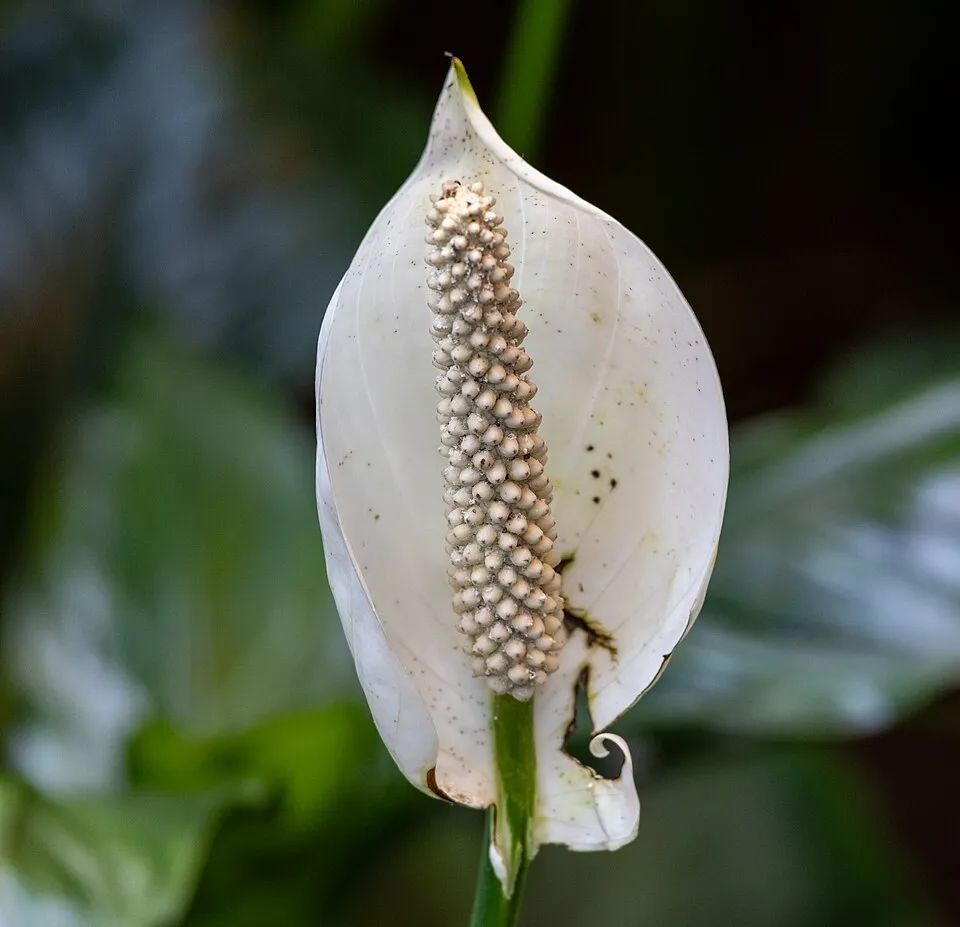
Colocasia Garden, scientifically known as Colocasia esculenta, is a striking herbaceous perennial belonging to the Araceae family, widely recognized for its dramatic foliage and edible corms. This plant typically achieves a height of up to 1.5 meters (5 feet), though some cultivars can grow larger, creating a lush, tropical aesthetic. Its most distinctive feature is its immense, heart-shaped to sagittate leaves, which can reach impressive dimensions of up to 90 centimeters (35 inches) in length and 70 centimeters (27 inches) in width.
These leaves are typically a vibrant, glossy green, contributing significantly to its ornamental appeal, often earning it the common name 'Elephant Ear'. The plant's robust, fleshy stems are adept at water storage, enhancing its resilience in diverse environments. While primarily valued for its foliage and underground corms, Colocasia esculenta does produce a characteristic inflorescence—a greenish-white spathe enveloping a spadix—though flowering is less frequent in cultivated specimens.
Native to tropical and subtropical regions, particularly Southeast Asia, parts of Africa, and South America, Colocasia esculenta thrives in moist, marshy conditions and rich, loamy soils. Taxonomically, it is a key member of the Araceae family, known for its diverse and often economically important species. Beyond its ornamental use, its corms are a staple food crop in many cultures, often referred to as 'Taro' or 'Dasheen', highlighting its versatility as both a garden specimen and a vital food source.
Trusted Scientific References
1. Authoritative external sources for Colocasia esculenta garden
1.1 Wikipedia — Colocasia esculenta garden
1.2 Kew POWO (Plants of the World Online)
1.3 PubMed — peer-reviewed research
1.4 NCBI Taxonomy Browser
1.5 GBIF — Global Biodiversity
1.6Colocasia Garden should be interpreted through verified botanical identity, practical care, and responsible safety language. This recovery note adds the missing context needed for a complete profile: match light to the plant's habit, use well-drained soil, water according to season, and avoid unsupported medicinal or edible claims. For publishing, the plant can be presented as a source-backed garden plant with clear care guidance, common problem diagnosis, and conservative safety wording.
1.1.Colocasia Garden — Standout Qualities
- ✓Large, heart — shaped to sagittate leaves, providing a dramatic tropical aesthetic.
- ✓Edible underground corms, — Edible underground corms, commonly known as Taro or Dasheen, a global staple food.
- ✓Native to tropical — Native to tropical and subtropical regions, thriving in warm, moist environments.
- ✓Contains calcium oxalate — Contains calcium oxalate crystals, requiring thorough cooking to remove irritants.
- ✓Rich in dietary — Rich in dietary fiber, complex carbohydrates, and essential vitamins and minerals.
- ✓Valued in traditional — Valued in traditional medicine systems for its cooling and digestive properties.
- ✓Adaptable plant, used — Adaptable plant, used ornamentally as 'Elephant Ears' or as a houseplant.
- ✓Fleshy, succulent stems — Fleshy, succulent stems allow for efficient water storage.
- ✓Exhibits a clumping — Exhibits a clumping growth habit, growing from a central corm.
1.2.Colocasia Garden — Concise Overview
- ✓Colocasia esculenta, or Taro/Elephant Ear, is a tropical perennial with large, ornamental leaves and edible corms.
- ✓Its corms are a staple food, rich in complex carbohydrates, fiber, vitamins, and minerals.
- ✓Traditionally used in Ayurveda and TCM for digestive issues, inflammation, and energy.
- ✓Contains calcium oxalate crystals in its raw state, necessitating thorough cooking before consumption.
- ✓Offers nutritional benefits including digestive support, blood sugar regulation, and antioxidant activity.
2.Colocasia Garden — Scientific Profile
3.Colocasia Garden — Reference Facts
4.Colocasia Garden — Structural Profile
5.Colocasia Garden — Geographic Distribution
6.Colocasia Garden — Historical Applications
7.Colocasia Garden — Secondary Metabolites
- ✓Carbohydrates — Primarily starch (amylose and amylopectin) in the corms, serving as a significant energy source; also contains resistant starch beneficial for gut health.
- ✓Dietary Fiber — Both soluble and insoluble fibers are abundant, contributing to digestive regularity, cholesterol reduction, and blood sugar control.
- ✓Vitamins — Rich in Vitamin C (ascorbic acid) for immune support and antioxidant activity, B vitamins (especially B6, folate, thiamine, riboflavin) crucial for metabolism, and Vitamin E.
- ✓Minerals — Contains significant amounts of potassium for blood pressure regulation, manganese for antioxidant defense, copper for iron metabolism, and magnesium, phosphorus, and zinc.
- ✓Polyphenols and Flavonoids — Various phenolic acids and flavonoids, such as quercetin and anthocyanins (in some colored cultivars), provide potent antioxidant and anti-inflammatory effects.
- ✓Calcium Oxalate — Present in all parts of the raw plant as needle-like raphides, responsible for the irritating sensation and toxicity if not properly cooked and processed.
- ✓Proteins — Contains a moderate amount of plant-based proteins, contributing to its nutritional value as a staple food.
- ✓Saponins — Certain saponin compounds may be present, contributing to some traditional medicinal actions, though requiring further research.
8.Colocasia Garden — Modern Studies
- ✓Digestive Health Support — The high dietary fiber content in Colocasia esculenta corms aids in regulating bowel movements, preventing constipation, and supporting overall gut health.
- ✓Anti-inflammatory Properties — Traditional medicine systems like Ayurveda recognize the tubers for their cooling nature, which is utilized to alleviate conditions associated with heat and inflammation.
- ✓Blood Sugar Regulation — The complex carbohydrates and dietary fiber found in Taro help slow down sugar absorption, contributing to more stable blood glucose levels, beneficial for managing diabetes.
- ✓Cardiovascular Health — Rich in potassium, Colocasia esculenta helps maintain healthy blood pressure, while its fiber content can reduce cholesterol levels, supporting heart health.
- ✓Antioxidant Protection — Containing vitamins like C and E, along with various phenolic compounds, Taro offers antioxidant benefits, combating free radical damage and reducing oxidative stress.
- ✓Immune System Boost — The presence of Vitamin C in both the leaves and corms contributes to a stronger immune response, aiding the body in fighting off infections.
- ✓Energy Fortification — As a rich source of complex carbohydrates, especially starch in the corms, Colocasia provides sustained energy, aligning with its traditional use in TCM for energy enhancement.
- ✓Skin Health Enhancement — The hydrating properties and vitamins present in Colocasia can contribute to healthier skin, promoting a natural glow and aiding in tissue repair.
- ✓Weight Management Aid — The high fiber content promotes satiety, helping to reduce overall calorie intake and support healthy weight management efforts.
- ✓Bone Health Support — Essential minerals like magnesium, phosphorus, and manganese found in Taro play roles in maintaining bone density and strength.
8.1.Colocasia Garden — Indications & Uses
9.Colocasia Garden — Risk Profile
9.1.Colocasia Garden — Caution Notes
- ✓Oral and Gastrointestinal Irritation — Consuming raw Colocasia esculenta causes severe burning, swelling, and irritation in the mouth, throat, and digestive tract due to calcium oxalate crystals.
- ✓Allergic Reactions — Some individuals may experience allergic reactions, including skin rashes, itching, or respiratory symptoms, upon contact or ingestion.
- ✓Digestive Upset — Improperly cooked Colocasia can lead to nausea, vomiting, stomach pain, and diarrhea.
- ✓Kidney Stone Risk — Individuals prone to kidney stones should exercise caution due to the oxalate content, even when cooked, as residual oxalates may contribute to stone formation.
- ✓Skin Irritation — Direct skin contact with raw sap can cause itching and dermatitis in sensitive individuals.
- ✓Pet Toxicity — The raw plant is toxic to pets (cats, dogs, horses) and children, causing oral irritation and digestive distress if ingested.
9.2.Colocasia Garden — Safety Profile
- ✓Mandatory Thorough Cooking — All parts of Colocasia esculenta, especially the corms and leaves, MUST be thoroughly cooked (boiled, steamed, roasted) to break down and neutralize irritating calcium oxalate crystals.
- ✓Avoid Raw Consumption — Never consume any part of Colocasia esculenta raw, as it contains potent irritants that can cause severe oral and gastrointestinal discomfort.
- ✓Pregnancy and Lactation — Pregnant and breastfeeding women should consume Colocasia only in moderation and ensure it is always well-cooked; consult a healthcare provider for medicinal use.
- ✓Oxalate Sensitivity — Individuals with a history of kidney stones, gout, or other oxalate-sensitive conditions should consume Colocasia with caution, even when cooked, due to residual oxalate content.
- ✓Allergic Predisposition — Those with known allergies to other Araceae family plants should approach Colocasia with caution.
- ✓Children and Pets — Keep raw plants out of reach of children and pets, as ingestion can lead to significant irritation and discomfort.
- ✓Consult a Professional — For any medicinal application, always consult a qualified medical herbalist or healthcare professional to ensure safe and appropriate use.
10.Colocasia Garden — Application Forms
- ✓Culinary Preparation of Corms — Taro corms must be thoroughly cooked (boiled, steamed, roasted, fried) to neutralize calcium oxalate crystals before consumption.
- ✓Leafy Green Preparation — Young Colocasia leaves can be cooked and consumed like spinach, but require prolonged boiling or steaming to remove oxalates.
- ✓Flour Production — Dried and ground taro corms can be processed into flour, used in various baked goods and as a thickening agent.
- ✓Traditional Decoctions — In some traditional systems, cooked tubers are prepared as decoctions for internal use to address digestive issues or inflammation.
- ✓Topical Applications (with caution) — Historically, cooked and mashed corms or leaves have been used in poultices for minor skin irritations, always ensuring thorough cooking to prevent irritation.
- ✓Fermented Products — In certain cultures, taro is fermented to produce dishes like poi, which enhances digestibility and nutrient availability.
- ✓Juices and Smoothies (cooked) — Cooked taro can be incorporated into healthy juices or smoothies for added nutrients and fiber, ensuring it is never raw.
11.Colocasia Garden — Growing Guide
- ✓Site Selection — Prefers partial shade to filtered sun; too much direct sun can scorch leaves, while deep shade can reduce vigor.
- ✓Soil Requirements — Thrives in moist, rich, well-draining, loamy soils with a slightly acidic to neutral pH (6.0-7.0).
- ✓Watering — Requires consistently moist to wet conditions; ideal for water gardens or edges of ponds, should never be allowed to dry out.
- ✓Propagation — Primarily propagated from corms or cormels (offsets), which can be divided from mature plants in spring.
- ✓Fertilization — Benefits from regular feeding with a balanced liquid fertilizer during the growing season, especially in container plantings.
- ✓Climate and Hardiness — Best suited for tropical and subtropical climates; in cooler zones, it can be grown as an annual or brought indoors as a houseplant during winter.
- ✓Pest and Disease Management — Generally robust, but watch for common garden pests like aphids or spider mites, and ensure good air circulation to prevent fungal issues.
Reviewed by the Flora Medical Global Botanical Review Panel
Multi-disciplinary editorial group · Botany · Ethnobotany · Herbal-medicine literature
Who reviewed this: This page was checked by the Flora Medical Global Botanical Review Panel — an in-house editorial group of botany graduates, ethnobotany researchers, and horticulture practitioners who collectively maintain our 7,000+ plant encyclopedia. Meet the team.
Our 4-step verification process
1. Taxonomic verification
Scientific names and synonyms cross-checked against Kew POWO, World Flora Online, and The Plant List.
2. Phytochemical & medicinal cross-reference
Active compounds, traditional uses, and reported activities are cross-referenced with PubMed, USDA Dr. Duke's database, and peer-reviewed ethnobotanical literature.
3. Conservation & distribution check
Distribution, ecology, and conservation status confirmed against GBIF occurrence records and the IUCN Red List.
4. Editorial & safety review
Every entry passes an editorial pass for clarity, originality, and safety notices (toxicity, contraindications, dosage caveats) before publication.
Last reviewed:
Important medical disclaimer: This content is for educational and research purposes only. It is not medical advice and is not a substitute for consultation with a licensed healthcare provider. Do not use any herb to self-treat a medical condition without professional guidance.
Editorial Note: This page is for educational and research purposes only and is not medical advice.
Written by: Flora Medical Global Editorial Team
Reviewed by: Flora Medical Global Botanical Review Panel
Last Updated: June 15, 2026





Colocasia Garden — Comments & Community Reviews
Rate this plant