

Medical Disclaimer: This content is for educational purposes only. It is not medical advice. Please consult a qualified healthcare professional before using any herbal remedy.
Safety Overview
1.Combretum — Essential Profile
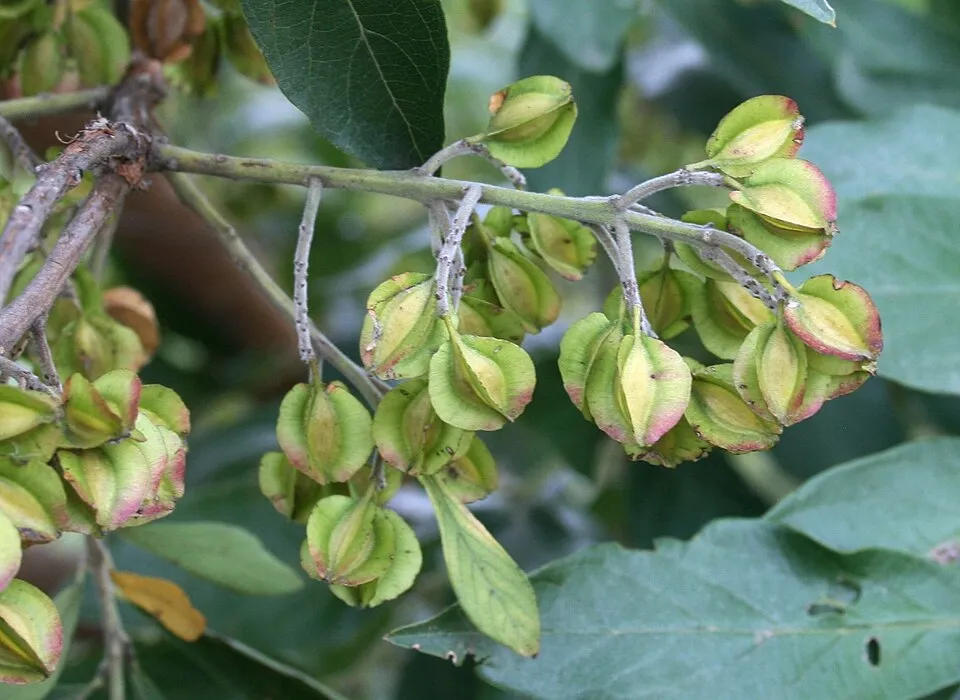
Combretum erythrophyllum, commonly known as the Bush Willow or River Bushwillow, is an elegant, medium to large-sized semi-deciduous to deciduous tree belonging to the Combretaceae family. This species is indigenous to the riparian zones and woodlands of southern Africa, extending its natural range from Zimbabwe southwards into the Eastern Cape of South Africa. It thrives specifically along riverbanks and in areas where ample groundwater is accessible, indicative of its water-loving nature.
Typically, the River Bushwillow achieves a height of 7 to 12 meters, though impressive specimens can reach up to 20 meters, forming a characteristic rounded to broadly spreading canopy. Its trunk often presents as multi-stemmed or with a gracefully leaning posture, adding distinctive structural appeal. Young bark is smooth and ranges from pale grey to brownish, progressively maturing into a longitudinally fissured and flaky texture that beautifully exposes lighter patches underneath.
A truly spectacular feature is its autumnal foliage, which transitions into vivid shades of red, purple, and orange before abscission, a trait that directly inspired its specific epithet 'erythrophyllum', meaning 'red-leaf'.
The leaves of Combretum erythrophyllum are simple, arranged oppositely or sub-oppositely along the stems, typically elliptic to ovate with entire margins. They display a lustrous, dark green adaxial surface at maturity, while younger leaves often possess a yellowish hue. The tree flowers from late winter to spring, producing small, inconspicuous yet charming yellowish-green, star-shaped blossoms clustered in dense axillary spikes.
These delicate inflorescences are succeeded by the tree's most iconic diagnostic characteristic: distinctive, four-winged fruits. Initially pale green, these fruits ripen to a yellowish-brown and can remain on the tree for extended periods, providing visual interest long after the leaves have fallen. It is important to note that the seeds contained within these fruit capsules are known to be poisonous.
Ecologically, the River Bushwillow serves as a crucial keystone species in its native riverine ecosystems, providing habitat and sustenance.
Trusted Scientific References
1. Authoritative external sources for Combretum erythrophyllum
1.1 Wikipedia — Combretum erythrophyllum
1.2 Kew POWO (Plants of the World Online)
1.3 PubMed — peer-reviewed research
1.4 NCBI Taxonomy Browser
1.5 GBIF — Global Biodiversity
1.1.Combretum — Distinguishing Points
- ✓Distinctive Red Autumn Foliage — Inspires its scientific name 'erythrophyllum', meaning 'red-leaf'.
- ✓Iconic Four — Winged Fruits — A key diagnostic feature, changing from green to yellow-brown.
- ✓Riparian Habitat — Thrives along riverbanks and in areas with consistent groundwater.
- ✓Ethnomedicinal Importance — Traditionally used in southern Africa for a range of conditions.
- ✓Rich Phytochemistry — Contains diverse compounds like flavonoids, triterpenoids, and stilbenes.
- ✓Documented Pharmacological Activities — Including antibacterial, antifungal, and anti-inflammatory effects.
- ✓Potent Cytotoxic Compounds — Notably combretastatins, with research potential.
- ✓High Toxicity Level — Seeds and fruits are poisonous, and certain internal uses can be fatal.
- ✓Multi — stemmed Growth Habit — Often forms a graceful, leaning or spreading canopy.
- ✓Keystone Species — Plays an important ecological role in its native environment.
1.2.Combretum — Concise Overview
- ✓Combretum erythrophyllum is a southern African tree known for its striking red autumn foliage and four-winged fruits.
- ✓Historically valued in traditional medicine for various ailments, including infections and respiratory issues.
- ✓Phytochemical analysis reveals a rich profile of flavonoids, triterpenoids, and cytotoxic combretastatins.
- ✓Despite traditional uses, the plant, particularly its seeds and certain preparations, is highly toxic.
- ✓Documented adverse effects include severe gastrointestinal distress, organ damage, and fatalities from misuse.
- ✓Extreme caution is paramount; internal use is strongly discouraged and contraindicated for vulnerable populations.
2.Combretum — Scientific Identity
3.Combretum — Vital Statistics
4.Combretum — Botanical Description
5.Combretum — Native Range & Habitat
6.Combretum — Heritage Uses
7.Combretum — Key Phytochemicals
- ✓Polyphenols — These compounds are abundant in Combretum erythrophyllum, contributing to its antioxidant and potential medicinal properties.
- ✓Flavonoids — A diverse group including apigenin, genkwanin, 5-hydroxy-7,4’-dimethoxyflavone, kaempferol, rhamnocitrin, rhamnazin, and quercetin-5,3’-dimethylether, known for antibacterial and anti-inflammatory actions.
- ✓Triterpenoids — Key triterpenoid acids and lactones, notably 30-carboxy-1α-hydroxycycloartanes and 29-carboxy-1α-hydroxyoleanes, have been isolated, contributing to the plant's toxicity and various pharmacological effects.
- ✓Saponins — Present in the plant's extracts, saponins are known for their detergent-like properties and various biological activities, including potential hemolytic effects.
- ✓Stilbenes — A class of phenolic compounds, including combretastatins, which are noted for their potent cytotoxic activity.
- ✓Dihydrostilbenes — Related to stilbenes, these compounds also contribute to the plant's cytotoxic profile and are significant areas of research.
- ✓Erythrophyllic Acid — A specific acidic triterpenoid isolated from Combretum species, recognized for its molluscicidal, antifungal, and anti-inflammatory activities.
- ✓Glycosides — The plant also contains various glycosides, including those derived from triterpenoids, which can influence their bioavailability and activity.
8.Combretum — Evidence-Based Benefits
- ✓Antibacterial Action — Extracts of Combretum erythrophyllum, particularly from the leaves and bark, have demonstrated significant inhibitory effects against various bacterial strains, including Staphylococcus aureus, validating its traditional use for infections.
- ✓Antifungal Properties — Research indicates that certain compounds isolated from the Bush Willow possess fungicidal capabilities, offering potential against various fungal pathogens and supporting traditional applications.
- ✓Anti-inflammatory Effects — The presence of triterpenoids and flavonoids contributes to the plant's anti-inflammatory activity, which may help alleviate symptoms associated with inflammatory conditions.
- ✓Genito-urinary Support — Traditionally, various parts of the plant, including roots and leaves, have been used to address genito-urinary issues, including venereal diseases, though with significant safety caveats.
- ✓Cytotoxic Potential — Specific phytochemicals, such as combretastatins, have shown cytotoxic activity in laboratory studies, suggesting potential avenues for future research in cellular health.
- ✓Cough Relief — Decoctions made from the bark or roots of Combretum erythrophyllum have been historically employed in traditional African medicine as a remedy for coughs and respiratory discomfort.
- ✓Abdominal Pain Management — Leaf infusions have been traditionally administered to alleviate abdominal pains and discomfort, highlighting its use in gastrointestinal complaints.
- ✓Purgative Action — Certain traditional preparations, particularly from the roots, have been used as a purgative to relieve constipation, promoting bowel regularity.
- ✓Anthelmintic Use — The seeds, despite their toxicity, have been traditionally used in some cultures as an anthelmintic for dogs, indicating antiparasitic properties.
8.1.Combretum — Health Applications
9.Combretum — Safety Considerations
9.1.Combretum — Reported Side Effects
- ✓Severe Gastrointestinal Distress — Ingestion of Combretum erythrophyllum, especially seeds and fruits, can cause severe abdominal pain, persistent hiccups, vomiting, and confusion.
- ✓Organ Toxicity — Documented cases of liver and kidney damage, and even death, have occurred from the inappropriate internal use of various plant parts, particularly roots and bark.
- ✓Vaginal Irritation and Systemic Toxicity — Traditional vaginal insertion of powdered roots or bark has led to severe localized irritation, systemic poisoning, and fatalities.
- ✓Allergic Reactions — Sensitive individuals may experience allergic skin reactions or respiratory symptoms upon contact with the plant material.
- ✓Mutagenic Properties — Some studies indicate potential mutagenic effects of extracts, raising concerns about long-term cellular damage and safety.
- ✓Pregnancy Complications — Traditional use to facilitate delivery has been associated with adverse outcomes, making its use during pregnancy highly contraindicated.
9.2.Combretum — Clinical Safety Notes
- ✓High Toxicity Warning — Combretum erythrophyllum, particularly its seeds and fruits, is highly toxic when ingested, and certain traditional preparations have proven fatal.
- ✓Avoid Internal Use — Internal consumption of any part of the Bush Willow is strongly discouraged without strict medical supervision due to significant risks of poisoning and adverse effects.
- ✓Pregnancy and Lactation Contraindication — Its traditional use during pregnancy for delivery has been linked to severe complications and is absolutely contraindicated for pregnant or nursing individuals.
- ✓Children and Vulnerable Populations — Keep all parts of the plant away from children and individuals with compromised health due to extreme toxicity.
- ✓Professional Guidance Essential — Any consideration for medicinal use must be under the strict guidance of a qualified medical herbalist or healthcare professional, acknowledging its inherent dangers.
- ✓External Use Caution — Even external applications should be used with caution, avoiding broken skin or mucous membranes, and monitoring for any signs of irritation or systemic absorption.
- ✓Not for Self-Medication — Due to its potent and potentially lethal compounds, Combretum erythrophyllum is not suitable for self-medication.
10.Combretum — Preparation Methods
- ✓Decoctions (Bark/Roots) — Prepare by simmering dried bark or root pieces in water for 15-30 minutes, traditionally used for coughs or externally for skin conditions, with extreme caution for internal use.
- ✓Infusions (Leaves) — Steep fresh or dried leaves in hot water for 5-10 minutes to create an infusion, historically used for abdominal discomfort, but internal use requires expert guidance.
- ✓Topical Applications (Gum/Powder) — The dried and powdered gum can be applied directly to wounds as a traditional antiseptic, while powdered roots have been used topically for other ailments.
- ✓Seed Preparations (Anthelmintic) — Historically, seeds were used as an anthelmintic for animals; however, due to their high toxicity, this practice is not recommended without veterinary supervision.
- ✓External Washes — Diluted decoctions or infusions may be used as external washes for certain skin conditions, avoiding contact with mucous membranes or broken skin.
- ✓Incense/Fumigation — In some traditional practices, plant parts may be burned for their aromatic properties or perceived therapeutic smoke, ensuring good ventilation.
11.Combretum — Cultivation & Care
- ✓Site Selection — Choose a location with ample sunlight and access to consistent moisture, ideally near water bodies or with good irrigation.
- ✓Soil Requirements — Combretum erythrophyllum prefers well-drained, loamy soils, but can adapt to various soil types if moisture is sufficient.
- ✓Propagation — Can be propagated from fresh seeds, which require scarification, or more reliably from semi-hardwood cuttings taken in spring or summer.
- ✓Watering — Requires regular and deep watering, especially during dry periods, to mimic its natural riparian habitat and establish a strong root system.
- ✓Fertilization — Apply a balanced, slow-release fertilizer annually in spring to support vigorous growth, particularly for young trees.
- ✓Pruning — Prune to shape the tree, remove dead or diseased branches, and encourage a strong scaffold structure, best done in late winter or early spring.
- ✓Pest and Disease Control — Generally hardy, but monitor for common tree pests and fungal diseases, addressing issues promptly with appropriate organic or chemical treatments.
Reviewed by the Flora Medical Global Botanical Review Panel
Multi-disciplinary editorial group · Botany · Ethnobotany · Herbal-medicine literature
Who reviewed this: This page was checked by the Flora Medical Global Botanical Review Panel — an in-house editorial group of botany graduates, ethnobotany researchers, and horticulture practitioners who collectively maintain our 7,000+ plant encyclopedia. Meet the team.
Our 4-step verification process
1. Taxonomic verification
Scientific names and synonyms cross-checked against Kew POWO, World Flora Online, and The Plant List.
2. Phytochemical & medicinal cross-reference
Active compounds, traditional uses, and reported activities are cross-referenced with PubMed, USDA Dr. Duke's database, and peer-reviewed ethnobotanical literature.
3. Conservation & distribution check
Distribution, ecology, and conservation status confirmed against GBIF occurrence records and the IUCN Red List.
4. Editorial & safety review
Every entry passes an editorial pass for clarity, originality, and safety notices (toxicity, contraindications, dosage caveats) before publication.
Last reviewed:
Important medical disclaimer: This content is for educational and research purposes only. It is not medical advice and is not a substitute for consultation with a licensed healthcare provider. Do not use any herb to self-treat a medical condition without professional guidance.
Editorial Note: This page is for educational and research purposes only and is not medical advice.
Written by: Flora Medical Global Editorial Team
Reviewed by: Flora Medical Global Botanical Review Panel
Last Updated: June 15, 2026
Combretum — Comments & Community Reviews
Rate this plant