

Medical Disclaimer: This content is for educational purposes only. It is not medical advice. Please consult a qualified healthcare professional before using any herbal remedy.
Safety Overview
1.Comptonia Peregrina — Plant Snapshot
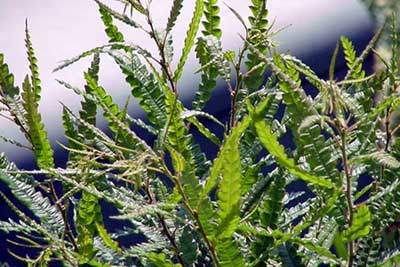
Comptonia peregrina, widely known as sweet fern, is a distinctive deciduous shrub native to the acidic, often sandy or gravelly soils prevalent across northeastern North America. Its natural habitat spans eastern Canada and the northeastern United States, thriving in diverse environments from open woodlands and forest edges to disturbed areas like clearings, roadsides, and abandoned fields. Despite its common name, sweet fern is not a true fern but a member of the Myricaceae family, closely related to bayberry and wax myrtle, a botanical distinction crucial for understanding its unique characteristics and ecological role. This shrub typically reaches a height of 1 to 2 meters (3 to 6 feet), though it often presents as a sprawling, lower-growing plant, forming dense thickets through both rhizomatous spread and seed dispersal. Its slender stems, initially unbranched, become more ramified with age, covered by thin, grayish-brown to reddish-brown bark that may develop a slightly scaly texture.
Young stems often display a reddish hue and a fine hairiness. The most striking feature of sweet fern is its foliage, which strongly mimics that of a true fern, hence its epithet. The leaves are linear to lanceolate, deeply pinnately lobed, creating a finely dissected appearance with each lobe typically entire or subtly crenate. A key identifier is the intense, sweet, and resinous aroma emitted when the leaves are crushed, a result of abundant glandular trichomes secreting volatile essential oils on their surfaces. This aromatic quality holds significant historical and traditional value.
Sweet fern is a monoecious plant, bearing both male and female flowers as distinct catkins on the same individual. These inconspicuous, apetalous flowers emerge in early spring, often preceding or coinciding with the new leaf growth. Male catkins are typically brown, while female flowers are small and yellow-green, developing into whimsical, burr-like clusters containing edible nutlets.
Trusted Scientific References
1. Authoritative external sources for Comptonia peregrina
1.1 Wikipedia — Comptonia peregrina
1.2 Kew POWO (Plants of the World Online)
1.3 PubMed — peer-reviewed research
1.4 NCBI Taxonomy Browser
1.5 GBIF — Global Biodiversity
1.1.Comptonia Peregrina — Standout Qualities
- ✓Distinctive Aromatic Foliage — Emits a sweet, resinous, citrusy-herbal scent when crushed.
- ✓Nitrogen — Fixing Symbiont — Enhances soil fertility, thriving in nutrient-poor or disturbed sites.
- ✓Host Plant for Lepidoptera — Supports 49 species of moths and butterflies, including the sweetfern underwing moth.
- ✓Deer and Rabbit Resistant — Seldom browsed by wildlife, making it suitable for naturalized plantings.
- ✓Drought and Salt Tolerant — Adaptable to harsh conditions, including urban environments and coastal areas.
- ✓Excellent Erosion Control — Rhizomatous growth habit helps stabilize slopes and sandy soils.
- ✓Edible Parts — Young fruits and nutlets are edible; leaves used for tea and seasoning.
- ✓Ornamental Value — Attractive fern-like texture and form, with foliage turning orange-red in fall.
- ✓Low Maintenance Shrub — Requires minimal care once established, preferring specific soil conditions.
- ✓Pioneer Species — Colonizes quickly after disturbance, an important ecological component of its native range.
1.2.Comptonia Peregrina — Concise Overview
- ✓North American native shrub with distinctive fern-like, aromatic foliage.
- ✓Valued for its traditional medicinal uses, including digestive and respiratory support.
- ✓Ecologically significant as a nitrogen fixer and host plant for various lepidoptera.
- ✓Thrives in poor, acidic, well-drained soils and is highly deer/rabbit and drought tolerant.
- ✓Leaves and fruits are edible, used in teas, as seasoning, and for their fragrant properties.
- ✓Low maintenance plant, ideal for erosion control and naturalized landscapes.
2.Comptonia Peregrina — Taxonomic Classification
3.Comptonia Peregrina — Quick Facts
4.Comptonia Peregrina — Structural Profile
5.Comptonia Peregrina — Geographic Distribution
6.Comptonia Peregrina — Ethnobotanical Uses
7.Comptonia Peregrina — Bioactive Constituents
- ✓Essential Oils — Rich in monoterpenes like alpha-pinene, limonene, myrcene, and sesquiterpenes, these volatile compounds are responsible for the plant's characteristic sweet, resinous aroma and contribute to its antimicrobial and anti-inflammatory activities.
- ✓Flavonoids — Compounds such as myricetin and myricitrin are present, known for their antioxidant, anti-inflammatory, and astringent properties, contributing to cellular protection.
- ✓Tannins — Predominantly gallotannins and condensed tannins, these compounds impart significant astringency, making sweet fern effective for wound healing, reducing inflammation, and as a digestive aid.
- ✓Phenolic Acids — Includes compounds like gallic acid and caffeic acid, which possess antioxidant and anti-inflammatory effects, supporting overall cellular health.
- ✓Triterpenoids — These diverse compounds contribute to various biological activities, including anti-inflammatory and adaptogenic properties, though specific roles require further research.
- ✓Saponins — While typically in lower concentrations, saponins may contribute to the plant's expectorant and mild cleansing properties.
- ✓Resins — The sticky, aromatic resins found in the glandular trichomes contain many of the essential oils and protective compounds, aiding in the plant's defense mechanisms and medicinal uses.
- ✓Fatty Acids — Present in the edible nutlets, providing nutritional value and potentially contributing to skin health when used topically.
8.Comptonia Peregrina — Research Insights
- ✓Digestive Aid — Traditionally, sweet fern tea has been used to soothe gastrointestinal discomfort, including mild diarrhea and stomach aches, attributed to its astringent properties.
- ✓Anti-inflammatory Support — The plant's essential oils and certain phenolic compounds may contribute to anti-inflammatory effects, potentially alleviating minor aches and swelling.
- ✓Astringent Properties — Rich in tannins, sweet fern acts as an astringent, making it useful in topical applications for minor wounds, skin irritations, and as a gargle for sore throats.
- ✓Respiratory Health — The aromatic vapors from sweet fern leaves, particularly when steeped as a tea or used in steam inhalation, are traditionally employed to clear congestion and ease coughs associated with colds.
- ✓Antimicrobial Action — Volatile compounds within the essential oils may exhibit mild antimicrobial properties, supporting the body's natural defenses against certain pathogens.
- ✓Diuretic Effect — Some traditional uses suggest a mild diuretic action, aiding in fluid balance and supporting kidney function.
- ✓Skin Soothing — Applied as a poultice or wash, the plant can help calm irritated skin, insect bites, and minor rashes due to its anti-inflammatory and astringent qualities.
- ✓Fever Reduction — Native American traditions sometimes utilized sweet fern preparations to help reduce fevers, likely through its diaphoretic and anti-inflammatory actions.
- ✓Nutritional Support — The young fruits and nutlets offer a minor edible component, providing trace nutrients, while the leaves can be used as a seasoning.
8.1.Comptonia Peregrina — Indications & Uses
9.Comptonia Peregrina — Adverse Effects
9.1.Comptonia Peregrina — Side Effects & Warnings
- ✓Allergic Reactions — Individuals sensitive to plants in the Myricaceae family may experience skin irritation or allergic reactions upon contact or ingestion.
- ✓Gastrointestinal Upset — Excessive consumption of sweet fern tea or other preparations may lead to mild stomach upset, nausea, or constipation due to its astringent tannin content.
- ✓Medication Interactions — Due to its potential diuretic or astringent effects, sweet fern may theoretically interact with certain medications, such as diuretics or iron supplements.
- ✓Pregnancy & Lactation — Insufficient research exists regarding its safety during pregnancy and breastfeeding; therefore, use should be avoided or done under medical supervision.
- ✓Skin Irritation — While generally soothing, some individuals may experience contact dermatitis from direct skin exposure, especially with prolonged contact.
- ✓Blood Thinning — Although not well-documented, some plant compounds can theoretically affect blood coagulation; caution is advised for individuals on anticoagulant therapy.
9.2.Comptonia Peregrina — Risk Assessment
- ✓Consult a Healthcare Professional — Always seek advice from a qualified practitioner before using sweet fern, especially if pregnant, breastfeeding, or on medication.
- ✓Patch Test for Topical Use — Before widespread topical application, perform a patch test on a small area of skin to check for allergic reactions or sensitivities.
- ✓Moderate Consumption — Adhere to recommended dosages for internal use; excessive intake may lead to adverse effects.
- ✓Avoid During Pregnancy/Lactation — Due to limited safety data, pregnant and lactating women should refrain from using sweet fern internally.
- ✓Monitor for Allergic Reactions — Discontinue use immediately if any signs of allergic reaction, such as rash, itching, or swelling, occur.
- ✓Children & Infants — Use in children and infants is not well-studied and should be avoided or supervised by a medical professional.
- ✓Quality Sourcing — Ensure the plant material is sourced from reputable suppliers to guarantee purity and prevent contamination.
10.Comptonia Peregrina — Preparation & Dosage
- ✓Herbal Tea Infusion — Steep 1-2 teaspoons of fresh or dried sweet fern leaves in hot water for 5-10 minutes to create an aromatic and soothing tea, traditionally used for digestive and respiratory ailments.
- ✓Culinary Seasoning — The aromatic leaves, fresh or dried, can be finely chopped and used as a unique seasoning for meats, stews, or baked goods, imparting a slightly citrusy, pungent, and herbal flavor.
- ✓Topical Poultice — Crush fresh leaves and apply directly to minor skin irritations, insect bites, or small wounds to utilize its astringent and anti-inflammatory properties.
- ✓Steam Inhalation — Add a handful of fresh or dried leaves to a bowl of hot water, cover your head with a towel, and inhale the aromatic steam to help clear nasal and chest congestion.
- ✓Edible Nutlets — The small, edible nutlets found within the bristly burrs can be consumed as a pleasant snack, offering a mild, nutty flavor.
- ✓Aromatic Sachets — Dried sweet fern leaves can be placed in sachets to freshen linens or act as a natural insect repellent in closets.
- ✓Tincture Preparation — Macerate fresh sweet fern leaves in high-proof alcohol for several weeks to create a concentrated liquid extract for internal or external use.
- ✓Herbal Bath — Add a strong infusion of sweet fern leaves to bathwater to soothe irritated skin and enjoy its refreshing aroma.
11.Comptonia Peregrina — Propagation & Care
- ✓Site Selection — Prefers full sun to part shade; thrives in challenging, well-drained, acidic soils that are sandy or gravelly.
- ✓Soil Requirements — Adaptable to nutritionally poor soils, it performs best in pH levels between 4.5 and 6.0, tolerating dry conditions.
- ✓Planting — Best established from nursery stock as it does not transplant well from wild settings; allows time for establishment as initial growth can be slow.
- ✓Water & Drainage — Requires average to dry soil moisture; highly drought-tolerant once established.
- ✓Maintenance — Low maintenance; suckers can be thinned occasionally to manage spread or desired shape.
- ✓Nitrogen Fixation — As a nitrogen-fixing plant, it improves soil fertility, making it ideal for disturbed or nutrient-poor sites.
- ✓Hardiness — Hardy in USDA zones 2 through 6, enduring cold winters and varying environmental conditions.
- ✓Propagation — Spreads effectively through rhizomes and seed dispersal, colonizing areas quickly after disturbance events.
Reviewed by the Flora Medical Global Botanical Review Panel
Multi-disciplinary editorial group · Botany · Ethnobotany · Herbal-medicine literature
Who reviewed this: This page was checked by the Flora Medical Global Botanical Review Panel — an in-house editorial group of botany graduates, ethnobotany researchers, and horticulture practitioners who collectively maintain our 7,000+ plant encyclopedia. Meet the team.
Our 4-step verification process
1. Taxonomic verification
Scientific names and synonyms cross-checked against Kew POWO, World Flora Online, and The Plant List.
2. Phytochemical & medicinal cross-reference
Active compounds, traditional uses, and reported activities are cross-referenced with PubMed, USDA Dr. Duke's database, and peer-reviewed ethnobotanical literature.
3. Conservation & distribution check
Distribution, ecology, and conservation status confirmed against GBIF occurrence records and the IUCN Red List.
4. Editorial & safety review
Every entry passes an editorial pass for clarity, originality, and safety notices (toxicity, contraindications, dosage caveats) before publication.
Last reviewed:
Important medical disclaimer: This content is for educational and research purposes only. It is not medical advice and is not a substitute for consultation with a licensed healthcare provider. Do not use any herb to self-treat a medical condition without professional guidance.
Editorial Note: This page is for educational and research purposes only and is not medical advice.
Written by: Flora Medical Global Editorial Team
Reviewed by: Flora Medical Global Botanical Review Panel
Last Updated: June 15, 2026





Comptonia Peregrina — Comments & Community Reviews
Rate this plant