

Medical Disclaimer: This content is for educational purposes only. It is not medical advice. Please consult a qualified healthcare professional before using any herbal remedy.
Safety Overview
1.Coral Bells — Essential Profile
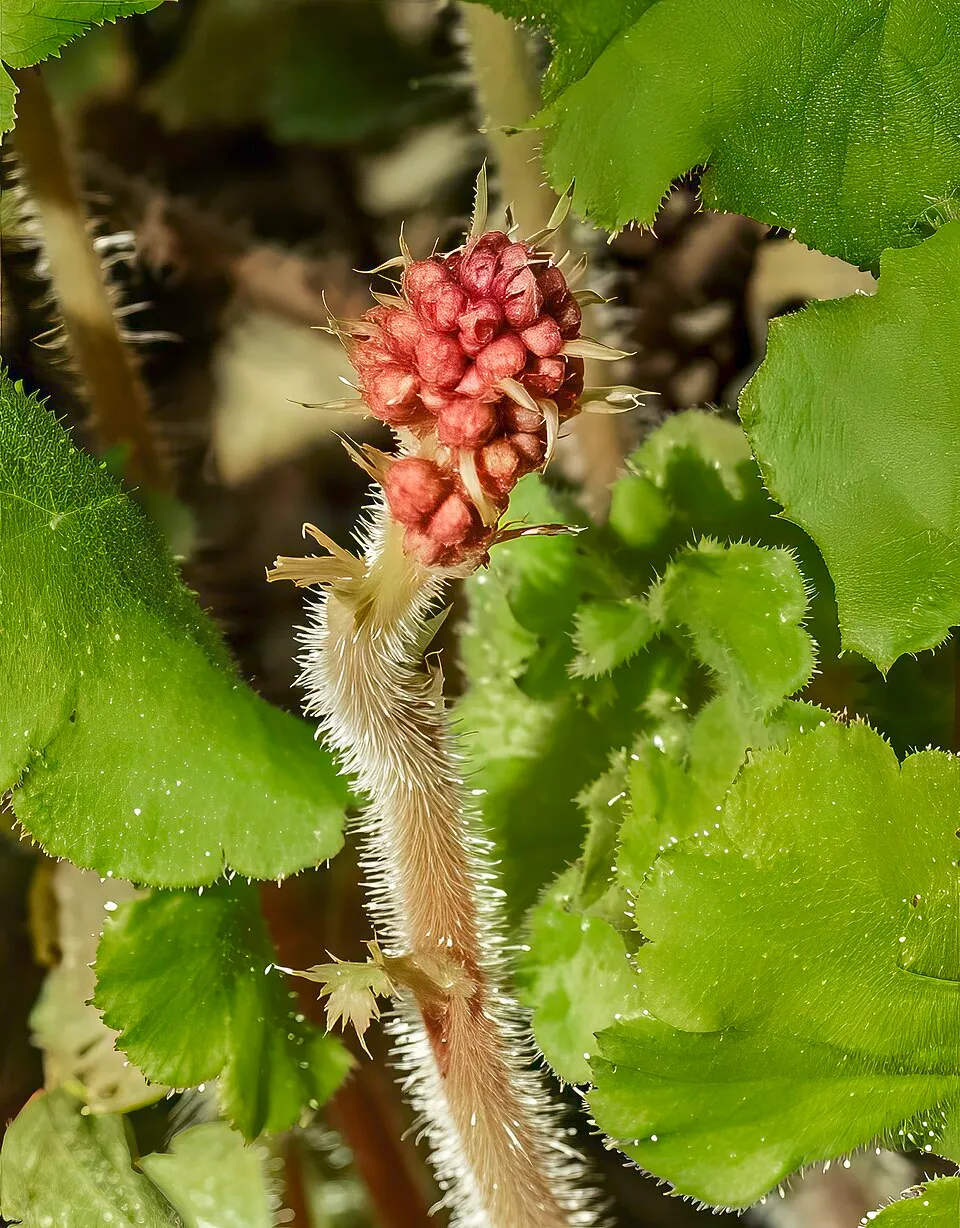
Heuchera sanguinea, commonly known as Coral Bells or sometimes Alumroot, is a captivating herbaceous perennial belonging to the Saxifragaceae family. This species is celebrated for its remarkable ornamental value, primarily due to its vibrant, diverse foliage and delicate, airy flower stalks. It typically forms a neat, compact basal mound of leaves, reaching an average height of 30 to 45 cm (12 to 18 inches) with a spread up to 60 cm (24 inches) in diameter.
The leaves, which are the plant's most striking feature, are typically heart-shaped to rounded, often deeply lobed or scalloped, and can measure up to 10 cm (4 inches) across. Their color palette is astonishingly broad, encompassing shades from deep burgundy, rich chocolate, and bronze to bright lime green, soft peach, and shimmering silver, frequently adorned with contrasting veins or margins that enhance their visual appeal. The texture of the leaves can vary from glossy to matte or subtly ruffled, contributing to its dynamic presence as an excellent ground cover in various garden settings.
From late spring through early summer, slender, wiry flower stalks gracefully emerge, rising significantly above the foliage to heights of 60 to 90 cm (24 to 36 inches). These elegant scapes bear numerous small, bell-shaped flowers arranged in loose panicles. The blooms typically range in color from pristine white and soft pink to vivid coral and deep crimson, which directly inspired its popular common name, 'Coral Bells'.
These nectar-rich flowers are a significant attraction for pollinators, especially hummingbirds and various bee species, adding a lively ecological dimension to the plant's aesthetic. Native to the southwestern United States, specifically Arizona, New Mexico, and parts of Texas, extending into northern Mexico (Sonora), Heuchera sanguinea thrives in rocky, shaded woodland areas, canyon walls, and forest understories. It prefers filtered light and well-drained, humus-rich soils, making it an ideal choice for similar garden environments.
Taxonomically, it was previously known by synonyms such as Heuchera pulchra and Heuchera sanguinea var. pulchra.
Trusted Scientific References
1. Authoritative external sources for Heuchera sanguinea
1.1 Wikipedia — Heuchera sanguinea
1.2 Kew POWO (Plants of the World Online)
1.3 PubMed — peer-reviewed research
1.4 NCBI Taxonomy Browser
1.5 GBIF — Global Biodiversity
1.1.Coral Bells — Highlights
- ✓Striking Foliage — Diverse leaf colors ranging from green to burgundy, bronze, and silver, often with intricate patterns.
- ✓Delicate Bell — Shaped Flowers — Small, airy blooms in shades of white, pink, coral, and crimson on tall, wiry stalks.
- ✓Pollinator Magnet — Flowers are a significant nectar source, especially for hummingbirds and bees.
- ✓Shade Tolerant — Thrives in partial to full shade, making it versatile for various garden positions.
- ✓Deer and Rabbit Resistant — Generally not favored by garden pests, enhancing its garden utility.
- ✓Astringent Root Properties — Traditional medicinal use for wound healing, diarrhea, and sore throats due to high tannin content.
- ✓Low Maintenance — Once established, requires minimal care, making it popular for gardeners.
- ✓Native to Southwestern US and Mexico — Adapted to rocky, woodland environments.
- ✓Evergreen to Semi — Evergreen — Provides year-round interest in milder climates.
- ✓Compact Clump — Forming Habit — Ideal for ground cover, edging, and container planting.
1.2.Coral Bells — At-a-Glance Summary
- ✓Coral Bells (Heuchera sanguinea) is an ornamental perennial known for vibrant foliage and delicate flowers.
- ✓Traditionally used by Native Americans for its astringent properties, particularly from the root.
- ✓Contains tannins, flavonoids, and phenolic acids, contributing to potential wound healing and anti-inflammatory effects.
- ✓Prefers partial shade and well-drained, humus-rich soil in cultivation.
- ✓Common traditional uses include decoctions for diarrhea and poultices for minor cuts.
- ✓Exercise caution during pregnancy, lactation, and for individuals with gastrointestinal sensitivities.
2.Coral Bells — Scientific Identity
3.Coral Bells — Key Data
4.Coral Bells — Botanical Description
5.Coral Bells — Native Range & Habitat
6.Coral Bells — Folk Medicine Applications
7.Coral Bells — Key Phytochemicals
- ✓Tannins — Predominantly gallotannins and condensed tannins, responsible for the plant's potent astringent properties, historically used for wound healing and digestive complaints like diarrhea.
- ✓Flavonoids — Including quercetin, kaempferol, and their glycosides, which contribute to antioxidant, anti-inflammatory, and potentially antiallergic effects.
- ✓Saponins — Triterpenoid saponins are present, which may possess expectorant, anti-inflammatory, and hemolytic activities, though specific medicinal applications are less documented for this species.
- ✓Phenolic Acids — Such as caffeic acid, ferulic acid, and chlorogenic acid, known for their antioxidant and anti-inflammatory properties, supporting cellular protection.
- ✓Anthocyanins — Pigments responsible for the vibrant red and purple hues in some Heuchera sanguinea cultivars, also acting as potent antioxidants.
- ✓Polysaccharides — Complex carbohydrates that can contribute to immune modulation and soothing properties, particularly for mucous membranes.
- ✓Volatile Compounds — While not a primary constituent for medicinal use, trace amounts of various volatile organic compounds contribute to the plant's subtle fragrance and ecological interactions.
- ✓Minerals — Contains essential macro and micronutrients absorbed from the soil, contributing to general plant health and potentially offering minor nutritional benefits.
8.Coral Bells — Scientific Evidence
- ✓Astringent Properties — Traditionally, the roots of Heuchera species, including Coral Bells, have been recognized for their high tannin content, which provides significant astringent action useful for tightening tissues and reducing secretions.
- ✓Wound Healing Support — Due to its astringent nature, Heuchera sanguinea was historically applied topically to minor cuts, abrasions, and sores to help staunch bleeding and promote the healing process by creating a protective layer.
- ✓Digestive Aid for Diarrhea — Native American tribes traditionally utilized decoctions from the roots to alleviate symptoms of mild diarrhea and dysentery, leveraging its ability to reduce inflammation and tighten intestinal lining.
- ✓Sore Throat and Mouth Ulcer Relief — Infusions or gargles prepared from the root have been used ethnobotanically to soothe inflamed mucous membranes in the throat and mouth, offering relief from sore throats and canker sores.
- ✓Anti-inflammatory Potential — The presence of various phenolic compounds, including flavonoids, suggests a potential for anti-inflammatory effects, which could contribute to its traditional use in alleviating localized swelling and irritation.
- ✓Antioxidant Activity — Phytochemicals such as flavonoids and phenolic acids present in Coral Bells may offer antioxidant protection, helping to neutralize free radicals and support cellular health.
- ✓Hemostatic Qualities — The strong astringent action of the tannins can contribute to hemostatic effects, assisting in controlling minor external bleeding when applied as a poultice.
- ✓Traditional Skin Conditions Treatment — In some traditional practices, poultices made from the leaves or roots were applied to irritated skin conditions or rashes to provide soothing and protective benefits.
- ✓General Tonic Support — While not a primary use, some traditional systems might consider plants rich in tannins and other beneficial compounds as general tonics that support overall bodily resilience.
- ✓Oral Health Maintenance — Due to its astringent and potentially antimicrobial properties, traditional mouth rinses could have contributed to maintaining gum health and combating minor oral infections.
8.1.Coral Bells — Health Applications
9.Coral Bells — Cautions & Contraindications
9.1.Coral Bells — Caution Notes
- ✓Allergic Reactions — Sensitive individuals may experience skin irritation upon topical contact or allergic symptoms if ingested, such as rash, itching, or swelling.
- ✓Gastrointestinal Upset — High doses of root preparations, especially due to high tannin content, can cause stomach upset, nausea, or constipation in some individuals.
- ✓Liver Toxicity — While rare and not well-documented for Heuchera sanguinea, some plants with high tannin levels can, in extremely large or prolonged doses, potentially impact liver function.
- ✓Drug Interactions — The astringent properties may theoretically interfere with the absorption of certain medications if consumed concurrently.
- ✓Iron Absorption Inhibition — Tannins can bind to iron, potentially reducing its absorption from the diet, which could be a concern for individuals with iron deficiency anemia.
- ✓Oral Irritation — Highly concentrated preparations used as a mouthwash may cause temporary dryness or irritation of oral mucous membranes.
9.2.Coral Bells — Safety Profile
- ✓Pregnancy and Lactation — Due to insufficient safety data, pregnant and breastfeeding individuals should avoid using Heuchera sanguinea medicinally.
- ✓Children — Medicinal use in children is not recommended without expert medical advice, owing to limited research and potential for adverse effects.
- ✓Pre-existing Conditions — Individuals with chronic gastrointestinal issues, liver disease, or iron deficiency should exercise caution and consult a healthcare professional before use.
- ✓Dosage — Adhere strictly to recommended dosages, particularly for internal preparations, to minimize the risk of gastrointestinal upset or other adverse effects.
- ✓Allergic History — Individuals with known allergies to plants in the Saxifragaceae family should avoid contact and ingestion.
- ✓External Use Only for Undocumented Conditions — For any significant skin conditions or open wounds, professional medical consultation is essential before applying any herbal remedies.
- ✓Quality Control — Ensure sourced plant material is correctly identified and free from contaminants to guarantee safety and efficacy.
10.Coral Bells — Usage Guide
- ✓Decoction for Internal Use — For traditional digestive support, roots are typically simmered in water for 15-20 minutes to extract tannins and other compounds, then strained and consumed in small doses.
- ✓Topical Poultice for Wounds — Fresh or dried roots can be crushed and mixed with a small amount of water to form a paste, applied directly to minor cuts, scrapes, or skin irritations.
- ✓Infusion for Oral Rinse — Dried leaves or roots can be steeped in hot water for 10-15 minutes to create an infusion, used as a gargle or mouthwash for sore throats or gum inflammation.
- ✓Tincture Preparation — Roots can be macerated in alcohol (e.g., vodka or grain alcohol) for several weeks to create a concentrated liquid extract, suitable for internal or external application in diluted form.
- ✓Salve or Ointment — Infused oil made from the roots can be combined with beeswax to create a topical salve for sustained application on skin conditions or minor injuries.
- ✓Powdered Form — Dried roots can be ground into a fine powder, which can then be encapsulated for internal use or mixed with water for a topical paste.
- ✓Tea for General Wellness — Though less potent, dried leaves can be steeped as a mild tea for general well-being, potentially offering antioxidant benefits.
11.Coral Bells — Cultivation & Care
- ✓Soil Preference — Thrives in well-drained, humus-rich soil; intolerant of heavy clay or constantly wet conditions, which can lead to root rot.
- ✓Light Requirements — Prefers partial to full shade, especially in hotter climates; morning sun with afternoon shade is ideal to prevent leaf scorch.
- ✓Watering — Requires consistent moisture, particularly during dry periods, but avoid overwatering to prevent fungal diseases.
- ✓Fertilization — Benefits from a light application of balanced granular fertilizer in early spring, or compost to enrich soil organic matter.
- ✓Propagation — Can be propagated by division in early spring or fall, or by seed, though seed-grown plants may not be true to cultivar type.
- ✓Pruning — Remove spent flower stalks (deadheading) to encourage continuous blooming and maintain a tidy appearance; prune damaged or dead leaves as needed.
- ✓Pest and Disease Management — Generally resistant to deer and rabbits, but monitor for common issues like root weevils, mealybugs, and root rot (especially in poorly drained soil).
- ✓Winter Care — In colder zones, a layer of mulch can protect crowns from frost heave, though it is generally cold-hardy.
Reviewed by the Flora Medical Global Botanical Review Panel
Multi-disciplinary editorial group · Botany · Ethnobotany · Herbal-medicine literature
Who reviewed this: This page was checked by the Flora Medical Global Botanical Review Panel — an in-house editorial group of botany graduates, ethnobotany researchers, and horticulture practitioners who collectively maintain our 7,000+ plant encyclopedia. Meet the team.
Our 4-step verification process
1. Taxonomic verification
Scientific names and synonyms cross-checked against Kew POWO, World Flora Online, and The Plant List.
2. Phytochemical & medicinal cross-reference
Active compounds, traditional uses, and reported activities are cross-referenced with PubMed, USDA Dr. Duke's database, and peer-reviewed ethnobotanical literature.
3. Conservation & distribution check
Distribution, ecology, and conservation status confirmed against GBIF occurrence records and the IUCN Red List.
4. Editorial & safety review
Every entry passes an editorial pass for clarity, originality, and safety notices (toxicity, contraindications, dosage caveats) before publication.
Last reviewed:
Important medical disclaimer: This content is for educational and research purposes only. It is not medical advice and is not a substitute for consultation with a licensed healthcare provider. Do not use any herb to self-treat a medical condition without professional guidance.
Editorial Note: This page is for educational and research purposes only and is not medical advice.
Written by: Flora Medical Global Editorial Team
Reviewed by: Flora Medical Global Botanical Review Panel
Last Updated: June 15, 2026





Coral Bells — Comments & Community Reviews
Rate this plant