
Medical Disclaimer: This content is for educational purposes only. It is not medical advice. Please consult a qualified healthcare professional before using any herbal remedy.
Safety Overview
1.Corchorus Med — Overview
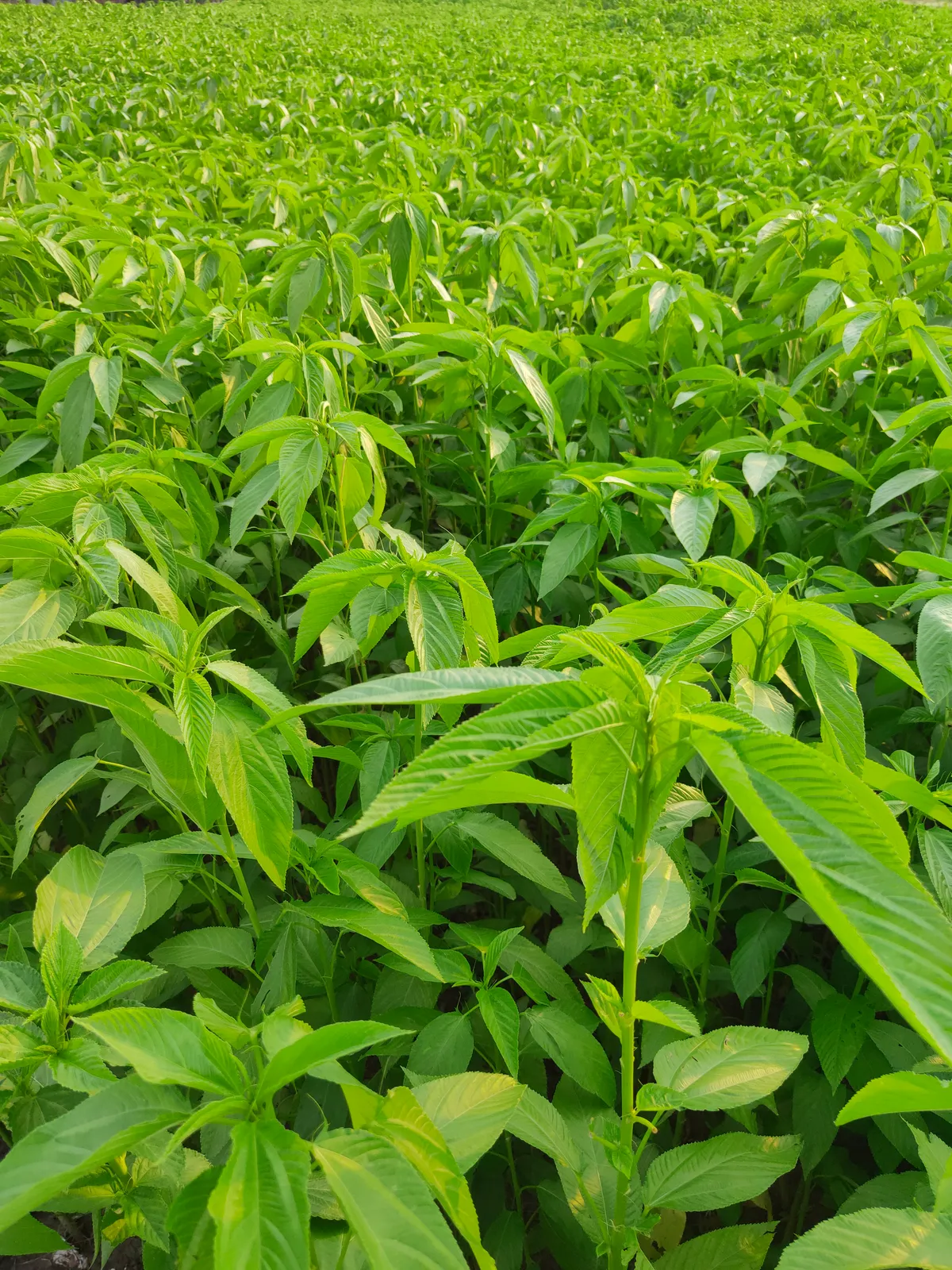
Corchorus capsularis, commonly known as Corchorus Med or the white jute plant, is a significant annual herbaceous species belonging to the Malvaceae family. While it can sometimes persist as a short-lived perennial, it is predominantly cultivated as an annual for its valuable fiber and diverse medicinal properties. This robust plant typically attains a height of 2 to 3 meters, though its growth can be more modest, around 1.5 meters, in less ideal environmental conditions. Its stems are notably slender yet sturdy, often exhibiting a subtly woody texture and a smooth, pale green bark that may occasionally show faint reddish hues. The distinctive leaves are arranged alternately, simple in form, and range from ovate to lanceolate, usually measuring between 10 to 15 cm in length and 6 to 10 cm in width.
They are characterized by prominent palmate venation, finely serrated margins, and a smooth, dark green, glossy surface, which often feels slightly mucilaginous when crushed. Small, bell-shaped flowers, typically yellow to pale green, emerge solitarily or in small clusters from the leaf axils, each featuring five distinct petals designed to attract various small insect pollinators. These flowers mature into elongated, cylindrical, or subglobose seed capsules, which are approximately 2 to 3.5 cm long and split open to release numerous small, dark, and angular seeds. Corchorus capsularis is indigenous to the tropical and subtropical regions of South Asia, with its native range extending across countries like India, Bangladesh, Myanmar, and various parts of Southeast Asia. It thrives in environments with high humidity and prefers well-drained, fertile loamy soils, frequently found flourishing in floodplains, disturbed areas, and cultivated fields.
The plant boasts a rich historical and cultural significance spanning over two millennia, primarily recognized for its strong bast fiber, globally known as jute, which has been extensively used for manufacturing ropes, sacks, and textiles. Beyond its considerable industrial utility, Corchorus Med holds a profound history within traditional medicine systems. Ancient Indian texts, such as the Brihat Samhita from the 6th century CE, refer to it as 'Patra Juta,' highlighting its cooling attributes. Ayurvedic scholars in regions like Gujarat and Marma practitioners have long valued its therapeutic applications, particularly for its soothing and digestive properties. Trusted Scientific References Authoritative external sources ...[CURRENT TEXT EXISTS: 2678 chars]
1.1.Corchorus Med — Defining Traits
- ✓Malvaceae Family Member — Botanical classification under the mallow family.
- ✓Dual — Purpose Plant — Valued for both its strong bast fiber (jute) and medicinal properties.
- ✓Mucilaginous Leaves — Rich in polysaccharides, providing demulcent and soothing actions.
- ✓Flavonoid — Rich — Contains potent antioxidants like quercetin and kaempferol.
- ✓Ayurvedic Significance — Deep roots in traditional Indian medicine for over 2,000 years.
- ✓Digestive Health Aid — Traditionally used to alleviate constipation and support gut function.
- ✓Anti — inflammatory Properties — Helps soothe joint discomfort and reduce inflammation.
- ✓Native to South Asia — Indigenous to tropical and subtropical regions of India, Bangladesh, and Myanmar.
- ✓Annual Herb — Primarily cultivated as an annual, reaching 2-3 meters in height.
- ✓Supports Skin and Respiratory Health — Beneficial for protecting skin and soothing irritated airways.
1.2.Corchorus Med — Quick Summary
- ✓Corchorus capsularis (Corchorus Med) is an annual herb of the Malvaceae family, known for both fiber and medicine.
- ✓Traditionally used in Ayurveda for cooling, digestive support, and pacifying Pitta and Kapha.
- ✓Rich in mucilaginous polysaccharides, antioxidant flavonoids (quercetin), and beta-carotene.
- ✓Offers benefits for digestion, inflammation, respiratory health, and skin protection.
- ✓Available as powder, extract, or fresh leaves; requires careful dosing and professional guidance.
- ✓Generally safe, but caution advised for pregnant women, diabetics, and those with intestinal issues.
2.Corchorus Med — Taxonomic Classification
3.Corchorus Med — Quick Facts
4.Corchorus Med — Plant Morphology
5.Corchorus Med — Habitat & Distribution
6.Corchorus Med — Ethnobotanical Uses
7.Corchorus Med — Secondary Metabolites
- ✓Polysaccharides — Predominantly mucilage-rich galactans, which form a protective, soothing film over mucous membranes, aiding in relief of throat and digestive irritation.
- ✓Flavonoids — Key compounds include Quercetin and Kaempferol, known for their potent antioxidant and anti-inflammatory properties, which help neutralize free radicals and modulate inflammatory pathways.
- ✓Carotenoids — Beta-carotene is present as a provitamin A compound, essential for supporting vision health, immune function, and acting as an antioxidant.
- ✓Vitamins — Contains a modest amount of Vitamin C, contributing to collagen synthesis, skin integrity, and overall immune system support.
- ✓Minerals — Provides essential minerals such as Magnesium, Calcium, and Iron, which offer nutritional support vital for muscle relaxation, bone health, and blood cell formation.
- ✓Triterpenes — Various triterpenoid compounds contribute to the plant's anti-inflammatory and adaptogenic properties, supporting cellular health.
- ✓Steroids — Phytosterols are present, which can have beneficial effects on cholesterol metabolism and hormonal balance.
- ✓Glycosides — Specific cardiac glycosides, known as corchorosides, are found, primarily in the seeds, with potential cardiotonic activity in controlled doses.
- ✓Phenolic Acids — Compounds like chlorogenic acid and caffeic acid contribute to the plant's overall antioxidant capacity and protective effects against oxidative stress.
- ✓Saponins — These compounds contribute to the plant's foaming properties and may have immunomodulatory and cholesterol-lowering effects.
8.Corchorus Med — What Research Suggests
- ✓Digestive Support — Corchorus capsularis leaf decoction is traditionally used to alleviate constipation and gastritis by creating a soothing film over mucous membranes, and has shown to increase bowel movement frequency in studies.
- ✓Anti-inflammatory Relief — Folk poultices made from mashed Corchorus leaves are applied to soothe arthritic joints, with preliminary animal trials demonstrating a reduction in paw edema.
- ✓Respiratory Soothing — The plant's mucilaginous content effectively coats irritated airways, anecdotally easing chronic cough symptoms and supporting respiratory comfort.
- ✓Skin Health Enhancement — Rich in antioxidant flavonoids, Corchorus Med helps protect the skin from UV-induced damage, improving hydration and reducing erythema in pilot studies.
- ✓Nutritional Supplementation — Young leaves are consumed as greens, offering essential vitamins and minerals beneficial for combating anemia and enhancing general vitality.
- ✓Pitta and Kapha Pacification — In Ayurvedic theory, its sweet and astringent taste (Rasa) is believed to pacify aggravated Pitta and Kapha doshas, promoting overall balance.
- ✓Antioxidant Activity — Flavonoids like quercetin and kaempferol act as powerful antioxidants, scavenging free radicals and protecting cellular integrity, particularly in the gut lining.
- ✓Gut Microbiota Modulation — Recent research suggests that Corchorus capsularis extract can increase beneficial Lactobacillus species in the gut, supporting a healthy digestive flora.
- ✓Wound Healing Support — Traditional African and Southeast Asian practices involve using leaf poultices on wounds to aid in healing, likely due to its anti-inflammatory and antiseptic properties.
- ✓Postpartum Care Aid — In rural Thai medicine, lightly roasted and ground seed pods are used in a gruel for postpartum women to strengthen digestion and provide nutritional support.
8.1.Corchorus Med — Conditions Traditionally Used For
9.Corchorus Med — Risk Profile
9.1.Corchorus Med — Possible Adverse Reactions
- ✓Gastric Irritation — Overconsumption of Corchorus capsularis may lead to mild gastric irritation, characterized by dry mouth or slight nausea due to its astringent nature.
- ✓Potential Allergies — Rare instances of hypersensitivity reactions, such as itching or a mild rash, may occur, particularly when applied topically.
- ✓Reduced Medication Absorption — Its astringent effect can potentially decrease the absorption rate of certain oral medications; it is advisable to take medicines an hour before or two hours after.
- ✓Mild Laxative Effect — In higher doses, the plant's mucilaginous content can exert a mild laxative effect, which may be undesirable for some individuals.
- ✓Blood Sugar Fluctuations — Due to the presence of polysaccharides, individuals with diabetes should monitor their blood sugar levels closely as it might influence glycemic response.
- ✓Astringent Dryness — Prolonged or excessive use might lead to a feeling of dryness, especially in the digestive tract, as a result of its strong astringent properties.
- ✓Diuretic Effect — Some traditional uses suggest a mild diuretic action, which could lead to increased urination in sensitive individuals.
9.2.Corchorus Med — Safety Overview
- ✓General Safety — Corchorus capsularis is generally considered safe when used in recommended doses; however, individual sensitivities may vary.
- ✓Dehydration and Blockage — Avoid use during severe dehydration or in individuals with a known history of intestinal blockage due to its astringent and fiber content.
- ✓Medical Consultation — Patients with chronic kidney or liver conditions should consult a qualified healthcare practitioner before incorporating Corchorus capsularis.
- ✓Pregnancy and Breastfeeding — Pregnant or breastfeeding women should use this herb only under professional supervision due to insufficient safety data and its potentially strong astringent Rasa.
- ✓Diabetes Management — Individuals with diabetes should monitor blood sugar levels carefully, as polysaccharides present in the plant may influence glycemic response.
- ✓Bleeding Disorders — Exercise caution in individuals with bleeding disorders, as data on its effect on clotting are sparse, though mucilage might theoretically have an impact.
- ✓Pediatric Use — For children over 5 years old, halve the adult dosage; avoid administration to infants under six months of age.
10.Corchorus Med — Application Forms
- ✓Dried Leaf Powder — Consume 1–3 grams daily, mixed thoroughly with warm water, honey, or incorporated into smoothies for general digestive and anti-inflammatory support.
- ✓Liquid Extract (1 — 5) — Take 10–20 mL twice daily, diluted with lukewarm water, preferably after meals, for more potent therapeutic effects.
- ✓Tincture (1 — 3 in 60% ethanol) — Administer 5–15 mL once or twice a day, typically diluted in a small amount of water or juice.
- ✓Fresh Leaf Juice — Prepare 5–10 mL of fresh juice, diluted with water, and take in the morning before food for rapid absorption and vitality.
- ✓Herbal Decoction — Simmer 5 grams of dried leaf powder or fresh leaves in 200 mL of water for 10 minutes, strain, and sip slowly; a pinch of black pepper can enhance bioavailability.
- ✓Topical Poultice — Blend equal parts of fresh leaf paste and coconut oil to create a cooling poultice, which can be applied to inflamed joints or skin irritations.
- ✓Culinary Greens — Young, tender leaves can be cooked and consumed as nutritious greens in various cuisines, particularly in soups, stews, or stir-fries.
- ✓Fermented Gruel — In traditional practices, a fermented leaf gruel like 'Jutarishta' is prepared for managing chronic coughs, leveraging its mucilaginous coating action.
11.Corchorus Med — Growing Guide
- ✓Climate Preference — Thrives best in warm, humid tropical and subtropical climates, requiring ample rainfall or irrigation.
- ✓Soil Requirements — Prefers well-drained, fertile loamy soils with a pH range of 6.0 to 7.0, often found in floodplains due to high nutrient content.
- ✓Propagation — Primarily propagated by direct sowing of seeds, which germinate readily under optimal moisture and temperature conditions.
- ✓Planting Density — Seeds are typically sown closely in rows to encourage long, straight stems, essential for fiber production and dense leaf growth for medicinal use.
- ✓Water Management — Requires consistent moisture throughout its growth cycle, making it suitable for areas with regular rainfall or controlled irrigation.
- ✓Harvesting — For medicinal leaves, harvesting occurs just before flowering to ensure peak mucilage and active compound content; for fiber, stems are cut after flowering and retting.
- ✓Pest and Disease Control — Generally hardy, but susceptible to certain stem rot diseases and insect pests, requiring integrated pest management strategies.
- ✓Nutrient Needs — Benefits from balanced fertilization, particularly nitrogen, to support vigorous vegetative growth.
Reviewed by the Flora Medical Global Botanical Review Panel
Multi-disciplinary editorial group · Botany · Ethnobotany · Herbal-medicine literature
Who reviewed this: This page was checked by the Flora Medical Global Botanical Review Panel — an in-house editorial group of botany graduates, ethnobotany researchers, and horticulture practitioners who collectively maintain our 7,000+ plant encyclopedia. Meet the team.
Our 4-step verification process
1. Taxonomic verification
Scientific names and synonyms cross-checked against Kew POWO, World Flora Online, and The Plant List.
2. Phytochemical & medicinal cross-reference
Active compounds, traditional uses, and reported activities are cross-referenced with PubMed, USDA Dr. Duke's database, and peer-reviewed ethnobotanical literature.
3. Conservation & distribution check
Distribution, ecology, and conservation status confirmed against GBIF occurrence records and the IUCN Red List.
4. Editorial & safety review
Every entry passes an editorial pass for clarity, originality, and safety notices (toxicity, contraindications, dosage caveats) before publication.
Last reviewed:
Important medical disclaimer: This content is for educational and research purposes only. It is not medical advice and is not a substitute for consultation with a licensed healthcare provider. Do not use any herb to self-treat a medical condition without professional guidance.
Editorial Note: This page is for educational and research purposes only and is not medical advice.
Written by: Flora Medical Global Editorial Team
Reviewed by: Flora Medical Global Botanical Review Panel
Last Updated: June 15, 2026





Corchorus Med — Comments & Community Reviews
Rate this plant