
Medical Disclaimer: This content is for educational purposes only. It is not medical advice. Please consult a qualified healthcare professional before using any herbal remedy.
Safety Overview
1.Cordyline Australis Garden — Overview
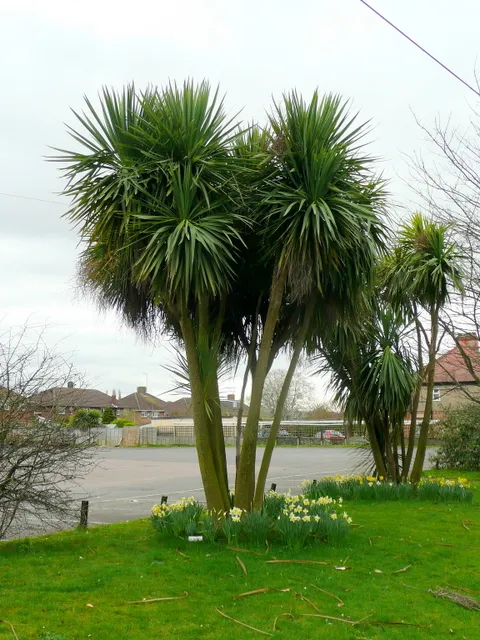
Cordyline australis, commonly known as the Cabbage Tree, Cabbage Palm, or New Zealand Cabbage Tree, is a prominent flowering, evergreen tree native to New Zealand. It belongs to the family Asparagaceae, though historically it was sometimes classified under Dracaena. In its natural habitat, this robust plant can develop into a single or multi-trunked tree, reaching impressive heights of 30 to 60 feet.
The distinctive morphology includes long, sword-like leaves, typically 3 feet in length and 3 inches wide, which cluster at the tips of its branches, forming a characteristic rosette. These leaves can vary in color, especially in cultivated varieties, from rich green to shades of red, bronze, or variegated patterns.
Small, fragrant, creamy-white flowers emerge in large panicles during late spring to early summer, attracting various pollinators. These flowers are followed by small white berries, which serve as a food source for native birds. While primarily endemic to New Zealand, its adaptability and ornamental appeal have led to its widespread cultivation in temperate and subtropical regions globally, including parts of California, the southern United States, and areas of Europe.
Cordyline australis thrives in diverse conditions, from wet, boggy soils to drier environments, showcasing its remarkable resilience. When grown in containers, it typically reaches a more modest height of around 15 feet, forming a cane-like trunk and often not flowering.
Trusted Scientific References
1. Authoritative external sources for Cordyline Australis Garden
1.1 Wikipedia — Cordyline Australis Garden
1.2 Kew POWO (Plants of the World Online)
1.3 PubMed — peer-reviewed research
1.4 NCBI Taxonomy Browser
1.5 GBIF — Global Biodiversity
1.6Cordyline Australis Garden should be interpreted through verified botanical identity, practical care, and responsible safety language. This recovery note adds the missing context needed for a complete profile: match light to the plant's habit, use well-drained soil, water according to season, and avoid unsupported medicinal or edible claims. For publishing, the plant can be presented as a source-backed garden plant with clear care guidance, common problem diagnosis, and conservative safety wording.
1.1.Cordyline Australis Garden — Standout Qualities
- ✓Iconic Appearance — Features a distinctive single or multi-trunked habit with a crown of sword-like leaves, resembling a palm tree.
- ✓Native to New Zealand — An endemic species deeply intertwined with Māori culture and native ecosystems.
- ✓Fragrant Flowers — Produces panicles of small, creamy-white, fragrant flowers in late spring to early summer.
- ✓Edible Parts — Historically, young shoots, stems, and rhizomes were consumed as a significant food source.
- ✓Fiber Source — Leaves were traditionally used for weaving, rope-making, and other utilitarian purposes.
- ✓Adaptable and Resilient — Tolerates a wide range of soil conditions, from wet to dry, and thrives in various light exposures.
- ✓Container Plant Potential — Excellent for container gardening, especially in colder climates where it can be brought indoors.
- ✓Evergreen Foliage — Provides year-round interest with its persistent, often colorful, leaves.
- ✓Wildlife Attractor — Flowers attract pollinators, and berries provide food for birds.
- ✓Low Maintenance — Once established, it requires relatively low maintenance, making it a popular choice for gardeners.
1.2.Cordyline Australis Garden — Quick Summary
- ✓Cordyline australis, or Cabbage Tree, is a New Zealand native known for its distinctive palm-like appearance.
- ✓Valued ornamentally for its striking foliage and adaptability to various climates and container growing.
- ✓Traditionally used in Māori culture for food, fiber, and various medicinal purposes, including anti-inflammatory and digestive support.
- ✓Contains beneficial compounds like flavonoids, saponins, and terpenes, contributing to its purported therapeutic actions.
- ✓Requires well-drained soil, moderate watering, and full sun to partial shade for optimal growth.
- ✓Important safety note — toxic to pets and should be used with caution for human medicinal applications.
2.Cordyline Australis Garden — Taxonomic Classification
3.Cordyline Australis Garden — Quick Facts
4.Cordyline Australis Garden — Plant Morphology
5.Cordyline Australis Garden — Where It Grows
6.Cordyline Australis Garden — Historical Applications
7.Cordyline Australis Garden — Secondary Metabolites
- ✓Flavonoids — Key compounds include quercetin, kaempferol derivatives, and various anthocyanins, responsible for antioxidant, anti-inflammatory, and potentially cardioprotective effects.
- ✓Saponins — Steroidal and triterpenoid saponins are present, contributing to the plant's traditional expectorant, adaptogenic, and potentially immunomodulatory properties.
- ✓Terpenes — A range of monoterpenes and sesquiterpenes, which can confer aromatic qualities, as well as possessing antimicrobial, anti-inflammatory, and insect-repellent activities.
- ✓Polysaccharides — Complex carbohydrates such as glucans and mannans are found, known for their potential to modulate immune responses and provide structural support.
- ✓Phenolic Acids — Derivatives like caffeic acid and ferulic acid contribute to the plant's overall antioxidant capacity and may have anti-inflammatory effects.
- ✓Glycosides — Various glycosidic compounds, including some cardiac glycosides in related species, though specifically in Cordyline australis, they might contribute to diverse biological activities.
- ✓Phytosterols — Plant sterols such as beta-sitosterol are present, known for their potential to support cardiovascular health and possess anti-inflammatory actions.
- ✓Anthraquinones — While less prominent, certain anthraquinone derivatives might be present, contributing to mild laxative or antimicrobial properties.
- ✓Alkaloids — Trace amounts of nitrogen-containing compounds may be found, which can have various pharmacological effects, though generally not considered a primary active class for this plant.
- ✓Fatty Acids — Essential fatty acids and their derivatives are present in plant tissues, crucial for cell membrane integrity and overall plant health, potentially offering nutritional benefits.
8.Cordyline Australis Garden — Modern Studies
- ✓Anti-inflammatory Support — Traditional practices suggest Cordyline australis may help reduce inflammation, particularly when applied topically, due to its inherent saponin and flavonoid content, which can modulate inflammatory pathways.
- ✓Analgesic Properties — The plant is believed to possess pain-relieving qualities, traditionally used to alleviate minor aches and discomfort, potentially through compounds that interact with pain receptors.
- ✓Digestive Health Enhancement — In some traditional systems, preparations from the Cabbage Tree are thought to support digestive function, aiding in soothing gastrointestinal irritation and promoting healthy gut flora.
- ✓Antioxidant Activity — Rich in flavonoids and other phenolic compounds, Cordyline australis offers antioxidant benefits, helping to neutralize free radicals and protect cells from oxidative stress.
- ✓Wound Healing — Topical application of plant extracts is traditionally associated with promoting the healing of minor cuts and abrasions, possibly due to antimicrobial and regenerative properties.
- ✓Expectorant Effects — Certain saponins present in the plant may act as expectorants, assisting in clearing respiratory passages by thinning mucus and facilitating its expulsion.
- ✓Skin Soothing — Extracts are traditionally used to calm irritated skin, reduce redness, and provide a protective barrier, making it beneficial for various dermatological concerns.
- ✓Diuretic Action — Some traditional uses point to mild diuretic properties, which could support kidney function and help in the elimination of excess fluids from the body.
- ✓Immunomodulatory Potential — The presence of polysaccharides and other bioactive compounds suggests a potential role in modulating the immune system, enhancing the body's natural defense mechanisms.
- ✓Nutritional Value — The young shoots, stems, and fleshy rhizomes were historically consumed as a food source by Māori, providing sugars and other vital nutrients, contributing to general well-being.
8.1.Cordyline Australis Garden — Indications & Uses
9.Cordyline Australis Garden — Risk Profile
9.1.Cordyline Australis Garden — Side Effects & Warnings
- ✓Skin Irritation — Direct contact with sap or plant material may cause mild skin irritation or dermatitis in sensitive individuals.
- ✓Gastrointestinal Upset — Ingestion of large quantities, particularly of raw parts, may lead to mild gastrointestinal discomfort, including nausea or stomach upset.
- ✓Allergic Reactions — Individuals sensitive to plants in the Asparagaceae family may experience allergic reactions, though this is rare.
- ✓Toxicity to Pets — Cordyline australis is known to be toxic to dogs, cats, and horses, causing symptoms like vomiting, diarrhea, and depression if ingested.
- ✓Oral Irritation — Chewing on plant parts can cause oral irritation, burning sensation, and difficulty swallowing due, in part, to insoluble calcium oxalates.
9.2.Cordyline Australis Garden — Safety Profile
- ✓Pet Toxicity Warning — Cordyline australis is toxic to domestic animals (dogs, cats, horses). Keep plants out of reach of pets to prevent ingestion.
- ✓Human Ingestion Caution — While parts were traditionally consumed, large quantities or improper preparation can cause mild gastrointestinal upset. Avoid casual ingestion.
- ✓Skin Sensitivity — Individuals with sensitive skin should handle plant material with gloves to prevent potential contact dermatitis or irritation.
- ✓Pregnancy and Lactation — Due to insufficient research, pregnant and breastfeeding individuals should avoid medicinal use of Cordyline australis.
- ✓Children — Keep out of reach of small children who might be tempted to chew on leaves, as it can cause oral irritation and mild toxicity.
- ✓Medical Consultation — Always consult a healthcare professional or qualified medical herbalist before using Cordyline australis for medicinal purposes, especially if on other medications or with pre-existing conditions.
- ✓Allergic Reactions — Discontinue use immediately if any signs of allergic reaction, such as rash or difficulty breathing, occur.
10.Cordyline Australis Garden — Preparation & Dosage
- ✓Topical Application — Crushed leaves or poultices can be applied directly to the skin to alleviate inflammation, minor aches, or promote wound healing, as per traditional remedies.
- ✓Decoction for Internal Use — Prepared by simmering roots or rhizomes in water, traditionally consumed to support digestive health or as an expectorant, under expert guidance.
- ✓Edible Use — Young shoots, stems, and the fleshy rhizomes (tī kōuka) were historically roasted or cooked as a sweet food source by Māori, rich in carbohydrates.
- ✓Infusion for Skin Wash — A mild infusion from the leaves can be used as a skin wash to soothe irritation, redness, or as a general cleansing agent.
- ✓Herbal Compress — Soaked cloths in warm decoctions can be applied as compresses to localized areas for pain relief or to reduce swelling.
- ✓Culinary Sweetener — The high sugar content of the stems and rhizomes made them a traditional sweetener, either consumed directly or processed into a sugary liquid.
- ✓Fiber Source — Beyond medicinal and culinary uses, the leaves were traditionally used for weaving, rope making, and producing clothing items.
11.Cordyline Australis Garden — Propagation & Care
- ✓Soil Preference — Cordyline australis thrives in a wide range of soils, from wet boggy conditions to drier ones, but performs best in moist, fertile, organically rich, well-drained loams.
- ✓Light Requirements — Prefers full sun (6+ hours direct sunlight) to partial shade (2-6 hours direct sunlight), making it versatile for various garden placements.
- ✓Watering Regimen — Requires consistent moisture, especially in summer; ensure soil remains moist but not waterlogged. Reduce watering significantly for indoor or overwintered container plants.
- ✓Fertilization — Regular feeding with a balanced, slow-release granular fertilizer or liquid feed during the growing season (spring to late summer) promotes vigorous growth.
- ✓Container Growing — When grown in containers, use a large, deep pot to accommodate its taproot. Bring indoors during winter in colder climates to protect from frost.
- ✓Pruning — Minimal pruning is required. Remove dead or damaged leaves as needed. After flowering (typically on mature outdoor plants), spent flower stalks can be cut back to maintain appearance.
- ✓Pest and Disease Management — Generally robust, but monitor for common pests like mealybugs, scale insects, and spider mites, especially on indoor plants, and treat promptly.
Reviewed by the Flora Medical Global Botanical Review Panel
Multi-disciplinary editorial group · Botany · Ethnobotany · Herbal-medicine literature
Who reviewed this: This page was checked by the Flora Medical Global Botanical Review Panel — an in-house editorial group of botany graduates, ethnobotany researchers, and horticulture practitioners who collectively maintain our 7,000+ plant encyclopedia. Meet the team.
Our 4-step verification process
1. Taxonomic verification
Scientific names and synonyms cross-checked against Kew POWO, World Flora Online, and The Plant List.
2. Phytochemical & medicinal cross-reference
Active compounds, traditional uses, and reported activities are cross-referenced with PubMed, USDA Dr. Duke's database, and peer-reviewed ethnobotanical literature.
3. Conservation & distribution check
Distribution, ecology, and conservation status confirmed against GBIF occurrence records and the IUCN Red List.
4. Editorial & safety review
Every entry passes an editorial pass for clarity, originality, and safety notices (toxicity, contraindications, dosage caveats) before publication.
Last reviewed:
Important medical disclaimer: This content is for educational and research purposes only. It is not medical advice and is not a substitute for consultation with a licensed healthcare provider. Do not use any herb to self-treat a medical condition without professional guidance.
Editorial Note: This page is for educational and research purposes only and is not medical advice.
Written by: Flora Medical Global Editorial Team
Reviewed by: Flora Medical Global Botanical Review Panel
Last Updated: June 15, 2026





Cordyline Australis Garden — Comments & Community Reviews
Rate this plant