
Medical Disclaimer: This content is for educational purposes only. It is not medical advice. Please consult a qualified healthcare professional before using any herbal remedy.
Safety Overview
1.Cordyline Pink Diamond — Botanical Snapshot
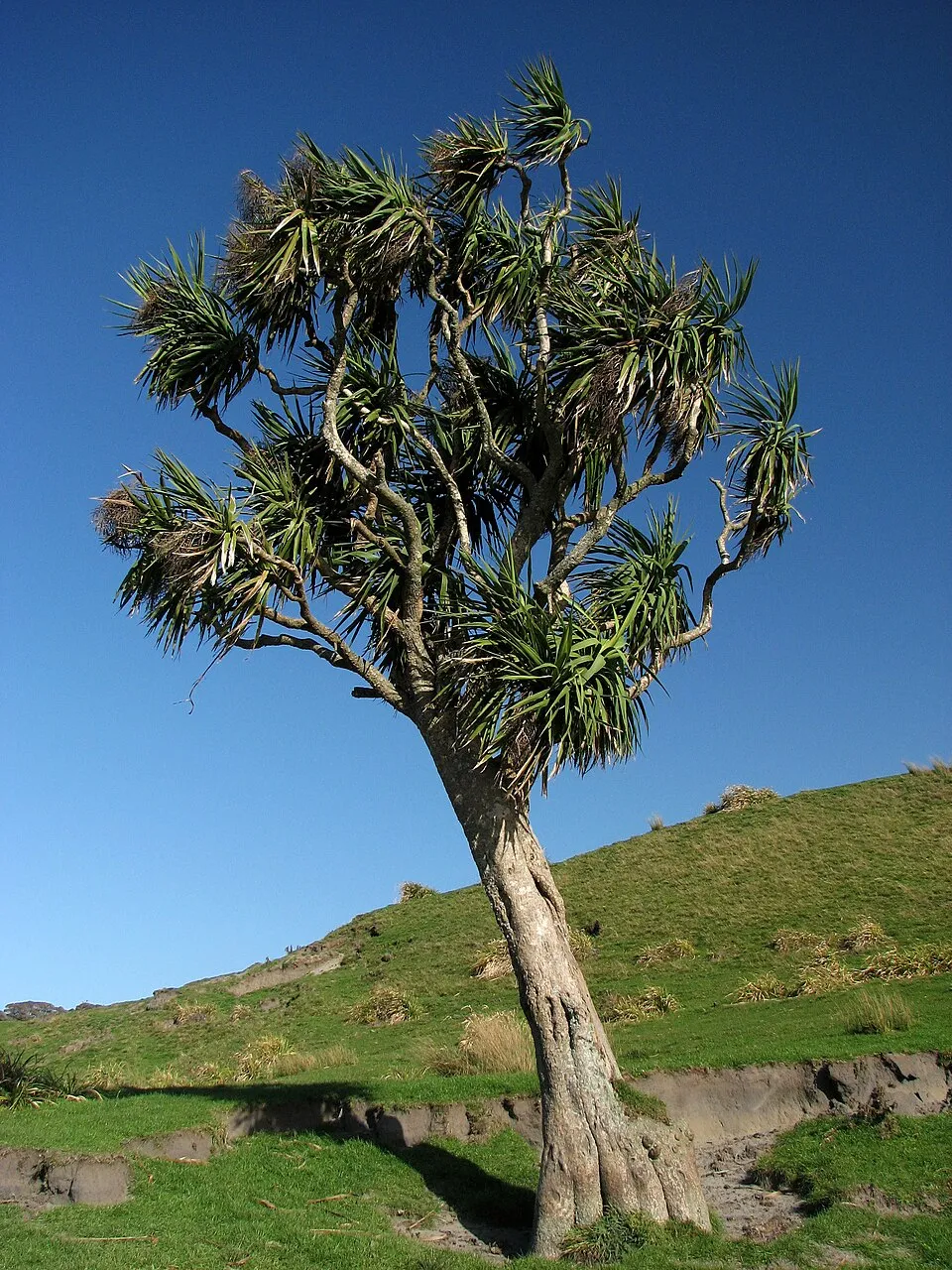
Cordyline 'Pink Diamond', a captivating cultivar of Cordyline fruticosa, stands as a prominent ornamental in the Asparagaceae family, a lineage formerly classified under Agavaceae or Laxmanniaceae. This broadleaf evergreen shrub or small tree is celebrated for its visually striking foliage, which features deep green centers boldly edged with variegated pink margins, often intensifying to a rich magenta under optimal light conditions. Each upright stem culminates in a lush rosette of lance-shaped, strap-like leaves that can reach up to 30 inches in length and 6 inches in width.
Native to the tropical and subtropical regions of Southeast Asia, eastern Australia, Papua New Guinea, Melanesia, Hawaii, and New Zealand, the Cordyline genus thrives in warm, humid environments. Historically, species within the Cordyline genus, commonly known as 'Ti plants' or 'Cabbage trees', have held profound cultural significance, particularly in Polynesian cultures. Beyond their ornamental appeal, these plants were valued for their edible, carbohydrate-rich rhizomes, which, when baked, yield a sugary pulp.
The leaves also served practical purposes, woven into clothing, used in crafts, and as natural food wrappers. While 'Pink Diamond' is primarily cultivated for its aesthetic charm, the broader Cordyline fruticosa species possesses a documented history in traditional medicine, with extracts from its leaves and roots traditionally employed for various ailments. This plant is distinguished by its grooved petioles and white roots, differentiating it from similar-looking Dracaena species.
Trusted Scientific References
1. Authoritative external sources for Cordyline fruticosa pink
1.1 Wikipedia — Cordyline fruticosa pink
1.2 Kew POWO (Plants of the World Online)
1.3 PubMed — peer-reviewed research
1.4 NCBI Taxonomy Browser
1.5 GBIF — Global Biodiversity
1.6Cordyline Pink Diamond should be interpreted through verified botanical identity, practical care, and responsible safety language. This recovery note adds the missing context needed for a complete profile: match light to the plant's habit, use well-drained soil, water according to season, and avoid unsupported medicinal or edible claims. For publishing, the plant can be presented as a source-backed indoor plant with clear care guidance, common problem diagnosis, and conservative safety wording.
1.1.Cordyline Pink Diamond — Highlights
- ✓Striking variegated pink — Striking variegated pink and green foliage that intensifies with light.
- ✓A popular ornamental — A popular ornamental cultivar of the culturally significant Cordyline fruticosa.
- ✓Native to tropical — Native to tropical and subtropical regions of Southeast Asia and the Pacific.
- ✓Historically utilized for — Historically utilized for its edible rhizomes and traditional medicinal properties.
- ✓Known as the 'Good — Luck Plant' in Hawaiian culture, symbolizing protection.
- ✓Contains bioactive compounds — Contains bioactive compounds like saponins, flavonoids, and phenolic acids.
- ✓Adaptable for cultivation — Adaptable for cultivation as an indoor houseplant or outdoor tropical garden plant.
- ✓Characterized by upright, multi — stemmed growth and strap-like leaves.
- ✓Features a rhizomatous — Features a rhizomatous root system, aiding in propagation and traditional food use.
- ✓Relatively low maintenance — Relatively low maintenance when its specific light, humidity, and temperature needs are met.
1.2.Cordyline Pink Diamond — Snapshot Summary
- ✓'Pink Diamond' is a vibrant ornamental cultivar of Cordyline fruticosa.
- ✓The species is native to Southeast Asia and the Pacific, known culturally as the 'Ti Plant'.
- ✓Historically, Cordyline fruticosa served as a food source (edible rhizomes) and in traditional medicine.
- ✓Contains beneficial phytochemicals such as saponins, flavonoids, and phenolic compounds.
- ✓Requires bright indirect light, high humidity, and consistent moisture for optimal growth.
- ✓It is toxic to pets and can cause mild gastrointestinal upset in humans if ingested.
2.Cordyline Pink Diamond — Nomenclature & Classification
3.Cordyline Pink Diamond — Key Data
4.Cordyline Pink Diamond — Physical Description
5.Cordyline Pink Diamond — Ecological Habitat
6.Cordyline Pink Diamond — Traditional Uses
7.Cordyline Pink Diamond — Phytochemistry
- ✓Saponins — Triterpenoid and steroidal saponins are prominent, known for their hemolytic activity, anti-inflammatory properties, and potential to lower cholesterol.
- ✓Flavonoids — Compounds like quercetin and kaempferol derivatives are present, acting as potent antioxidants and contributing to anti-inflammatory and potentially anticancer activities.
- ✓Phenolic Compounds — Includes caffeic acid, ferulic acid, and gallic acid, which are strong antioxidants and contribute to the plant's astringent and antimicrobial characteristics.
- ✓Anthocyanins — These pigments are responsible for the vibrant pink and red coloration in cultivars like 'Pink Diamond', possessing significant antioxidant capabilities.
- ✓Polysaccharides — Found abundantly in the rhizomes, these complex carbohydrates serve as an energy reserve and may offer immunomodulatory benefits.
- ✓Glycosides — Various glycosidic compounds are present, which are often responsible for diverse biological activities within the plant.
- ✓Plant Sterols — Contributing to cell membrane structure, these compounds may also offer health benefits related to cholesterol metabolism.
- ✓Organic Acids — Malic acid and citric acid are present, playing roles in plant metabolism and potentially contributing to mild therapeutic effects.
- ✓Tannins — Astringent compounds that contribute to the plant's traditional use for diarrhea and wound healing, due to their ability to bind proteins and form protective layers.
- ✓Alkaloids — While less prominent than other classes, some alkaloidal compounds may be present, influencing various physiological responses.
8.Cordyline Pink Diamond — Scientific Evidence
- ✓Digestive Support — Traditionally, Cordyline fruticosa has been utilized to alleviate digestive discomforts like diarrhea, likely due to the presence of compounds with astringent or soothing properties.
- ✓Antipyretic Action — Indigenous cultures employed preparations from the species to reduce fever, suggesting potential anti-inflammatory or fever-reducing agents within its composition.
- ✓Wound Healing — Topically, leaves and extracts were applied to skin irritations and minor wounds, possibly promoting healing through antimicrobial and anti-inflammatory effects of its phytochemicals.
- ✓Anti-inflammatory Properties — The species contains flavonoids and phenolic compounds, which are known to exert anti-inflammatory effects by modulating cellular pathways involved in inflammation.
- ✓Antioxidant Activity — Flavonoids and phenolic compounds contribute to the plant's antioxidant capacity, helping to neutralize free radicals and protect cells from oxidative stress.
- ✓Antimicrobial Effects — Research indicates that saponins and other compounds in Cordyline fruticosa may possess antimicrobial properties, inhibiting the growth of certain bacteria and fungi.
- ✓Nutritional Value — The rhizomes of Cordyline fruticosa were a vital carbohydrate source for Polynesian populations, providing essential energy and sustenance when baked.
- ✓Skin Health — Beyond wound care, traditional applications suggest a role in general skin health, potentially soothing irritations and contributing to a healthy epidermal barrier.
- ✓Mild Diuretic Potential — Some traditional applications hint at a mild diuretic effect, although this is less documented and requires further investigation.
- ✓Cultural Well-being — Known as the 'Good-Luck Plant', its symbolic significance offers psychological and cultural benefits, fostering a sense of well-being and tradition.
8.1.Cordyline Pink Diamond — Health Applications
9.Cordyline Pink Diamond — Safety & Side Effects
9.1.Cordyline Pink Diamond — Caution Notes
- ✓Pet Toxicity — Contains saponins that are toxic to dogs, cats, and horses, potentially causing vomiting and diarrhea if ingested.
- ✓Gastrointestinal Upset — In humans, ingestion of significant quantities can lead to mild gastrointestinal discomfort, including nausea, vomiting, and diarrhea.
- ✓Skin Irritation — Direct contact with the sap or leaves may cause mild skin irritation or dermatitis in sensitive individuals; wearing gloves is recommended.
- ✓Allergic Reactions — As with any plant, susceptible individuals may experience allergic reactions, though these are generally rare.
- ✓Overconsumption of Rhizomes — Improperly prepared or excessive consumption of rhizomes, if not detoxified, could lead to digestive upset.
9.2.Cordyline Pink Diamond — Clinical Safety Notes
- ✓Pet Toxicity — Cordyline fruticosa contains saponins that are toxic to dogs, cats, and horses, leading to symptoms like vomiting, diarrhea, and depression; keep plants out of their reach.
- ✓Human Ingestion Risk — While considered low toxicity for humans, ingesting plant parts, especially in large quantities, can cause mild gastrointestinal upset.
- ✓Skin Irritation — Contact with plant sap may cause mild skin irritation or dermatitis in sensitive individuals; it is advisable to wear gloves when handling.
- ✓Pregnancy and Lactation — Due to a lack of comprehensive safety data, the use of Cordyline fruticosa during pregnancy and breastfeeding is not recommended.
- ✓Drug Interactions — The presence of bioactive compounds, particularly saponins, suggests a potential for interaction with medications, necessitating caution and professional medical advice.
- ✓Children — Keep this plant out of reach of young children to prevent accidental ingestion and potential gastrointestinal symptoms.
10.Cordyline Pink Diamond — Preparation Methods
- ✓Traditional Rhizome Preparation — Rhizomes were traditionally baked until soft and sweet, then consumed as a carbohydrate-rich food source.
- ✓Leaf Poultices — Crushed or warmed leaves were applied topically as poultices to soothe skin irritations, minor cuts, and insect bites.
- ✓Decoctions for Internal Use — Extracts from leaves and roots were prepared as decoctions and consumed orally for conditions like fever and diarrhea.
- ✓Infusions for Topical Application — Infusions made from leaves were used as washes for wounds and skin ailments, leveraging their purported antimicrobial and anti-inflammatory properties.
- ✓Food Wrappers — Leaves were historically used to wrap food for cooking or storage, imparting a subtle flavor and providing a natural, biodegradable covering.
- ✓Ritualistic and Cultural Use — In Hawaii, Cordyline fruticosa leaves are used to make leis, adornments, and are planted around homes as a 'Good-Luck Plant' for spiritual protection.
- ✓Ornamental Display — As 'Pink Diamond', it is primarily used as a striking container plant, houseplant, or tropical garden border in suitable climates.
11.Cordyline Pink Diamond — How to Grow
- ✓Light — Prefers bright, indirect light; direct sun can scorch leaves and diminish color vibrancy.
- ✓Soil — Requires moist, well-drained, fertile loamy soil or a high-quality peat-based potting mix.
- ✓Watering — Water regularly, allowing the top inch or two of soil to dry out between waterings; reduce frequency in fall and winter.
- ✓Humidity — Thrives in high humidity; indoor plants may benefit from a humidifier or pebble tray.
- ✓Temperature — Best maintained between 65-95°F (18-35°C); does not tolerate temperatures below 50°F (10°C).
- ✓Fertilization — Fertilize several times a year during the growing season with a balanced liquid fertilizer to maintain vibrant foliage.
- ✓Propagation — Easily propagated by division of rhizomes or from stem sections, often referred to as 'Ti logs'.
- ✓Air Circulation — Ensure good air circulation to prevent fungal diseases, especially in humid indoor environments.
Reviewed by the Flora Medical Global Botanical Review Panel
Multi-disciplinary editorial group · Botany · Ethnobotany · Herbal-medicine literature
Who reviewed this: This page was checked by the Flora Medical Global Botanical Review Panel — an in-house editorial group of botany graduates, ethnobotany researchers, and horticulture practitioners who collectively maintain our 7,000+ plant encyclopedia. Meet the team.
Our 4-step verification process
1. Taxonomic verification
Scientific names and synonyms cross-checked against Kew POWO, World Flora Online, and The Plant List.
2. Phytochemical & medicinal cross-reference
Active compounds, traditional uses, and reported activities are cross-referenced with PubMed, USDA Dr. Duke's database, and peer-reviewed ethnobotanical literature.
3. Conservation & distribution check
Distribution, ecology, and conservation status confirmed against GBIF occurrence records and the IUCN Red List.
4. Editorial & safety review
Every entry passes an editorial pass for clarity, originality, and safety notices (toxicity, contraindications, dosage caveats) before publication.
Last reviewed:
Important medical disclaimer: This content is for educational and research purposes only. It is not medical advice and is not a substitute for consultation with a licensed healthcare provider. Do not use any herb to self-treat a medical condition without professional guidance.
Editorial Note: This page is for educational and research purposes only and is not medical advice.
Written by: Flora Medical Global Editorial Team
Reviewed by: Flora Medical Global Botanical Review Panel
Last Updated: June 15, 2026





Cordyline Pink Diamond — Comments & Community Reviews
Rate this plant