

Medical Disclaimer: This content is for educational purposes only. It is not medical advice. Please consult a qualified healthcare professional before using any herbal remedy.
Safety Overview
1.Ti Plant Red — At a Glance
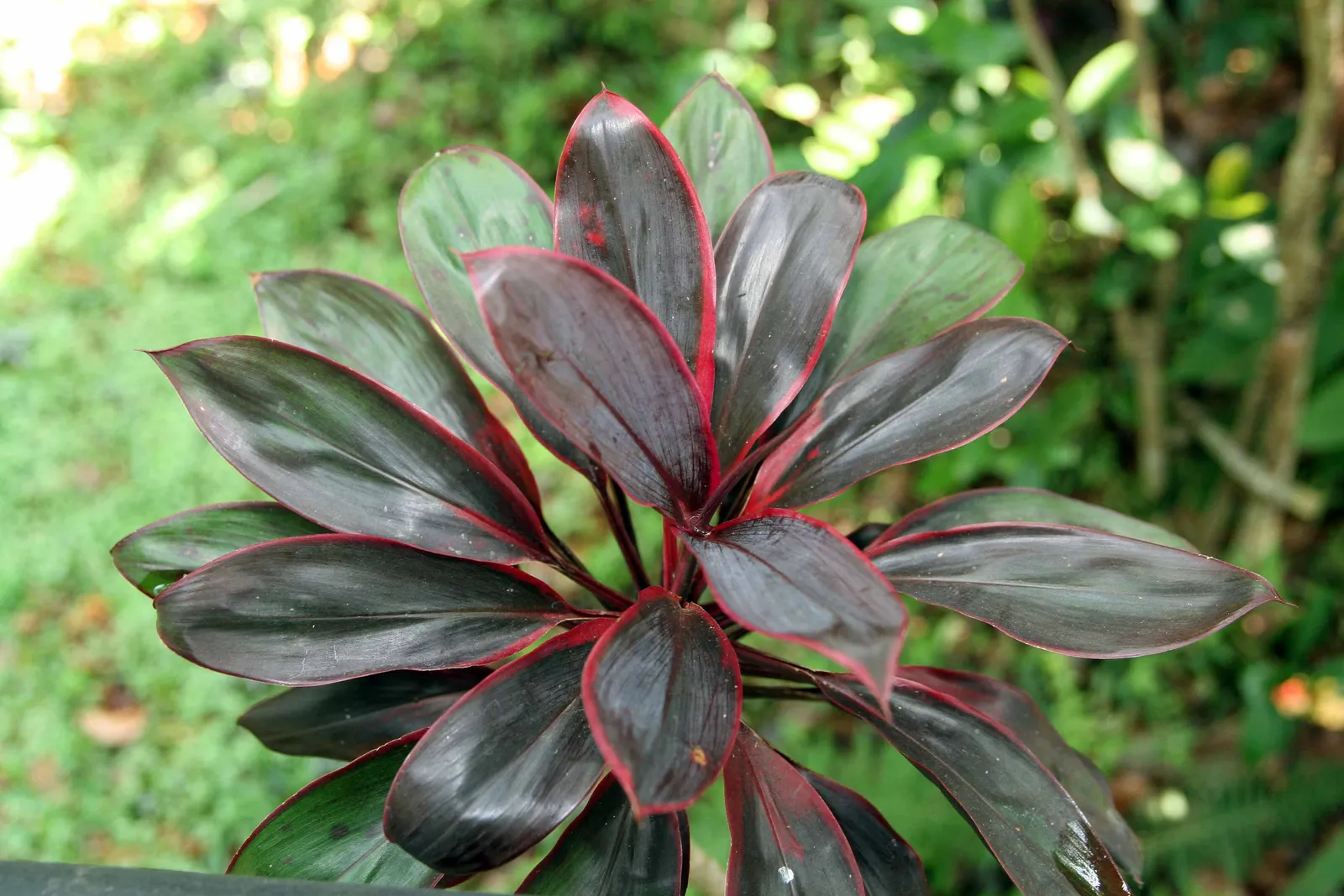
Cordyline terminalis, widely known as the Ti Plant Red or Hawaiian Good Luck Plant, is a captivating perennial shrub belonging to the Asparagaceae family, a member of the Asparagales order. This species is indigenous to the lush tropical and subtropical regions spanning Southeast Asia, Eastern Australia, and the Pacific Islands, including Hawaii, where it holds significant cultural importance. Characterized by its upright, woody stem, the Ti Plant can achieve heights of up to 10 feet in its natural habitat, though typically remaining smaller when cultivated indoors.
Its most distinctive feature is the striking foliage, comprising long, spear-shaped leaves that emerge in a vibrant rosette pattern at the stem’s apex. While varieties exist with green or variegated leaves, the 'Red' cultivar is celebrated for its deep burgundy to brilliant red hues, often intensifying with sun exposure. Small, often fragrant, white or pinkish-purple flowers may appear on tall terminal spikes during warmer months, followed by red berries, though flowering is less common in indoor settings.
The plant thrives in consistently moist, well-draining, fertile soil and prefers bright, indirect sunlight, demonstrating adaptability to a range of environmental conditions. Its aesthetic appeal, coupled with its historical and cultural roles, makes the Ti Plant Red a cherished botanical specimen globally.
Trusted Scientific References
1. Authoritative external sources for Cordyline terminalis
1.1 Wikipedia — Cordyline terminalis
1.2 Kew POWO (Plants of the World Online)
1.3 PubMed — peer-reviewed research
1.4 NCBI Taxonomy Browser
1.5 GBIF — Global Biodiversity
1.6Ti Plant Red should be interpreted through verified botanical identity, practical care, and responsible safety language. This recovery note adds the missing context needed for a complete profile: match light to the plant's habit, use well-drained soil, water according to season, and avoid unsupported medicinal or edible claims. For publishing, the plant can be presented as a source-backed indoor plant with clear care guidance, common problem diagnosis, and conservative safety wording.
1.1.Ti Plant Red — Distinguishing Points
- ✓Striking Red Foliage — Deep burgundy to bright red leaves provide year-round aesthetic appeal.
- ✓Cultural Significance — Revered in Hawaiian and Polynesian cultures as a 'Good Luck Plant' and for traditional ceremonies.
- ✓Adaptable Ornamental — Popular as an indoor plant or outdoor shrub in tropical climates.
- ✓Rich Phytochemistry — Contains beneficial compounds like flavonoids, saponins, and tannins.
- ✓Antioxidant Powerhouse — High in compounds that combat oxidative stress.
- ✓Traditional Medicinal Uses — Employed for skin ailments, fever, dysentery, and more.
- ✓Tropical Perennial Shrub — Woody stem and spear-shaped leaves typical of its growth habit.
- ✓Moderate Maintenance — Relatively easy to care for with proper light and watering.
- ✓Edible Uses — Leaves used to wrap food for cooking in traditional cuisine.
- ✓Ethnobotanical Importance — Deeply integrated into the traditional practices of its native regions.
1.2.Ti Plant Red — In Brief
- ✓Cordyline terminalis is a vibrant ornamental and culturally significant plant.
- ✓Native to Southeast Asia and Pacific Islands, known for red foliage.
- ✓Traditionally used for skin irritations, fever, and digestive issues.
- ✓Rich in antioxidants like flavonoids, anthocyanins, and saponins.
- ✓Offers potential anti-inflammatory, antimicrobial, and hypolipidemic benefits.
- ✓Requires warm, humid conditions and indirect light for optimal growth.
2.Ti Plant Red — Botanical Identity
3.Ti Plant Red — Vital Statistics
4.Ti Plant Red — Botanical Features
5.Ti Plant Red — Native Range & Habitat
6.Ti Plant Red — Traditional Uses
7.Ti Plant Red — Chemical Profile
- ✓Flavonoids — Key compounds such as quercetin, kaempferol, and their glycosides are abundant, acting as potent antioxidants and contributing to anti-inflammatory effects.
- ✓Saponins — Including spirostane, furostane, and cholestane glycosides, these compounds exhibit a range of biological activities such as hypolipidemic, anti-inflammatory, and immune-modulating properties.
- ✓Tannins — Predominantly gallotannins and condensed tannins, which provide astringent actions, contributing to antimicrobial and wound-healing benefits.
- ✓Anthocyanins — Responsible for the vibrant red pigmentation of the leaves, these compounds are powerful antioxidants with potential cardiovascular protective effects.
- ✓Phenolic Acids — Caffeic acid, ferulic acid, and other derivatives contribute to the plant's antioxidant and anti-inflammatory profile.
- ✓Steroids — Certain phytosterols are present, which can have anti-inflammatory and cholesterol-lowering properties.
- ✓Polysaccharides — Found in the plant's tissues, these complex carbohydrates may contribute to immunomodulatory and prebiotic effects.
- ✓Glycosides — A broad category including cardenolides and other sugar-linked compounds, influencing various biological pathways.
- ✓Volatile Organic Compounds — Present in trace amounts, contributing to the plant's subtle fragrance and potentially some antimicrobial activity.
8.Ti Plant Red — Evidence-Based Benefits
- ✓Antioxidant Support — Rich in flavonoids and anthocyanins, Cordyline terminalis helps neutralize harmful free radicals, protecting cells from oxidative stress and supporting overall cellular health.
- ✓Anti-inflammatory Properties — Traditionally applied topically, compounds like saponins and certain phenolic acids may help reduce localized inflammation and soothe irritated skin conditions.
- ✓Antimicrobial Action — Extracts have demonstrated inhibitory effects against various microorganisms, suggesting potential in combating bacterial and fungal infections.
- ✓Potential Antiproliferative Effects — Early research indicates that some constituents may interfere with cell proliferation, offering avenues for further investigation into cellular health.
- ✓Hypolipidemic Potential — Certain spirostane and furostane glycosides identified in the plant may contribute to regulating lipid metabolism, potentially aiding in cholesterol management.
- ✓Digestive Aid (Traditional) — In traditional Polynesian medicine, preparations were used to address gastrointestinal discomforts, including dysentery and diarrhea, likely due to astringent tannins.
- ✓Wound Healing (Traditional) — Fresh leaves were historically used as poultices on cuts, scrapes, and minor burns to promote healing and protect against infection.
- ✓Fever Reduction (Traditional) — Indigenous cultures utilized infusions from the Ti Plant to alleviate symptoms of high fever, possibly through its anti-inflammatory and diaphoretic actions.
- ✓Respiratory Comfort (Traditional) — Traditionally, it was employed for conditions like bloody cough, suggesting a historical use in soothing respiratory irritations and promoting expectoration.
- ✓Skin Soothing — Topical applications of crushed leaves or extracts are used to calm skin irritations, insect bites, and minor rashes, leveraging its anti-inflammatory and cooling properties.
8.1.Ti Plant Red — Indications & Uses
9.Ti Plant Red — Safety & Side Effects
9.1.Ti Plant Red — Caution Notes
- ✓Skin Irritation — Direct contact with sap or fresh leaves may cause mild skin irritation or allergic reactions in sensitive individuals.
- ✓Digestive Upset — Ingesting large quantities, particularly raw leaves, may lead to gastrointestinal distress, nausea, or vomiting due to saponin content.
- ✓Allergic Reactions — Rare systemic allergic responses, such as hives or swelling, may occur in highly sensitive individuals upon ingestion or prolonged topical exposure.
- ✓Drug Interactions — Potential for interactions with medications, especially those affecting blood clotting or blood sugar, due to its active compounds; consult a healthcare provider.
- ✓Toxicity Concerns — While generally considered low toxicity for external use, internal consumption without proper preparation or dosage guidance is not recommended.
- ✓Photosensitivity — Some plant compounds can theoretically increase skin sensitivity to sunlight, though this is not commonly reported for Ti Plant.
9.2.Ti Plant Red — Safety Overview
- ✓Limited Human Data — Comprehensive clinical trials on the safety and efficacy of Cordyline terminalis in humans are limited; use with caution and expert guidance.
- ✓Pregnancy and Lactation — Not recommended for use by pregnant or breastfeeding individuals due to insufficient safety data.
- ✓Children and Pets — Keep out of reach of young children and pets, as ingestion may cause mild digestive upset.
- ✓Professional Consultation — Always consult a qualified healthcare professional or medical herbalist before using Ti Plant Red medicinally, especially for internal applications.
- ✓Patch Test — Perform a patch test on a small area of skin before extensive topical application to check for allergic reactions.
- ✓Avoid Raw Ingestion — Do not consume raw leaves in significant quantities, as saponins can cause gastrointestinal irritation.
- ✓Quality and Purity — Ensure any plant material used is free from pesticides, contaminants, and correctly identified.
10.Ti Plant Red — Preparations & Uses
- ✓Topical Poultice — Crush fresh Ti Plant Red leaves and apply directly to skin irritations, minor cuts, insect bites, or burns for soothing and healing.
- ✓Infusion (Traditional) — Steep fresh or dried leaves in hot water to create a tea, traditionally used for internal ailments like fever or digestive upset; consult an expert due to limited safety data.
- ✓Decoction (Traditional) — Boil roots or tougher leaf parts for a longer duration to extract compounds, used in some traditional systems for more stubborn conditions.
- ✓Food Wraps — In Hawaiian culture, the large leaves are traditionally used to wrap food (e.g., lau lau) for steaming or baking, imparting a unique flavor and keeping food moist.
- ✓Medicinal Baths — Add brewed leaf infusions to bathwater to help soothe widespread skin irritations or muscle aches.
- ✓Herbal Compresses — Soak a cloth in a strong leaf infusion and apply as a warm or cool compress to inflamed areas or bruises.
- ✓Tincture Preparation — For experienced herbalists, leaves can be macerated in alcohol to create a concentrated liquid extract for internal or external use, with careful dosing.
11.Ti Plant Red — Cultivation & Care
- ✓Soil Preference — Use a fertile, well-draining potting mix, ideally slightly acidic to neutral, rich in organic matter.
- ✓Watering Regimen — Water regularly to keep the soil consistently moist but not waterlogged, allowing the top inch of soil to dry out between waterings.
- ✓Light Requirements — Thrives in bright, indirect sunlight. Direct sun can scorch leaves, while too little light may diminish the vibrant red coloration.
- ✓Temperature and Humidity — Prefers warm temperatures between 65-80°F (18-27°C) and high humidity. Protect from frost and cold drafts.
- ✓Fertilization — During the active growing season (spring and summer), apply a balanced liquid fertilizer monthly to encourage robust growth.
- ✓Propagation — Easily propagated from stem cuttings placed in water or moist soil, or from sections of the rhizome.
- ✓Pest and Disease Management — Generally resilient but inspect regularly for common pests like spider mites and mealybugs. Ensure good air circulation to prevent fungal issues.
- ✓Pruning — Prune to maintain desired size and shape, removing any yellowing or damaged leaves to promote bushier growth.
Reviewed by the Flora Medical Global Botanical Review Panel
Multi-disciplinary editorial group · Botany · Ethnobotany · Herbal-medicine literature
Who reviewed this: This page was checked by the Flora Medical Global Botanical Review Panel — an in-house editorial group of botany graduates, ethnobotany researchers, and horticulture practitioners who collectively maintain our 7,000+ plant encyclopedia. Meet the team.
Our 4-step verification process
1. Taxonomic verification
Scientific names and synonyms cross-checked against Kew POWO, World Flora Online, and The Plant List.
2. Phytochemical & medicinal cross-reference
Active compounds, traditional uses, and reported activities are cross-referenced with PubMed, USDA Dr. Duke's database, and peer-reviewed ethnobotanical literature.
3. Conservation & distribution check
Distribution, ecology, and conservation status confirmed against GBIF occurrence records and the IUCN Red List.
4. Editorial & safety review
Every entry passes an editorial pass for clarity, originality, and safety notices (toxicity, contraindications, dosage caveats) before publication.
Last reviewed:
Important medical disclaimer: This content is for educational and research purposes only. It is not medical advice and is not a substitute for consultation with a licensed healthcare provider. Do not use any herb to self-treat a medical condition without professional guidance.
Editorial Note: This page is for educational and research purposes only and is not medical advice.
Written by: Flora Medical Global Editorial Team
Reviewed by: Flora Medical Global Botanical Review Panel
Last Updated: June 15, 2026





Ti Plant Red — Comments & Community Reviews
Rate this plant